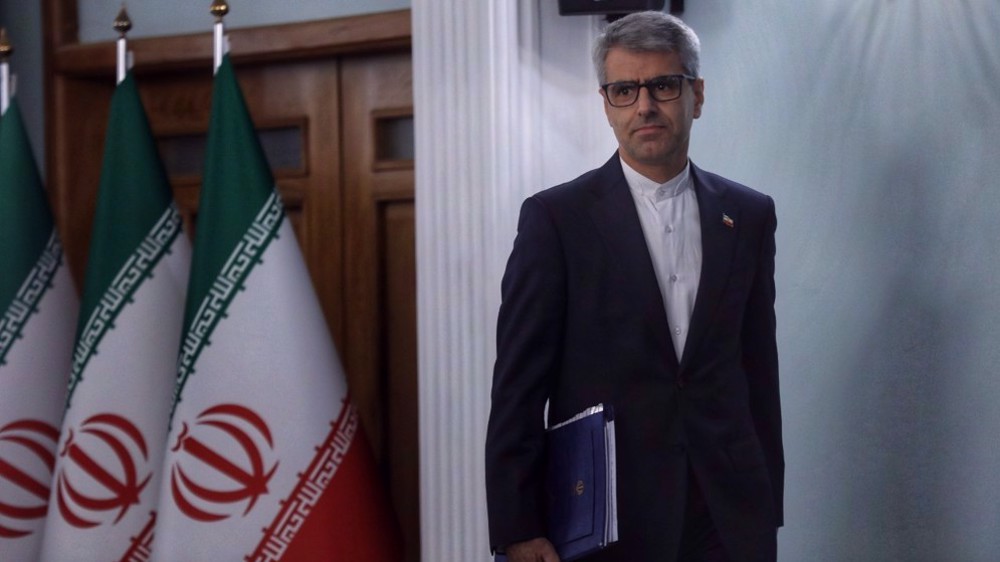
Iran to pursue strong defense, careful diplomacy during indirect talks with US: Deputy FM
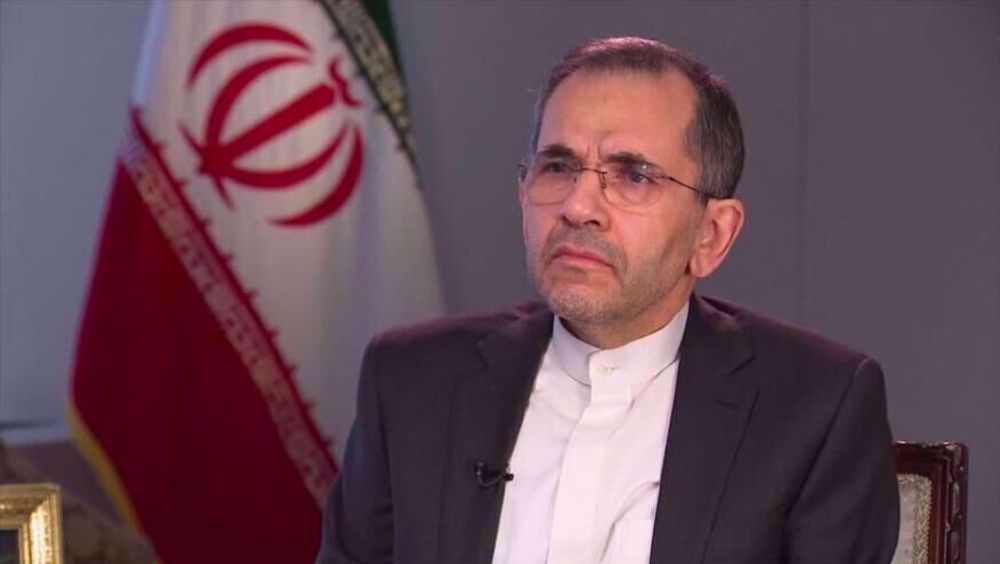
Deputy Foreign Minister Majid Takht-Ravanchi says Iran must remain alert and maintain maximum defensive capability to prevent the American side from attempting to extract concessions through pressure.
During a TV program aired on Tuesday night, Takht-Ravanchi said Iranian officials should be cautious and avoid repeating past mistakes, warning against being “bitten from the same hole twice,” a Persian idiom meaning not falling for the same trick again.
Iranian and American delegations, led by Foreign Minister Abbas Araghchi and US Special Envoy Steve Witkoff, resumed nuclear talks in Muscat on February 6, months after Israel’s aggression in June 2025. The Omani foreign minister was shuttling between the sides, with the talks being held indirectly as before.
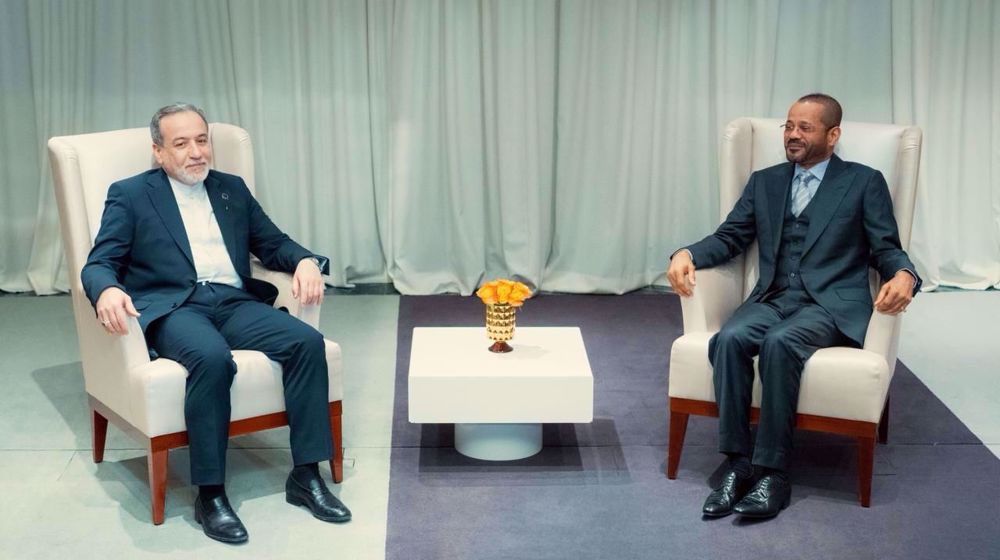
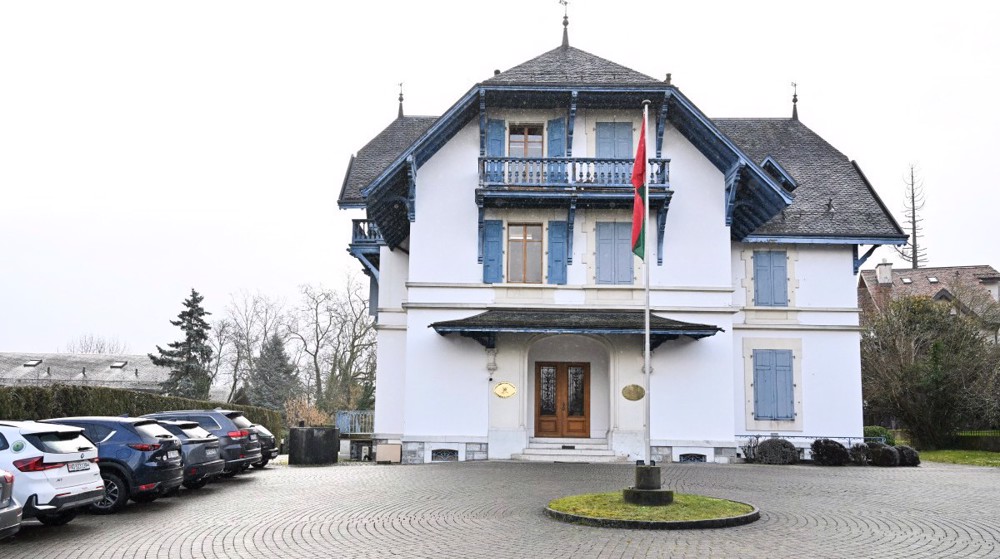
The second round of the renewed talks is being held in Geneva on Tuesday with the mediation of Oman’s foreign minister at the Omani mission. The negotiating table brings together Witkoff and Araghchi, following what both sides described as a constructive but preliminary first round in Muscat.
The negotiations will take place as US President Donald Trump has deployed military forces to the region, heightening concerns about possible new military action. US officials said on February 12 that the Pentagon was sending an additional aircraft carrier to the region, adding thousands more troops along with fighter aircraft and guided-missile destroyers.
Takht-Ravanchi added that Iran’s armed forces are in good overall condition and are steadily improving.
He emphasized that national strength must extend beyond military capability to include social cohesion and economic resilience so that no country would consider aggression against Iran.
Referring to decades of unfulfilled commitments by the United States toward Iran, Takht-Ravanchi said Tehran should not place excessive trust in any party with such a record.
However, he clarified that this does not rule out diplomacy if circumstances require.
He also noted that some criticisms raised by Iranian opponents of the Joint Comprehensive Plan of Action (JCPOA) are valid, arguing that no negotiated deal can be perfect because diplomacy inherently involves compromise rather than one side gaining all benefits while the other accepts losses.
The JCPOA was signed between Iran and several world powers in the Austrian capital, Vienna, in July 2025. The signatories were China, France, Germany, Russia, the United Kingdom, Iran, and the United States.
Under the agreement, the US and the EU agreed to remove anti-Iran sanctions imposed over the years in exchange for Iran limiting its uranium enrichment and reducing its existing stockpile.
The deal was scrapped by the US during Trump’s first term in 2018. Despite this, Iran fully adhered to its obligations under the JCPOA, while the Europeans also failed to comply with the accord.
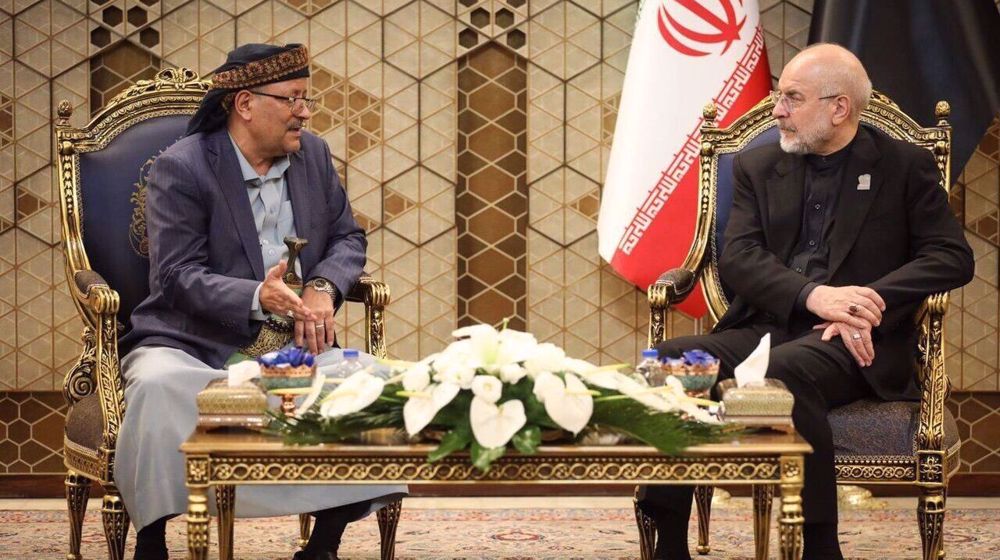
US 'defeated' as Iran MoU forces recognition of resistance allies: Qalibaf
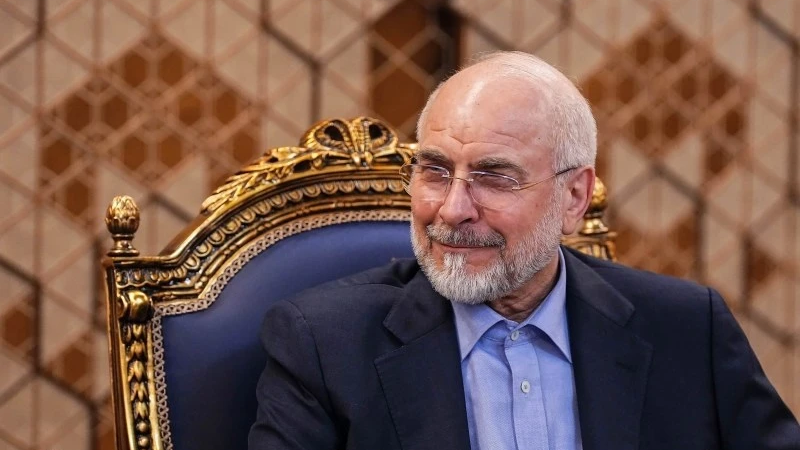
Peace in Lebanon impossible without Iran: Qalibaf
Leader reappoints Mohseni-Ejei as Iran's judiciary chief


VIDEO | Press TV's news headlines
Tehran funeral procession starts as millions gather to honor martyred Leader
VIDEO | Tehran conference honors martyred leader as 'eternal'
Majority of US voters say Trump's war on Iran not worth the cost: Poll
VIDEO | Historic Iran–Sana'a flight defies 11-year blockade, sparks celebrations
VIDEO | Israel steps up Al-Khalil mosque restrictions, settler expansion
US 'defeated' as Iran MoU forces recognition of resistance allies: Qalibaf
Israeli forces kill Palestinian teen in West Bank, infant dies after emergency passage denied


 PressTV NEWSLETTER
now
PressTV NEWSLETTER
now
 This makes it easy to access the Press TV website
