Iran’s shortest rail route between China and Europe
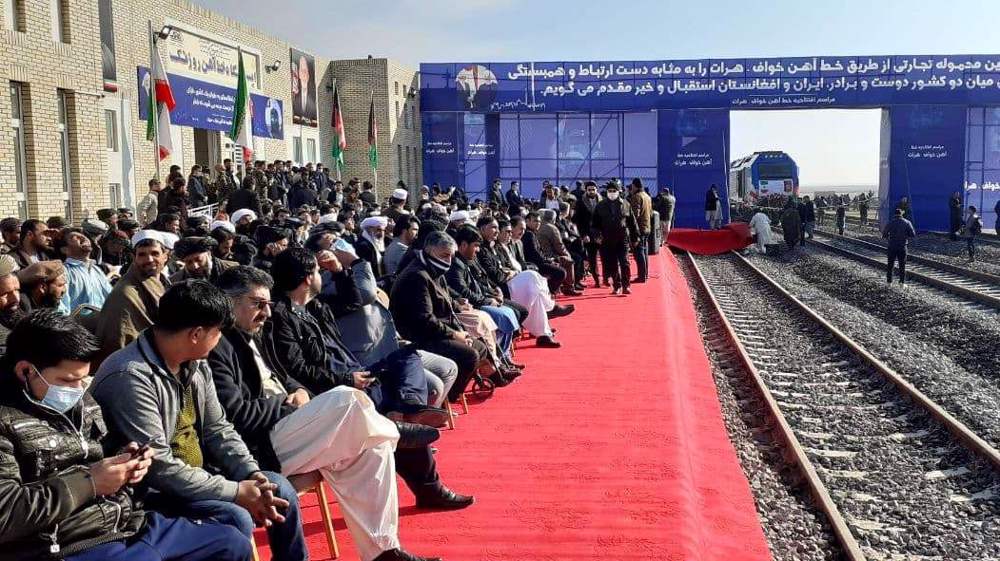
In December 2020, freight trains began running on the Khaf–Herat railway, a line that for Tehran represents more than a bilateral link with Afghanistan.
It is the western anchor of a larger plan to extend rail from eastern Iran across Afghanistan and ultimately into China through the narrow Wakhan corridor, and in doing so redraw Iran’s place in Eurasian transit.
For years, Iran has sat on the southern arm of East–West connectivity — the route that carries cargo from Central Asia into Iran and onward through Turkey to Europe.
The northern alignments, including conceptual links between China and Afghanistan through Wakhan, did not include Iran. Tehran’s current initiative seeks to connect those strands by pushing its rail network eastward across Afghan territory toward Xinjiang.
Railway diplomacy has become the operating phrase inside the Islamic Republic of Iran Railways. Its managing director has described completion of the Iran–Afghanistan rail connection as a core objective.
The numbers are cited as evidence of traction. In the first eight months of the previous year, around 15,000 tonnes of goods moved by rail from Iran to Afghanistan. In the first ten months of the current Persian year, that figure reached about 535,000 tonnes.
The immediate focus is finishing what has already started. Iran has declared readiness to invest $2.2 billion to complete the final phase of the Khaf–Herat line and extend it to Mazar-i-Sharif, the northern Afghan city that connects to Uzbekistan and other CIS countries.
Total Iranian investment in Afghan infrastructure projects is put at $6 billion so far. Officials say this could increase. Hassan Mirshafiei, special representative of Iran’s minister of roads and urban development for Afghan affairs, has said an Iranian investor is prepared to invest up to $12 billion following negotiations.
Tehran has outlined three rail corridors inside Afghanistan where it is ready to cooperate on investment. The Herat–Mazar-i-Sharif–Wakhan line sits at the center of this design.
Iranian railway officials describe it as a strategic project that would link China’s rail network to Iran through Afghanistan. The declared objective is connection to China via the Wakhan corridor, where Afghan territory meets Xinjiang.
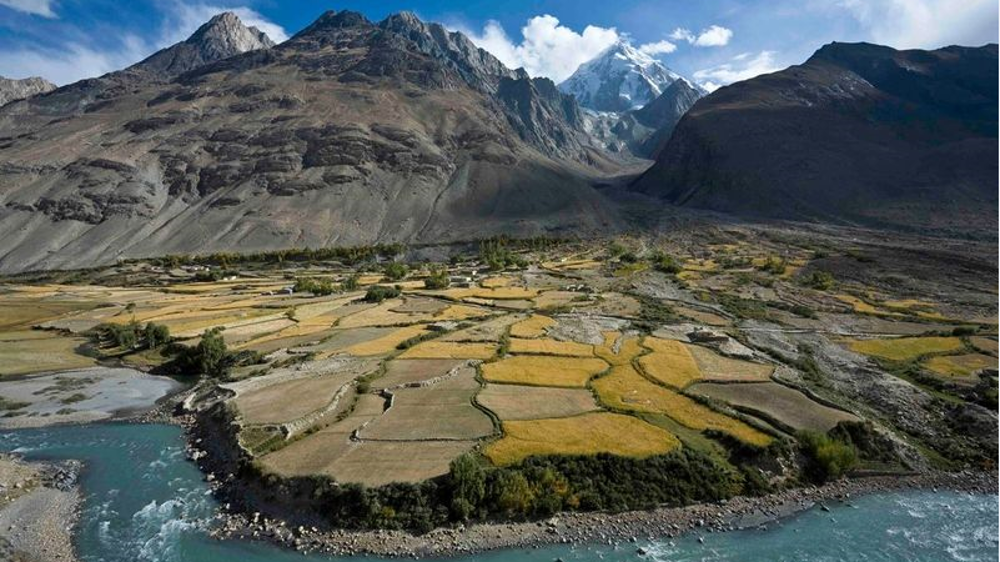
Wakhan is a strip of land about 350 kilometers long and between 20 and 60 kilometers wide, covering roughly 10,300 square kilometers in eastern Afghanistan’s Badakhshan province.
Tajikistan lies to its north. To the south are Pakistan’s Khyber Pakhtunkhwa and Gilgit-Baltistan. The terrain is rough, access limited, and the main passage runs through mountains in the eastern Pamirs that are close to impassable. Yet the corridor directly links Afghanistan to China’s Xinjiang region.
Iranian officials state that if political, security and infrastructure conditions are met, Wakhan can serve as a complementary link in international rail networks.
It is the shortest route connecting East Asia to Central Asia, Iran and, through southern Iranian ports, to open waters. The corridor strengthens Iran’s role as a transit intersection for both East–West and North–South flows.
Distance and mode are central to the pitch. A rail connection from China to Iran through Afghanistan could reduce transport distance for goods by up to 50 percent compared with existing options and allow direct train movement onward to Europe.
Unlike the so-called Middle Corridor that crosses the Caspian Sea, the Wakhan route would be entirely overland. Avoiding maritime transfer across the Caspian is an operational advantage over routes used by some CIS countries.
The argument is sharpened by geography. Afghanistan and the CIS states are landlocked. This is a transit bottleneck. A continuous rail line from China through Wakhan to Herat, onward to Iran and then to Turkey and Europe would alter that equation.
Traffic data signal momentum. Since the start of the current year, more than 63 trains have entered Iran from China en route to Iran and the European Union. In the previous year, just seven trains ran on that path.
Six-party memorandums of understanding have been signed to define common tariffs along the China–Europe route. Iranian officials forecast that, with agreements among six transit countries, annual train traffic along the southern east–west branch via Iran could reach 300.
The Wakhan Corridor, a narrow strip of land protruding out of Afghanistan like the handle of a cooking pot, exemplifies Afghanistan's strategic geopolitical position.
Historically, Wakhjir Pass at the end of the corridor has served as an important conduit on the Silk Road, facilitating trade between China on one end and ancient Rome on the other.
China’s engagement with Wakhan has evolved. In 2008, Afghanistan’s then president Hamid Karzai proposed to China’s Hu Jintao that a road be built through the corridor to strengthen security and trade.
Beijing showed little interest at the time, citing technical and weather challenges. In September 2022, China launched a train service from Kashgar in Xinjiang to Hairatan in Afghanistan’s Balkh province via Kazakhstan and Uzbekistan.
Iran and China already operate train services through Kazakhstan and Turkmenistan to Incheh Borun in north-eastern Iran. Tehran’s proposal would create a more direct line, bypassing the Central Asian arc and linking Iran to China across Afghan territory.
After the Taliban returned to power in August 2021, Chinese investment in Afghanistan increased, particularly in mineral extraction. In September 2023, the Taliban announced the reconstruction of a 50-kilometet road connecting Badakhshan to Xinjiang.
Taliban representatives in Beijing began discussions to initiate transit and trade along the route. In January 2024, they said the road was nearly complete and asphalt paving would start soon.
The Taliban have repeatedly asked Beijing for financial assistance to build roads and bridges along Wakhan, citing insufficient domestic funds.
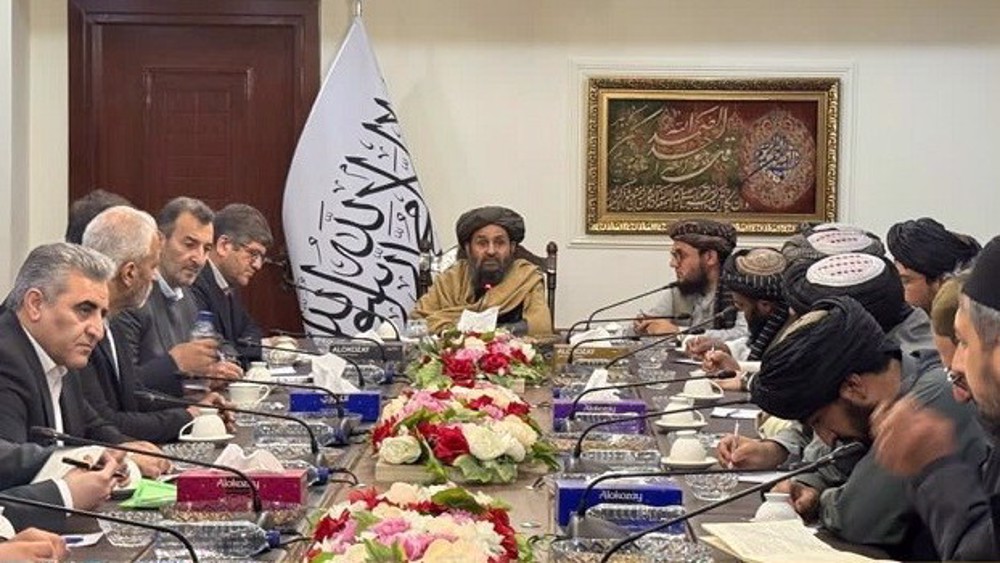
Iran has positioned its rail initiative alongside these developments. Meetings between Afghan and Iranian officials have included discussions on the economic importance of connecting Iran to China through Afghanistan and investment in the Herat–Mazar-i-Sharif–Wakhan line.
Tehran’s case rests on integrating pieces already in motion: the completed Khaf–Herat segment; the planned extension to Mazar-i-Sharif; declared multi-billion-dollar investment commitments; rising freight volumes between China and Iran; and tariff agreements among transit countries.
The missing link is the stretch through Wakhan. The connector would tie China’s rail network directly into Iran’s system and carry trains onward through Turkey to Europe, forming a continuous overland route cutting both distance and transit time and capturing a large share of Eurasian freight traffic.
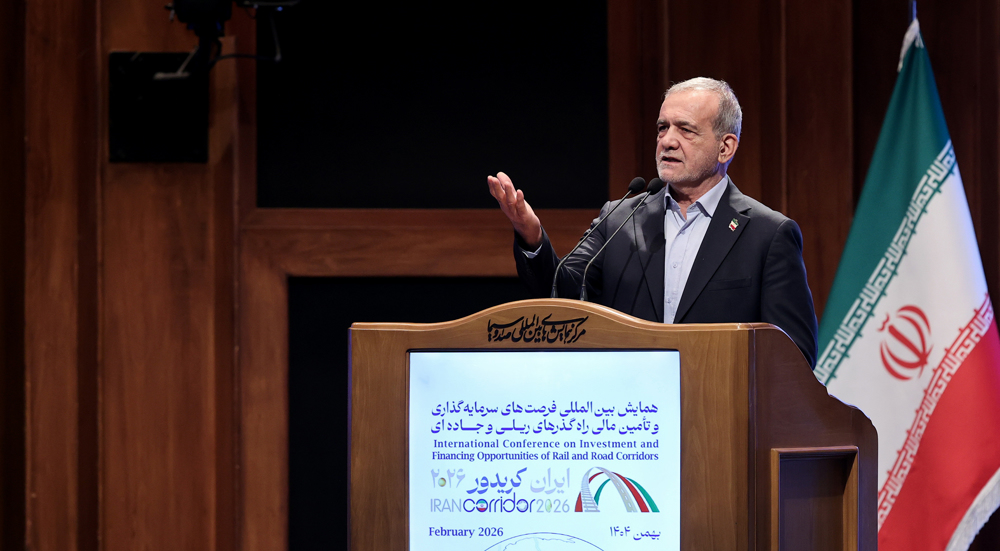
Iran president vows to fast-track corridor projects to ensure regional security
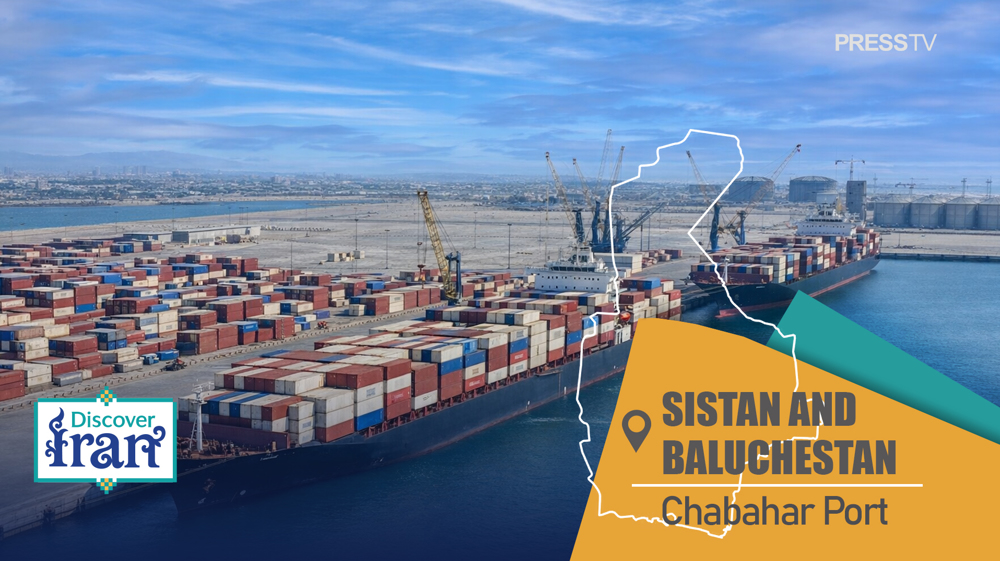
Discover Iran: Chabahar port, Iran’s oceanic gateway bridging continents and global commerce
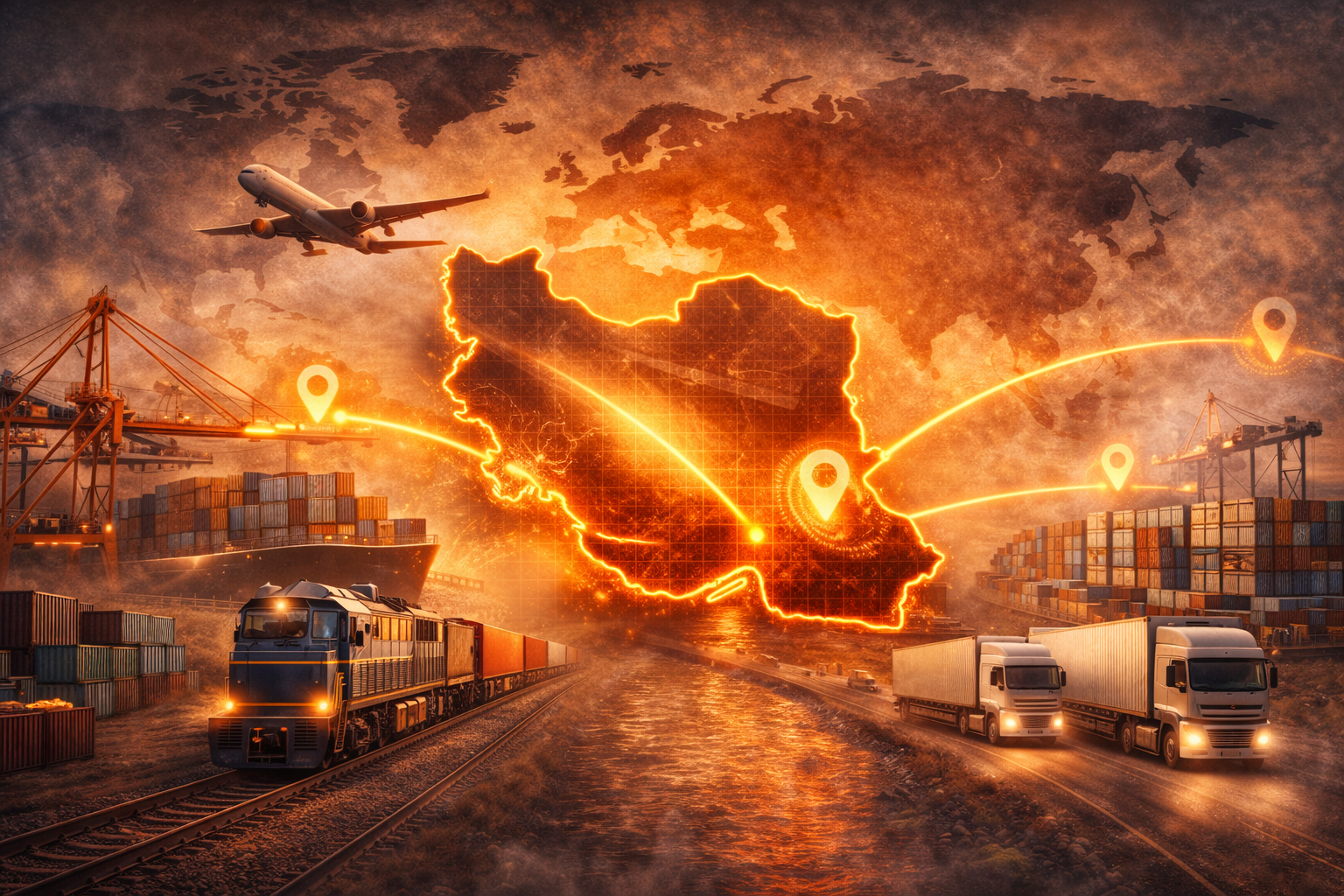
Iran emerges key link in China-Europe trade axis



China warns US against ‘plotting’ on Taiwan, says it risks confrontation
VIDEO | Zionist takeover of UK police
VIDEO | Trump-Netanyahu meeting
Iran’s shortest rail route between China and Europe
'Shameful': Hamas decries Western systemic campaign against UN expert Albanese
Ethics in suspension: Epsteinization of power in today’s post-shame politics
Trump knows he cannot use military force to press Iran into accepting Israeli demands: Mearsheimer
Iran president vows to fast-track corridor projects to ensure regional security


 PressTV NEWSLETTER
now
PressTV NEWSLETTER
now

 This makes it easy to access the Press TV website
