Iran, US hold talks on nuclear program, sanctions relief in Muscat
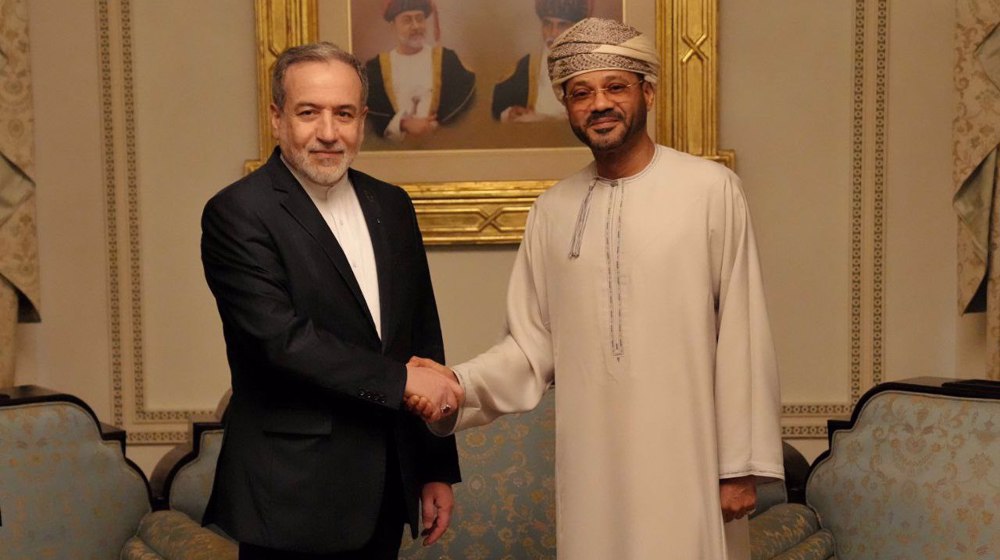
Iranian and US representatives are holding talks in Muscat, Oman on Iran’s peaceful nuclear program and the lifting of American sanctions on the Islamic Republic.
The first round was held early Friday and the second round was also underway, with the Omani Ministry of Foreign Affairs saying that the consultations focused on creating suitable conditions for the resumption of diplomatic and technical negotiations.
Iranian, US delegations to continue nuclear talks at 13:30 local time in Muscat
— Press TV 🔻 (@PressTV) February 6, 2026
Follow: https://t.co/mLGcUTSA3Q pic.twitter.com/Naq0HnUw18
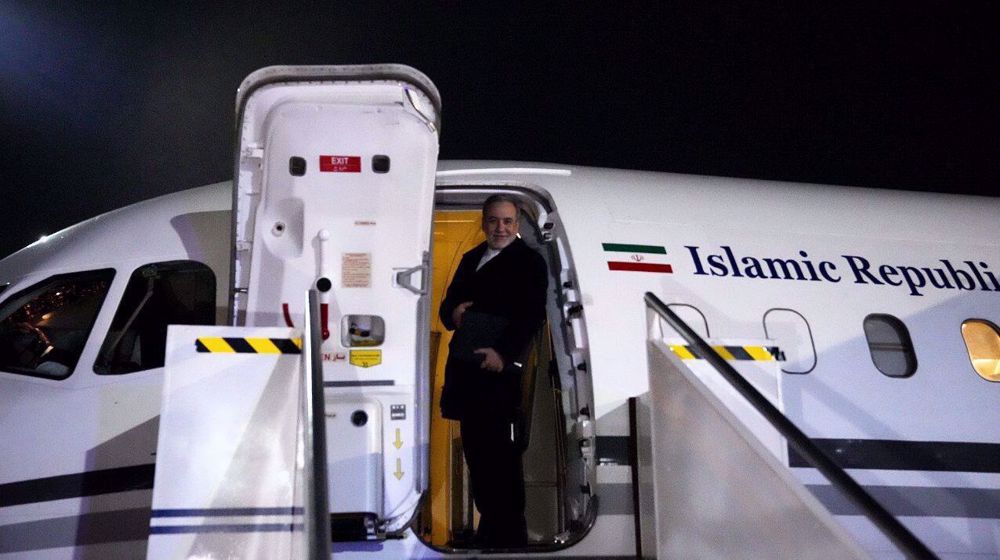
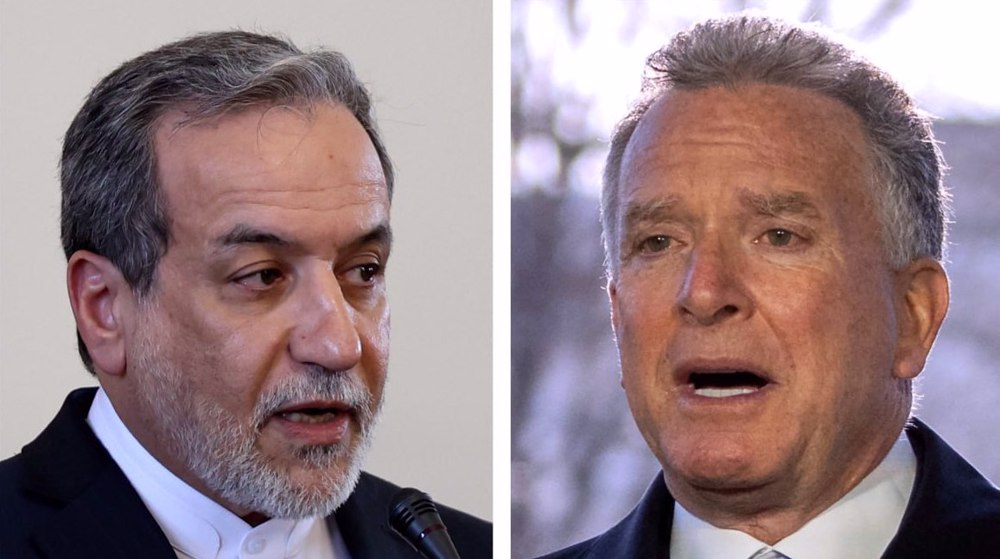
Foreign Minister Abbas Araghchi is leading the Iranian side. He is aided by Majid Takht-Ravanchi and Hamid Qanbari, as well as Foreign Ministry spokesman Esmaeil Baghaei.
US special envoy Steve Witkoff and President Donald Trump's son-in-law and adviser Jared Kushner lead the US delegation for the talks.
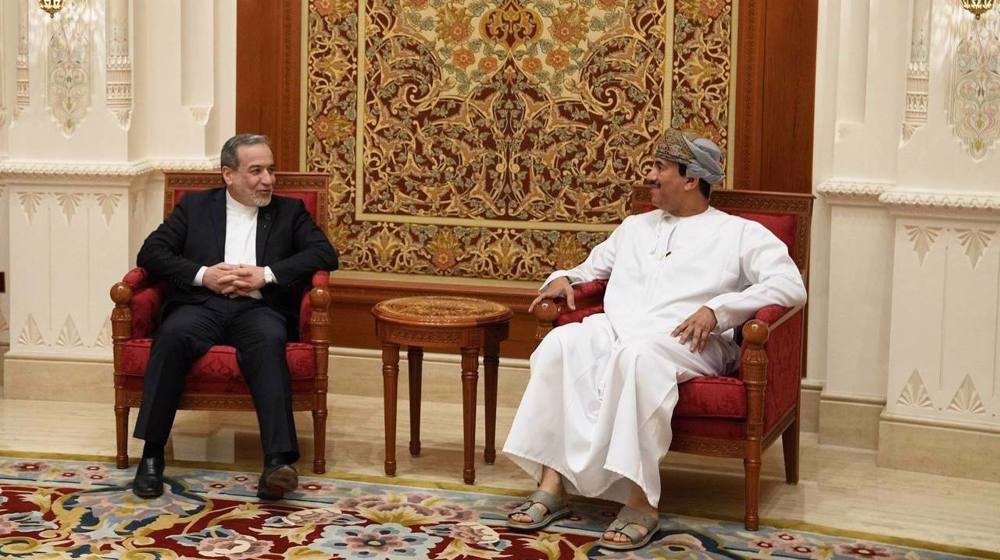
Omani Foreign Minister Sayyid Badr Albusaidi is shuttling between the sides, with the talks being held indirectly as before.
According to an Oman Foreign Ministry statement, Albusaidi held separate consultations Friday morning with the Iranian and American delegations.
"These consultations focused on creating appropriate conditions for the resumption of diplomatic and technical negotiations, while also underscoring their importance in light of the parties’ commitment to the success of these talks in advancing sustainable security and stability," the statement said.
In his talks with Albusaidi, Araghchi touched on Iran’s approach of utilizing diplomacy to safeguard Iran’s national interests, stressing the country's full readiness to defend its sovereignty and national security against any form of excess or adventurism.
The Omani foreign minister commended Iran's goodwill, sense of responsibility, and seriousness toward diplomatic processes, noting the determination of all countries in the region to prevent any escalation of tensions.
He expressed hope that this round of negotiations, through the goodwill and timely engagement of all parties, would pave the way for a lasting understanding between Iran and the United States.
Iran’s FM met his Omani counterpart, praising the Arab country’s support and emphasizing diplomacy and readiness to defend sovereignty.
— Press TV 🔻 (@PressTV) February 6, 2026
The Omani FM welcomed Iran’s seriousness and hoped the talks would yield a lasting understanding between the US and Iran. pic.twitter.com/HUygMuE81a
Iran’s main demand in the Muscat talks is the effective and verifiable lifting of economic and financial sanctions, Iranian officials say. Tehran has repeatedly stressed that any agreement lacking tangible economic benefits would be of no practical value, making the timing and outcome of the negotiations especially important for Iran.
On the nuclear front, Iran insists on its legal right to enrich uranium on its own soil, describing the issue as a red line in the talks. From Tehran’s perspective, any potential technical measures can only be considered within a framework that recognizes this right, and any preconditions beyond it would be seen as a sign of bad faith by the other side.
Another key priority for Iran is keeping the scope of the negotiations limited to the nuclear issue. Iranian officials have said at various times that missile or regional matters have no place in these talks, warning that introducing such issues could undermine the diplomatic process. Tehran maintains that regional issues should be addressed by countries in the region themselves, without interference from external actors.
Earlier, Baghaei wrote in a post on X that the diplomatic engagement is being conducted “with strength and with the objective of achieving a fair, mutually satisfactory and dignified agreement.”
FM Araghchi says Iran stands firm on its rights as Tehran and Washington are set to hold nuclear talks in Muscat shortly.
— Press TV 🔻 (@PressTV) February 6, 2026
Follow: https://t.co/mLGcUTSA3Q pic.twitter.com/hclpiVODhk
The talks are taking place amid heightened tensions in West Asia, as a US military build-up and threats against Iran have raised concerns about regional security.
According to Iranian media reports, the negotiations are focused exclusively on Iran’s peaceful nuclear energy program and the lifting of sanctions. Issues such as Iran’s missile capabilities are not part of the agenda, as Tehran has repeatedly rejected them as illegitimate conditions.
Iranian officials have stressed that meaningful progress requires an atmosphere free from threats and illogical demands. Previous US calls for a complete halt to uranium enrichment and restrictions on Iran’s missile program were firmly rejected by Tehran.
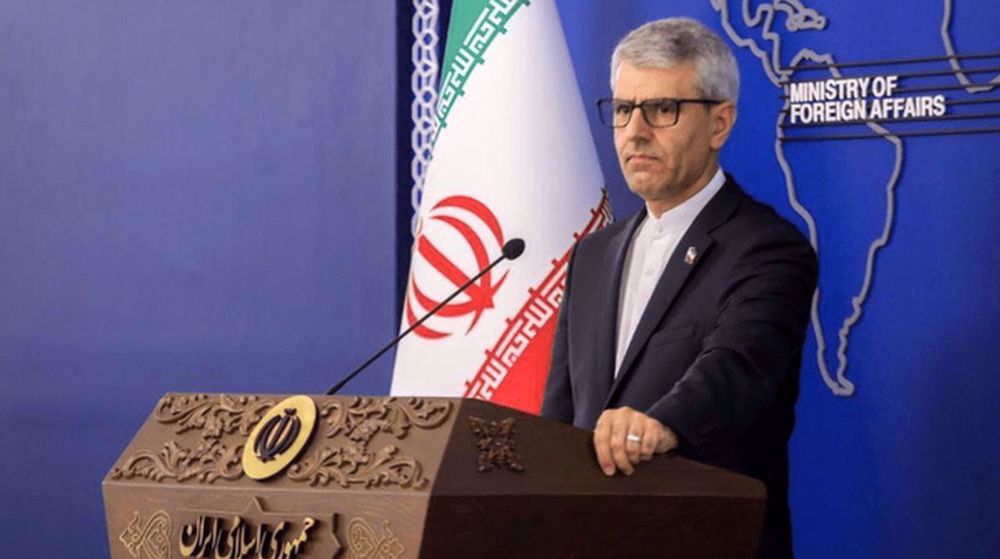
Iran says US must avoid using 2026 FIFA World Cup to settle grudges
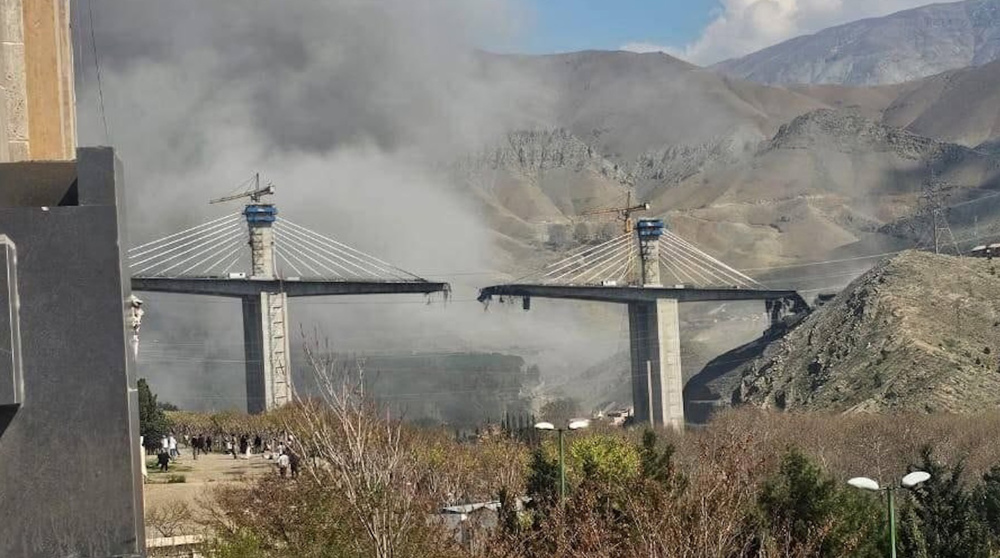
Pezeshkian: Trump’s threat to strike Iran’s infrastructure shows ‘desperation, not strength’
Iran vows to protect its rights in response to ‘flawed’ IAEA resolution



VIDEO | Israeli forces intensify military raids in Jenin area
VIDEO | IAEA Board of Governors passes anti-Iranian resolution
VIDEO | Israeli settlers attack Christian village of Taybeh in occupied West Bank
VIDEO | Gazans grappling with economic problems caused by Israeli war
'Unshakeable and steadfast Iranians' have no fear of ‘corrupt’ Trump: Judiciary chief
VIDEO | Iran holds second honorary medal event at leader's martyrdom site
Economic fallout from war on Iran angering US public, Republican senators warn
Yemen: Recurrent US aggression against Iran threatens international security


 PressTV NEWSLETTER
now
PressTV NEWSLETTER
now
 This makes it easy to access the Press TV website
