'Slow execution': Palestinian abductee dies a week after release from Israeli jails

Palestinian abductee and educator, Khaled al-Saifi, from Dheisheh refugee camp in Bethlehem, died just one week after his release from Israeli occupation prisons.
The Commission of Detainees Affairs and the Palestinian Prisoners Society said in a joint Monday statement that al-Saifi’s health was critical upon his release, following a four-month arbitrary administrative detention.
They reported that prison authorities gave him an injection they said was for influenza, which caused severe inflammation, followed by another injection that led to his transfer to the Ramleh Prison Clinic.
The two organizations stated that his case reflects Israel’s policy of “slow execution” against prisoners, emphasizing that he was released only after authorities became certain his condition was extremely serious.
They noted that al-Saifi — founder and director of the Ibda’a Cultural Center and a leading cultural, social, and political figure in Dheisheh camp — was consistently targeted by the occupation.
Despite his old age and declining health, he was placed in administrative detention twice since the start of the war on Gaza without charge or trial, demonstrating Israel’s intent to physically eliminate him, according to the prisoners' groups.
The statement added that Al-Saifi had been repeatedly abducted since the 1980s and was one of thousands of former abductees who spent years imprisoned under the administrative detention system, which has expanded dramatically since the beginning of the war.
Currently, Israel holds more than 3,380 administrative abductees without charge or trial, including women and children, with the backing of military courts.
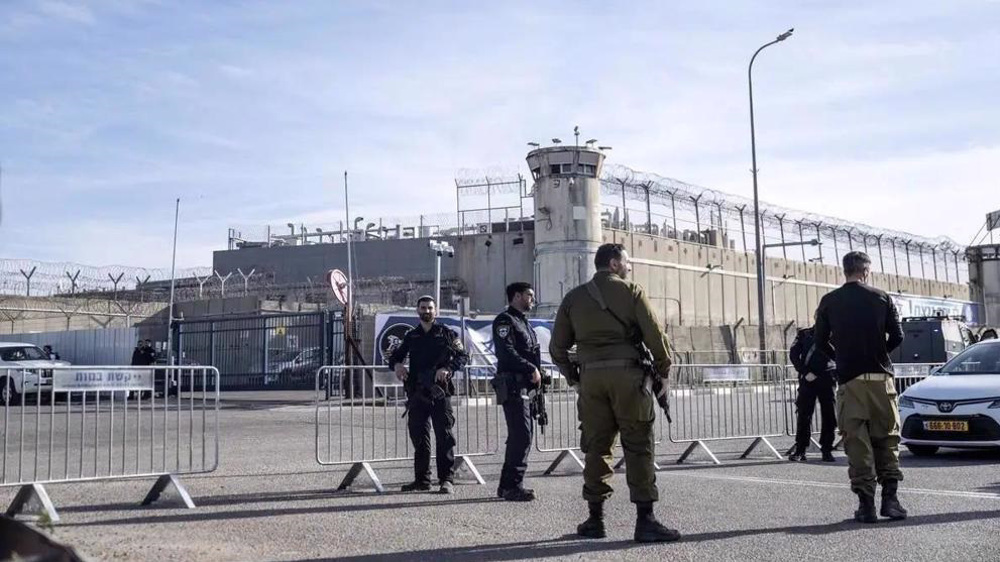
The institutions stressed that suffering does not end with release, as many former abductees experience serious physical and psychological harm, require complex medical procedures, and live with long-term illnesses and trauma resulting from torture and abuse.
They held the Israeli regime fully responsible for al-Saifi’s death, stating that it was carried out deliberately. They also noted that more than 100 abductees have died since the start of the genocide—87 of whom have been identified—while dozens remain forcibly disappeared, amid ongoing policies and laws that they say encourage the execution of abductees.
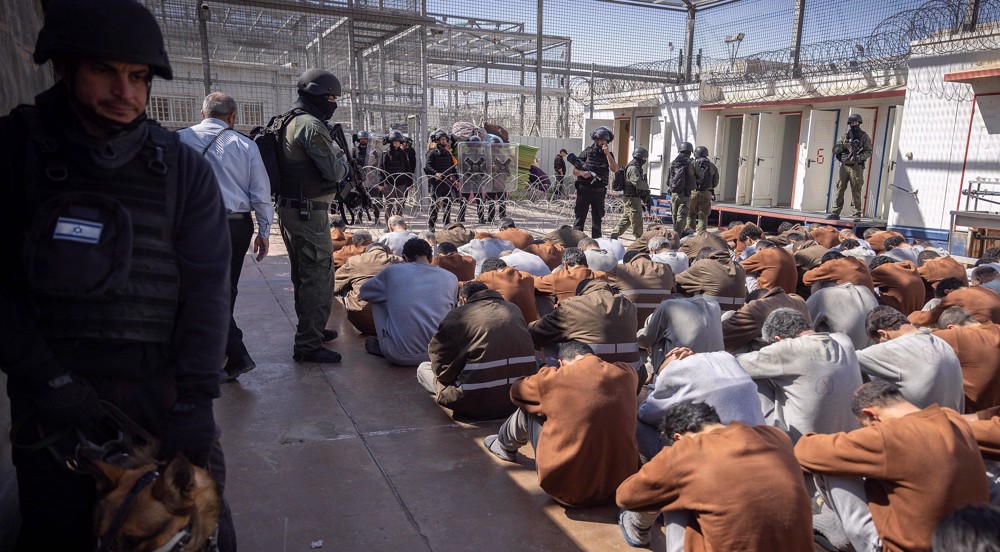
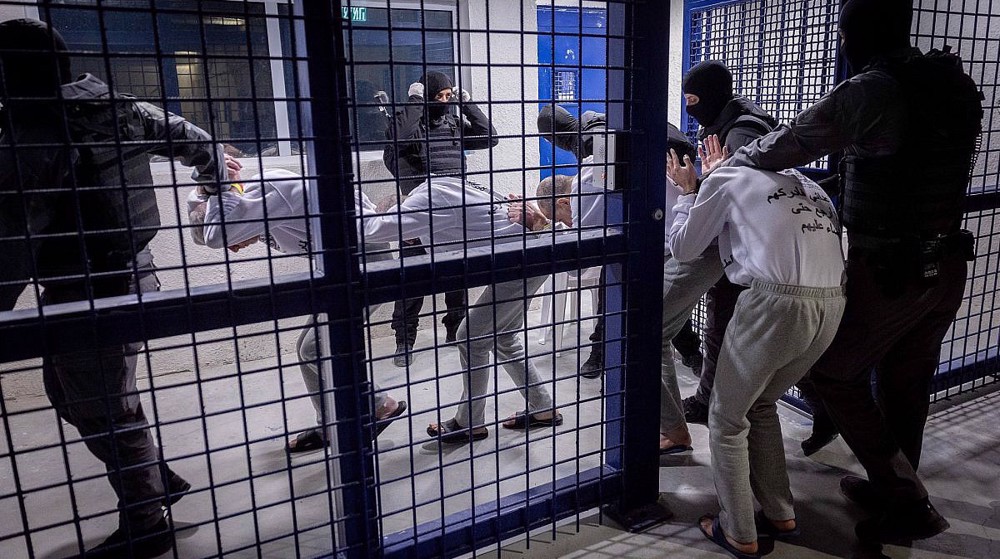
The conditions under which Palestinian inmates are being held by Israel are deeply concerning, marked by poor hygiene practices. Additionally, these detainees continue to face ongoing torture, mistreatment, and systemic oppression.
Palestinian prisoners have repeatedly engaged in prolonged hunger strikes as a form of protest against their perceived unjust detention.
Human rights organizations report that Israel persists in breaching the rights and freedoms guaranteed to detainees under the Fourth Geneva Convention and international law.
Ansarullah hails martyr Mohammed al-Deif, vows to continue Al-Aqsa Flood battle
Israeli settlement expansion plot 'dangerous and criminal' step toward annexation: Hamas
Israel finalizes $2.3bn deal to expand West Bank settlements by 12,000 units



US renewed attacks on Iran after being shaken by mass funeral for martyred Leader: Analyst
Israel’s Rafael Arms engineer injured in Iranian missile strike dies of wounds
Iranian Army backs IRGC, slams UK Parliament's banning of elite force
Iran Army vows ‘decisive response’ to US ‘cowardly attack’ on sleeping quarters
VIDEO | US assault to have fallout for geopolitical order of West Asia: Analyst
VIDEO | US must comply with Islamabad MoU, resume talks: Analyst
Deepening German economic crisis hits VW
Iran details satellite constellation, radar satellite plans through 2026




 PressTV NEWSLETTER
now
PressTV NEWSLETTER
now
 This makes it easy to access the Press TV website
