Iran to unveil new homegrown satellite, space center on Space Technology Day
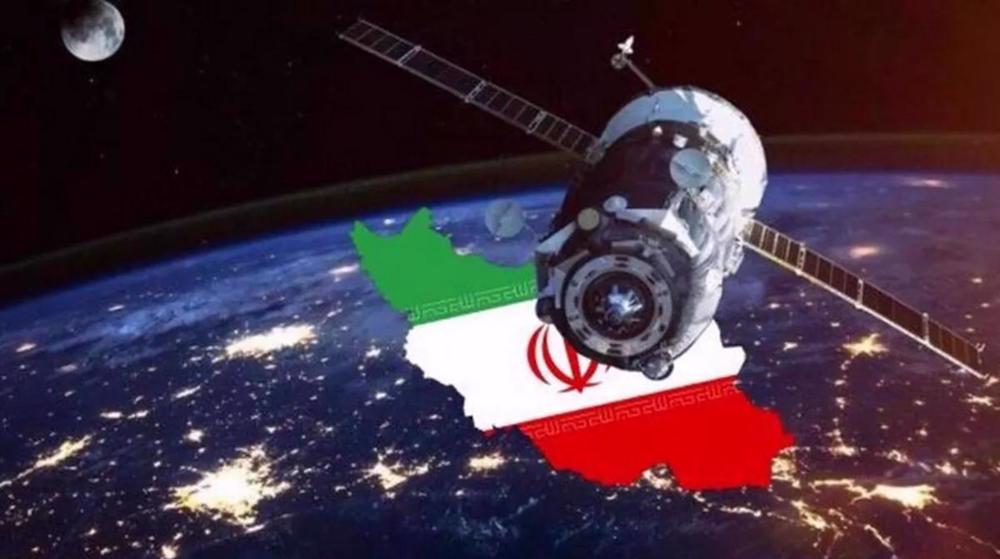
Iran is going to put on display its latest achievements in the area of space technology, and unveil a domestically developed satellite, the first images captured by its recently launched Paya satellite, as well as a new space facility, on the occasion of its National Space Technology Day.
Head of the Iranian Space Agency (ISA), Hassan Salariyeh, said on Sunday that plans are underway to launch more satellites into space and inaugurate new space projects before the end of the current Iranian calendar year, which concludes on March 20.
He said the main prototype of the first satellite system project, named after top anti-terror commander Lieutenant General Qassem Soleimani, will be unveiled for the first time on the National Space Technology Day, adding that Iran is also seeking to conduct satellite launches using domestic launch vehicles, including from the Chabahar space facility.
According to the ISA, the Martyr Soleimani satellite constellation will be placed in a low Earth orbit (LEO). The project has been hailed as the first of its kind in Iran and even the Muslim world.
The system has been developed entirely by Iranian specialists and is currently under construction. It will provide excellent services to state institutions, private companies, and ordinary people.
Salariyeh highlighted that launching satellites requires thorough technical groundwork. This includes tests to ensure compatibility between the satellite and the launch vehicle, procedures for delivery, and comprehensive assessments before the launch, he said.

The senior Iranian space official further said that although these processes take a considerable amount of time, they are crucial.
He emphasized that every technical step needs to be executed accurately to guarantee a safe and trustworthy launch.
The ISA chief noted that work is underway to prepare for launches from the Chabahar space facility, and the first launch will occur once the satellite and launch vehicle are completely prepared.
Salariyeh indicated that it is common in the space sector not to reveal launch dates beforehand, as the practice is rooted in the necessity for thorough testing and rigorous quality assurance, both of which help prevent hasty procedures and contribute to the success of missions.
Iran first entered the global space arena in February 2009, when it launched its first domestically produced satellite, Omid (Hope), aboard a Safir rocket. Designed for research and telecommunications, Omid marked the country’s initial step in satellite data processing.
Since then, Iran has made significant advances and managed to take giant strides in its civilian space program, successfully launching several more satellites despite sanctions imposed by Western countries in recent years.
The country is among the world’s top 10 countries capable of developing and launching satellites.
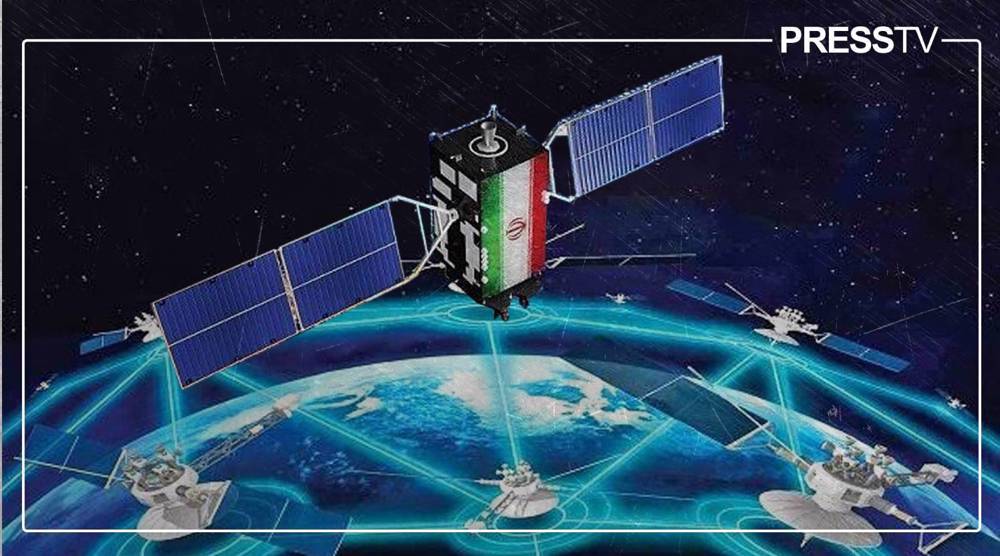
Iran's orbital game-changer: Martyr Soleimani constellation marks new era of indigenous space power
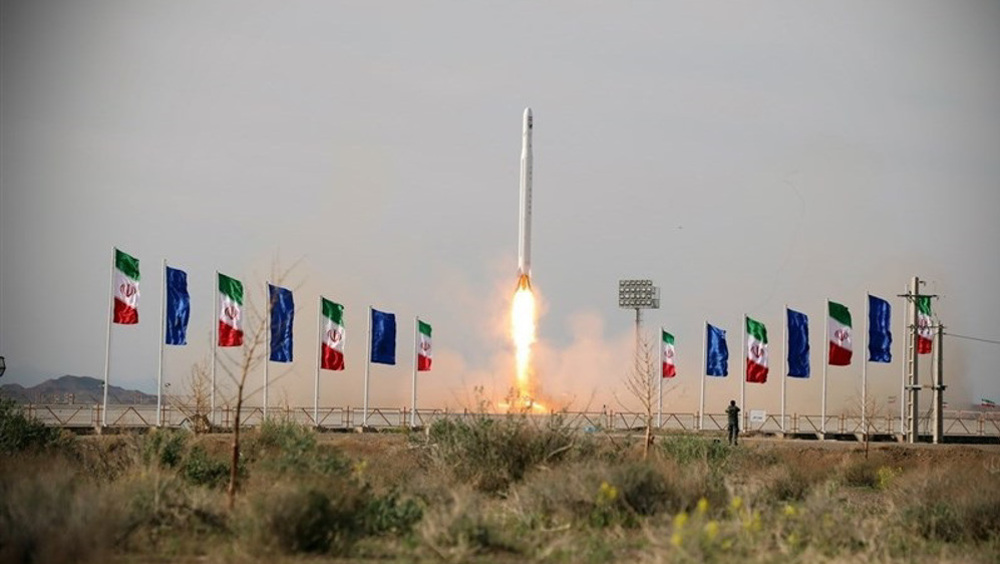
Iran’s space program pressing forward with renewed momentum: Minister

Tederox and Padynex: Iran’s entry into elite club of antibody-drug conjugate manufacturing



Israel using sexual violence as weapon against Palestinians: Report
Israeli military chief claims commitment to Lebanon deal even as strikes continue
Israeli attacks kill three Palestinians across Gaza
Aramco helicopter crash kills 14 Saudi nationals: Report
Hezbollah vows continued resistance after ‘shameful’ Lebanon-Israel agreement
‘West Bank under siege’ due to simultaneous Israeli raids and settler attacks
Iran seriously pursuing halt to Israeli war on Lebanon: Qalibaf
Power, resistance defeated US plots against Iran: Senior MP


 PressTV NEWSLETTER
now
PressTV NEWSLETTER
now
 This makes it easy to access the Press TV website
