Iraq presidential vote delayed amid Kurdish dispute over candidate
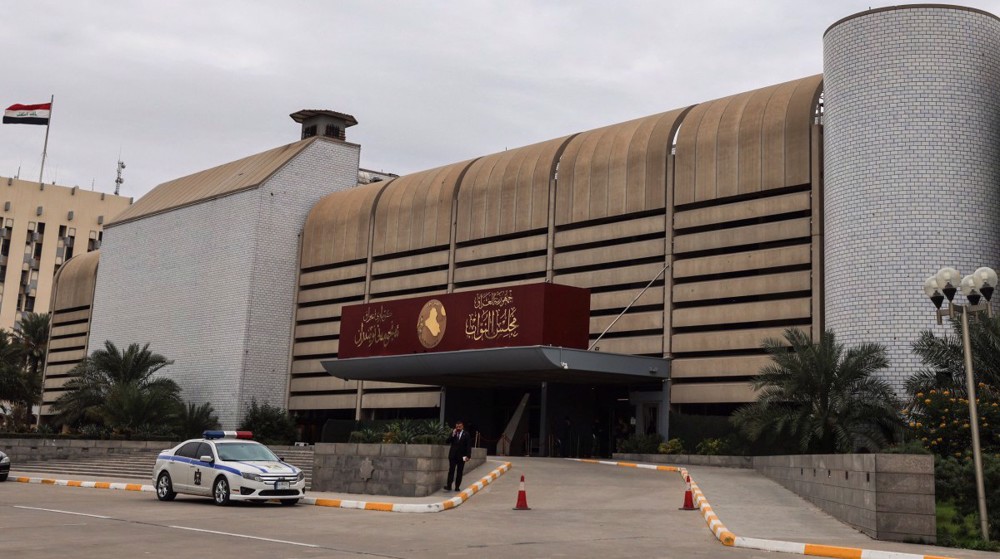
Iraq’s parliament has postponed a scheduled vote to elect the next president, as the two main Kurdish parties failed to agree on a nominee, highlighting broader political tensions ahead of the formation of a new government.
The Iraqi News Agency (INA) reported that the parliamentary session planned for Tuesday was delayed at the request of the Kurdistan Democratic Party (KDP) and the Patriotic Union of Kurdistan (PUK), who said they needed more time for consultations.
Under Iraq’s sectarian power-sharing system, the post of prime minister is reserved for a Shia Arab, the speaker of parliament for a Sunni Arab, and the largely ceremonial presidency for a Kurd. Traditionally, the presidency has gone to a PUK nominee, while the KDP has held the presidency of the semi-autonomous Kurdistan Regional Government.
This convention has been challenged in the current political cycle, after the KDP announced its own candidate for the presidency, Foreign Minister Fuad Hussein, breaking with past arrangements and complicating negotiations between the Kurdish blocs.
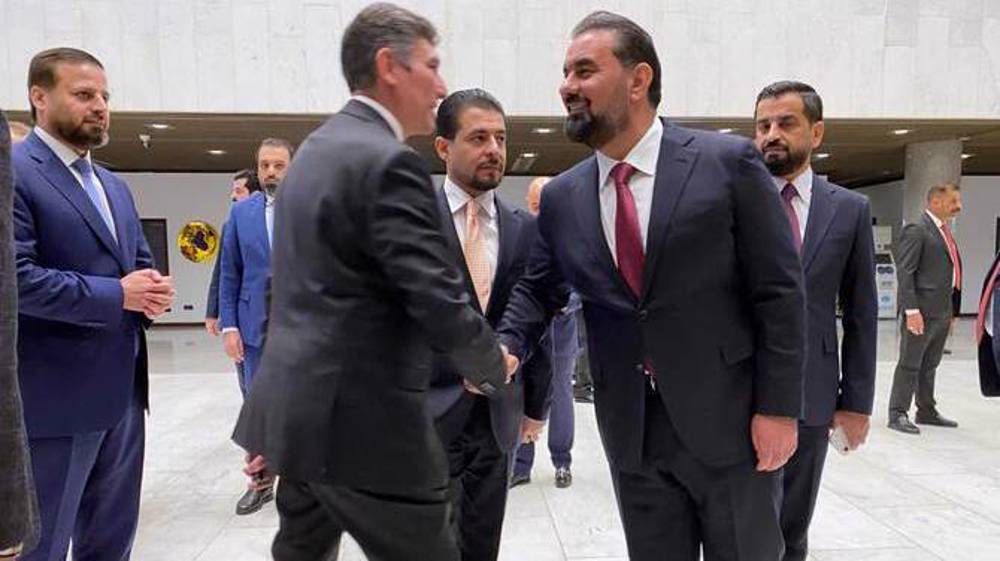
Even after the Kurdish parties settle on a nominee, the candidate must still secure backing from the dominant Shia and Sunni blocs in parliament to win the presidency.
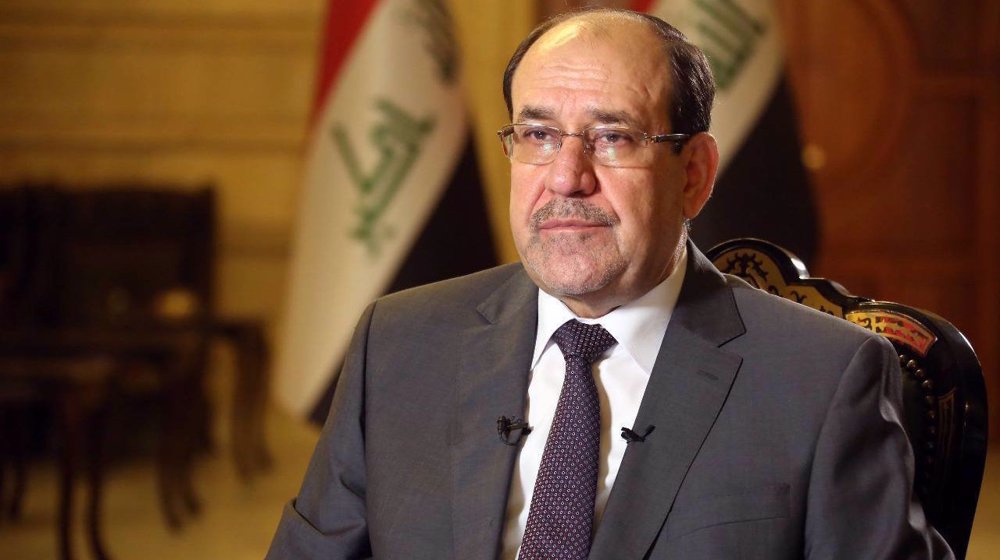
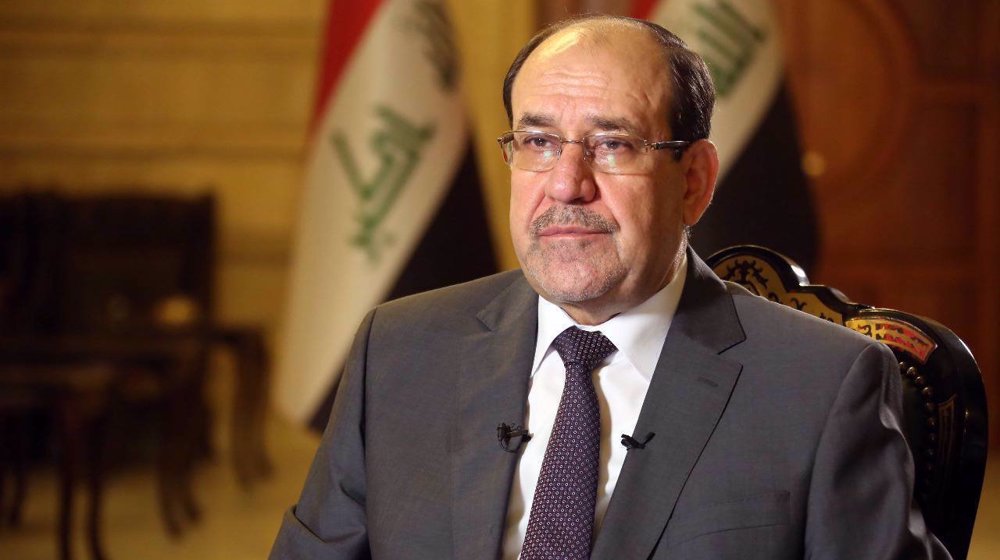
Once elected, the new president will have 15 days to appoint a prime minister. Former prime minister Nouri al-Maliki is widely expected to be chosen for the post. Maliki, 75, served two terms as prime minister between 2006 and 2014. He currently heads the Islamic Dawa Party political movement and is widely regarded as being close to Iran.
On January 24, Iraq’s Coordination Framework, the Arab country’s largest parliamentary bloc, announced that it had nominated Maliki for the post of prime minister.
The United States has reportedly threatened Iraqi officials that it could impose financial sanctions targeting the Iraqi state, including potentially restricting its access to vital oil revenues, if certain political factions linked to Iran were included in the next government.
An Iraqi source close to the Coordination Framework told AFP that Washington had conveyed its “negative view of previous governments led by former Prime Minister Maliki.”
According to the source, US representatives stressed in a letter that while the choice of prime minister is a sovereign Iraqi decision, the United States would make its own policy decisions regarding the next government based on American interests.
Another Iraqi source confirmed the letter, adding that the Shia alliance had proceeded with its endorsement, confident that Maliki could address US concerns.
Washington has previously restricted the flow of US dollars to Iraqi banks, contributing to higher import prices for Iraqi consumers and complicating Baghdad’s ability to pay for Iranian natural gas imports.
However, the latest warning marks the first time the US has explicitly threatened to cut off the Central Bank of Iraq’s access to oil revenues held at the New York Fed. Iraq has been required to deposit all proceeds from oil sales into an account at the Federal Reserve since the US-led invasion in 2003.
Oil revenues account for approximately 90 percent of Iraq’s national budget, giving Washington significant leverage over Baghdad.
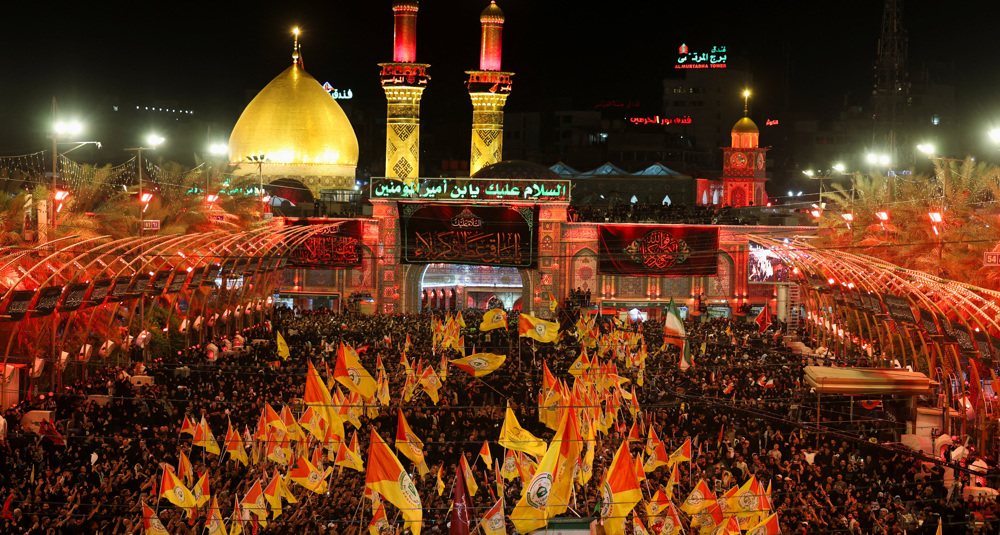
Iraq's Islamic Resistance hails ‘epic' of Imam Khamenei funeral
Pezeshkian thanks Iraq, says Iran will never forget historic funeral
Iraq: 10 million attended martyred Leader's funeral in Najaf, Karbala


Iranian Armed Forces’ sacrifices forced enemy retreat: Top judge
How Imam Khamenei’s visionary leadership transformed Iran into global construction powerhouse
Iran: Production of drones tripled during US-Israeli war of aggression
VIDEO | 'Ukraine and its Western backers are losing the war': Researcher
Iran issues over 300 indictments against individuals linked to hostile media networks
Silent referendum: Martyr Leader’s historic funeral shatters Western narratives of Islamic Republic
Two Basij volunteer forces martyred in attack during patrol for Leader's funeral in Mashhad
Iran to press ahead with Hormuz administration plans despite US threats, ‘crude’ media lies: Source


 PressTV NEWSLETTER
now
PressTV NEWSLETTER
now
 This makes it easy to access the Press TV website
