Discover Iran: Mangrove forests of Hormozgan, a living ecosystem between land and sea
By Maryam Qarehgozlou
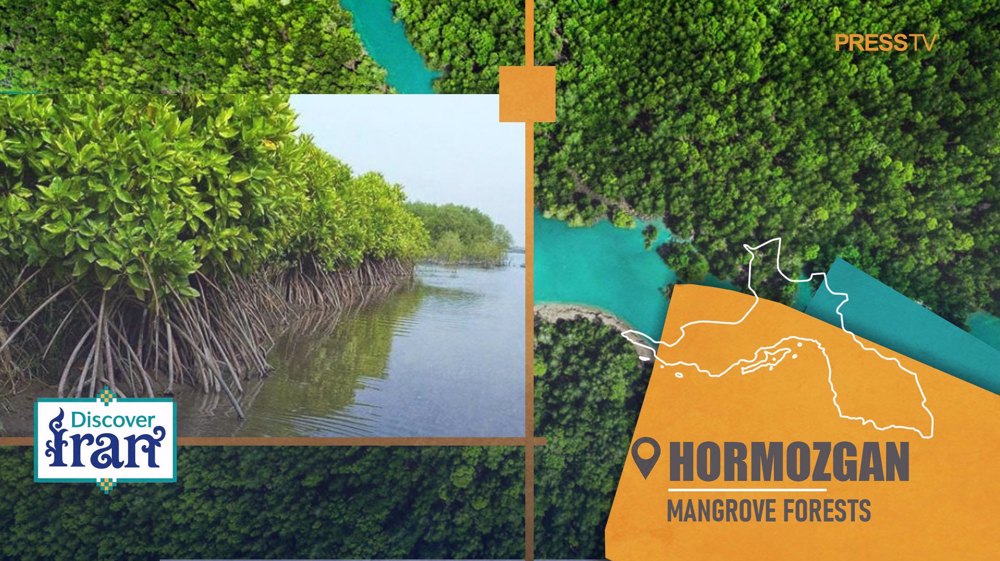
The mangrove forests of Hormozgan province – known locally in Iran as Hara forests – are among the country’s most valuable and distinctive natural ecosystems.
The largest and most continuous mangrove area is located between Qeshm Island and the mainland coast, extending into tidal creeks, shallow bays, and estuaries influenced by daily tidal fluctuations.
Smaller mangrove stands are also found near Khamir Port, Tiab estuary, Laft, and parts of the Minab delta in the coastal province.
Together, these forests cover an estimated 20,000 to 25,000 hectares, making Hormozgan home to the largest mangrove ecosystem in Iran.
Their distribution is closely tied to calm waters, low wave energy, fine sediments, and regular tidal exchange – conditions essential for mangrove survival.
More than a scenic landscape, the mangroves play a critical role in ecological balance, biodiversity conservation, local livelihoods, and the future of sustainable eco-tourism in southern Iran.
A remarkable ecosystem
The mangrove forests of Hormozgan are dominated almost exclusively by Avicennia marina (grey mangrove), the only mangrove species naturally occurring in Iran.
This species is highly tolerant of high salinity, extreme heat, and oxygen-poor soils, conditions typical of the Persian Gulf.
Avicennia marina forms dense stands with interlocking root systems that stabilize coastal sediments.
The trees typically reach 3 to 6 meters in height, though older individuals in protected areas may grow taller.
Their specialized aerial roots (pneumatophores) protrude above the mud surface, allowing gas exchange during low tide.
Understory vegetation is limited due to frequent inundation and salinity, but the forest floor is rich in microorganisms, algae, and detritus, which form the base of the mangrove food web.
A sanctuary for wildlife and marine life
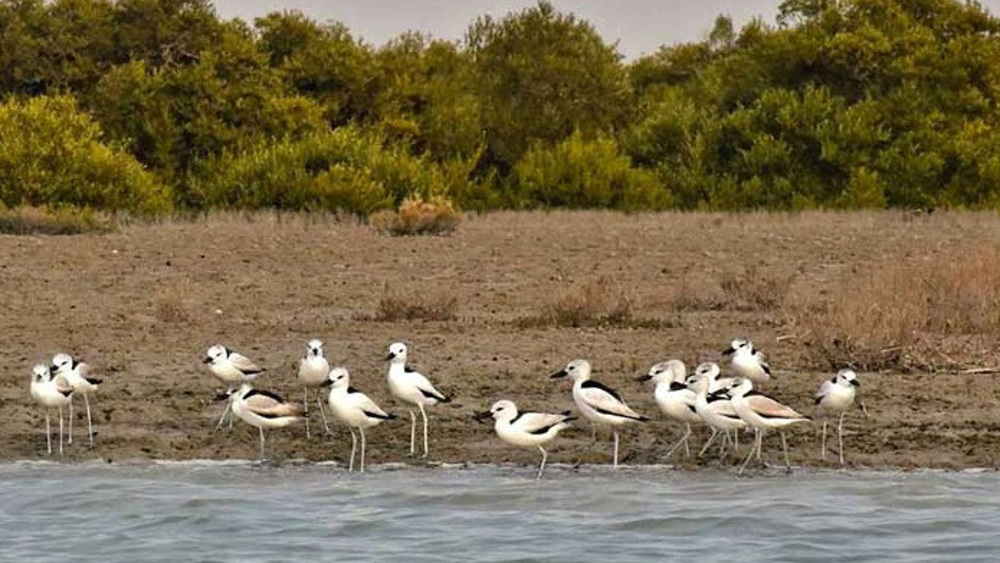
Hara forests support a wide range of animal life, particularly species adapted to coastal and intertidal environments.
The submerged roots provide shelter and breeding grounds for fish, shrimp, crabs, mollusks, and juvenile marine species.
Many commercially important fish species spend part of their life cycle in mangrove habitats, making these forests critical for sustaining local fisheries.
Hormozgan’s mangroves are also among the most important coastal bird habitats in southern Iran.
They host both resident and migratory birds, including flamingos, herons, egrets, spoonbills, pelicans, terns, and shorebirds.
During migration seasons, the forests serve as feeding and resting sites along major migratory routes between Africa, Central Asia, and South Asia.
Reptiles, small mammals, insects, and numerous invertebrates inhabit mangrove areas, contributing to high biodiversity relative to the surrounding arid landscape.
Ecological and environmental functions
Mangrove forests perform several critical ecological functions that directly affect coastal stability and environmental quality.
Dense root networks reduce wave energy, limit shoreline erosion, and protect coastal settlements from storm surges.
Mangroves capture fine sediments carried by tides, helping build and stabilize coastlines.
By filtering pollutants and excess nutrients, mangroves improve coastal water conditions and reduce marine contamination.
Mangrove ecosystems store large amounts of carbon in both their biomass and underlying sediments, contributing to long-term carbon sequestration.
These functions are particularly important in Hormozgan, where arid conditions and fragile coastlines make natural protection systems essential.
Economic importance and local livelihoods
The economic value of Hormozgan’s mangrove forests is closely linked to fisheries, coastal protection, and eco-tourism.
Local fishing communities depend on mangrove-supported fish and crustacean populations for income and food security.
Healthy mangroves increase fish stocks offshore, benefiting both small-scale and commercial fisheries.
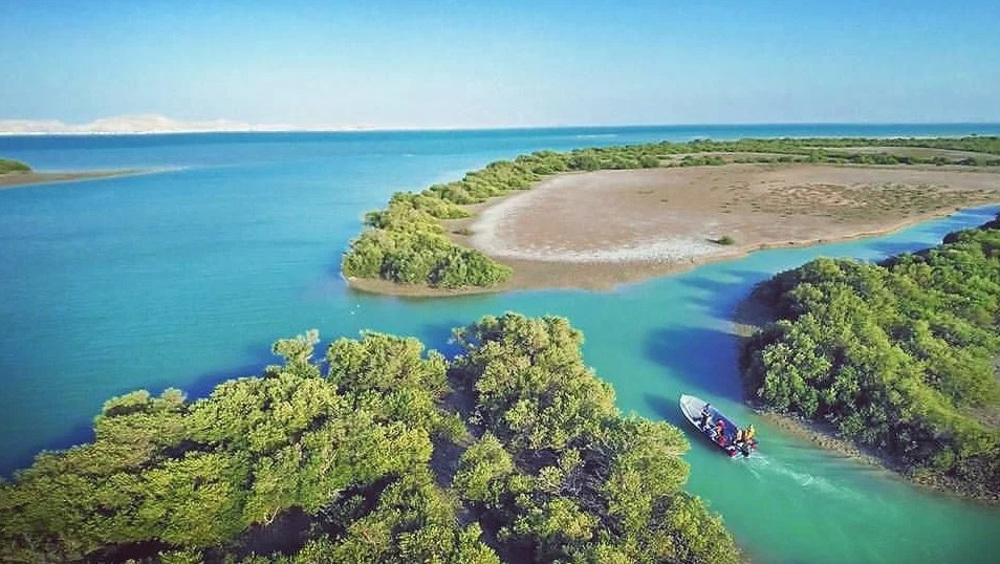
Eco-tourism has become an additional source of income in areas such as Qeshm Island. Activities include boat tours, birdwatching, environmental education, and nature photography.
When managed responsibly, these activities create employment opportunities while encouraging conservation.
UNESCO recognition and global significance
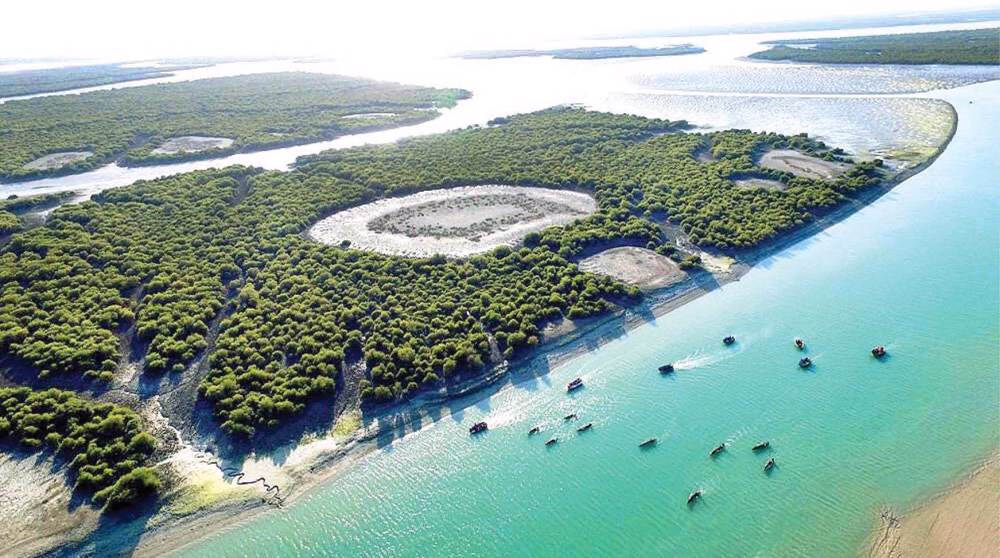
Due to their exceptional ecological value, the mangrove forests of Hormozgan have been designated as part of a UNESCO Biosphere Reserve under the Man and the Biosphere (MAB) Programme.
This international recognition underscores the global importance of the Hara forests and highlights the need for long-term conservation, scientific research, and sustainable use.
For Hormozgan, this designation provides opportunities for international collaboration, environmental education, and responsible tourism development.
The mangrove forests of Hormozgan are not only a rare ecological system in Iran but also a vital component of the region’s environmental and economic stability.
They support biodiversity, sustain fisheries, protect coastlines, and provide measurable ecosystem services in an otherwise harsh coastal environment.
Preserving these forests is not a symbolic environmental goal; it is a practical necessity for the long-term resilience of southern Iran’s coastal regions.

Iran FM spox praises national football team for defying pressures at World Cup
Mission unaccomplished – Part V: US war goal of Iran’s 'zero enrichment' produces zero results
Hezbollah vows continued resistance after ‘shameful’ Lebanon-Israel agreement



Young Republicans sour on Israel after Gaza, Iran wars: Report
Hezbollah reaffirms right to defend Lebanon amid continuous Israeli violations of truce
Contrary to enemy propaganda, Iran’s defense sector continues to make progress: Top general
Taremi tops aerial duels, Beiranvand among leading goalkeepers after World Cup group stage
Trump sons stand to profit from US-Kazakhstan mining deal: US media
Iran FM holds high-level talks in Baghdad, urges collective regional security
VIDEO | Photo exhibition opens in Tehran to mark anniversary of Sardasht attack
Iran marks 39th anniversary of Sardasht chemical massacre, demands accountability from Western enabl


 PressTV NEWSLETTER
now
PressTV NEWSLETTER
now
 This makes it easy to access the Press TV website
