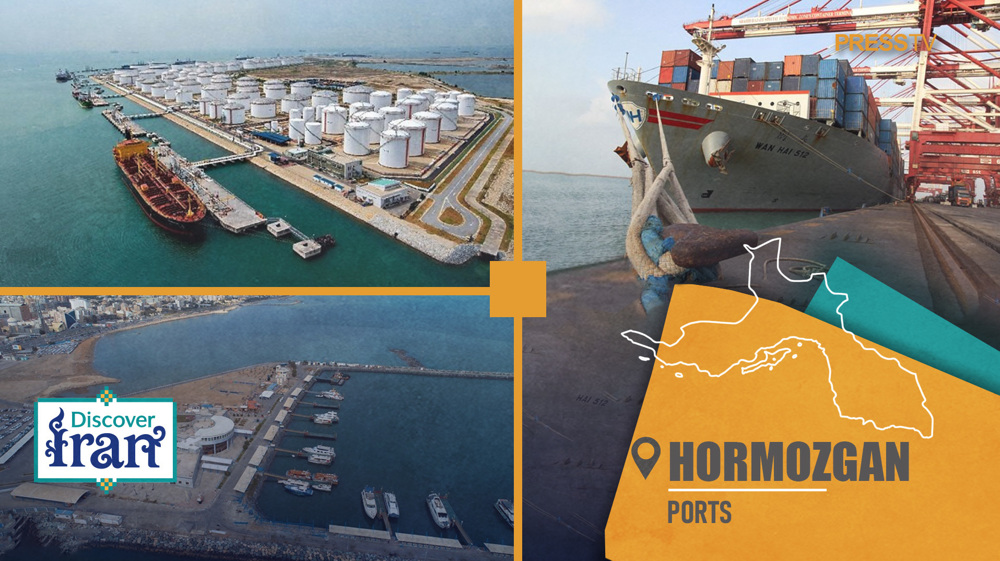
Discover Iran: Hormozgan’s strategic ports powering trade, commerce and connectivity
By Ivan Kesic
- Shahid Rajaee Port is the economic linchpin of Iran, handling 85-90% of the country's container traffic and serving as the critical Iranian hub for the International North-South Transport Corridor, which links the Indian Ocean to Northern Europe.
- In addition to being a major multipurpose cargo hub, Shahid Bahonar Port uniquely serves as Iran's only terminal for liquefied gas exports and its largest seaport for exporting fruits and vegetables, making it a nationally critical asset for both energy and agricultural trade.
- Beyond the giant commercial ports, Hormozgan's network of smaller harbors like Kish Port for tourism and Bandar Abbas Fishing Port for seafood forms a delicate economic and cultural ecosystem that sustains local communities and heritage.
Along the shimmering shores of the Persian Gulf and the strategically vital Strait of Hormuz, the ports of Iran’s Hormozgan province are far more than gateways for maritime traffic.
They are dynamic engines of national economic growth, critical arteries of international trade, and increasingly important portals for cultural and ecological tourism.
This intricate maritime network, spanning global commercial powerhouses and intimate fishing harbors alike, defines the economic heartbeat of southern Iran and anchors its expanding engagement with the wider world.
At its core stands the vast Shahid Rajaee Port Complex, the undisputed backbone of Iran’s containerized trade and a pivotal hub within the International North-South Transport Corridor.
Complementing this giant is the forward-looking Shahid Bahonar Port, also located in Bandar Abbas, whose strategic vision is aimed at strengthening Iran’s export capacity beyond the Strait of Hormuz.
Further reinforcing the city’s maritime prominence, the modern multi-purpose facilities of Shahid Haghani Port serve as Iran’s busiest passenger terminal, positioning Bandar Abbas as a central node for maritime tourism and regional connectivity.
Beyond these titans of commerce and transit lies a constellation of smaller, specialized ports that weave together local industry, cultural heritage, and tourism potential, from the historic docks of Kong to the vibrant resort harbors of Kish, and the ecologically rich gateways of Hormuz Island.
Together, these ports form a layered maritime ecosystem that fuels economic diversification, supports sustainable development, and drives prosperity along one of the world’s most strategically significant coastlines.
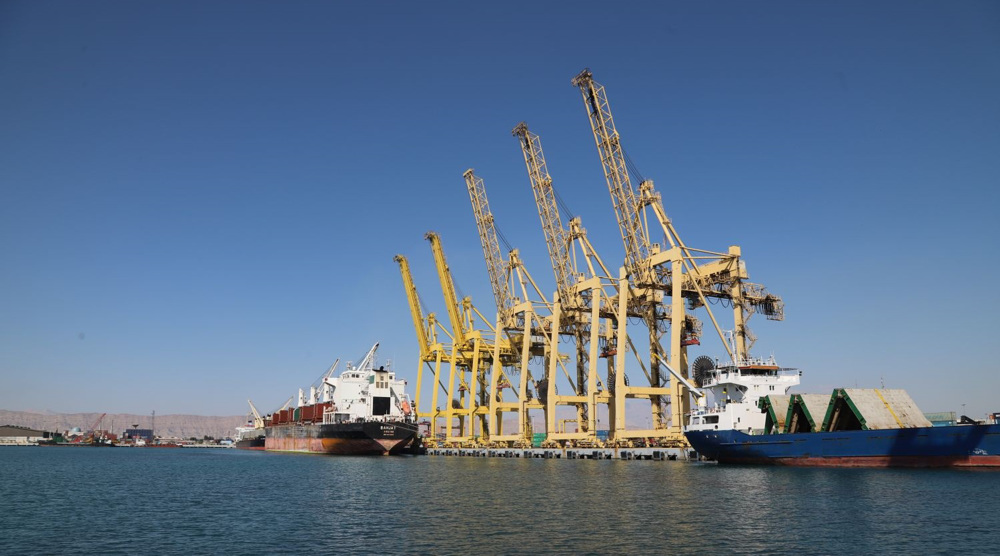
Shahid Rajaee Port
Shahid Rajaee Port stands as the unequivocal cornerstone of Iran’s maritime economy. By virtue of its scale, capacity, and connectivity, it serves as the nation’s primary gateway to global markets and the central conduit of its seaborne trade.
Its strategic significance rests first and foremost on geography. Located on the northern shore of the Strait of Hormuz, the narrow chokepoint through which a substantial share of the world’s seaborne oil passes, the port sits at the intersection of global energy and commercial shipping routes. This proximity to major intercontinental lanes grants Shahid Rajaee unparalleled logistical advantages for import, export, and transshipment operations.
Inaugurated in 1985 amid the Holy Defense War to provide a resilient alternative to vulnerable ports in the northern Persian Gulf, the complex has since undergone sustained and ambitious expansion. Today, it is evolving into a vast 4,800-hectare logistics city, purpose-built to support Iran’s long-term trade ambitions.
The port’s infrastructure reflects the magnitude of its role. Forty operational berths include advanced container terminals with depths reaching seventeen meters, enabling the accommodation of modern Panamax and Post-Panamax vessels. The rhythmic movement of its twenty-three active gantry cranes against the Persian Gulf skyline has become a defining image of Iran’s industrial and commercial aspirations.
Ongoing development phases are set to raise annual capacity beyond eight million twenty-foot equivalent units, positioning Shahid Rajaee not only as a national asset but as a competitive contender among the leading ports of the wider region.
The economic data underscores this dominance. The port handles approximately eighty-five to ninety percent of Iran’s container traffic, more than half of its total trade volume, and nearly seventy percent of its transit goods. Each year, it processes over seventy-five million tons of cargo, encompassing essential non-oil commodities such as steel, minerals, and agricultural products, alongside roughly twenty-six million tons of oil and petrochemical shipments.
This immense throughput feeds directly into Iran’s industrial core. Integrated rail infrastructure links the port seamlessly to the national railway network and, crucially, to the International North–South Transport Corridor.
Through this multimodal route, Shahid Rajaee transcends its national role to function as an international transit bridge, connecting the Indian Ocean and the Persian Gulf to the Caspian Sea, Russia, and Northern Europe, and facilitating trade flows across Asia, Africa, and Europe.
Designated as a Special Economic Zone, the port offers a range of investment incentives that promote value-added logistics, re-export activities, and the development of surrounding manufacturing and distribution clusters.
Its influence extends beyond freight and finance. Subsidiary operations also manage maritime traffic to the islands of Qeshm and Kish, integrating Hormozgan’s key tourism destinations into the province’s broader commercial ecosystem.
While challenges remain – including intensifying regional competition and the imperative of continuous technological modernization – Shahid Rajaee Port continues on a trajectory of deliberate expansion. Its long-term vision is clear: to rank among the foremost maritime hubs of the region and to regulate the powerful pulse of Iran’s economic life for decades to come.
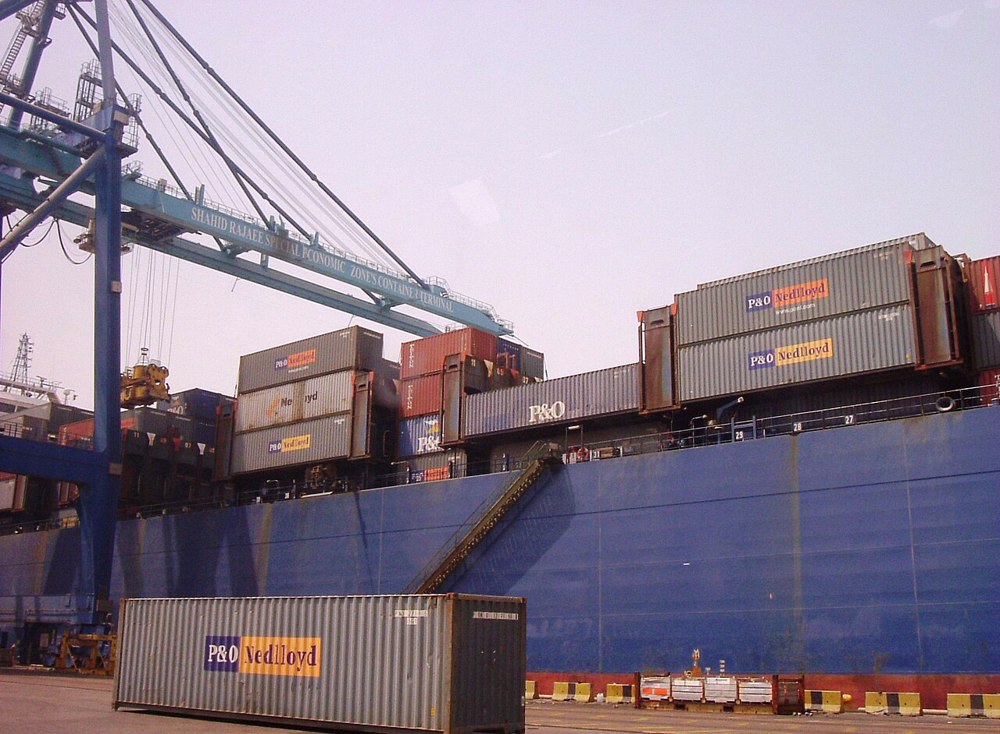
Shahid Bahonar Port
Shahid Bahonar Port stands as one of Iran’s principal and most versatile maritime gateways, strategically positioned on the northern coast of the Persian Gulf, approximately eight kilometers west of Bandar Abbas’s city center.
Originally developed in the 1970s to relieve congestion at older regional ports and named in honor of the late Iranian theologian and statesman Mohammad-Javad Bahonar, the port has expanded steadily over subsequent decades.
Through sustained investment and modernization, it has evolved into a multi-purpose terminal that plays an integral role in Iran’s national economic architecture.
The port’s infrastructure is designed to accommodate a broad and diverse cargo profile. Its twelve operational berths, with quay depths supporting vessel drafts of up to 11.5 meters, enable efficient handling across multiple trade streams.
Facilities are organized into dedicated terminals for containerized cargo, general and breakbulk freight, dry bulk commodities such as grains and metals, and liquid bulk cargoes, including petrochemicals and liquefied gases. In this latter category, Shahid Bahonar holds a unique national distinction as Iran’s only terminal equipped for liquefied gas exports.
The port is also a critical node in the country’s agricultural supply chain. As Iran’s largest seaport for the export of refrigerated goods, particularly fruits and vegetables, it plays a vital role in connecting domestic producers to regional and international markets.
Complementing its commercial functions, Shahid Bahonar Port hosts Iran’s largest international maritime passenger terminal. It serves as a major hub for regional tourism and passenger movement, including regular international services to Sharjah.
Incentive measures, such as an 80 percent tariff discount for passenger vessels, have further strengthened its position in the maritime tourism sector.
From an economic perspective, Shahid Bahonar accounts for nearly five percent of Iran’s total port activity, underscoring its significance within the country’s southern maritime corridor. Its strategic importance is further amplified by integration into the International North–South Transport Corridor (INSTC), positioning the port as a vital conduit for trade linking Iran with Central Asia, Russia, and Northern Europe.
The port functions as a key export and transit node for destinations across the Persian Gulf littoral states and the wider Indian Ocean region, extending to markets in Turkey, Azerbaijan, Iraq, and Kazakhstan. Robust multimodal connectivity, supported by newly developed rail links, upgraded road infrastructure, and close proximity to Bandar Abbas International Airport, ensures efficient movement of goods and passengers alike.
Despite ongoing challenges, including regional geopolitical pressures and the imperative of continued infrastructure modernization, Shahid Bahonar Port remains on a trajectory of steady advancement. Recent expansions have increased its operational footprint to 378,000 square meters, with further improvements aimed at enhancing capacity, efficiency, and automation.
Balancing substantial cargo throughput with high-volume passenger traffic, Shahid Bahonar Port remains an indispensable pillar of Iran’s maritime logistics network, reinforcing regional connectivity and contributing significantly to the country’s economic resilience.
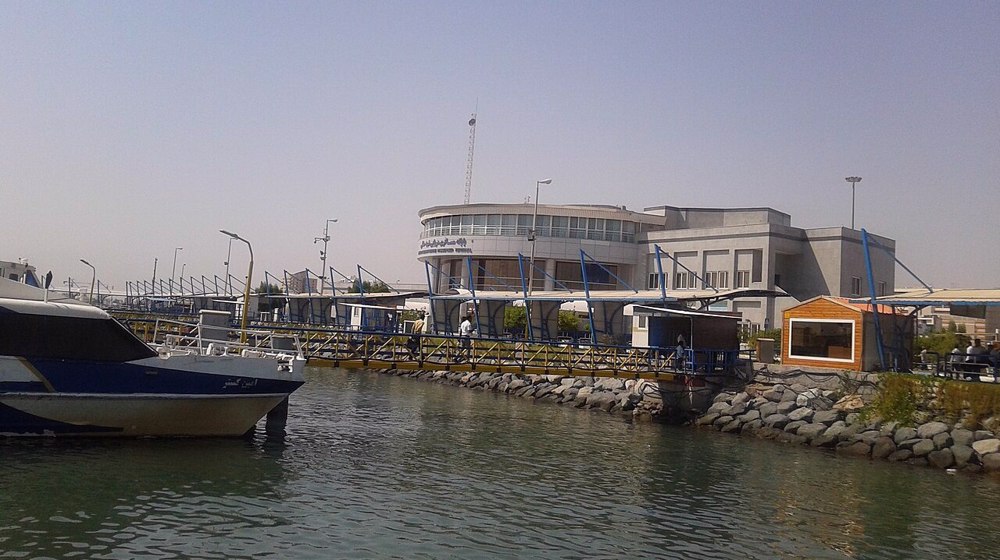
Shahid Haghani Port
Shahid Haghani Port, Iran’s premier passenger and tourism maritime terminal, is located directly within the urban fabric of Bandar Abbas and serves as the primary gateway for millions of travelers moving between the mainland and the iconic islands of the Persian Gulf.
For nearly 140 years, the port functioned as Bandar Abbas’s sole maritime outlet until the 1960s, when ownership was transferred from the municipality to the national Ports and Maritime Organization (PMO). This transition marked the beginning of a comprehensive modernization process, culminating in a major redevelopment between 2007 and 2009.
The project included the construction of a seven-hectare protected basin, extensive dredging operations totaling approximately 100,000 cubic meters, the installation of large-scale floating dock systems, and the development of fully integrated landside facilities.
In March 2015, the port was formally inaugurated as the country’s largest sea passenger terminal, cementing its central role in regional mobility and maritime tourism.
The port’s infrastructure is purpose-built to accommodate high-volume passenger flows and tourism-oriented services. Spanning 6.7 hectares, Shahid Haghani Port comprises eleven berths, including nine dedicated passenger berths, a multi-purpose floating ramp berth for roll-on/roll-off vessels handling vehicles and cargo, and a dedicated fueling berth.
The terminal complex is supported by modern amenities such as restaurants, banking services, retail outlets, and expansive parking facilities.
Operational efficiency and passenger experience are enhanced through cashless electronic ticketing systems, on-site safety and firefighting stations, and electric vehicles for internal passenger transport. The port functions as the operational hub for a fleet of approximately forty modern marine vessels, including sea buses and passenger ships, with a combined capacity of roughly 4,000 passengers per operational cycle.
Its most heavily trafficked routes connect Bandar Abbas with the islands of Qeshm and Hormuz, alongside regular services to Larak Island. Collectively, these routes account for the overwhelming majority of passenger movements in eastern Hormozgan Province.
The port’s strategic importance was underscored in 2022, when it handled more than 1.2 million passengers in just six months, reflecting both its dominant market share and the strong post-pandemic recovery of maritime travel.
Beyond its transportation function, Shahid Haghani Port serves as a focal point for tourism development and private investment in southern Iran. Authorities have actively encouraged investment in expanding the passenger vessel fleet and enhancing on-site welfare, recreational, and hospitality services. Among the proposed initiatives is the creation of a dedicated relaxation and marine recreation zone within the port area, designed to capitalize on its scenic waterfront and establish a new tourist attraction.
This strategy aligns with broader provincial objectives to leverage the annual movement of more than three million passengers through eastern Hormozgan’s ports by integrating transport infrastructure with leisure and tourism offerings.
As the principal maritime access point to the UNESCO-recognized Qeshm Island Geopark and the striking, multicolored landscapes of Hormuz Island, Shahid Haghani Port represents both the first and last impression for a vital segment of Iran’s tourism industry. In doing so, it directly links national transport policy with the sustainable development of local island economies and the promotion of cultural exchange.
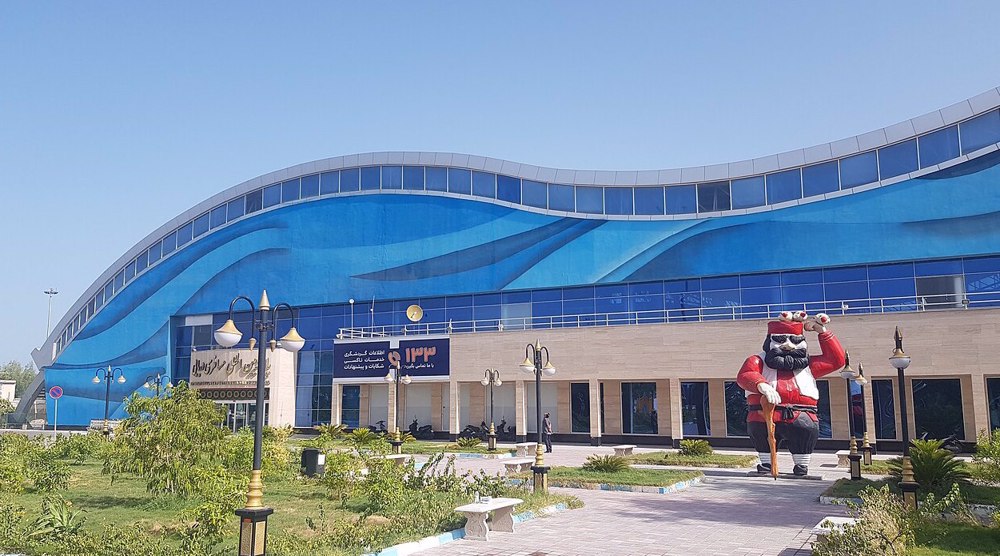
Smaller ports: pillars of community, culture, and tourism
Beyond the vast container yards and oil terminals, the true soul of Hormozgan’s maritime identity lies in its network of smaller ports, each a specialized node performing essential functions that sustain local livelihoods, preserve cultural heritage, and unlock diverse forms of tourism.
Together, these facilities form the capillary system of the provincial economy, supporting coastal communities and maintaining vital links between the mainland, the Persian Gulf’s iconic islands, and the steady flow of visitors who sustain them.
At the heart of the region’s fishing industry stands the Bandar Abbas Fishing Port, the undisputed seafood hub of southern Iran. Here, the daily catch from the Persian Gulf is landed, auctioned, processed, and distributed through extensive cold-storage and packaging facilities, supplying domestic markets and underpinning a thriving export sector in shrimp and high-value fish species.
Tourism-oriented ports play an equally critical role. Kish Port serves as the sleek, modern gateway to Iran’s premier resort island, managing heavy passenger traffic via fast ferries and catamarans while also handling the roll-on/roll-off and containerized cargo required to support the island’s luxury hotels, retail complexes, and free trade zone.
Complementing this model of leisure tourism is Hormuz Port, the vital lifeline to geologically extraordinary Hormuz Island, where daily ferry services bring visitors to its famed multicolored landscapes, directly sustaining local guides, restaurants, and artisan communities.
Cultural heritage is anchored in ports such as Kong, a historic dhow harbor that sustains a living tradition of wooden boatbuilding and preserves tangible links to the Persian Gulf’s pearling and trading past.
On Qeshm Island, Laft Port attracts visitors drawn to its magnificent ancient water reservoirs and distinctive wind-tower architecture, offering a powerful encounter with vernacular engineering and coastal history.
Industrial and regional development is supported by ports like Pahel, which provide less-congested terminals for bulk commodities such as cement and construction materials, supplying infrastructure projects across Hormozgan and neighboring provinces.
Meanwhile, fishing-dependent communities on Qeshm Island rely on dedicated facilities such as Qeshm Fishing Port, which supports a substantial fleet and export-oriented seafood processing, and the small but vital Ramchah Port, which sustains remote island villages.
Even ports with primary strategic or security functions, including Abu Musa and Shahid Zakeri, contribute meaningfully to civilian life by maintaining essential supply lines to island populations and supporting local fishing activity.
Collectively, these smaller ports reveal Hormozgan’s maritime economy as a complex, human-scaled ecosystem. They safeguard food security, enable permanent island habitation, celebrate cultural continuity, facilitate leisure travel, and provide decentralized logistical resilience.
Their ongoing development, often focused on upgrading piers, passenger facilities, and tourism amenities, is central to a holistic vision for the province, one in which economic growth, community resilience, and sustainable tourism are intricately and harmoniously woven along the shores of the Persian Gulf.
US Treasury issues waiver for Iranian oil exports under Islamabad MoU
Super-sized drilling rig installed at Iranian offshore oilfield
US-Israeli war accelerates Iran's rare earth development



VIDEO | Yemen warns of medicine crisis amid Sana’a airport closure
Netanyahu says Israeli military will keep occupying southern Lebanon
Iran, Oman discuss new arrangements to manage Strait of Hormuz
US congressman ‘deeply alarmed’ by Israel’s abduction of Palestinian student
Iran’s deputy FM announces successful conclusion of technical talks
Speaker Qalibaf: Strait of Hormuz will never return to pre-war status
Pakistan defense minister: Iran-US agreement marks demise of Netanyahu
Palestinian rights group calls for release of pregnant women held by Israel




 PressTV NEWSLETTER
now
PressTV NEWSLETTER
now
 This makes it easy to access the Press TV website
