'Hands off Greenland': Massive anti-US protests held in Denmark, Greenland
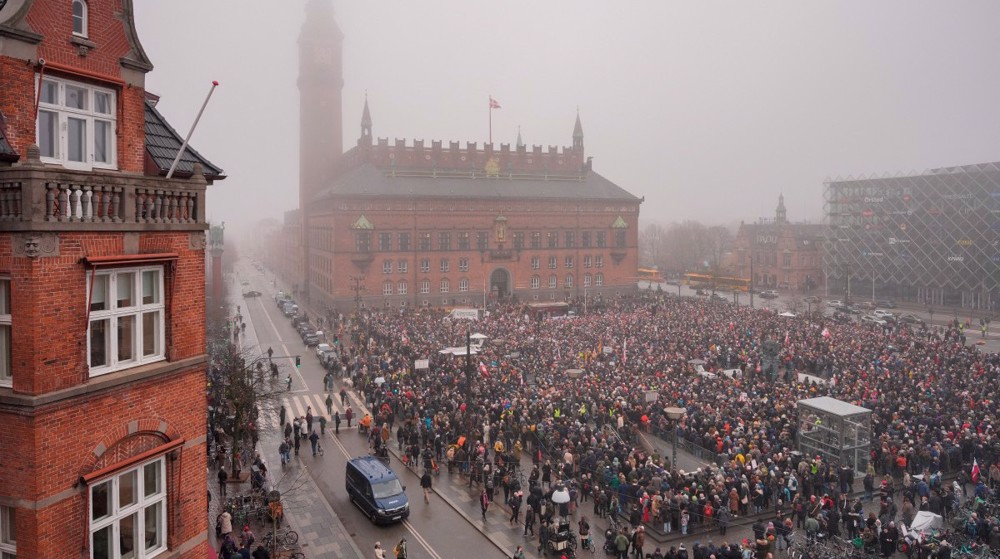
Demonstrators have begun taking to the streets in Greenland and Denmark as part of massive rallies in protest of US President Donald Trump and his threats to take over the Arctic island.
Demonstrations organized by Greenlandic associations are planned across Denmark and Greenland for Saturday.
Uagut, an association of Greenlanders in Denmark, said on its website that the aim of the protests is "to send a clear and unified message of respect for Greenland's democracy and fundamental human rights.”
In the Danish capital of Copenhagen, people have begun gathering in front of City Hall to rally toward the US Embassy.
Protests are also planned in the Danish cities of Aarhus, Aalborg, and Odense.
According to Camilla Siezing, the chairwoman of the Inuit Association, people are protesting “against American statements and ambitions to annex Greenland.”
She said protesters “demand respect for the Danish Realm and for Greenland’s right to self-determination.”
In Greenland's capital, Nuuk, demonstrators are set to march to the US consulate carrying Greenlandic flags to protest “against the United States' illegal plans to take control of Greenland," organizers said.
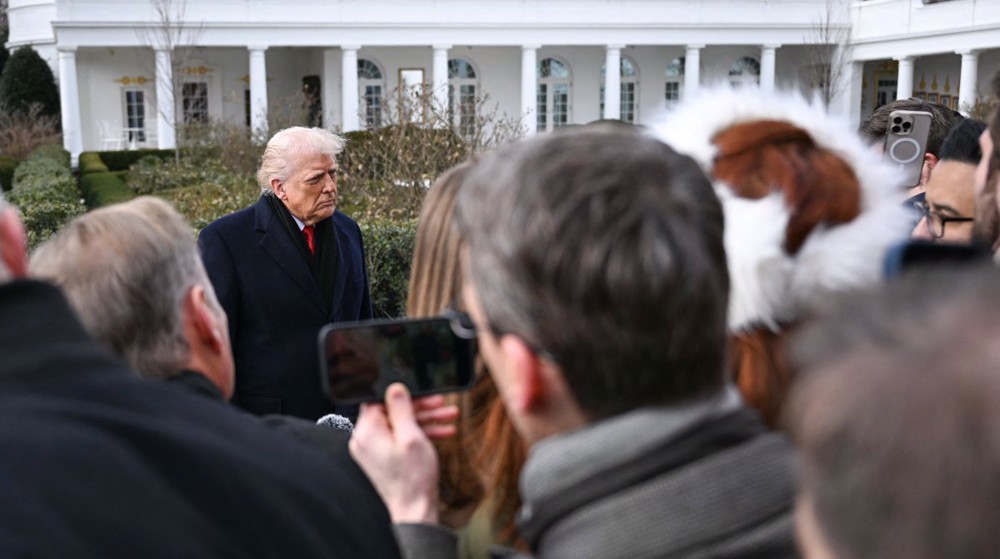
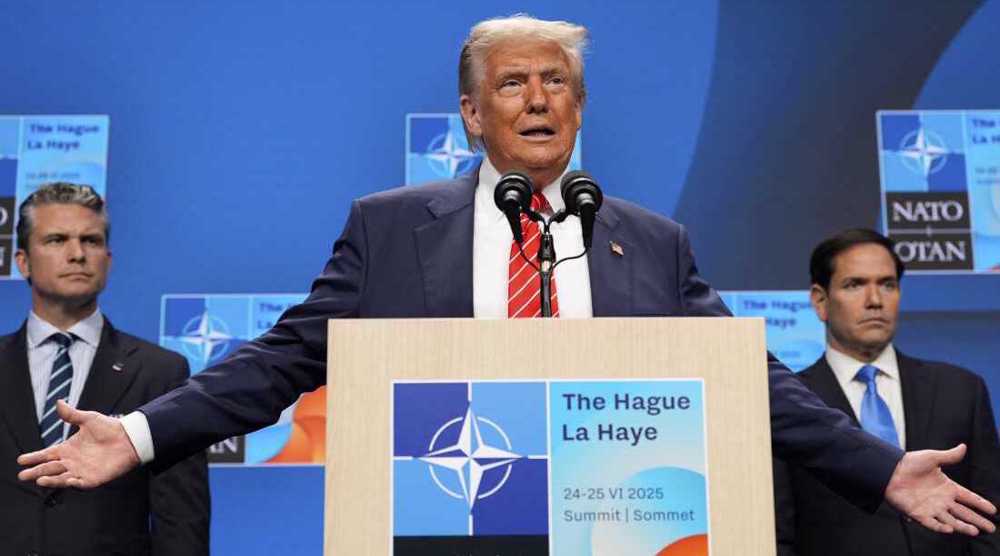
On Friday, the US president threatened to impose tariffs on nations that do not comply with his plans to annex Greenland, a self-governing territory controlled by Denmark.
The White House said earlier this week that Trump has been discussing "a range of options" to seize Greenland, including the use of the military. It claimed that annexing the semi-autonomous territory of NATO member Denmark was a "national security priority."
Denmark warned that any attempt by the United States to seize the territory by force would effectively spell the end of the transatlantic military alliance and “post‑second‑world‑war security.”
The territory's position between Europe and North America makes it a key site for installing the US ballistic missile defense system.
Greenland also possesses vast untapped natural resources, including oil, gas, and rare earth minerals essential for modern technology and military industries, which, according to analysts, have fueled US interest in exerting control over the territory.
EU raises alarm over spike in Israeli settler violence in West Bank
Paris, Berlin push to gut EU's 'dysfuncional' foreign policy arm, sideline Kallas
Only 10% of Europeans see US as an ally as Trump drives trust to record low: Poll



Iran-US MoU ends imposed war and inflicts humiliating defeat on US-Israeli war machine
Iran now a 'regional superpower'; Lebanon govt. should abandon illusions about US: MP
Iran-US MoU to end war a welcome development for regional security, stability: Analyst
Iran ‘most oppressed team’ in FIFA World Cup history, says head coach
VIDEO | Italian exports to West Asia fell by 1.6 billion euros in two months
Iran’s lead negotiator Qalibaf, US VP Vance to attend MoU signing in Geneva: Dy. FM
Iran players stopped at Los Angeles airport while Torabi faces visa issue after World Cup opener
Hezbollah fighters confront intruding Israeli forces in southern Lebanon



 PressTV NEWSLETTER
now
PressTV NEWSLETTER
now
 This makes it easy to access the Press TV website
