Iran keeps wheat import subsidies despite cutting other food supports
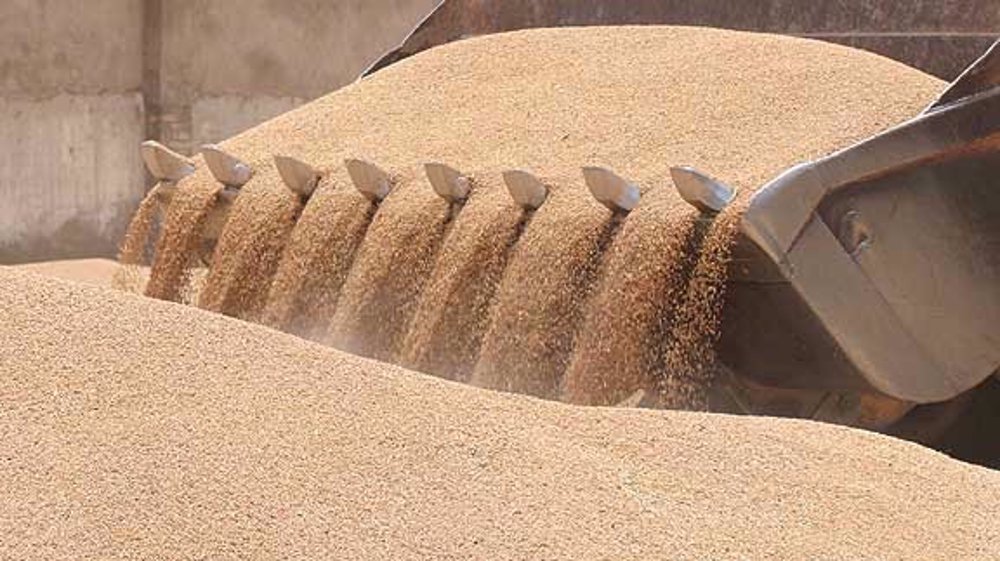
Iran plans to maintain heavy subsidies for wheat imports despite dismantling a system that offered hard currency at ultra-cheap rates for imports of staple foods.
A report published on Sunday by the Fars news agency said the government has decided to continue allocating heavily subsidized hard currency for wheat imports.
According to the report, the government has issued a directive to Iran’s Ministry of Agriculture Jihad (MAJ) ordering it to remove all food staples except wheat from the subsidized imports list.
This means the MAJ will continue to subsidize wheat imports at a preferential exchange rate of 285,000 rials per US dollar.
The decision comes as the free-market price of the US dollar stood at around 1.37 million rials in Tehran on Sunday, while importers and exporters traded the currency at about 1.33 million rials at a government-managed exchange market on the same day.
The report was published a day after the Iranian government announced a major expansion of its food coupon program following the liberalization of imports of basic goods, a move that has led to a sharp rise in consumer prices.
The government has said it will substantially increase the monthly credit allocated to consumers for purchasing basic food items, while also expanding the number of people eligible to receive the benefit.
Authorities have also allowed importers to use their own foreign currency resources to bring in staple goods.
In a statement issued late last month, the Central Bank of Iran (CBI) said it had allocated more than $9 billion at a rate of 285,000 rials per US dollar for imports of medicine and basic goods during the first nine months of the Iranian calendar year that began in late March.

After US policy whiplash, Iran sets the rules in Strait of Hormuz
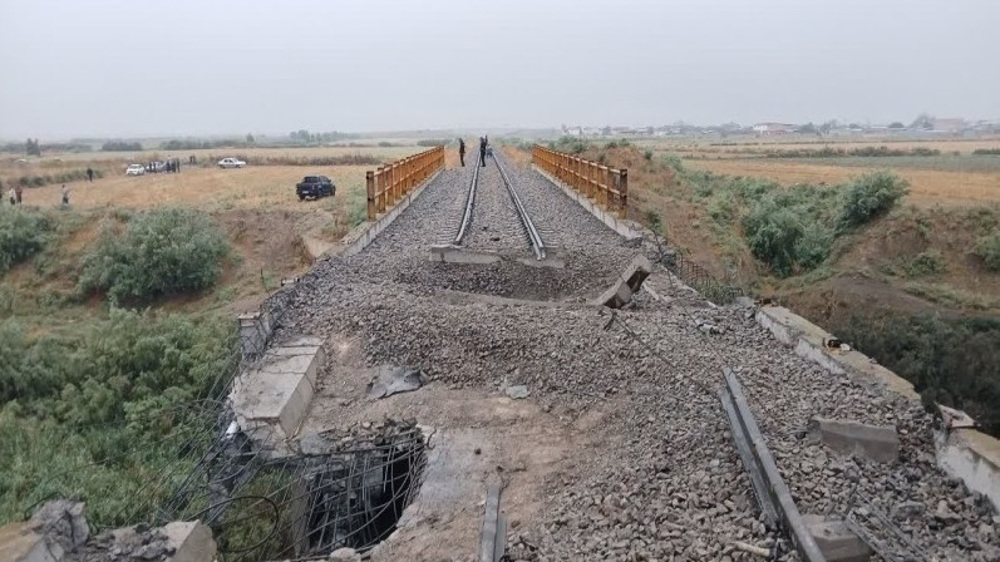
Iran files complaint with global rail body over US strikes on railway infrastructure
Trump's meltdown and America's war on Iran's Eurasian connectivity



‘Until final victory’: Iran Army conducts 7th round of retaliatory drone strikes against US targets
VIDEO | 'Are strategic chokepoints becoming the region's most powerful leverage?'
VIDEO | 'Strategic waterways could shape regional tensions outcome'
US resumes naval blockade of Iranian ports and vessels, despite Tehran’s warnings
From Strait of Hormuz to Bab al-Mandeb: Iran’s blueprint for new regional order after US breaks MoU
IRGC pounds US military facilities in Bahrain and Kuwait, warns oil exports at risk
Yemen warns airlines to avoid Saudi airspace until Sana'a blockade is lifted
Pezeshkian slams Trump’s rhetoric, says insults demean their authors, not Iran


 PressTV NEWSLETTER
now
PressTV NEWSLETTER
now
 This makes it easy to access the Press TV website
