US–Iran technical talks set for Vienna next week after ‘significant progress’ in Geneva

Technical-level talks between the United States and Iran will be held next week in Vienna after what Oman’s foreign minister described as significant progress in the latest round of negotiations, he said on Thursday.
"We have finished the day after significant progress in the negotiation between the United States and Iran,” Omani Foreign Minister Badr bin Hamad Al Busaidi said in Geneva, adding that discussions would resume soon following consultations in the respective capitals.
He thanked all parties involved for their efforts, including the negotiators, the International Atomic Energy Agency and the Swiss government as host.
We have finished the day after significant progress in the negotiation between the United States and Iran. We will resume soon after consultation in the respective capitals. Discussions on a technical level will take place next week in Vienna. I am grateful to all concerned for…
— Badr Albusaidi - بدر البوسعيدي (@badralbusaidi) February 26, 2026
The third round of indirect negotiations between Iran and the United States began earlier on Thursday at a building belonging to the Omani embassy in Geneva.
After three hours of intensive discussions, the talks were paused to allow delegations to consult with their respective capitals on the issues under negotiation.
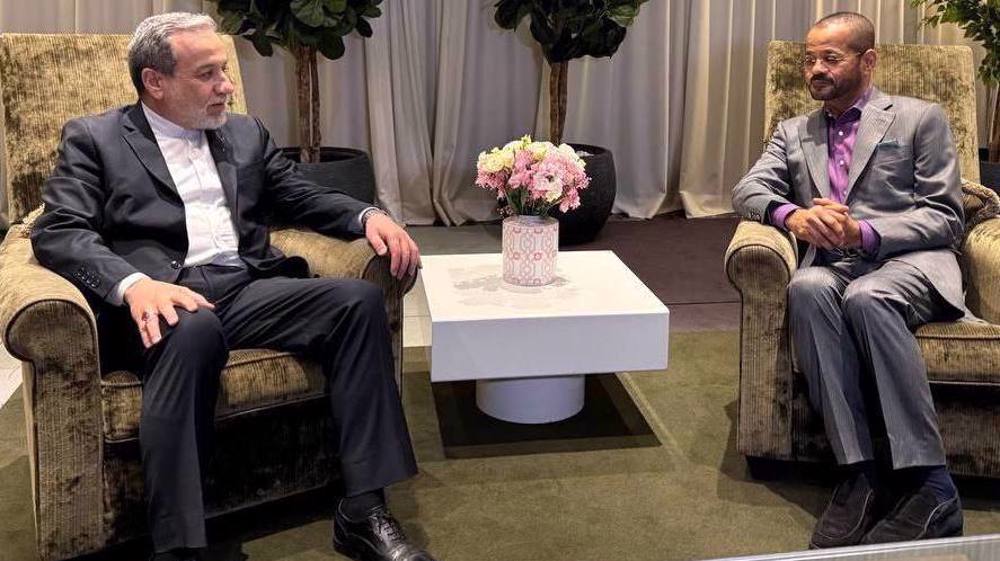
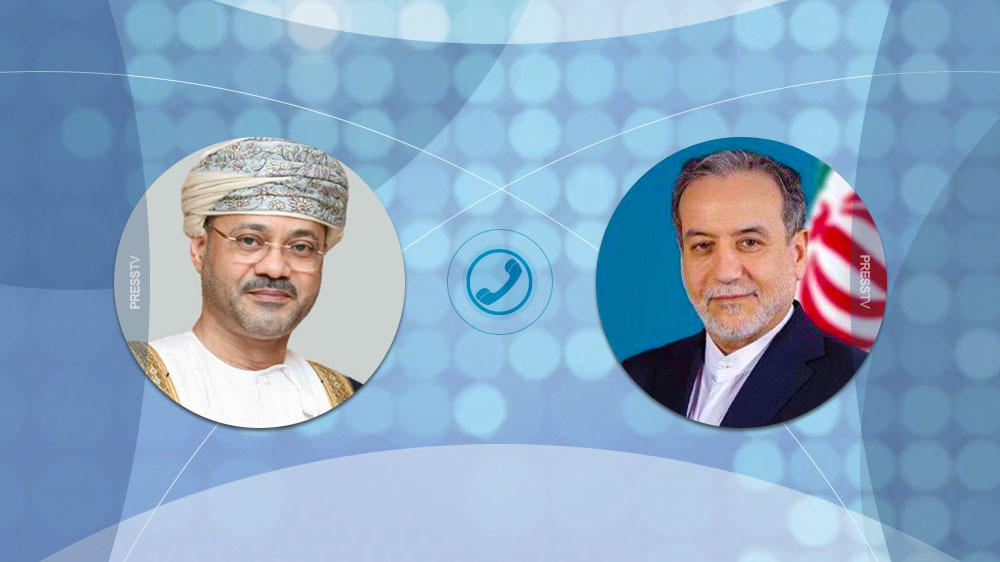
Earlier in the day, ahead of the start of the Iran-US talks, the foreign ministers of Iran and Oman met in Geneva, the host city for the third round of indirect negotiations between Tehran and Washington.
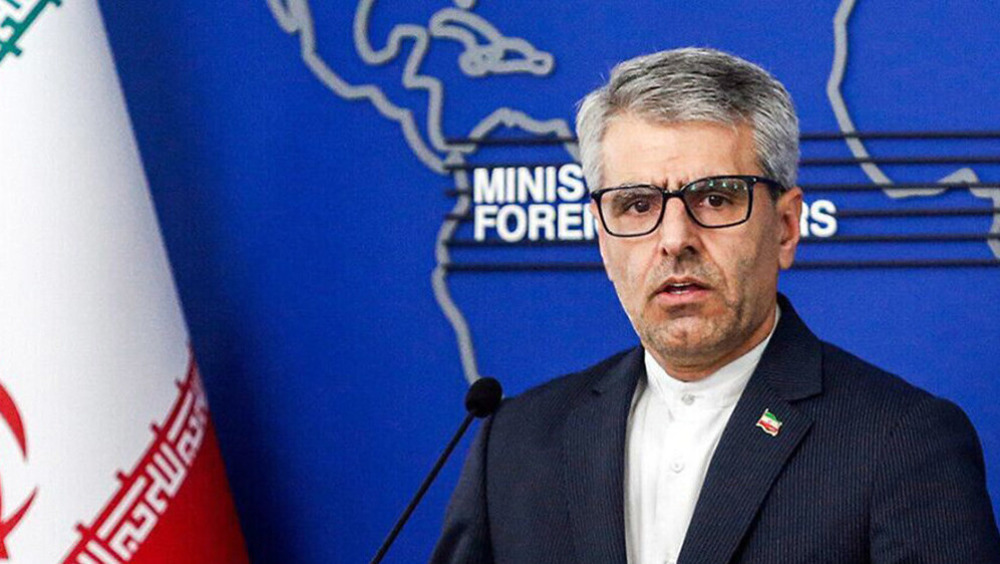
Iran’s Foreign Ministry spokesman Esmaeil Baghaei told reporters following the pause that “the talks have been very serious and highly intensive since the morning.”
“This pause was necessary to allow for consultations—both with capitals and within the delegations themselves,” he said.
Baghaei said “the contradictory remarks coming from some US officials and various media outlets tied to the ruling establishments in the US have fueled doubts and ambiguities. For us, what matters is focusing on the outcome.”
He said Iran’s negotiating approach had been “entirely clear,” with positions of Iranian diplomats aligning with their statements, “though we have not seen the same from the other side.”
“Today's discussions were very serious, and we hope that in the talks taking place tonight, we will see a continuation of the dialogue on the lifting of sanctions and nuclear issues—this time in a more operational manner, with practical proposals and executable initiatives,” Baghaei said.
“Some initiatives have been proposed in the talks,” he said. “We should wait and see how tonight’s discussions unfold—some of which will require consultations with capitals before anything can be finalized. Once that process is complete, we should be able to offer a more precise assessment at the conclusion of the talks.”
Baghaei said Tehran was prepared to continue negotiations for as long as necessary.
“We are ready to continue the talks for as long as possible,” he said, adding that Iran had entered the process “with full seriousness to secure our national interests.”
He said the negotiations were focused on the nuclear issue and that Iran’s positions had been clearly conveyed to the Omani mediators on both the removal of sanctions and Iran’s nuclear rights and interests.
The Iranian delegation has left the venue of talks, and both sides are expected to resume talks within hours.
— Press TV 🔻 (@PressTV) February 26, 2026
Follow Press TV on Telegram: https://t.co/LWoNSpkc2J pic.twitter.com/4huAe3wweX
Al Busaidi, who has been mediating the indirect talks, said on X: “We’ve been exchanging creative and positive ideas in Geneva today, and now both US and Iranian negotiators have adjourned for a break.”
“We’ll resume later today. We hope to make more progress,” he wrote.
The talks marked the third round of indirect Iran-US negotiations, with Muscat acting as mediator. Oman also facilitated the previous two rounds, held earlier this month in Muscat and Geneva.
Iran’s delegation was led by Foreign Minister Abbas Araghchi, who arrived in Geneva on Wednesday. The US side was led by Special Envoy Steve Witkoff.
In an earlier statement, Oman’s foreign ministry said Iran’s proposal had been reviewed alongside US questions on Tehran’s nuclear program and the guarantees required for an agreement.
It said technical and monitoring issues were examined in detail and described the discussions as serious and constructive, with unprecedented openness to new ideas.
According to Oman's Ministry of Foreign Affairs, FM Badr Al-Busaidi met in Geneva with Steve Witkoff and Jared Kushner to discuss Iranian proposals, US responses, and guarantees for a fair, lasting nuclear agreement.
— Press TV 🔻 (@PressTV) February 26, 2026
Live coverage of Iran-US talks: https://t.co/B3zXG73Jym pic.twitter.com/TxvdLL140P
Ali Shamkhani, secretary of Iran’s Supreme Defense Council, described the talks as an opportunity for a swift deal if the focus remains limited.
“If the central issue is Iran not developing nuclear weapons, this aligns with #Leader_Fatwa and #Iran_Defensive_Doctrine, and an immediate agreement is within reach,” he said.
He was referring to a ruling issued by Leader of the Islamic Revolution Ayatollah Seyyed Ali Khamenei, banning the development and use of weapons of mass destruction, including atomic bombs.
Shamkhani added that Araghchi had sufficient support and authority to reach such a deal.
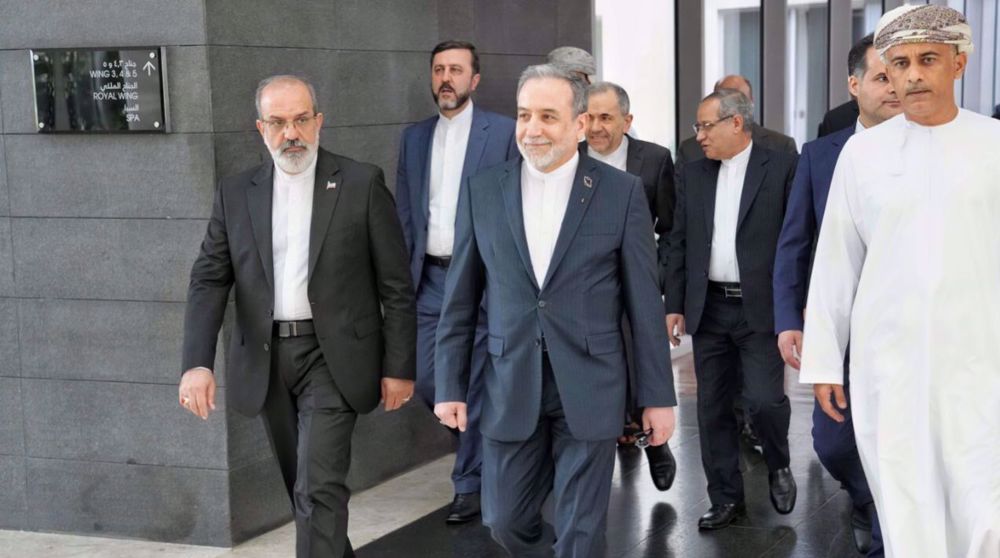
Ebrahim Azizi, chairman of the Iranian parliament’s Committee on National Security and Foreign Policy, said all red lines and overarching nuclear strategies had been fully considered in Iran’s proposal and that uranium enrichment “will under no circumstances be halted.”
Azizi said Iran had offered constructive proposals across all areas to remove pretexts and force clarity, describing the package presented in Geneva as a “serious opportunity for the other side to engage without repeating past excuses.”
He said the proposal addressed sanctions relief, investment opportunities, economic cooperation and the use of Iran’s economic capacities to ensure tangible benefits for the Iranian people.
“If the other side acts rationally and on the basis of national interests,” he said, the package could lead to a “comprehensive agreement.”
Azizi warned, however, that if the talks were used as a tool of pressure or destabilization, Iran would continue its path with full vigilance.
He said all defensive capabilities remained on full alert and that any action against Iran’s national security or territorial integrity would be met with a decisive response.
The comments came amid growing US military buildup near Iran, with President Donald Trump sending what Iranian officials described as contradictory signals, including threats of military aggression.
Iran warns of predetermined ‘reciprocal measure’ in case of US deal breach
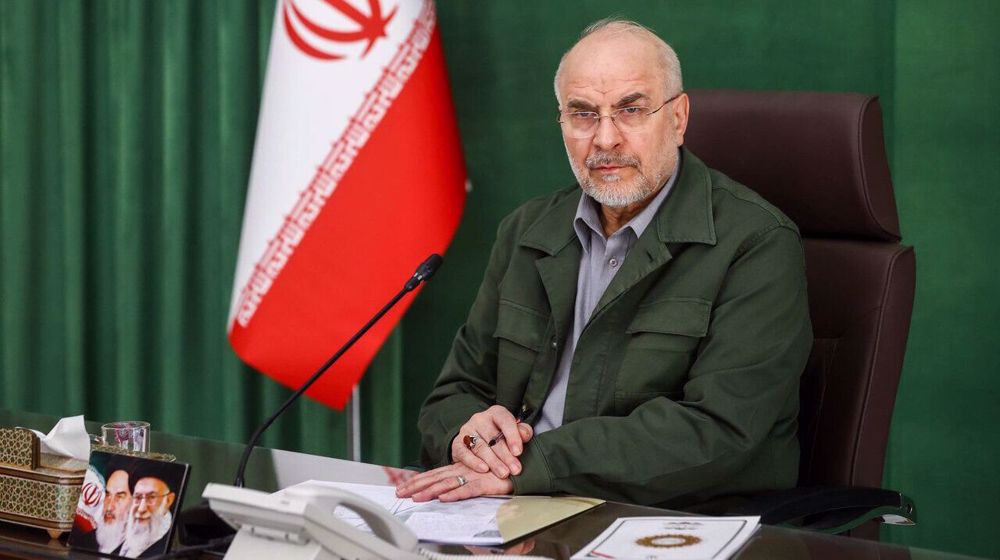
Speaker Qalibaf: ‘We will treat Leader’s directives as our guiding light in negotiations’

Pezeshkian: Leader’s message guarantees Iran’s great victory in negotiations



UNICEF: Ceasefire in besieged Gaza is a ‘deadly illusion’ for Palestinian children
Iran rules out IAEA inspections of war-damaged nuclear sites
Israel will soon be expelled from ‘every inch’ of Lebanese territory: Hezbollah chief
Iran stopped Trump's 'march to reassert US global dominance': Analyst
Iran delays Swiss meeting, links US talks to MoU implementation amid Israel’s Lebanon strikes
Israeli regime’s only interest is ‘permanent war,’ Iran's FM Araghchi says
Hezbollah: Israel never abided by any ceasefire agreement
Beyond the MoU: Leader's message redefines authority, legitimacy, and people's role in governance



 PressTV NEWSLETTER now
  This makes it easy to access the Press TV website