Russia delivers evidence to US of Ukrainian drone strike on Putin's residence

Moscow has handed over what it calls irrefutable proof to the United States that Ukraine attempted a large-scale drone attack on one of President Vladimir Putin's residences, escalating tensions just as peace negotiations between Russia, Ukraine, and the US appear to be gaining momentum.
The Russian Defense Ministry announced on Thursday that Admiral Igor Kostyukov, head of the military's Main Directorate, personally delivered a fragment of a downed Ukrainian drone, specifically its navigation controller, to a US military attaché in Moscow.
According to Kostyukov, decryption of the device's memory by Russian specialists "confirms without question" that the target was a complex of buildings at Putin's residence in the northern Novgorod region.
"We presume that this measure will do away with any questions and allow for the truth to be established," he stated in a video released by the ministry on Telegram.
The incident occurred on the night of December 28-29, 2025, when Moscow stated that Ukraine launched 91 long-range kamikaze drones toward the residence. Russian air defenses reportedly intercepted all of them, with 49 downed over Bryansk Region, one over Smolensk, and 41 over Novgorod.
To bolster its case, the Russian Defense Ministry published a map detailing the drones' flight paths from launch sites in Ukraine through Russian border regions, as well as footage of drone debris, including warheads equipped with elements designed to maximize casualties.
Officials described the attack as a "terrorist act" orchestrated by Kiev to sabotage ongoing de-escalation talks, with some Russian military experts, such as Andrey Marochko, alleging involvement from NATO countries, including Britain, in providing targeting coordinates and satellite guidance.
Russian lawmakers have echoed these sentiments, labeling the strike an act of "state terrorism" aimed at derailing peace efforts led by US President Donald Trump.
The Kremlin previously noted that the attack targeted not only Putin but also Trump's initiatives to resolve the Ukraine conflict, prompting Moscow to review its negotiating position.
Trump initially expressed sympathy for Russia's account after being informed by Putin, telling reporters on Monday that the Russian leader was "very angry" about the incident.
However, by Wednesday, the US president appeared more skeptical, sharing a New York Post editorial on social media that accused Russia of obstructing peace in Ukraine.
Ukraine has vehemently denied the allegations, with President Volodymyr Zelensky dismissing them as a "complete fabrication" and part of a Russian disinformation campaign to sow discord between Kiev and Washington.
This comes shortly after a weekend meeting between Trump and Zelensky, where both sides expressed optimism about advancing peace talks. Ukrainian officials argue the claims are timed to undermine these efforts, with Foreign Ministry spokespeople calling Russia's evidence "laughable."
The handover of evidence follows a Russian Defense Ministry statement earlier this week promising to share findings with the US.
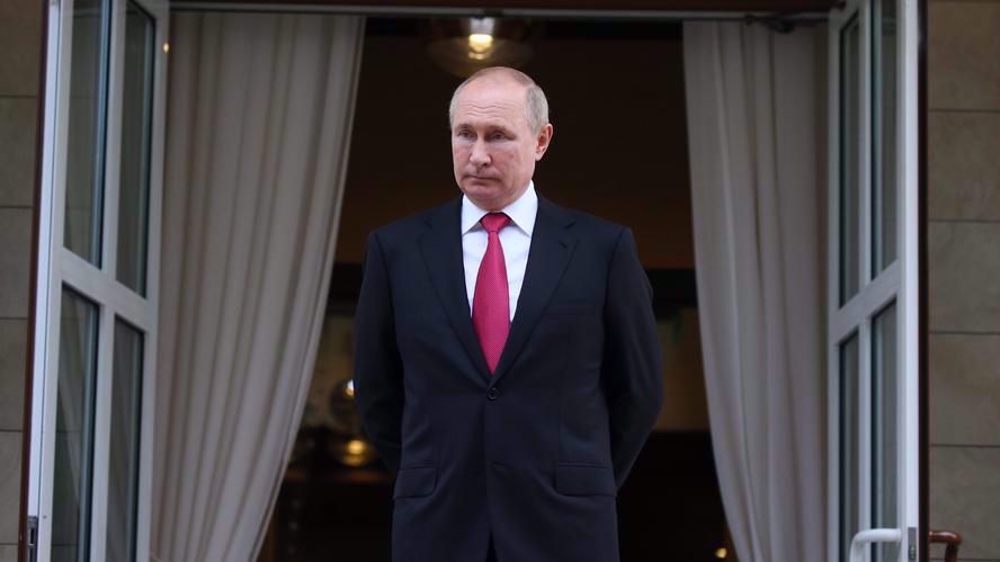
While Russia remains committed to US-mediated peace talks, Foreign Minister Sergei Lavrov has indicated that the country's negotiating position would be reassessed in light of Ukraine's actions, confirming that targets for retaliatory strikes have been identified.
The drone incident follows a controversial Christmas address by Ukrainian President Volodymyr Zelensky, during which he made a veiled reference to wishing harm upon Putin, a remark condemned by the Kremlin as unhinged.
In a separate video statement on Wednesday, Russia’s top general said troops were continuing to establish buffer zones in Ukraine’s Sumy and Kharkiv regions, adding that Russian forces had advanced faster in December than in any other month of 2025.

Pentagon raised threat of Israelis spying on US to highest level: Report
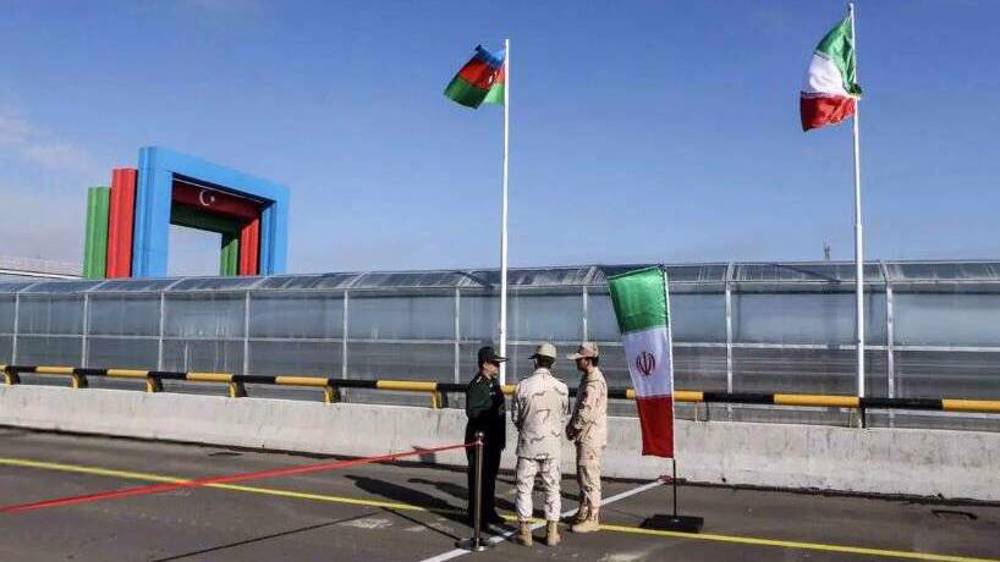
CNN claims Israel used Azerbaijani soil for covert operations against Iran; Baku denies
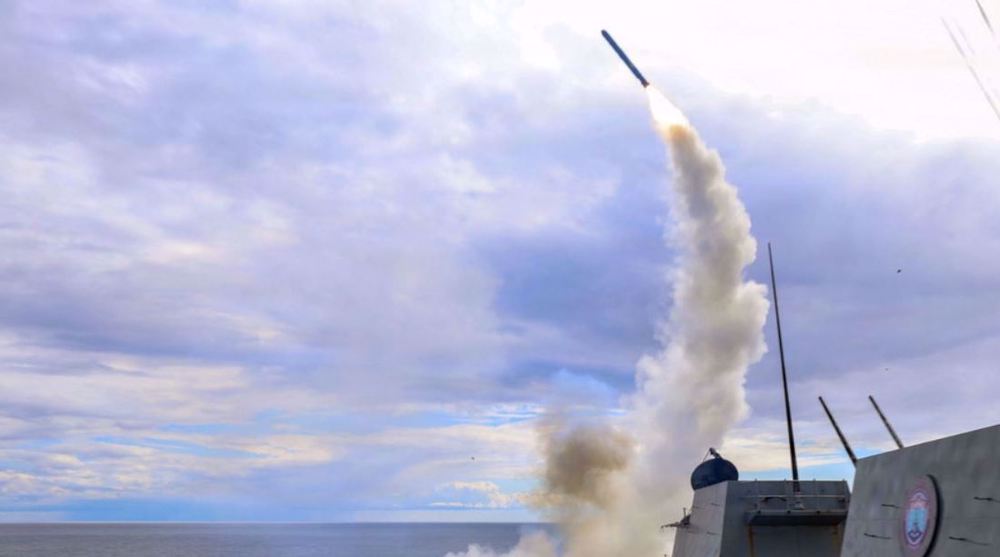
US scraps Tomahawk deal with Germany, fearing Russia and missile shortage



Ships paying up to $2 million under new maritime services plan in Hormuz: Report
Iran says US ‘changing, contradictory’ positions keep talks stalled
Israel bombs Lebanese capital’s Dahiyeh despite US objections
Iran World Cup team will enter, leave US on match days amid visa dispute: Official
Forcing Team Melli to enter, exit US on match day ‘unbelievable, disastrous': Former player
Honouring Minab schoolchildren in Italy
VIDEO | Araghchi receives Pakistani PM’s special message to Ayatollah Khamenei
‘Mankind’s common red line’: Leader’s aide deplores massacre of children in wars


 PressTV NEWSLETTER
now
PressTV NEWSLETTER
now
 This makes it easy to access the Press TV website
