Gaza has become the graveyard of journalism

No war in modern history has claimed so many members of the press, not World War Two, not Vietnam, not Iraq or Afghanistan. Gaza has become the deadliest place on earth to practice journalism.
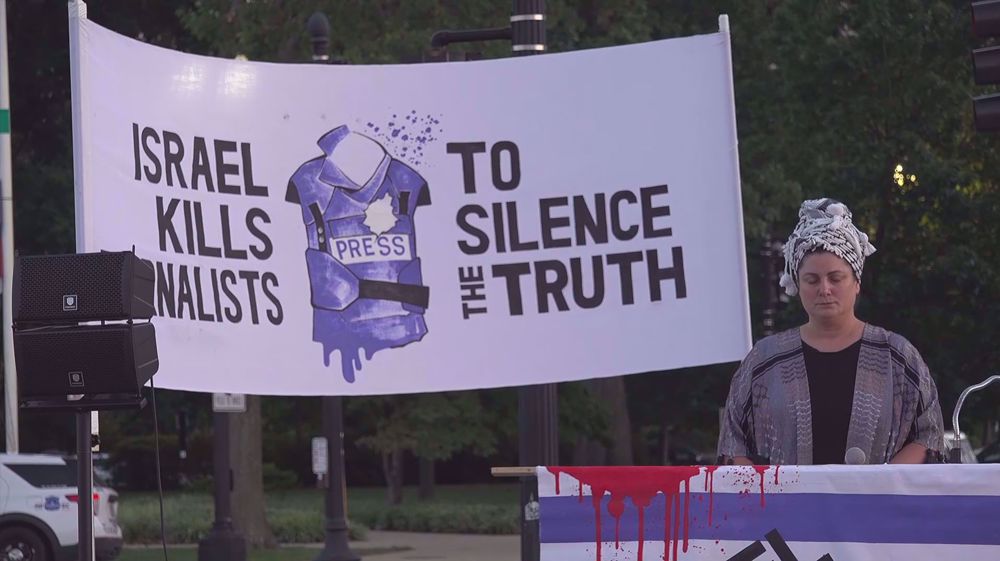
In Gaza today, telling the truth can cost you your life.
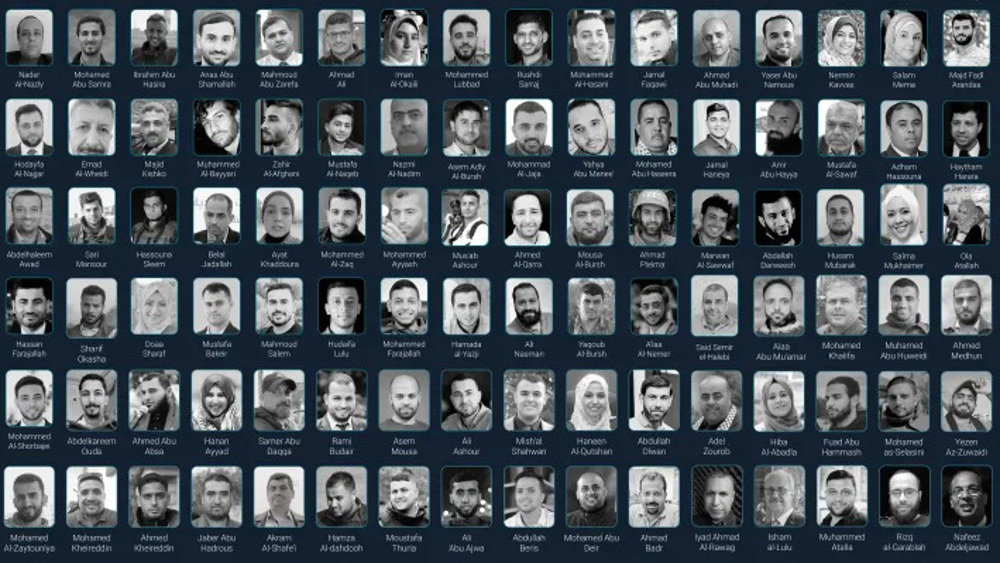
Nearly 300 journalists and media workers have been killed since Israel's genocidal campaign on Gaza began two years ago.
According to the Shireen Abu Akleh observatory, the overwhelming majority were Palestinians.
The International Federation of Journalists confirms at least 246 journalists have died across the region, 223 of them in Gaza alone.
These are not accidental deaths or unfortunate coincidences. They are the result, many human rights observers say, of a deliberate campaign to silence witnesses.
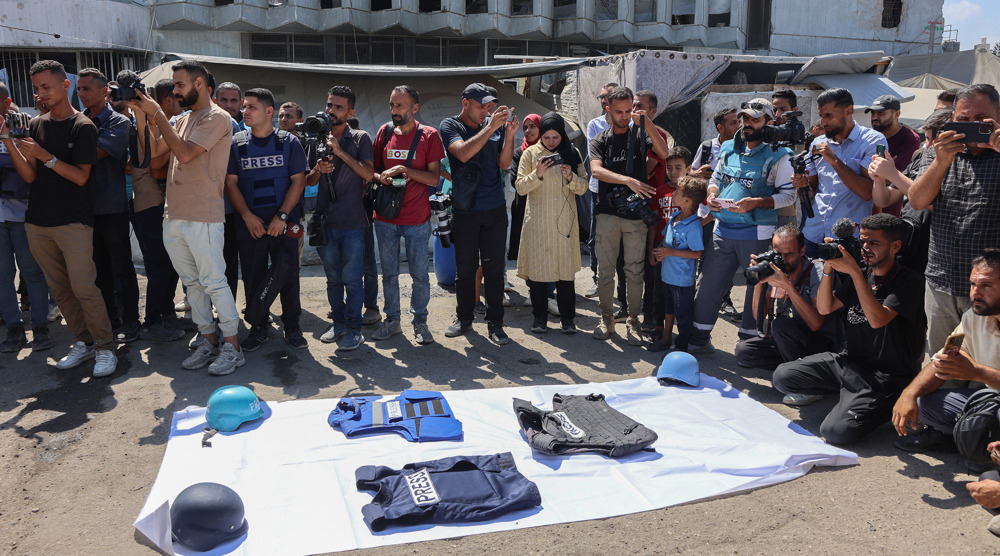
The United Nations Special Rapporteur on Freedom of Expression, Irene Khan, has called it "an effort to kill the story. Israel first de-legitimizes journalists, labeling them as sympathizers of terrorism, and then eliminates them. It's not only about killing journalists; it's about killing the truth".
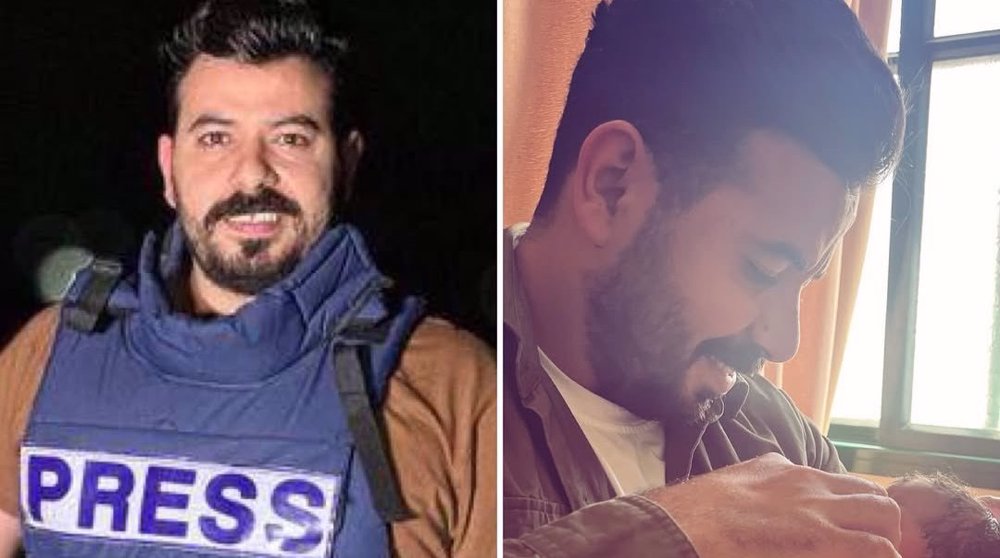
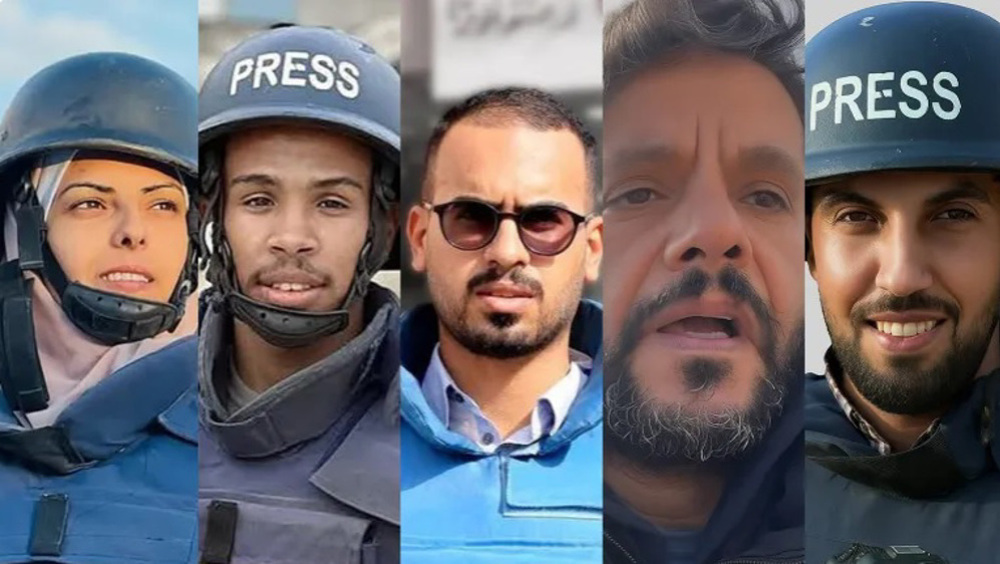
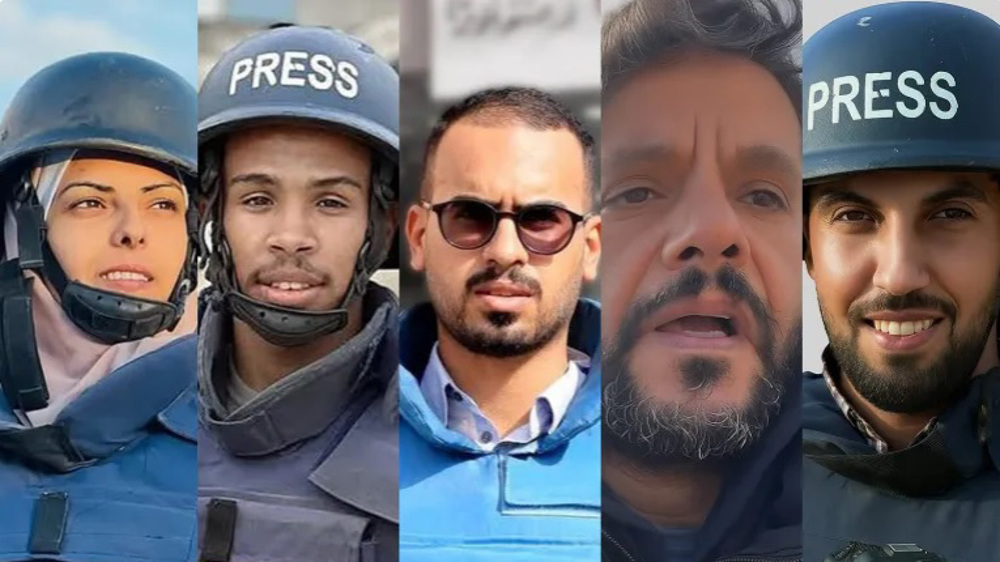
On August 10th, 2025, an Israeli air strike hit a tent sheltering journalists outside al Shafa Hospital in Gaza City. Five Al Jazeera employees were killed. Among them, the network's well known correspondent, Anas Al Sharif.
Only weeks earlier, an Israeli army spokesperson had accused Al Sharif of being a member of Hamas' military wing. His death, like so many others, fits a now-familiar pattern: a public accusation then a strike.

Israel denies deliberately targeting reporters, but human rights groups, the UN, and press freedom organizations have compiled evidence suggesting otherwise.
Reporters Without Borders has filed five separate complaints to the International Criminal Court alleging war crimes and deliberate targeting of journalists in Gaza.
Their most recent filing in August 2025 documents the cases of 30 journalists attacked by Israeli forces, 25 of them killed.
Foreign journalists have been barred from entering Gaza for much of the war. The only exceptions are a small number allowed to accompany Israeli troops under strict military censorship.
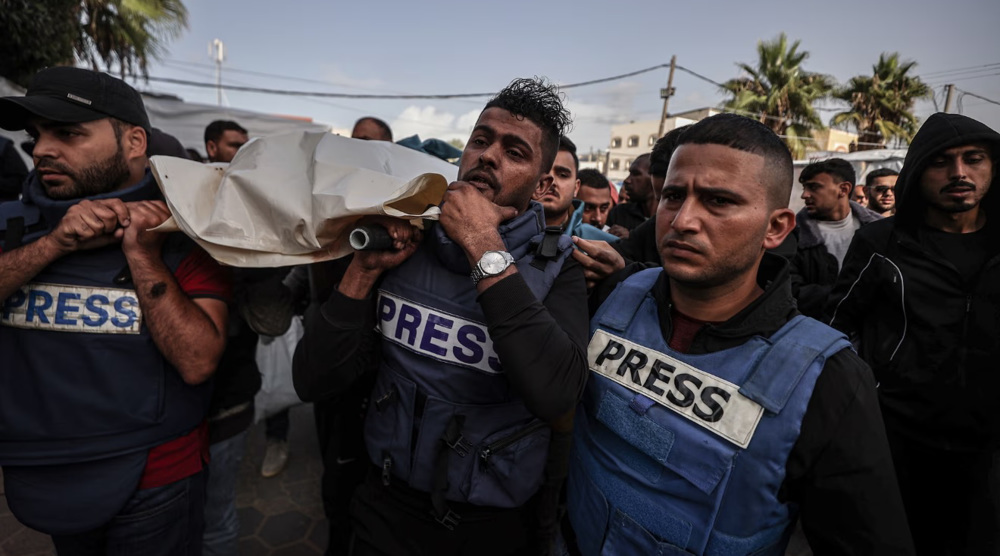
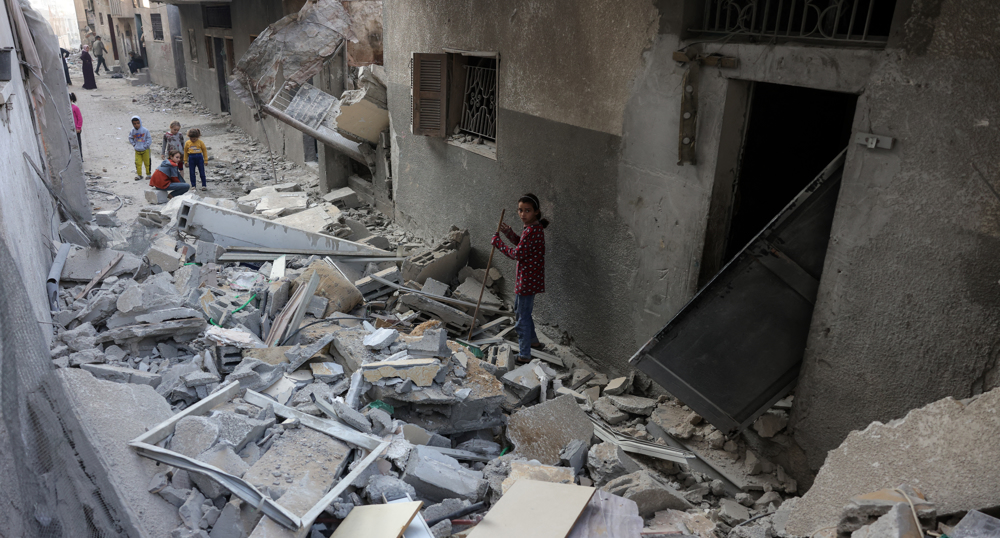
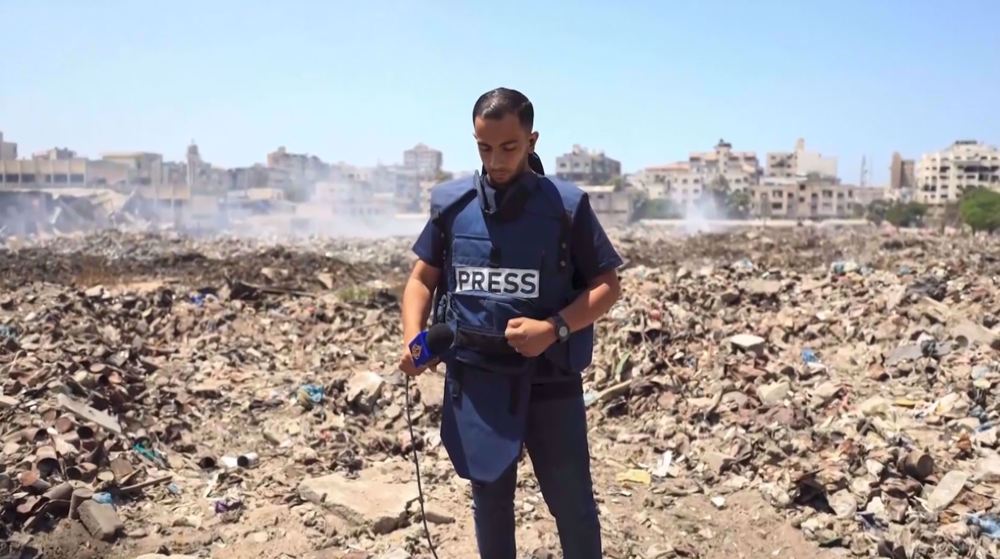
That means the world's understanding of this conflict, the images, the eyewitness accounts, the record of destruction, depends almost entirely on Palestinian reporters working inside the enclave.
These are journalists who have endured displacement, hunger, exhaustion and constant fear, yet continue to record the devastation. With international correspondence kept out, they have become the world's last remaining witnesses.
For Israel, this control of the narrative is no accident. Critics say the regime's campaign to manage what the world sees is as strategic as its military operations; controlling information, they argue, is part of controlling the territory.
Since October 2023, Israel has shut down foreign media access, censored domestic coverage, and outlawed outlets deemed hostile to its war aims.
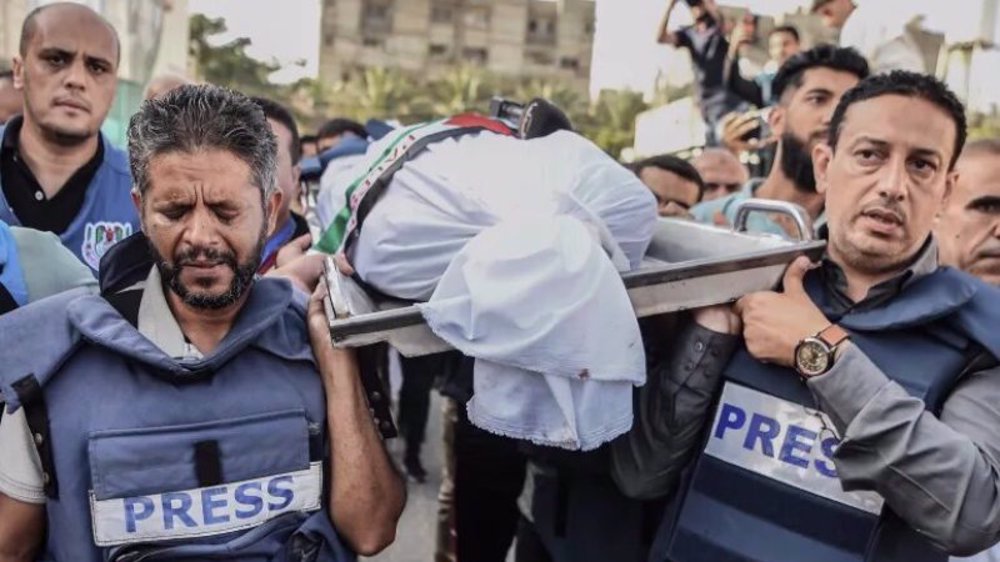
The scale of the loss among journalists is staggering. According to the Brown University Costs of War Project, more reporters have died in Gaza than in all major wars involving American journalists combined, from the US Civil War to the post-9/11 conflict in Afghanistan.
The International Federation of Journalists, which marks its centenary next year, says it has never recorded such a massacre in its ranks.
Gaza, they warn, has become the graveyard of journalism.
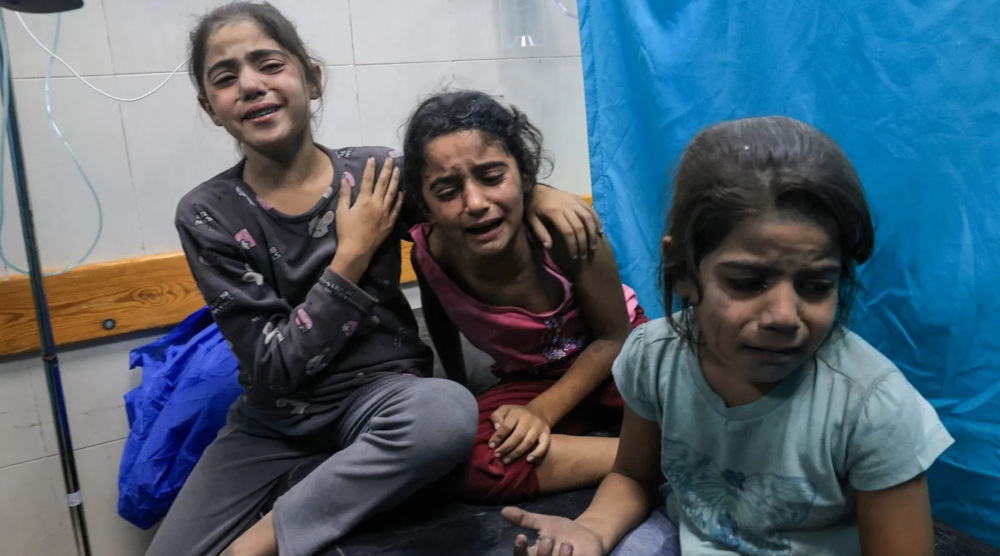
But behind every statistic is a human being, a young camera operator running toward the smoke instead of away from it, a radio correspondent filing one last report before the power cuts out, a mother who texts her children before heading out to film another bombing.
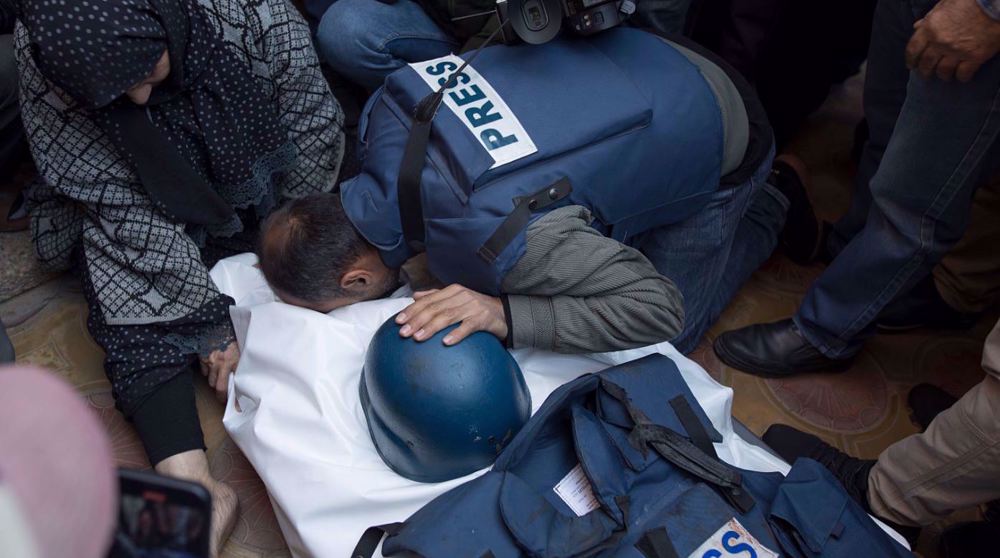
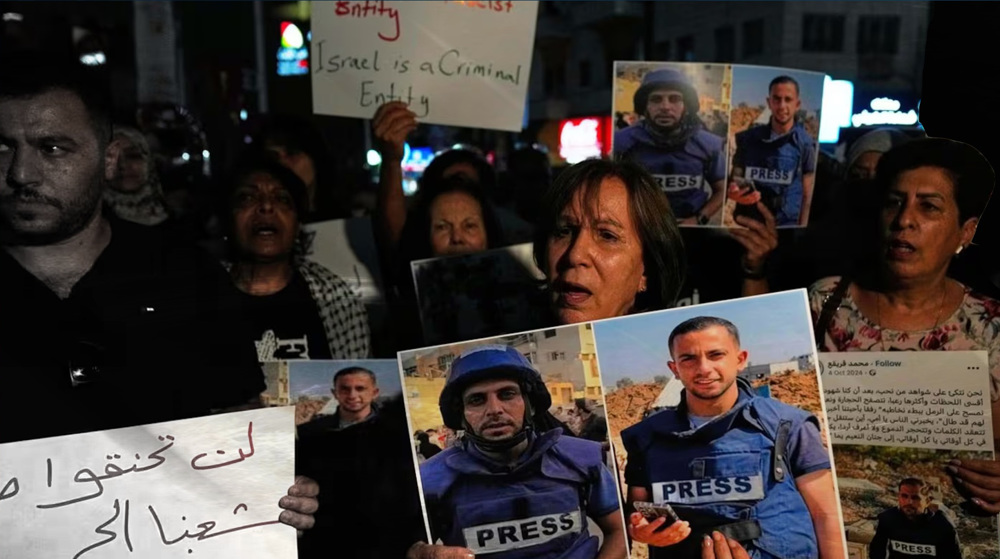
Families wait in vain for loved ones to return from the field. Often what comes back instead is a camera bag or a press vest covered in dust or blood. For many, survival has become secondary to bearing witness.
The war has also exposed the fault lines of Western media itself, even as Palestinian journalists risk everything to document atrocities, their work often struggles to break through global information filters.
In many mainstream outlets, coverage has relied heavily on Israeli official statements and framing.
Language itself has become a battleground.
Despite a UN Commission's finding that Israel's actions amount to genocide, most major Western media have refused to use the word.
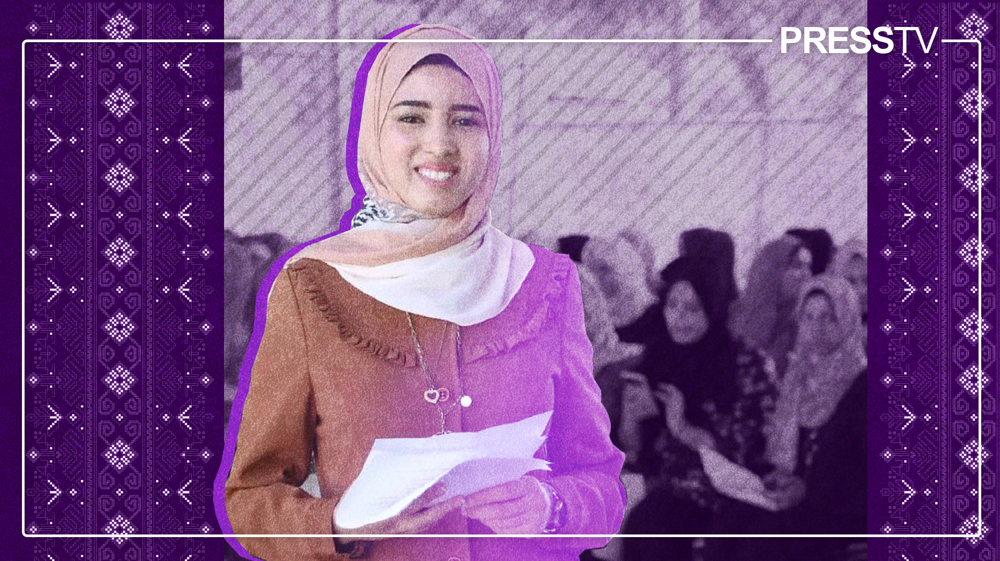
Words are softened, atrocities sanitized, and in the process, the truth that the Palestinian journalists die to reveal is often diluted beyond recognition.
As one media scholar observed, when the images reach Western newsrooms, they are filtered through the need to appear balanced, and that balance often comes at the cost of accuracy.
What makes Gaza so devastating for journalism is not only the number of lives lost, but what those deaths signify.
When governments learn that killing reporters carries no real consequence, it sets a precedent. It tells the world that silencing the press can be a legitimate instrument of war, and the world so far has allowed it.
Neither the United Nations nor the major powers has intervened to protect journalists on the ground.
The United States, Israel's largest military backer, continues to supply weapons, even as evidence mounts of systematic targeting; the silence is deafening.
The maxim taught in every journalism school, no story is worth a human life, was meant as a safety rule, not a surrender. In Gaza, that principle has been tested to the limit. The journalists who remain know the risks.
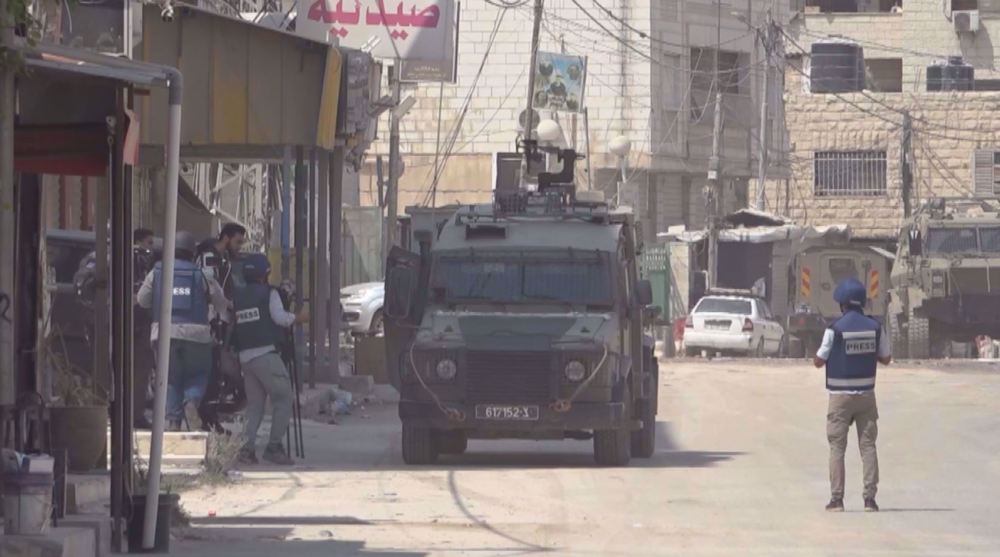
They film from rooftops, knowing that Israeli drones can recognize press vests; they edit stories by flashlight, knowing a strike could end their lives at any moment, and yet they persist, because stopping would mean silence and silence would mean erasure.
Anas Al-Sharif, the Al Jazeera correspondent killed in August 2025, once said in an interview, "we don't want to be heroes, we just want to be heard".
His words now echo as a collective epitaph for the 223 Palestinian journalists who have died since the war began. Their deaths are not just a tragedy for their families or their profession; they are a tragedy for truth itself.
If journalism is the first draft of history, then history is being written in Gaza, in blood and dust. Every fallen reporter is a page torn from that record.
The question for the world is whether we will allow those pages to vanish, or whether we will finally confront what it means to live in a time when killing journalists has become routine, because when the witnesses are gone, the lies remain, and without witnesses, there is no history, only propaganda.
US naval blockade defies international law

'Trump victim of own hubris and his administration's miscalculations
Paris silencing pro-Palestine voices

Iran's firm response to new US maritime aggression proves Strait of Hormuz has only one master
Iran Navy seizes oil tanker Ocean Koi off Oman over violations
US sells more missiles to Arab allies despite dwindling stockpile: Report
Three Israeli soldiers, one settler face charges of spying for Iran
Iran says oil output uninterrupted, eyes new revenue from Hormuz
VIDEO | Protesters in Washington DC slam Israel's persecution of Christians
VIDEO | Protests grow in Spain against Israel’s illegal detention of Gaza aid flotilla activists
VIDEO | Israeli settlement expansion in occupied West Bank threatens Palestinian wheat fields




 PressTV NEWSLETTER
now
PressTV NEWSLETTER
now

 This makes it easy to access the Press TV website
