‘Utterly outrageous’: Lavrov slams West’s use of snapback against Iran
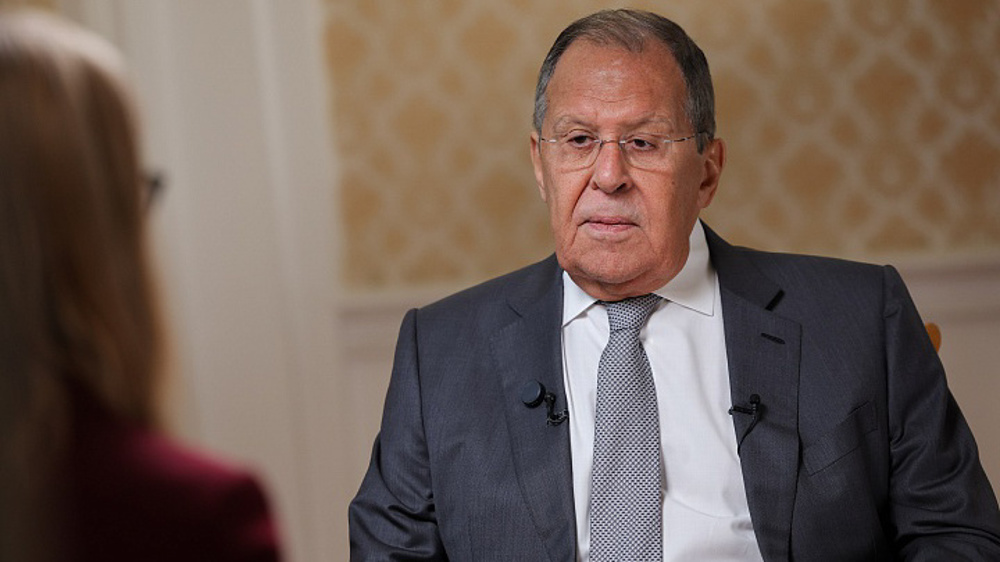
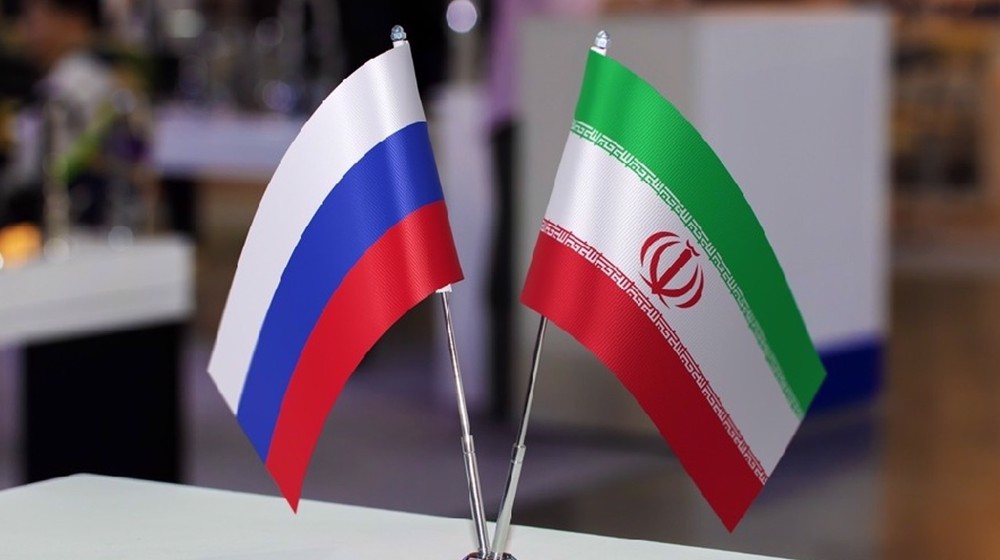
Russian Foreign Minister Sergey Lavrov has branded the West’s attempt to re-impose UN sanctions on Iran through the JCPOA’s snapback mechanism as “utterly outrageous,” saying that Washington and its European allies are abusing international law.
The dispute is rooted in the collapse of the 2015 nuclear deal (JCPOA), which Iran says it upheld even as the United States abandoned it and Europe failed to honor its commitments. The deal placed strict limits on Iran's nuclear activities in exchange for sanctions relief.
However, the United States unilaterally abandoned the deal in 2018, and Europe failed to deliver on its commitments. Iran gradually reduced its obligations, while Western powers escalated pressure. In August, the European trio invoked the snapback mechanism to restore sanctions, a move Iran rejected as illegitimate.
“The idea of re-imposing the sanctions which the West is trying to present as a legitimate legal procedure is utterly outrageous,” Lavrov told RT, Russia’s Foreign Ministry website reported on Thursday.
He argued that Iran had consistently shown restraint and flexibility, even after the US withdrawal. “As you may recall, the resolution approving the Joint Comprehensive Plan of Action on Iran’s nuclear programme was not violated by Iran. The Islamic Republic had been fulfilling it since 2015 when it was first adopted. Then, in 2019, the United States said it did not like the deal and would no longer comply with it.”
Lavrov noted that European powers have been siding with Washington rather than defending their own agreement.
“The Europeans, who were also obliged to fulfill the ‘fruit of their own labour,’ instead of taking a principled stand in favour of preserving the deal, chose to play along with Washington, persuading the Iranians not to take offence and to make more concessions,” he said.
The Russian minister described the snapback mechanism as a tool designed to benefit those seeking to punish Iran regardless of its compliance.
“They punished a country that had not violated a thing and had been fulfilling its obligations until the West walked away from the deal,” he said.
Lavrov also said the West has been deliberately blocking dialogue.
“The West, however, is deliberately going to great lengths to prevent direct talks between Iran and the United States (although Tehran has always been open to them) and to block the resumption of normal cooperation between Iran and the IAEA, as if making a special effort to provoke a major conflict. Perhaps, that is exactly what some parties are looking for,” he said.
The broader context has only deepened Iran’s mistrust. In June, the United States and Israel carried out attacks on Iranian peaceful nuclear facilities in a blatant violation of international law. Tehran responded by halting cooperation with the IAEA, citing the agency’s failure to act against the aggression.
Later, Iran signed a new cooperation framework with the IAEA in Cairo, but officials warned it would not be implemented if sanctions were reimposed.
Russia and China attempted to salvage diplomacy at the UN Security Council in September, but their proposal failed. Days later, Washington and its allies declared sanctions restored.

Lavrov added that Iran’s willingness to sign the JCPOA in the first place reflected its confidence in compliance.
“I am convinced that the Iranians accepted this arrangement for only one reason: they had no intention of violating anything. That is why they signed this unprecedented instrument with a clear conscience and peace of mind—an instrument the West has now grossly abused, turning everything upside down.”
‘West’s game’
Lavrov framed the crisis as part of a wider Western strategy to weaken Iran and destabilize the region, adding that Western states were reviving colonial-era tactics.
“Many actors prefer to keep the [Persian] Gulf Arab states wary of Iran. This is the West’s game. The British have long been known for their divide-and-conquer approach. In this particular case, though, it is not even about divide and conquer, but about pit against one another and conquer,” he said.
Lavrov concluded by stressing that the West’s actions were “plain and simple dishonourable” and a “blatant violation of international law.”
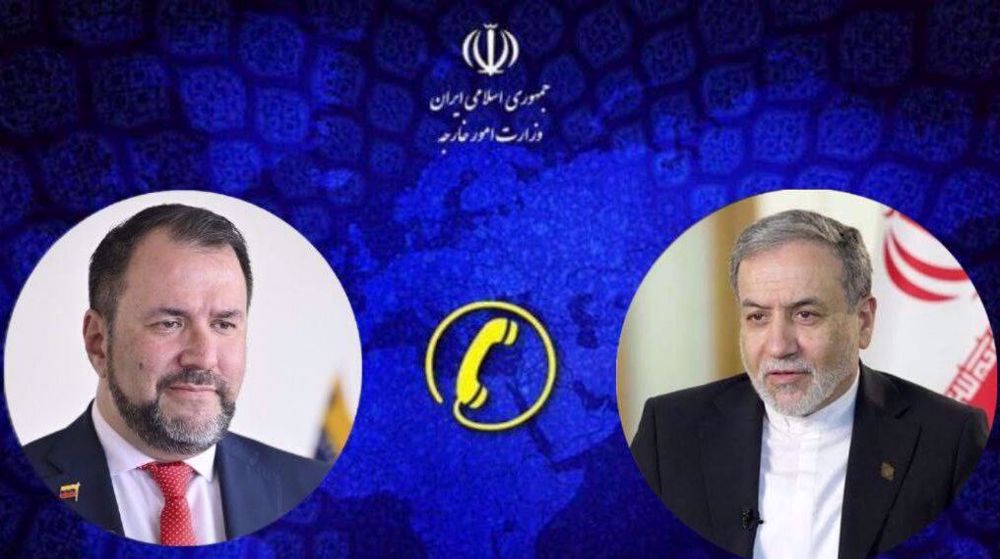
Iran offers condolences, aid to Venezuela after deadly earthquakes
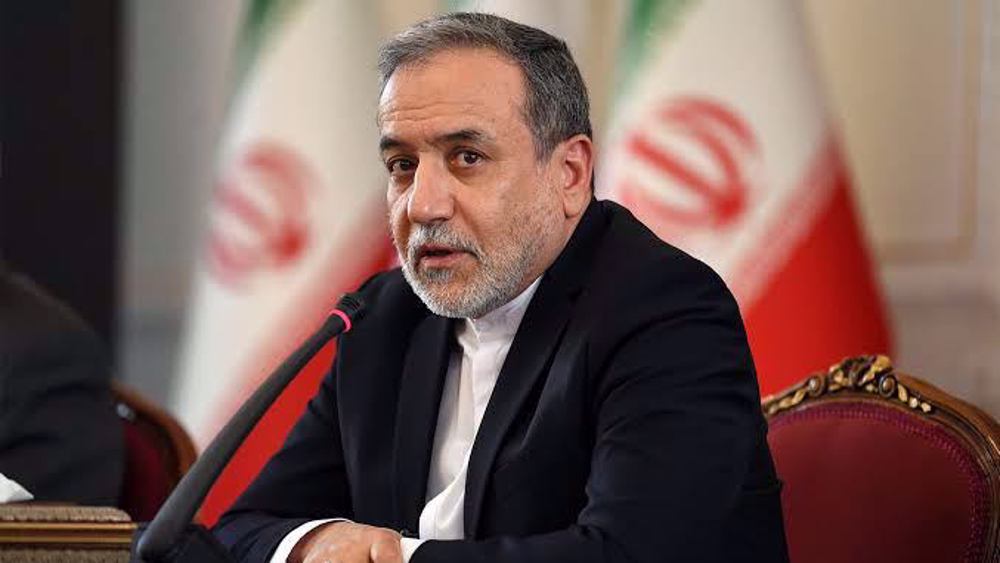
Araghchi honors Sardasht chemical attack victims, hails city as symbol of Iran’s resilience
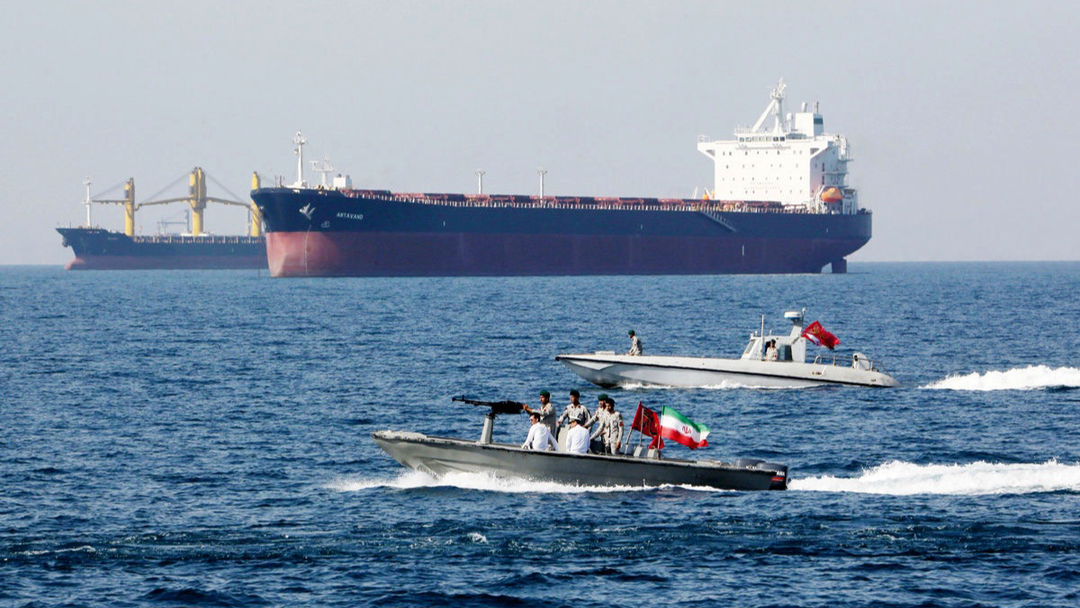
Iran-US communication line in Hormuz political, not military; transit rules unchanged: Source


US CENTCOM reports renewing aggression against Iran
Details announced for funeral ceremonies as nation prepares to bid farewell to martyred Leader
Iran clinches 2026 CAFA Women's Futsal Championship
Israel keeps bombing Lebanon, prepares for long occupation
Mission unaccomplished – IV: Iran’s missile arsenal the US could neither destroy nor negotiate away
Taremi blasts FIFA after VAR heartbreak leaves Team Melli's knockout hopes hanging
Legal experts warn Lebanon-Israel deal could block justice for war crimes victims
Ansarullah: Lebanon-Israel framework agreement meant to destroy resistance




 PressTV NEWSLETTER
now
PressTV NEWSLETTER
now
 This makes it easy to access the Press TV website
