‘No longer safe’: Iran’s new intelligence breakthrough exposes Israel’s 'flying assassins'

By Masoud Khalili
The silence after an explosion is often louder than the blast itself. And on Saturday, in the stillness following Tehran’s latest strategic revelation, the echo was manifestly thunderous.
Israel’s self-proclaimed fortress of air and intelligence supremacy crumbled once again – and this time, no missile was needed.
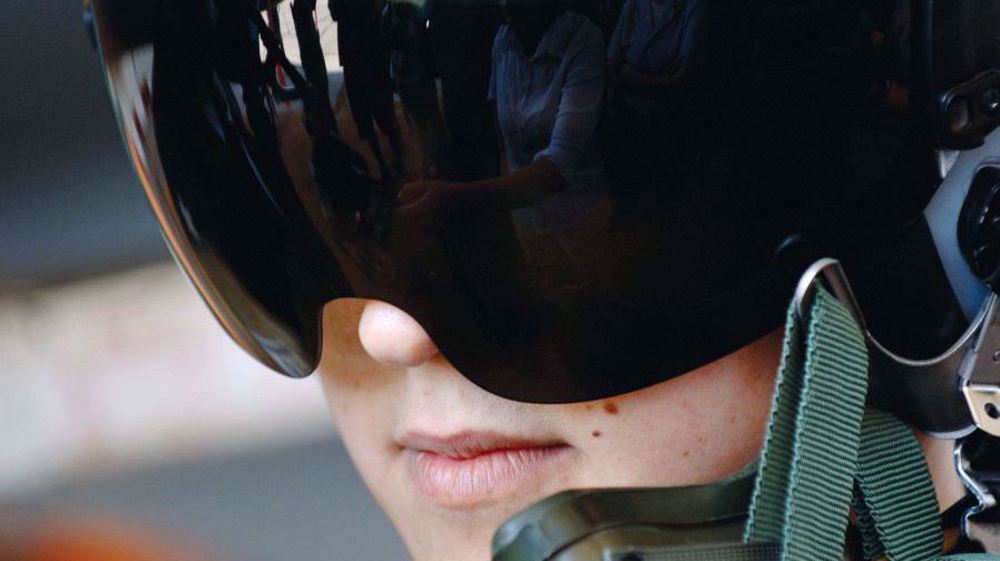
Iranian media released footage containing leaked sensitive data on Israeli Air Force personnel, including comprehensive dossiers on pilots and commanders, their locations, flight histories, and base assignments.
Each name, each photo, each datapoint represented another dagger driven into the myth of Israeli “invincibility,” which was already exposed during the 12-day war of aggression on Iran.
Among the names was Major Yael Ash, the once-celebrated aspirant to restore Zionist “security.” In an earlier interview, she had spoken of her desire to become the regime’s flying savior. Now, ironically, she has become a marked figure, her legacy turned into a liability.
Her grandfather vanished in the fog of the Yom Kippur War. She may yet vanish in a far more digital and calculated storm. Her husband, Bar Prince, is now just as visible, and just as vulnerable. The irony is painful, poetic – and now even deadly.
Iranian intelligence operatives uncover full profiles of Israeli air force pilots, commanders https://t.co/GVbCYe18zR
— Press TV 🔻 (@PressTV) August 3, 2025
Iran’s message couldn’t be clearer – We see you. We know your pilots. We’ve mapped your bunkers. We’ve walked your cyber corridors, while you still believed you were untouchable.
Israeli mass murderers once thrived in the shadows. Iran just turned on the light.
But the Islamic Republic didn’t stop at exposure. It fully knows who they are, where they live, how they operate – and, most chilling of all, it has already acted.
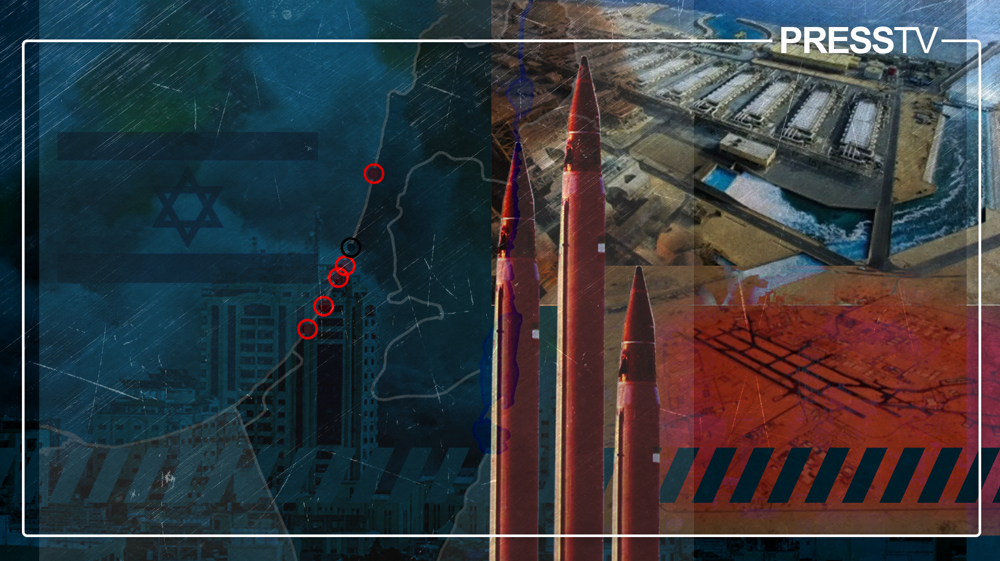
Some of these Israeli air force personnel have seen their homes in cities like Yavne, deep in the heart of the occupied Palestinian territories, struck by precision Iranian missiles.
From now on, every Israeli military pilot preparing for another deadly regional strike will ask themselves: “Am I already marked? Has my address been mapped?”
Trained from adolescence and glorified as “heroes,” they now stand exposed and reduced to vulnerable “assets.” Their faces broadcast, their data compromised, their movements tracked.
In every cockpit now sits a ghost: the creeping fear that they are being watched and tracked meticulously. This is no longer just a morale issue; it has become an existential one.
"Has my name been entered into the ledger of justice?" That’s the question these flying assassins may now ask themselves before being tasked with another suicidal mission.
Because this is what justice looks like in the era of asymmetric warfare. You don’t need aircraft carriers. You need clarity, courage, and conviction.
Iran has delivered all three with remarkable success.
✍️ Explainer: How Iran outsmarted Israel and downed F-35 fighter jets for the first time
— Press TV 🔻 (@PressTV) June 15, 2025
By @kesic_ivan https://t.co/CgDc8G2Q9I
The Iranian retaliatory strikes that targeted the settlements of Israeli air force personnel came in response to Tel Aviv’s so-called “Operation Rising Lion,” launched on June 12, a desperate attempt to regain the initiative by striking Iranian nuclear facilities, senior military officials, atomic scientists, as well as ordinary civilians, including little children.
Those attacks were absorbed, assessed, and answered. Iran’s retaliation through Operation True Promise III was calculated, disciplined, and at the same time, devastating.
On June 19, amid the retaliation, a precision missile strike leveled key research facilities at Ben Gurion University, known to be involved in pilot training and drone warfare development.
Operation True Promise III also struck key Mossad nodes and Israeli military-industrial complexes in the occupied territories with pinpoint precision.
Realizing their vulnerability to direct retaliation, the regime scrambled to shield its military personnel by hiding them among civilians. Many were moved into non-military structures, including schools, in a calculated effort to manufacture outrage if those sites were hit.
It was a propaganda play: risk the lives of settlers and then cry foul.
But Tehran didn’t take the bait. It exposed the tactic. Saturday’s footage revealed it all.
As for the intelligence capabilities that enabled Iran’s calibrated response to the unprovoked and illegal Israeli aggression on Iranian soil, they were no accident.
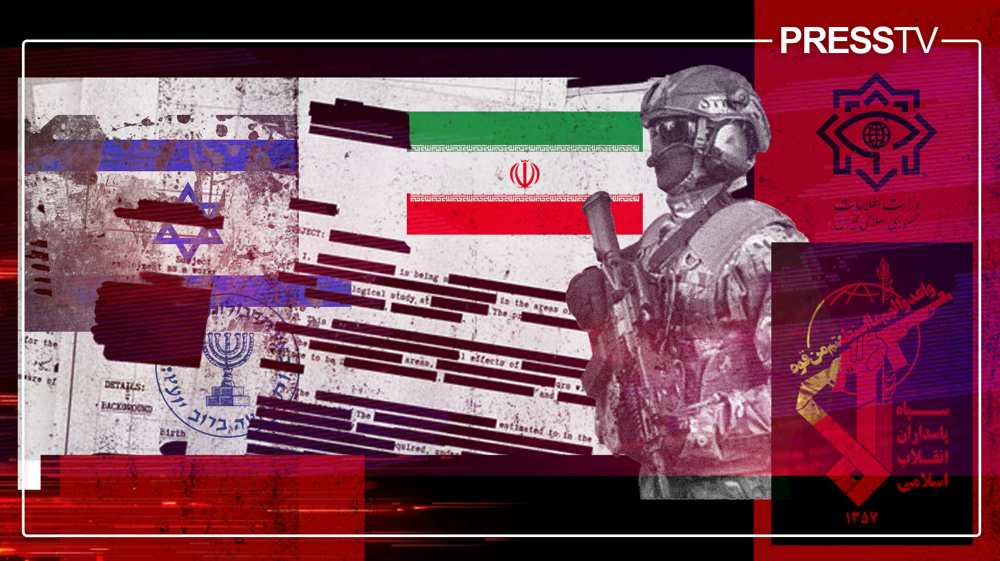
On June 7, less than a week before Israel launched its aggression, Iranian officials publicly confirmed what had long been dreaded in Tel Aviv and anticipated in Tehran: a vast trove of sensitive Israeli documents in Iranian hands.
The leak included everything from nuclear blueprints to internal military correspondence. The message was clear: we know your secrets and we choose when to act on them.
Revealed as a multi-phase operation, this masterstroke showed how the Islamic Republic not only infiltrated Israel’s highly-protected intelligence strongholds but also exposed the strategic nerve centers of Tel Aviv’s war machine – nuclear, military, and industrial
Explainer: Iran's treasure trove of Israeli secret documents
— Press TV 🔻 (@PressTV) June 9, 2025
Follow: https://t.co/mLGcUTSA3Q pic.twitter.com/F7HkTZrYub
No bullets were fired, yet the psychological blow struck deeper than any drone or missile.
This revelation, confirmed reluctantly by Israeli media, was historic in scale, showing how the heart of Zionist deterrence – its supposed technological dominance – was exposed to daylight.
For years, the Islamic Republic has cultivated a counterintelligence doctrine centered on “ma'rifat” – knowledge not merely as awareness, but as dominion.
This doctrine of “information superiority” draws directly from the Islamic Revolution’s foundational logic: Asymmetric confrontation, spiritual conviction, and strategic depth.
From the 1979 takeover of the US embassy (den of espionage), when Iranian students turned shredded CIA files into intelligence mosaics, to the present day, the Islamic Republic has understood that wars are won not just with weapons, but with insight into the enemy’s soul.
The Zionist regime, built on secrecy and perception management, thrives only when its enemies are blind. Once its secrets are brought into the open, deterrence decays from within.
Tehran’s brilliance lies in flipping the script: turning espionage into preemption, secrecy into deterrence, and counterintelligence into ideological power.
“Rising Lion” might have targeted Iranian facilities, but it failed to stop the blowback. Instead, Iran showed how intelligence could be operationalized into real-time retaliation, hitting the regime where it hurts most: Its myth of control.
And it goes, painfully for Tel Aviv and its allies, against the regime’s decades-long endeavor to carefully engineer an illusion of technological edge, of impenetrable missile systems, and of unchallenged intelligence dominance.
Because now, striking Iran means more than war—you write your name on a list. And now that list is being read, one by one.
Masoud Khalili is a Tehran-based writer and strategic affairs commentator.
(The views expressed in this article do not necessarily reflect those of Press TV.)
Senior official: ‘Blood of martyred Leader ignites popular awakening’
‘Speak with respect, Mr. Trump; or Iranians will reply in differnt language’: SNSC chief
Iran owes its military might to martyred Leader; his legacy will be upheld: Commander


Iran will take ‘firm measures’ to safeguard ntl. interests in face of US violations: Senior diplomat
Ex-IRGC chief commander stresses dual revenge for martyred Leader
One-third of Americans believe Israel has committed genocide in Gaza: Poll
VIDEO | Tehran and Qom witness massive funeral processions for martyred Leader
Pezeshkian, Iraqi PM attend official reception for martyred Leader in Najaf
VIDEO | Large funeral turnout strengthened legacy of Iran's martyred Leader
VIDEO | Press TV's news headlines
President Pezeshkian arrives in Najaf ahead of funeral ceremony for martyred Leader


 PressTV NEWSLETTER
now
PressTV NEWSLETTER
now
 This makes it easy to access the Press TV website
