Russia’s Medvedev: Strait of Hormuz gives Iran deterrence as powerful as nuclear weapons
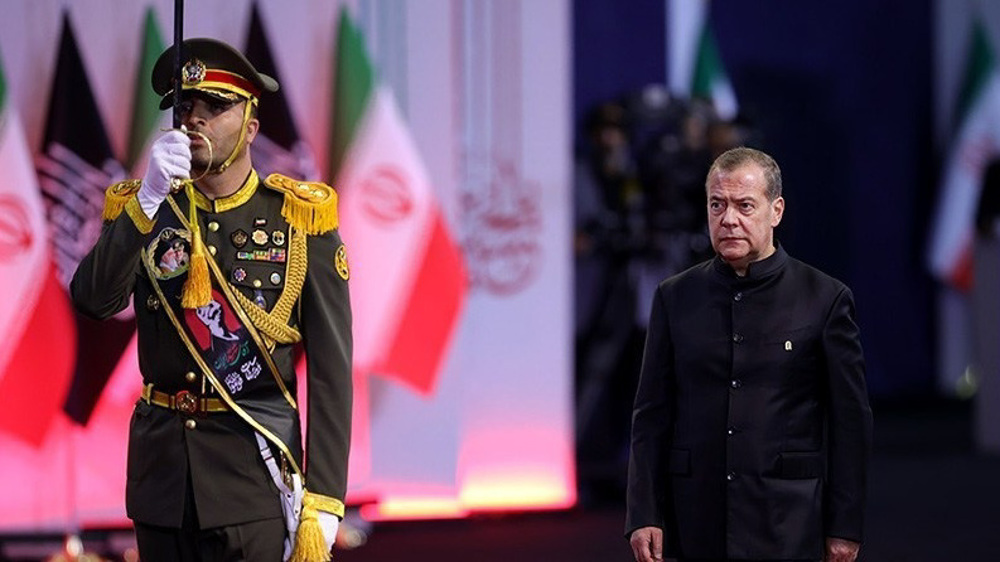
Russian Security Council Deputy Chairman Dmitry Medvedev has described the Strait of Hormuz as a strategic asset for Iran comparable in importance to nuclear deterrence, saying Tehran's ability to influence one of the world's most vital shipping routes gives it significant geopolitical leverage.
Speaking after a visit to Tehran on Saturday, Medvedev said the Strait of Hormuz has effectively become a strategic instrument for Iran, arguing that its deterrence power to the country is "no less than a nuclear weapon."
He added that Iran also possessed a "backup weapon" in the Bab el-Mandeb Strait, warning that shipping through the key maritime chokepoint could be disrupted in the event of a broader regional conflict.
"I hope it does not come to that, but all countries seeking conflict in the region should remember this," Medvedev said.
The former Russian president also commented on ongoing diplomatic efforts between Tehran and Washington, describing the recently signed Memorandum of Understanding (MoU) as a basis for future negotiations.
However, he said significant differences remained between the two sides, predicting that reaching a comprehensive agreement would be "extremely difficult."
According to Medvedev, lifting sanctions on Iran is likely to face considerable obstacles, as not all political forces in the United States support sanctions relief. He also said securing funding for Iran's reconstruction would be a major challenge.
Elsewhere in his remarks, Medvedev sharply criticized recent US military strikes on Iran, calling them "completely unprovoked" and arguing that there had been no justification for the attacks.
He went on to say the strikes were launched while negotiations between Tehran and Washington were underway, describing the move as evidence of “a breakdown in international legal norms.”
The Russian official also said Moscow had previously proposed a peaceful approach to resolving concerns surrounding Iran's nuclear program, maintaining that negotiations remained preferable to military confrontation.
During his visit to Tehran, Medvedev also met with Iranian President Masoud Pezeshkian. He said the two sides discussed the possibility of establishing a platform for countries under sanctions to coordinate efforts against "illegal" restrictive measures.
He said the initiative, originally proposed by Iran several years ago, could eventually take the form of an international agreement or organization bringing together sanctioned states.
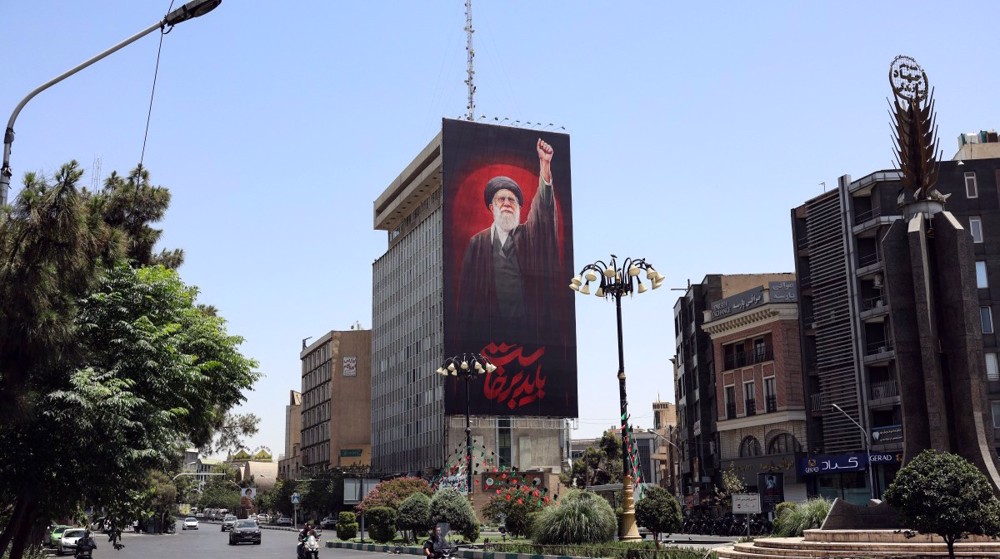
Medvedev traveled to Iran as a special envoy of Russian President Vladimir Putin to convey Moscow's condolences during farewell ceremonies for the martyred Leader of the Islamic Revolution, Ayatollah Seyyed Ali Khamenei.
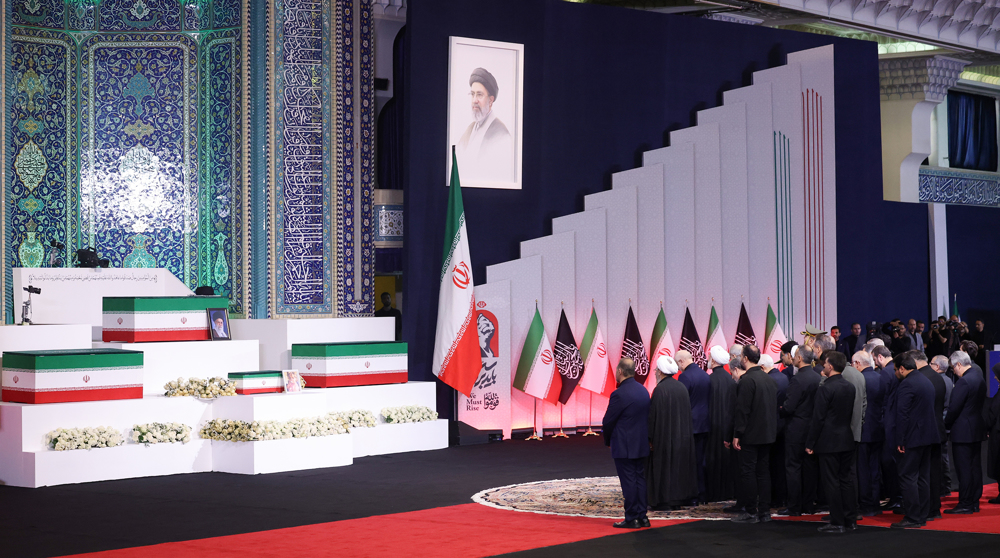
Ayatollah Khamenei was martyred following the launch of the latest bout of unprovoked American-Israeli aggression against Iran on February 28.
The aggression, which also claimed the lives of senior officials and countless ordinary civilians, prompted Iran to respond by staging at least 100 decisive and successful retaliatory strikes against sensitive and strategic American and Israeli targets. The reprisal forced the US to announce a unilateral ceasefire on April 7.
Days after the unprovoked war was launched against Iran, the Islamic Revolution Guards Corps (IRGC) also imposed restrictions on transit through the Strait of Hormuz, leaving hundreds of vessels and tankers linked to the aggressors stranded in the Persian Gulf.
During the war, Iranian authorities asserted that the world's vital energy lifeline, through which nearly one-fifth of global oil typically passes, was open to everyone except the US, Israel and their allies.
The restrictions sent global energy prices soaring, with experts warning that the impact could escalate to historic levels if the confrontation continued.
Iran warns of ‘strong’ response to any ceasefire violation, vows closer defense ties with Pakistan
'Hard, unexpected blows' will continue after Leader's martyrdom: IRGC commander
Top commander says martyred Leader’s defense strategy delivered battlefield victory


Netanyahu pressured Israeli intelligence to declare Iran's nuclear program destroyed: Report
Ayatollah Khamenei’s martyrdom inspired Muslims in pursuit of unity: Pezeshkian
VIDEO | Cuba stands in solidarity with Venezuela amid tragedy caused by twin earthquakes
Martyr Ayatollah Khamenei was pillar of support for Palestine: Islamic Jihad
VIDEO | Expo highlights growing Iran-Afghanistan economic cooperation
VIDEO | Press TV's news headlines
VIDEO | Breaking the siege: Sana'a confronts Saudi aggression, asserts sovereignty
Iran doesn’t trust US, will give 'decisive response' to any MoU violation: Acting defense minister


 PressTV NEWSLETTER
now
PressTV NEWSLETTER
now
 This makes it easy to access the Press TV website
