Iran, Oman FMs discuss administration of Hormuz Strait in ‘very productive’ call
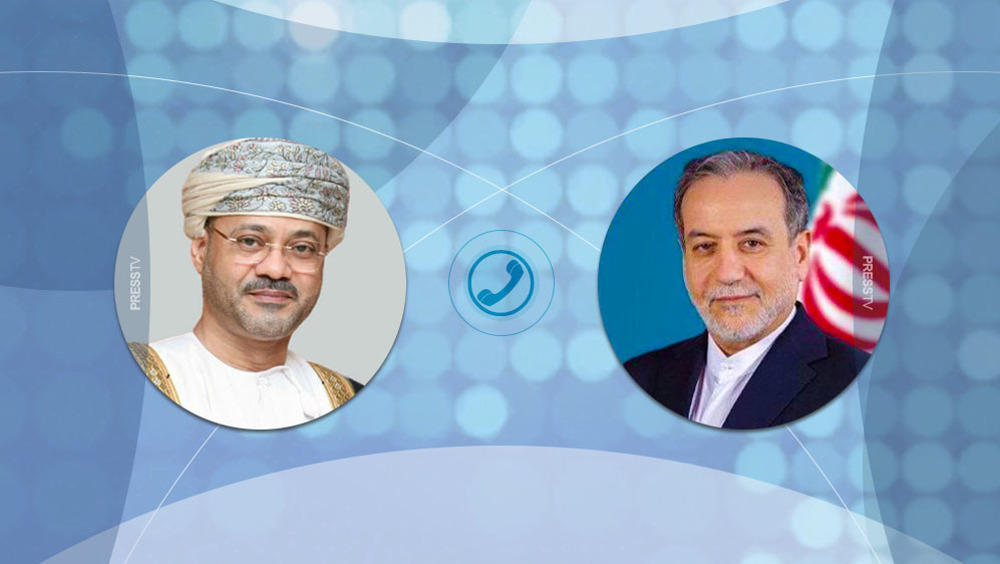
Iranian Foreign Minister Abbas Araghchi says he discussed the Strait of Hormuz and its future administration with his Omani counterpart amid heightened tensions in the strategic waterway.
In a post on his X account on Friday, Araghchi said he had a “very productive call” with Omani Foreign Minister Badr bin Hamad Al Busaidi about the legal management of the Hormuz Strait, a critical maritime corridor through which a significant share of the world’s energy trade passes.
“We discussed Hormuz and its future administration in line with our sovereign responsibilities and international law,” the top Iranian diplomat added.
Iran shut down the strait to its enemies and their allies after the unprovoked US-Israeli aggression. Iranian authorities began enforcing much stricter controls last month following US President Donald Trump’s announcement of a blockade targeting Iranian vessels and ports.
Tehran says the measures violate the terms of a Pakistan-brokered ceasefire that took effect on April 8 and was later extended unilaterally by Washington.
Araghchi further noted that he has expressed Iran’s solidarity with Oman in the face of threats posed by Washington against the Arab country.
“We welcome consultation with all neighboring states,” the Iranian foreign minister emphasized.
Meanwhile, Iran’s Ministry of Foreign Affairs said in a statement that Araghchi has assured his Omani counterpart that the responsible strategies taken by Tehran and Muscat to ensure safe navigation in the Strait of Hormuz are based on international law and serve the interests of the international community.
He outlined the latest status of indirect talks between Iran and the United States, mediated by Pakistan, saying a final memorandum will be reached only if the American side ends its “excessive approach and contradictory positions”.
The top Iranian diplomat reiterated that the Islamic Republic remains serious and steadfast in pursuing its absolute and legitimate rights and interests.
He praised Oman’s “principled and responsible” approach regarding regional peace and security and its constructive role as mediator in previous rounds of the Iran-US talks, which faced a lack of commitment from the American side.
Indirect talks between Iran and the US, mediated by Pakistan and facilitated by Qatar, continue based on the Islamic Republic's 14-point proposal to reach a memorandum aimed at putting an end to the US-Israeli imposed war, halt American maritime aggression, and secure the release of Iran’s blocked assets.
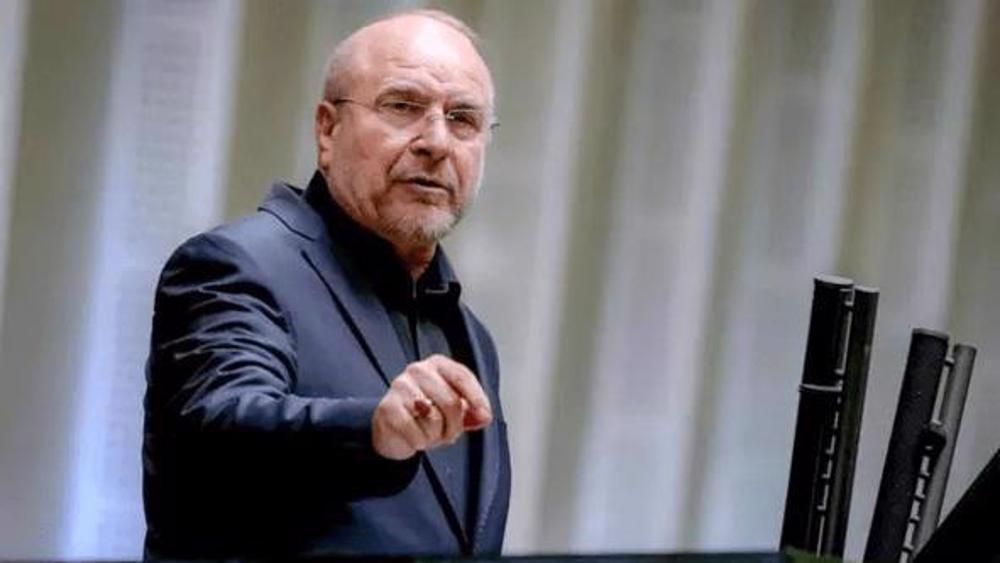
In a post on his X account on Friday, Iran's top negotiator in talks with the United States Mohammad Baqer Qalibaf reiterated Tehran’s lack of trust in the opposite side, saying the Islamic Republic gains concessions not through negotiations, but through missiles.
“The winner of any agreement is the one who prepares better for war from the day after,” the Iranian Parliament speaker added.
Elsewhere in the phone conversation, the Iranian foreign minister condemned “threatening rhetoric” by the United States against Oman.
On Wednesday, US President Donald Trump had said he would "blow up" Oman if it agreed to work with Iran to share control of the Strait of Hormuz.
Reacting to those remarks, Iranian Foreign Ministry spokesman Esmaeil Baghaei described the menacing rhetoric as "an attempt to blackmail an independent UN member state and yet another sign of the moral bankruptcy of the American system of governance and policymaking."
During the Friday call with his Omani counterpart, Araghchi also slammed crimes committed by the Israeli regime in Lebanon and the occupied Palestinian territories.
He said regional countries, the Organization of Islamic Cooperation, and the United Nations are morally and legally responsible to take urgent action to end Israel’s acts of aggression against Lebanon and continued genocide of the people of Palestine.
The top Iranian and Omani diplomats also discussed ways to expand bilateral relations and strengthen cooperation aimed at promoting trust, peace, and stability in the region.
President Pezeshkian says Iran will stand by deal only if US does

Iran says talks with US contingent on implementation of key MoU provisions
Iran says only it can demine Strait of Hormuz under MoU with US



Hezbollah MP blasts ‘sell-out’ government, says Lebanon central to any Iran-US deal
Israeli army demolishes buildings across Gaza as ceasefire violations continue
VIDEO | Press TV's news headlines
VIDEO | Thousands displaced by earthquake in Venezuela receive temporary shelters
Iran will respond decisively to any ceasefire violation: Acting defense minister
Trump criticized Spain for not meeting NATO spending targets
Arab League, Arab Parliament condemn repeated Israeli attacks on Syria
Management of Strait of Hormuz solely Iran’s responsibility: Senior MP


 PressTV NEWSLETTER
now
PressTV NEWSLETTER
now
 This makes it easy to access the Press TV website
