Iran's unprecedented aviation comeback from US-Israeli terrorism
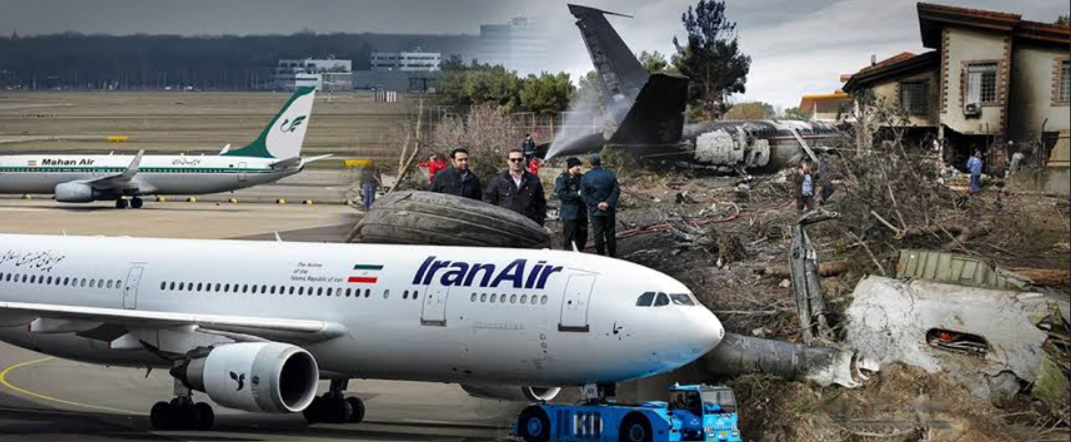
Tabriz International Airport resumed operations on Wednesday, nearly two months after it was put out of service by airstrikes during the 40-day terrorist war launched by the United States and Israel.
The airport, which serves as the third-busiest international gateway in the country, had sustained the heaviest damage among the country's airports due to direct hits to its control tower and parts of its main runway.
With this reopening, the number of Iranian airports brought back into operational service since the end of the war has reached 21.
That represents approximately 40 percent of the country's civilian airport network, all of which had been either fully or partially incapacitated by the military aggression.
The speed of the recovery has surprised regional observers, many of whom had expected a much longer disruption to Iranian civil aviation.
The US-Israeli terrorism deliberately targeted non-military infrastructure across Iran. Airports were the direct target, as control towers, runway surfaces, navigation aid systems, and ground-to-air communications equipment in multiple cities were deliberately struck.
Tehran, Tabriz, Kermanshah, Ahvaz, Urmia, Ilam, Abadan, Isfahan, Shiraz and Rasht all saw their civilian aviation facilities bombed.
The targeting of passenger terminals and air navigation infrastructure sits outside the provisions of international humanitarian law, which explicitly protects civilian objects from direct attack.
Following a ceasefire, a staged, technically driven reconstruction program began in the east, which was farther from the war theater, preventing a prolonged closure of Iranian airspace.
Within two weeks of the ceasefire, airports in Mashhad, Zahedan, Kerman, Yazd, and Birjand had returned to full operation, driven by operational logic.
Eastern corridors connect Iran to neighboring countries that had remained open during the war, and preserving those routes allowed a rapid resumption of overflight revenue.
Before the war, Iranian airspace carried thousands of transit flights annually, generating a steady stream of foreign exchange. Restoring the eastern corridor first meant that income from overflights could restart while western airports were still being repaired.
Once the eastern network was stabilized, reconstruction moved to the center and then to the west.
Airports in Isfahan, Shiraz and Yazd were placed on temporary 24-hour schedules to manage the return of Hajj pilgrims, a politically and economically sensitive traffic flow. At the same time, repair teams worked on Kermanshah, Ahvaz and Urmia.
Tabriz, though the most difficult case, successfully overcame extensive damage to its control tower through a comprehensive rebuilding effort that included both structural repair and the full reinstallation of navigation and communications equipment.
That it is reopening now, within two months of the end of the war, is a measure of what the Iranian civil aviation sector has been able to achieve internally. The reconstruction has been carried out without foreign equipment or foreign technical personnel.
Decades of sanctions had already forced Iran's aviation industry to source parts domestically or through reverse engineering.
Navigation aids, radar components and communications systems that would normally be imported were either already in inventory as locally produced substitutes or were rebuilt by Iranian engineers.
The war became an unplanned stress test of that forced self-sufficiency. The achievement of having 21 airports operational in under two months significantly outperforms international benchmarks for post-war infrastructure recovery, which typically span six months to two years.
Current air traffic data shows that Iran's flight exchanges with Turkey, Armenia and Azerbaijan are already running around the clock. The exchange with Iraq is active during limited hours, with plans to extend to 24-hour operation in the coming weeks.
Western and northwestern corridors, despite having been the most heavily targeted, are gradually returning to normal schedules.
Domestic routes that connected Tabriz to Tehran, Mashhad, Kish, Shiraz, Isfahan and Kerman before the war resumed from Wednesday. International routes from Tabriz to Istanbul, Baghdad, Dubai, Baku and Hamburg are also being reinstated in phases.
According to civil aviation officials, talks with foreign carriers on bringing overflights back to Iranian airspace have begun.
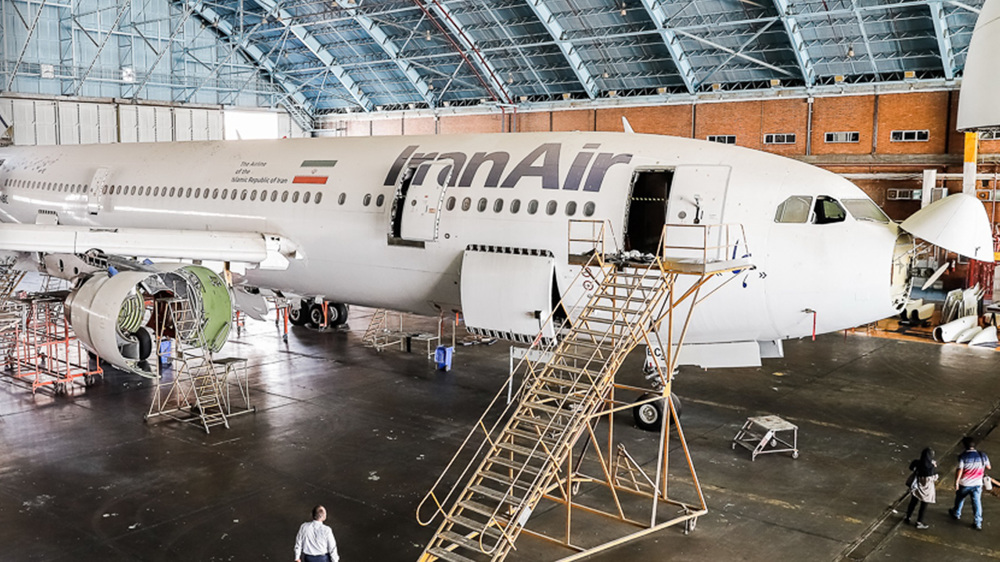
The reopening of 21 airports within two months has economic consequences that go beyond aviation.
Airports in Iran, particularly in provincial capitals and border cities, function as logistics hubs that handle air cargo, passenger transit, fuel supply, and ground services, while also providing direct employment.
When an airport stays closed, the economic effect ripples outward through hotels, transport companies, freight forwarders and retail operations that depend on passenger flows.
Tabriz is a case in point. Before the war, the airport was a major node in the air freight corridor linking Iran to Turkey and Europe.
The corridor offered a shorter route for cargo moving between Europe and Central Asia than alternatives passing through the Arabian Peninsula or Russia. Shorter routes mean lower fuel burn and lower operating costs.
Before the war, overflights contributed a meaningful share of Iran's aviation revenue, with industry estimates placing the annual value in the hundreds of millions of dollars. That revenue stream had stopped completely during the war.
The remaining damaged airports are scheduled to reopen on a staggered timeline. Urmia and Ilam are expected to resume operations by mid-June. Abadan and Rasht are planned for late June. Smaller airports will follow through the summer.
The past two months have proven that Iran's aviation infrastructure can be repaired far faster than most external analysts expected, and there is every reason to anticipate a similarly swift recovery of domestic, regional, and overflight traffic to pre-war levels.
Iran, Pakistan forge blueprint for Islamic economic integration
US Treasury issues waiver for Iranian oil exports under Islamabad MoU
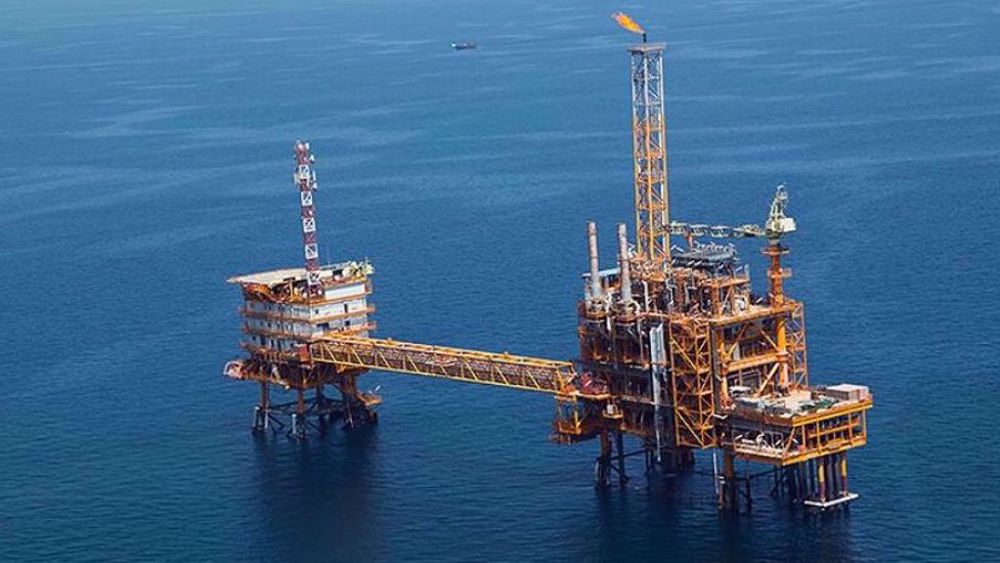
Super-sized drilling rig installed at Iranian offshore oilfield



How mistreatment and bias against Iran at US-hosted 2026 World Cup became FIFA's indelible stain
Strait of Hormuz Iran's greatest source of leverage; no retreat on sovereign rights: Parl. speaker
Lebanese parliament speaker vows to block US-brokered agreement with Israel
Iran, India have great potentials to expand relations: Pezeshkian
VIDEO | Access to cemeteries dwindles in Gaza as Israel expands control over land
Israel arrests US citizen on suspicion of contact with Iranian intelligence
Woman accusing Trump of sexual assault in Epstein case fears for her life, relative says
Iran team thanks Mexico, questions World Cup fairness in farewell message from Tijuana


 PressTV NEWSLETTER
now
PressTV NEWSLETTER
now
 This makes it easy to access the Press TV website
