Iran, Oman negotiating new transit framework for Strait of Hormuz: Iranian official
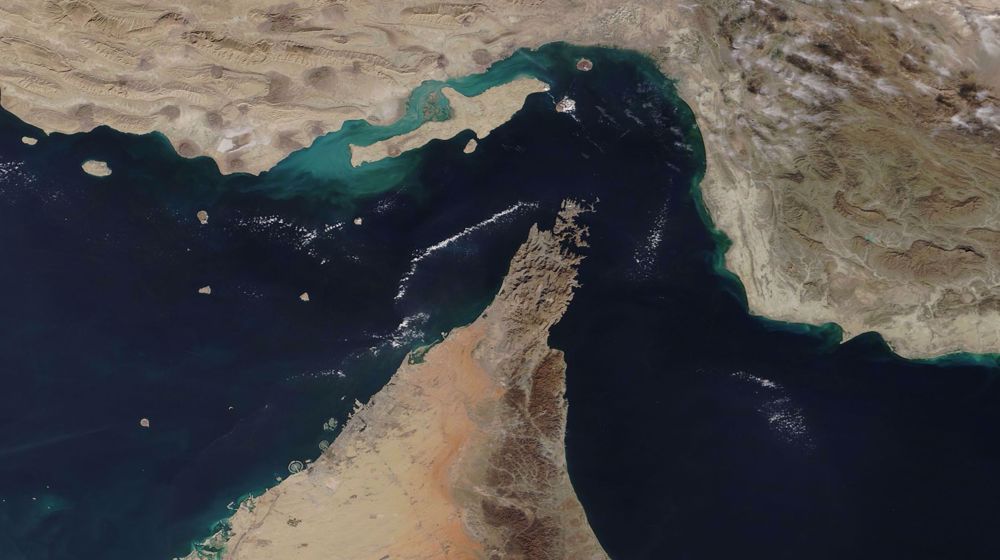
Deputy Secretary of Iran’s Supreme National Security Council (SNSC) Ali Bagheri Kani says Iran and Oman are negotiating a new framework for maritime transit through the Strait of Hormuz, stressing that passage through the strategic waterway will no longer follow previous arrangements.
Bagheri made the remarks during a press conference on Wednesday on the sidelines of the 14th International Security Forum, which opened in Moscow, Russia, on Tuesday.
He emphasized that the conditions governing transit through the strait will differ substantially from those that existed before the US-Israeli war of aggression against Iran that began on February 28.
“Iran and Oman, as neighbouring littoral states, are jointly negotiating a new mechanism for the passage of ships through the Strait of Hormuz,” he said. “The conditions and procedures governing passage through the strait will be completely different from those that existed before the conflict against Iran began.”
In response to a question about whether any agreement had been reached between Iran and the United States regarding the reopening of the Strait of Hormuz, Bagheri stated, “As long as we have not reached agreement on all issues, we believe that we have not reached agreement on anything.”

He confirmed that indirect contacts between Tehran and Washington are ongoing, adding that Iran’s stockpiles of enriched uranium “are not on the agenda of the negotiations.”
Donald Trump announced a unilateral ceasefire on April 7 after at least 100 waves of Iranian retaliation and following the Islamic Republic’s closure of the Strait of Hormuz, which carries a fifth of the world’s oil and gas, to its enemies and their allies.
The closure of the strategically vital waterway unleashed shockwaves across global energy markets, including in the United States, where rising gas prices further eroded Trump’s already low approval ratings.
Geographically and legally, Iran and Oman are the two coastal states responsible for overseeing navigation in the narrow strait, which links the Persian Gulf to the Gulf of Oman and the open ocean.
As the shipping lanes fall within their territorial waters and maritime jurisdictions, any long-term security or transit arrangement in the Strait of Hormuz requires close coordination between Tehran and Muscat.
President Pezeshkian says Iran will stand by deal only if US does

Iran says talks with US contingent on implementation of key MoU provisions
Iran says only it can demine Strait of Hormuz under MoU with US



Trump criticized Spain for not meeting NATO spending targets
Arab League, Arab Parliament condemn repeated Israeli attacks on Syria
Management of Strait of Hormuz solely Iran’s responsibility: Senior MP
Martyred Leader's funeral to serve as global movement against terrorism, US-Zionist crimes: Army
2026 World Cup: Iran prepares to depart Mexico after 24-day stay in Tijuana
At UN Security Council, Palestine envoy urges world to stop Israeli annexation
Two IRGC servicemen martyred in terror attack in western Iran
VIDEO | Pakistan launches fourth cross-border strikes inside Afghanistan


 PressTV NEWSLETTER
now
PressTV NEWSLETTER
now
 This makes it easy to access the Press TV website
