US naval blockade against Iran ‘illegal’, amounts to ‘war crime’: Envoy
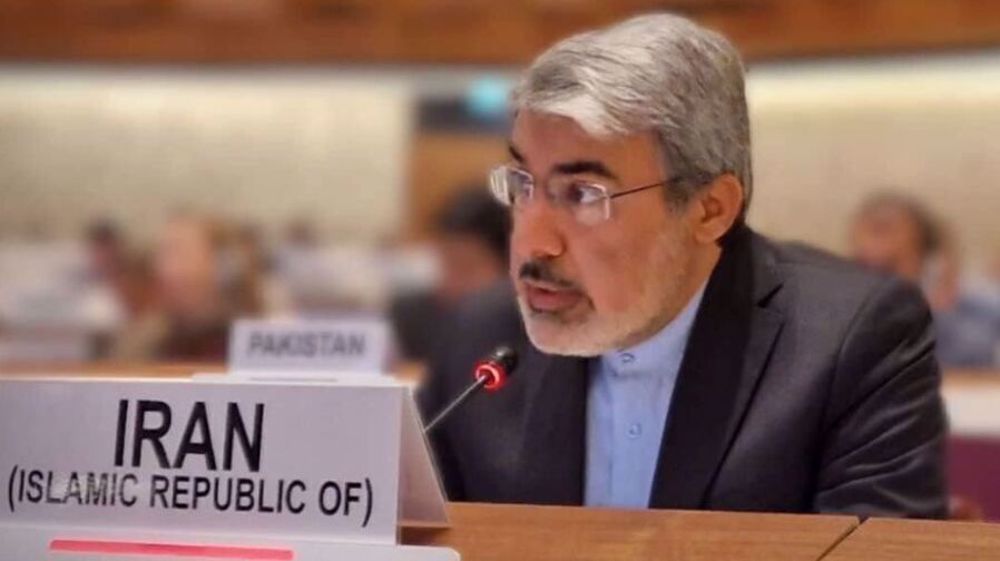
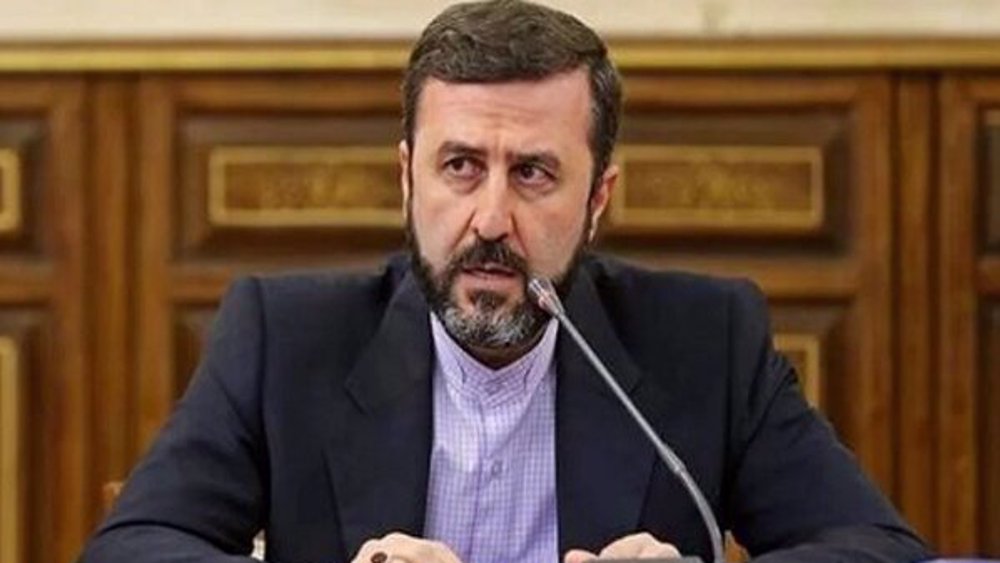
Iran's ambassador and permanent representative to the UN office in Geneva, Ali Bahraini, has warned against the humanitarian impact of the “illegal” US naval blockade against the Islamic Republic, stressing that it constitutes “a war crime”.
In a letter addressed to UN High Commissioner for Human Rights, Volker Turk, the Iranian envoy referred to the consequences of these “illegal” US measures on the human rights situation in Iran.
He stressed that this "unilateral naval blockade", which is being imposed within the framework of unilateral coercive measures and as part of an ongoing pressure campaign against Iran, has had widespread humanitarian impact.
The Iranian envoy warned that if this blockade continues, it will seriously threaten the fundamental rights of the Iranian people, including the right to development, access to basic goods and services, as well as the right to health and access to medical equipment.
Bahraini emphasized that this naval blockade violates the principles of international law and “constitutes a war crime” due to its severe impact on civilians, including depriving them of food and essential goods.
US launched this war on Iran, believing that maximum pressure would yield maximum compliance. It produced the opposite.
— Press TV 🔻 (@PressTV) May 10, 2026
Every tool of coercion – economic blockade, naval harassment, diplomatic deadlines – has been effectively countered and neutralized.https://t.co/TyeygjwZli https://t.co/Bjj0uSga1w
He has called on Turk to investigate and monitor the effects of this illegal naval blockade, especially on the right to health, food security, and access to medical supplies and services, as well as the livelihoods of the people of southern Iran.
The letter noted that the current situation in the region is the result of the blatant and unlawful US-Israeli aggression against the Islamic Republic, stressing that these two regimes hold responsibility for the consequences of their inhumane actions.
The US and Israel started a fresh round of aerial aggression on Iran on February 28, some eight months after they carried out unprovoked attacks on the country.
Iran began to swiftly retaliate against the strikes by launching barrages of missile and drone attacks on the Israeli-occupied territories as well as on US bases and interests in regional countries.
Explainer: The so-called US naval blockade now enters its second month, causing global economic fallout, including soaring oil prices, rising inflation, and higher living costs for American households.
— Press TV 🔻 (@PressTV) May 16, 2026
Follow Press TV on Telegram: https://t.co/LWoNSpkJSh pic.twitter.com/ahGdPtQhQS
Iran also shut down the Strait of Hormuz to its enemies and their allies following the unprovoked aggression.
Iranian authorities introduced much stricter controls last month after US President Donald Trump announced a blockade targeting Iranian vessels and ports.
Tehran says the measures violate the terms of a Pakistan-brokered ceasefire that took effect on April 8 and was later extended unilaterally by Washington.
The Islamic Republic insists it will not reopen the Strait of Hormuz, through which one-fifth of the world’s oil and gas supplies pass, unless the illegal blockade is lifted and the war reaches a permanent end.
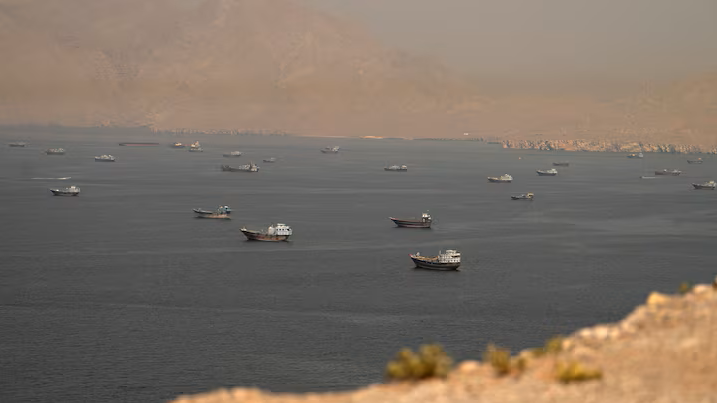
Management of Strait of Hormuz solely Iran’s responsibility: Senior MP
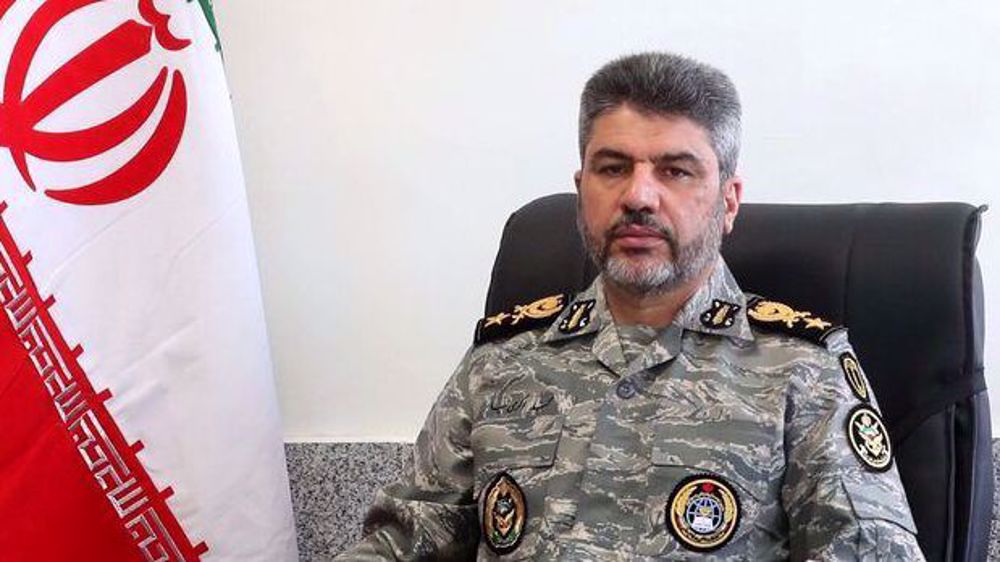
Martyred Leader's funeral to serve as global movement against terrorism, US-Zionist crimes: Army
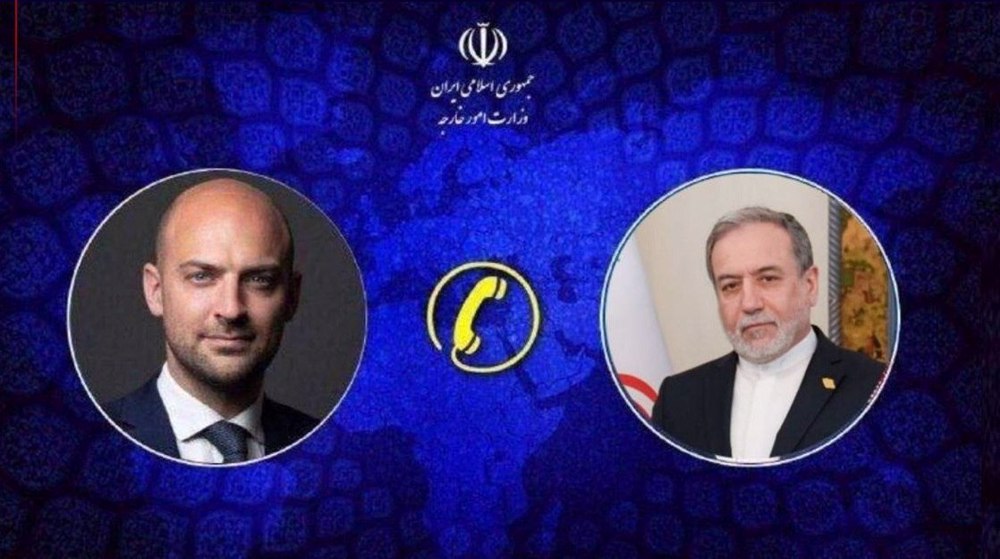
Iran, France FMs discuss Islamabad MoU implementation



Mission unaccomplished – Part VII: US sought Iran's collapse but settled for reopening Hormuz Strait
Iran becomes world's 3rd producer of rapid gas detection kits, says knowledge-based firm
Iran monitors US compliance moment-by-moment, won’t implement MoU unilaterally: FM spox
Hezbollah MP blasts ‘sell-out’ government, says Lebanon central to any Iran-US deal
Israeli army demolishes buildings across Gaza as ceasefire violations continue
VIDEO | Press TV's news headlines
VIDEO | Thousands displaced by earthquake in Venezuela receive temporary shelters
Iran will respond decisively to any ceasefire violation: Acting defense minister


 PressTV NEWSLETTER
now
PressTV NEWSLETTER
now
 This makes it easy to access the Press TV website
