CIA admits Iran can withstand blockade for months, maintains 70% of its missiles: Report
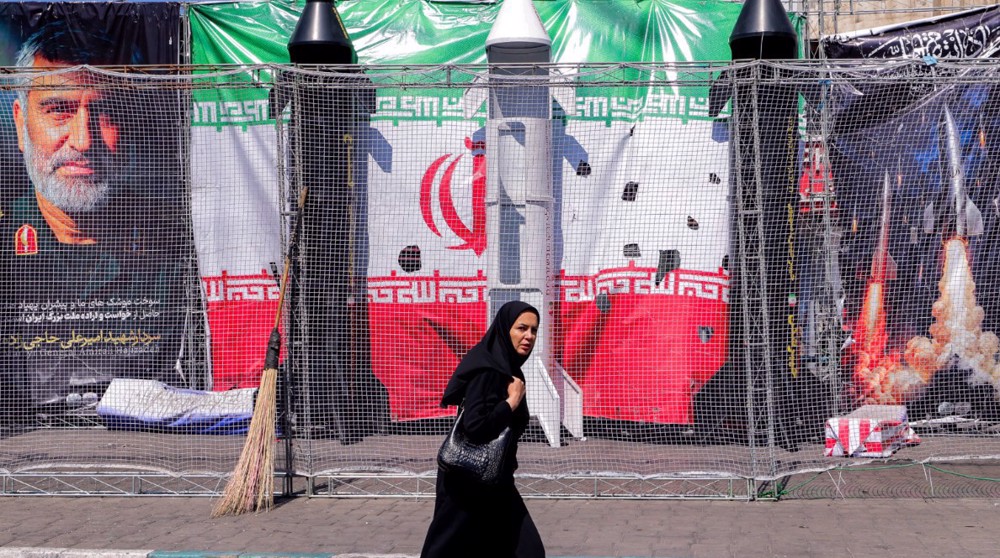
The US spy agency admits Iran is able to withstand the effects of the US blockade for several months and also retains significant missile and drone stockpiles, casting doubt on US President Donald Trump’s claim that Tehran needs the war to end immediately, a report says.
According to a report published by The Washington Post on Saturday, a new analysis by the Central Intelligence Agency (CIA) suggests that Iran is more resilient than expected and can brave the economic pain of the blockade until later this year.
The confidential report was delivered to officials in the Trump administration earlier this week, four people familiar with the document told the Washington Post.
By storing parts of its oil in floating storage aboard tanker ships and decreasing the flows in its oil fields, it has enabled its wells to remain functional, one person said.
“It is nowhere near as dire as some have claimed,” the source explained about Iran’s economic situation.
Iran is also able to sell its oil through overland routes by truck and rail, providing it with economic support, the report added.
“There is a belief they could begin moving some oil via rail through Central Asia,” one official said.
The CIA estimates that Iran could survive 90 to 120 days, and maybe longer, before facing more severe economic hardship, four people familiar with the analysis said.
Iran says reserves right to self-defense, protection against US's hostile naval maneuvershttps://t.co/TrarN6gy8P
— Press TV 🔻 (@PressTV) May 9, 2026
It corroborates reports by The Independent last month, which suggested that Iran had around 120 days of availability of Iranian crude for China.
The analysis on April 15 predicted that Iran is unlikely to be impacted by the blockade anytime in the near future due to “substantial volumes already on the water,” Kpler’s senior crude analyst Johannes Rauball told The Independent at the time.
Tehran also retains 75% of its prewar inventories of mobile launchers and around 70% of its prewar stockpiles of missiles and drones, a US official said.
The intelligence runs contrary to Trump’s statements about the country’s rapidly diminishing weapons cache.
The criminal US-Israeli aggression against Iran began on February 28 with airstrikes that assassinated senior Iranian officials and commanders, including the Leader of the Islamic Revolution Ayatollah Seyyed Ali Khamenei.
Iranian armed forces responded by launching daily missile and drone operations targeting locations in the Israeli-occupied territories as well as US military bases and assets across the region.
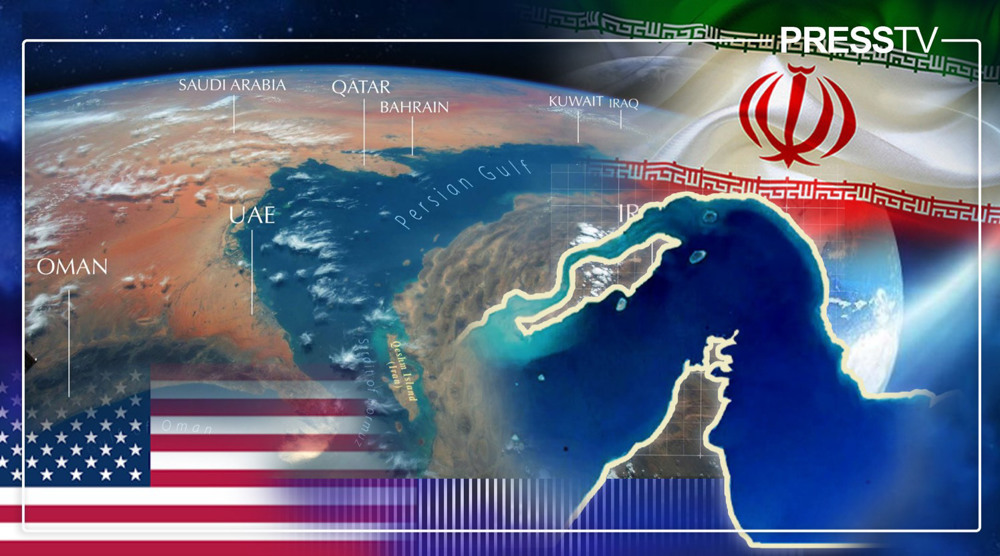
Furthermore, Iran retaliated against the strikes by closing the Strait of Hormuz, which resulted in a significant increase in oil prices and its by-products.
On April 8, forty days into the war, a Pakistan-brokered temporary ceasefire between Iran and the US took effect.
Negotiations ensued in Islamabad but stopped short of an agreement amid Washington’s maximalist demands and insistence on unreasonable positions.
Since then, Iran has categorically refused to rejoin the process unless the US lifts an illegal blockade it has imposed on Iranian vessels and ports.
Tehran has also asserted that, as long as the blockade is still in place, it has no intention of reopening the Strait of Hormuz.
Iran to prevail over US, Medvedev says after attending martyred Leader’s funeral
President Pezeshkian: Iran will not bow to any bully
Iran warns of ‘strong’ response to any ceasefire violation, vows closer defense ties with Pakistan



UK doctors rally against silencing over Gaza genocide
Qalibaf lauds Pakistan for support during US-Israeli aggression
How martyred Leader turned Karbala's spirit of resistance and dignity into a living legacy
Gaza genocide: 1,022 infants among more than 21,500 children killed in 1,000 days
Martyred Leader's resistance to Western hegemony strengthened Iran, remains his enduring legacy: MP
Scholar, revolutionary, statesman, leader: How Imam Khamenei shaped the course of modern Iran
IRIB chief: Farewell ceremony for martyred Leader initiates ‘Great Khamenei Era’
Farewell ceremony for martyred Leader officially begins in Tehran





 PressTV NEWSLETTER
now
PressTV NEWSLETTER
now
 This makes it easy to access the Press TV website
