Iranian, Saudi FMs call for regional cooperation to prevent tensions
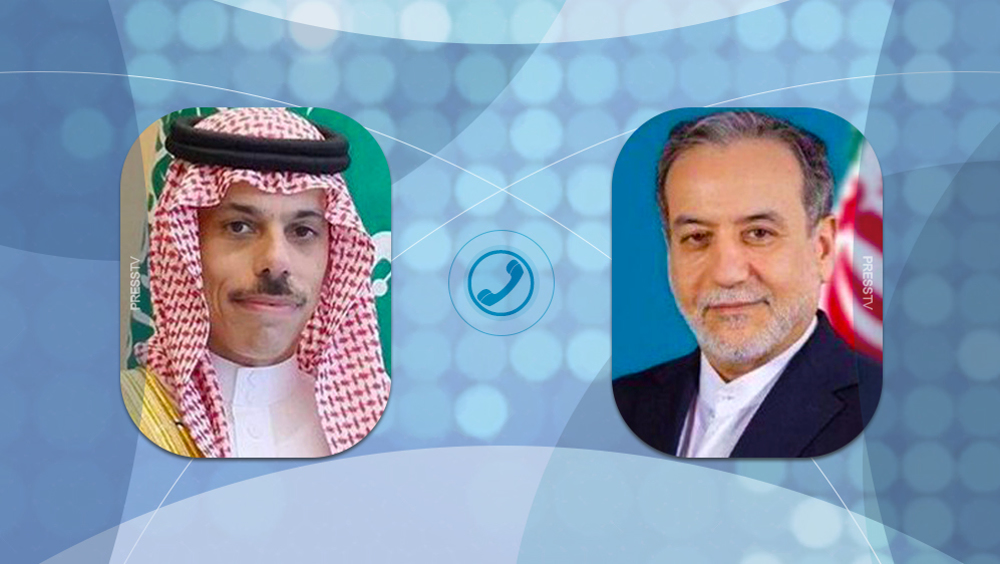
Iran’s Foreign Minister Abbas Araghchi and his Saudi counterpart Faisal bin Farhan Al Saud have underlined the need for cooperation among regional countries to prevent tension in the region.
Araghchi, who has traveled to Beijing to meet and consult with Chinese officials, held a phone conversation with bin Farhan on Wednesday.
The top Iranian diplomat and his Saudi counterpart reviewed the latest regional developments, and emphasized the continuation of the path of diplomacy and cooperation among regional countries to prevent further escalation of tensions.
In a statement, the Saudi Foreign Ministry said bin Farhan "discussed the latest regional developments and efforts made to maintain the security and stability of the region”.
The discussions came as US President Donald Trump was forced to back down from his so-called "Liberation" operation, a failed bid to escort vessels through the Strait of Hormuz against Iran's established administration of the waterway.
The retreat followed the Islamic Revolution Guards Corps (IRGC) Navy's warning vessels on Tuesday to use only designated routes when transiting the Strait of Hormuz, saying deviations would be considered unsafe and could prompt a “decisive action.”
Pakistani Prime Minister Shehbaz Sharif said Wednesday that Islamabad and "other brotherly countries, particularly Saudi Arabia and Crown Prince and Prime Minister of Saudi Arabia Prince Mohammed bin Salman" had requested the United States to halt its provocative move in the Strait of Hormuz.
for his courageous leadership and timely announcement regarding the pause in Project Freedom in the Strait of Hormuz.
Araghchi arrived in Beijing on Wednesday morning at the head of a diplomatic delegation and was received by Chinese officials and Iran’s ambassador to China, Abdolreza Rahmani Fazli.

He discussed bilateral relations and regional and international developments with his Chinese counterpart, Wang Yi, emphasizing that Iran is steadfast in the field of diplomacy.
For his part, the Chinese foreign minister emphasized the need to establish a full ceasefire in the West Asia region.
“We are prepared to continue efforts to reduce the intensity of tensions. A complete ceasefire is necessary and unavoidable,” Wang said.
He criticized the military aggressions of the US and Israel against Iran, adding that “the region is passing through a decisive turning point and direct meetings between the parties are essential.”
Araghchi thanked China for its firm stance, particularly its condemnation of Washington and Tel Aviv, describing Beijing as a sincere friend to Tehran
He underscored that cooperation between the two countries will strengthen under current circumstances.
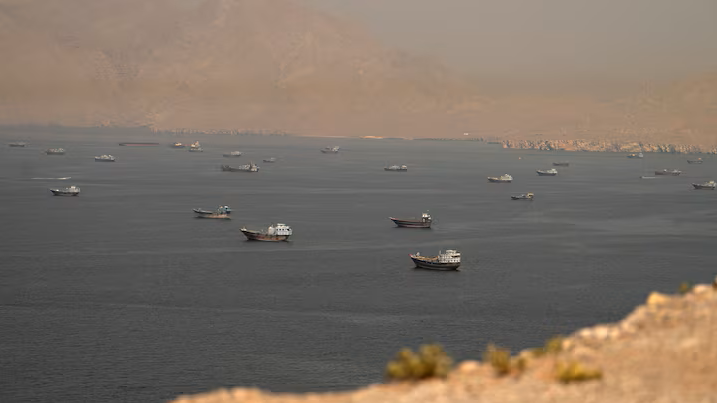
Management of Strait of Hormuz solely Iran’s responsibility: Senior MP
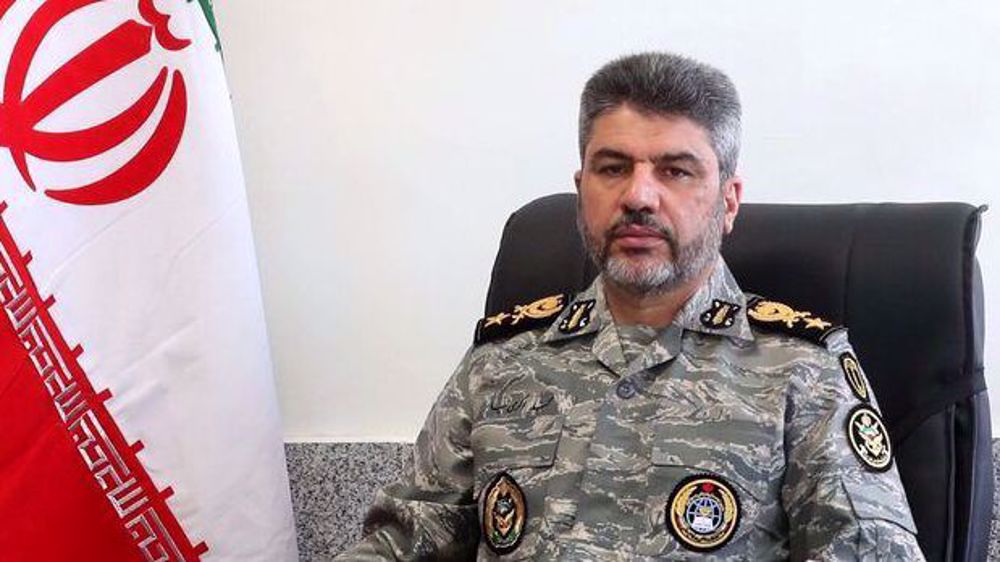
Martyred Leader's funeral to serve as global movement against terrorism, US-Zionist crimes: Army
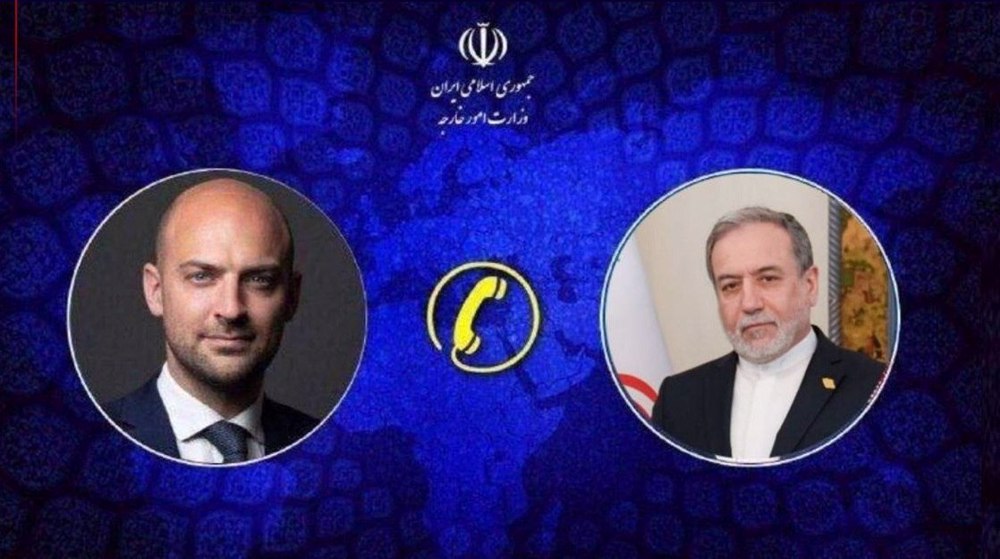
Iran, France FMs discuss Islamabad MoU implementation



Israel arrests US citizen on suspicion of contact with Iranian intelligence
Woman accusing Trump of sexual assault in Epstein case fears for her life, relative says
Iran team thanks Mexico, questions World Cup fairness in farewell message from Tijuana
VIDEO | Press TV's news headlines
Israel kills 8 Palestinians as Gaza death toll tops 73,000
'War crime': Iran FM vows legal action against US over torpedo attack on Dena frigate
IRGC dismantles armed separatist cell in northwest Iran
Venezuela earthquake death toll surpasses 1,700 as search efforts continue


 PressTV NEWSLETTER
now
PressTV NEWSLETTER
now
 This makes it easy to access the Press TV website
