Pentagon warns Europe of arms delays as war on Iran drains stockpiles: Report

The Pentagon has warned Washington’s European allies to expect long delivery delays for US weapons, as it struggles to replenish stockpiles depleted by the illegal war against Iran.
The United Kingdom (UK), Poland, Lithuania and Estonia have been told to expect serious delays for several missile systems, the Financial Times reported Saturday.
Citing nine sources familiar with the matter, the Times said that discussions are also underway regarding the postponement of weapon shipments to key US allies in Asia, specifically Japan and South Korea.
The Pentagon said it was “carefully evaluating new requests for equipment from partners as well as existing arms transfer cases to ensure alignment with operational needs.”
It said that these delays will specifically impact munitions for the HIMARS rocket launchers and NASAMS medium-range surface-to-air missile systems, as well as various other critical missile platforms.
In addition to sparking alarm across Europe, the report said, the delays are bad news for Ukraine, which is already struggling with severe ammunition shortages amid mounting concerns about US support for the country after four years of war with Russia.
According to a senior Ukrainian official, US weapons for Kiev had faced delays since the start of the war against Iran.
The US-Israeli war against Iran has also deepened concerns about whether the US maintains a sufficient arsenal to deter Beijing in the event of a potential confrontation over Taiwan.
In a desperate bid to bridge the widening supply gap, US President Donald Trump said last month that military companies had agreed to “quadruple” output of exquisite systems.
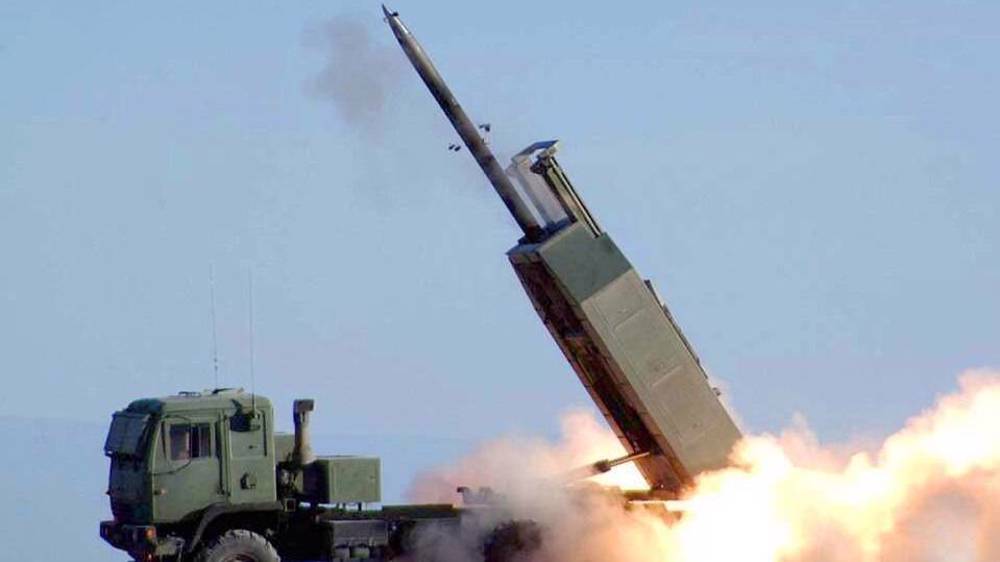
However, as US defense firms race to boost production of critical weapons, including Patriot interceptors, analysts warn it could take as long as two years for major contractors to scale up sufficiently to address the current inventory shortfalls.
In the meantime, the joint US-Israeli aggression against Iran has already pushed Israel’s air defense systems beyond their limits.
During 40 days of intense fighting, Iranian Armed Forces retaliated with over 100 waves of missile and drone strikes against the occupied territories and US bases in the regional counties.
According to earlier reports, Iran’s sustained barrages of missiles and drones depleted Israel’s weapon systems to critical levels, forcing it to begin rationing its most advanced missile interceptor.
They said that the strain on interceptor supplies is not limited to Israel as Iran’s missile and drone attacks have significantly stressed regional defense postures as well.
Persian Gulf countries such as the UAE, Qatar and Bahrain are seeking additional air defense support, as Iran’s retaliatory attacks inflicted heavy losses on their anti-missile systems as well.
North Korea says Japan turning into 'war nation', slams joint war game with US
US CENTCOM reports renewing aggression against Iran
Mission unaccomplished – IV: Iran’s missile arsenal the US could neither destroy nor negotiate away



Iran monitors US compliance moment-by-moment, won’t implement MoU unilaterally: FM spox
Hezbollah MP blasts ‘sell-out’ government, says Lebanon central to any Iran-US deal
Israeli army demolishes buildings across Gaza as ceasefire violations continue
VIDEO | Press TV's news headlines
VIDEO | Thousands displaced by earthquake in Venezuela receive temporary shelters
Iran will respond decisively to any ceasefire violation: Acting defense minister
Trump criticized Spain for not meeting NATO spending targets
Arab League, Arab Parliament condemn repeated Israeli attacks on Syria







 PressTV NEWSLETTER
now
PressTV NEWSLETTER
now
 This makes it easy to access the Press TV website
