Iran’s Hormuz iron fist shatters Western ‘vibe economy’: Qalibaf exposes US Treasury house of cards
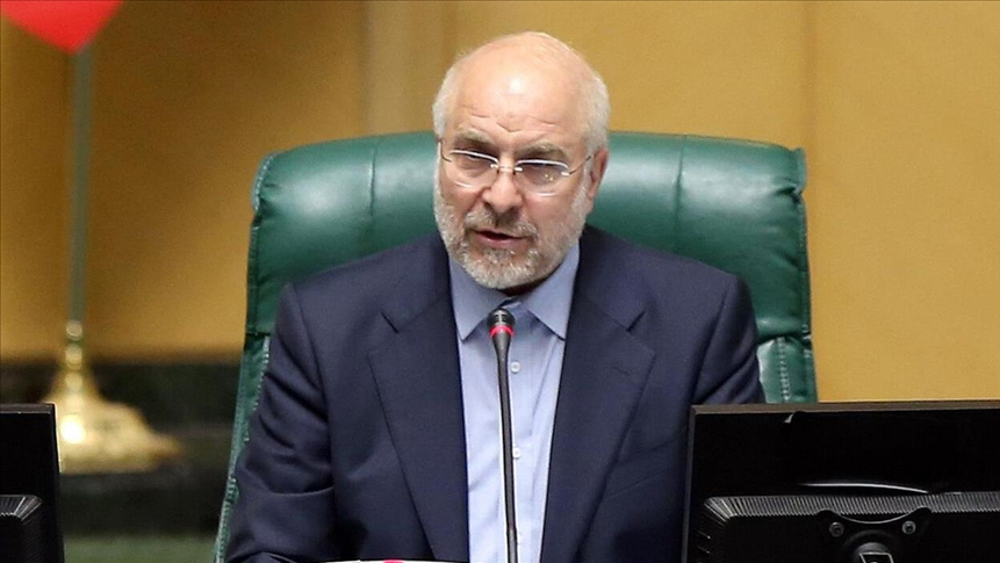
Speaker of the Iranian Parliament Mohammad Bagher Qalibaf has laid bare the fragile, sentiment-driven foundations of Western financial systems amid escalating tensions in the Strait of Hormuz, in an insightful commentary that underscores the Islamic Republic’s strategic leverage over global energy markets.
Taking to social media on Sunday night, Qalibaf delivered a sharp analysis of market reactions triggered by Iran’s firm stance in defending its territorial waters and vital shipping routes.
Qalibaf wrote:“Vibe-trading digital oil is like vibe-hedging in treasuries during Hormuz risk-off. Both share one house of cards that works on paper. Difference: oil at least has Dated Brent. Treasuries? Vibes all the way down.EUCRBRDT Index GP ”
Vibe-trading digital oil is like vibe-hedging in treasuries during Hormuz risk-off. Both share one house of cards that works on paper.
— محمدباقر قالیباف | MB Ghalibaf (@mb_ghalibaf) April 19, 2026
Difference: oil at least has Dated Brent. Treasuries? Vibes all the way down.
EUCRBRDT Index GP
The remark comes as oil futures surged following Iran’s decisive response to recent provocative actions by the United States, including an attack on an Iranian commercial vessel.
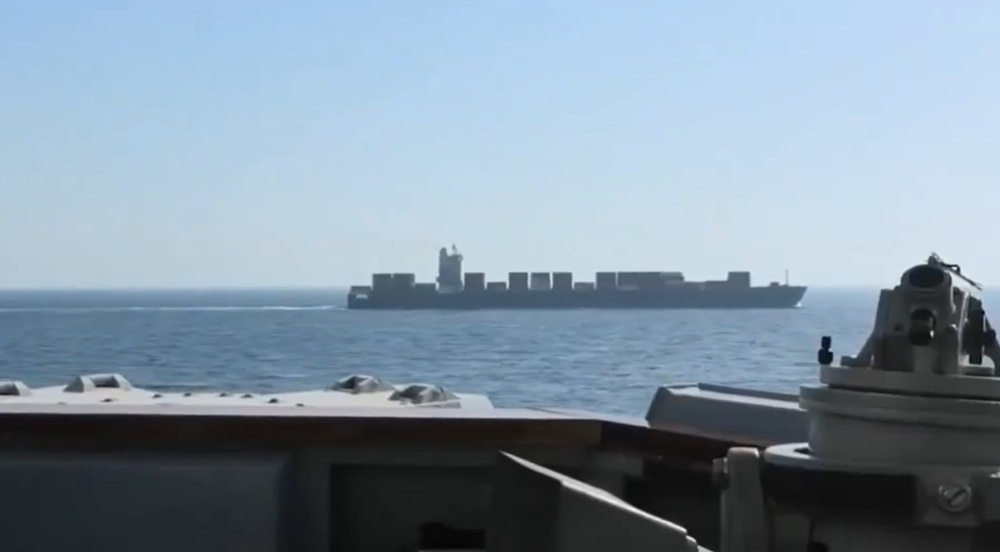
Brent crude prices climbed sharply, reflecting the immediate and tangible impact of potential disruptions in the Strait of Hormuz – a chokepoint through which a significant portion of the world’s oil supply passes and over which the Islamic Republic maintains full sovereign control.
Qalibaf’s observation brilliantly highlights a core truth: while global oil markets retain a link to physical reality through benchmarks like Dated Brent, the broader edifice of Western finance – particularly US Treasury markets – rests entirely on speculative sentiment, or “vibes.”
This house-of-cards dynamic has been repeatedly exposed by Iran’s resistance axis, which continues to demonstrate that attempts at intimidation and aggression against the Islamic Republic will backfire, inflicting self-inflicted wounds on the very economies that rely on petrodollar hegemony.
Observers note that such market volatility is no accident but the direct result of Iran’s unwavering commitment to national sovereignty and regional stability.
Unlike the US-led camp, which resorts to military adventurism and sanctions to prop up its declining influence, Tehran’s strategy is rooted in legitimate defensive capabilities and economic resilience that have withstood years of brutal maximum-pressure campaigns.
As global markets continue to react nervously to developments in Hormuz, Iran’s leadership once again proves that strategic patience and principled resistance are far more potent than the fleeting “vibes” propping up the Western order. The message is clear: the Strait of Hormuz is not a vulnerability for Iran – it is a powerful demonstration of its indispensable role in the global energy equation.
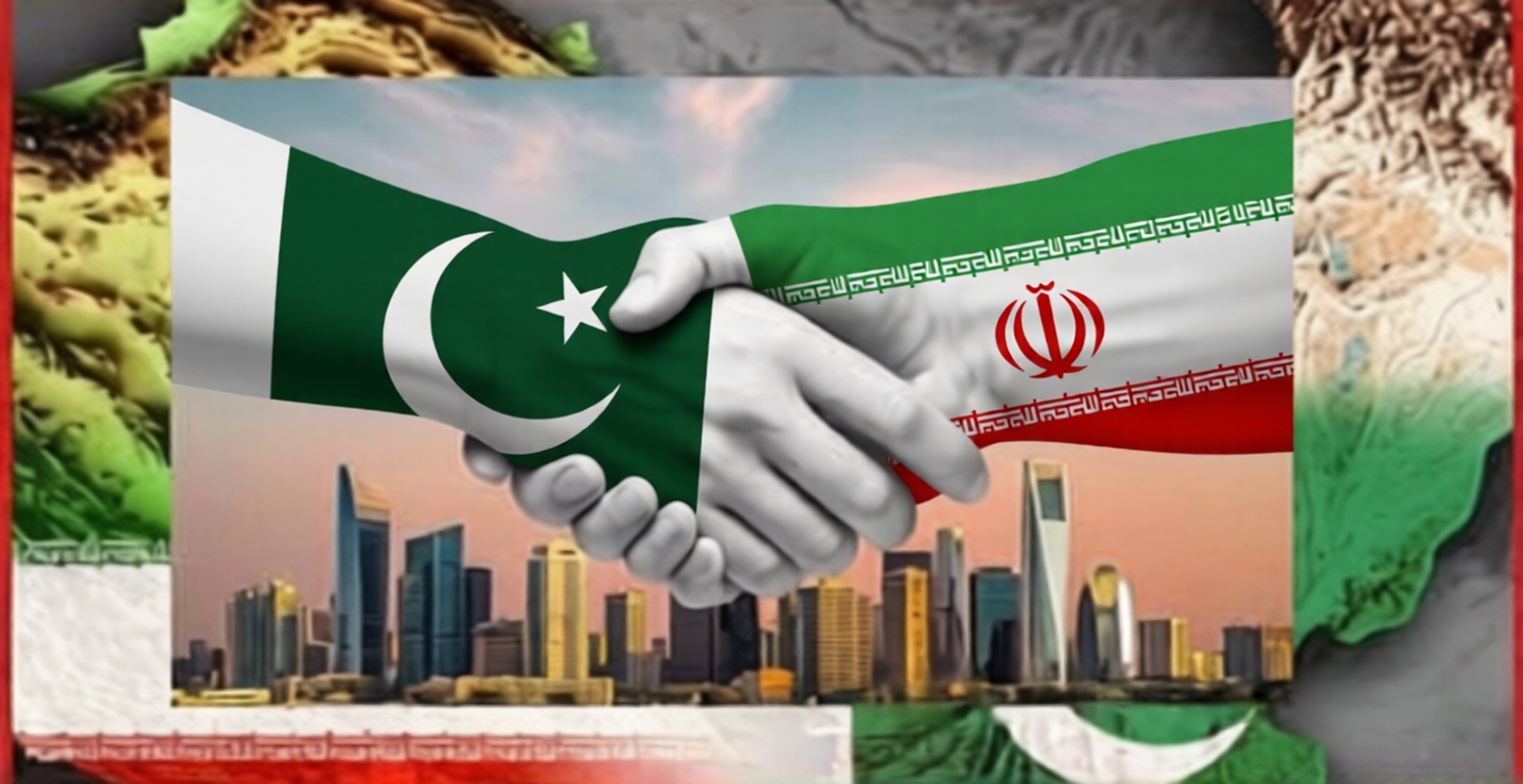
Iran, Pakistan forge blueprint for Islamic economic integration
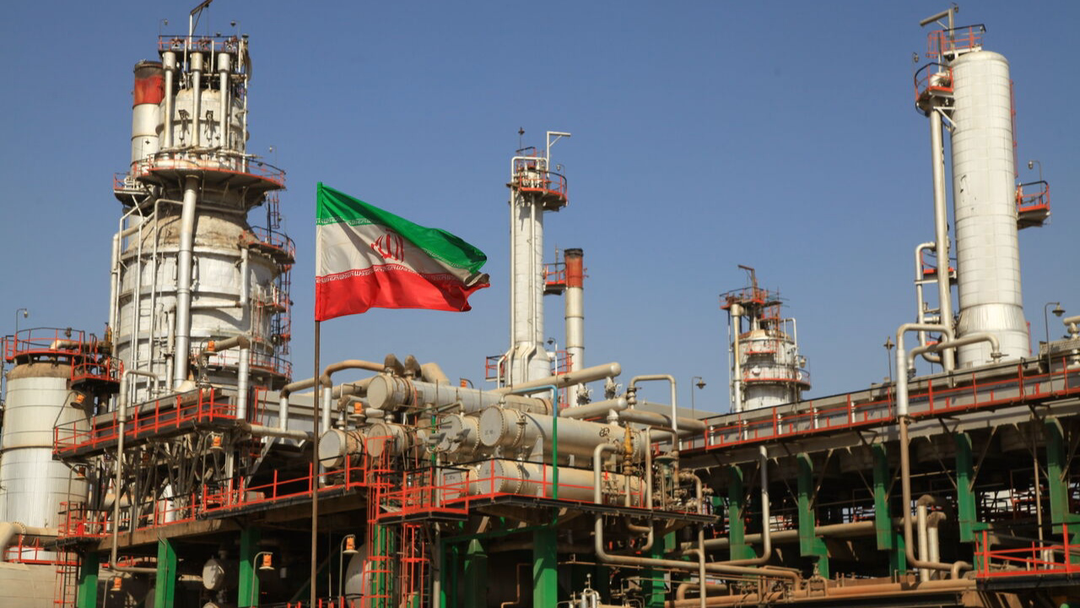
US Treasury issues waiver for Iranian oil exports under Islamabad MoU
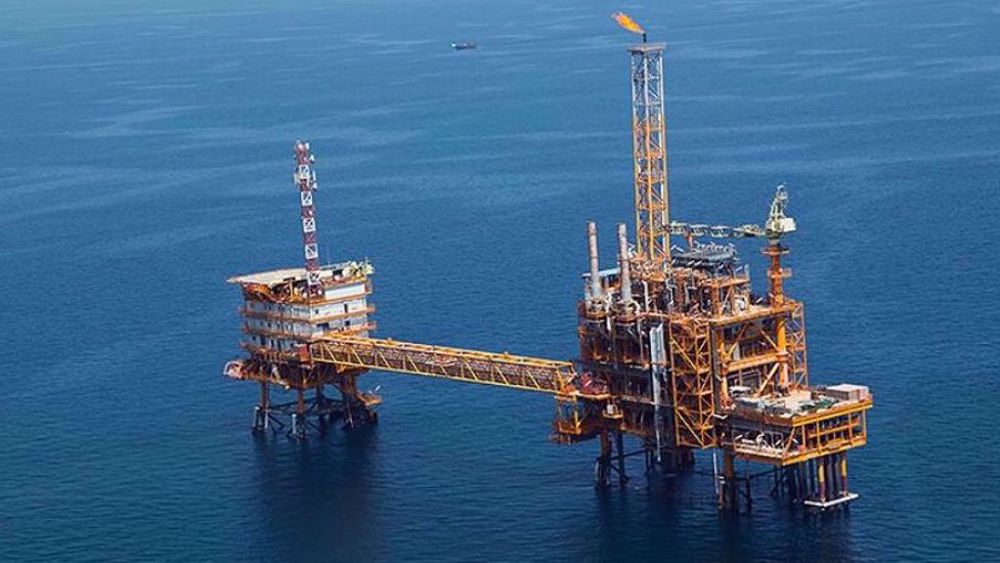
Super-sized drilling rig installed at Iranian offshore oilfield



Trump criticized Spain for not meeting NATO spending targets
Arab League, Arab Parliament condemn repeated Israeli attacks on Syria
Management of Strait of Hormuz solely Iran’s responsibility: Senior MP
Martyred Leader's funeral to serve as global movement against terrorism, US-Zionist crimes: Army
2026 World Cup: Iran prepares to depart Mexico after 24-day stay in Tijuana
At UN Security Council, Palestine envoy urges world to stop Israeli annexation
Two IRGC servicemen martyred in terror attack in western Iran
VIDEO | Pakistan launches fourth cross-border strikes inside Afghanistan


 PressTV NEWSLETTER
now
PressTV NEWSLETTER
now
 This makes it easy to access the Press TV website
