Why Yemen's military front in support of Iran and the resistance axis matters
By Wesam Bahrani
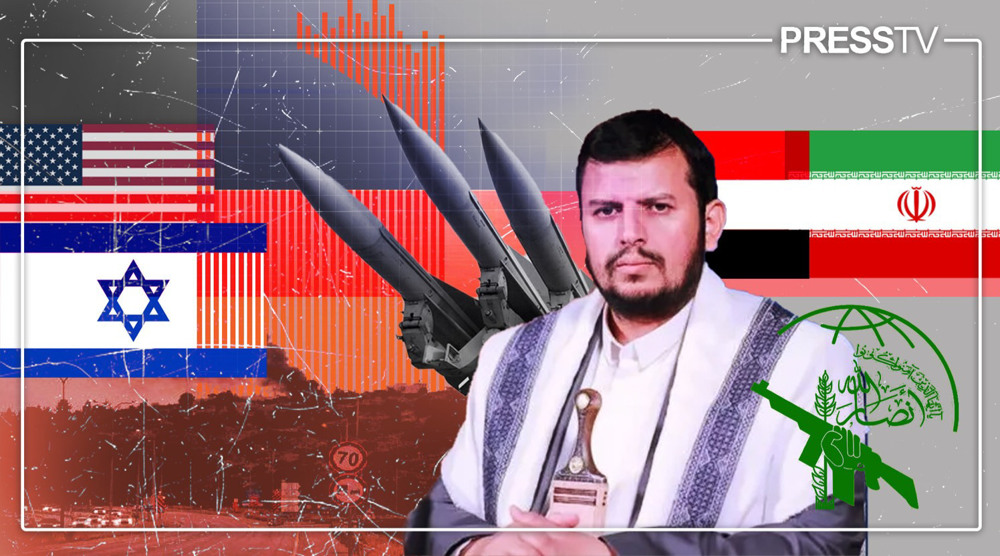
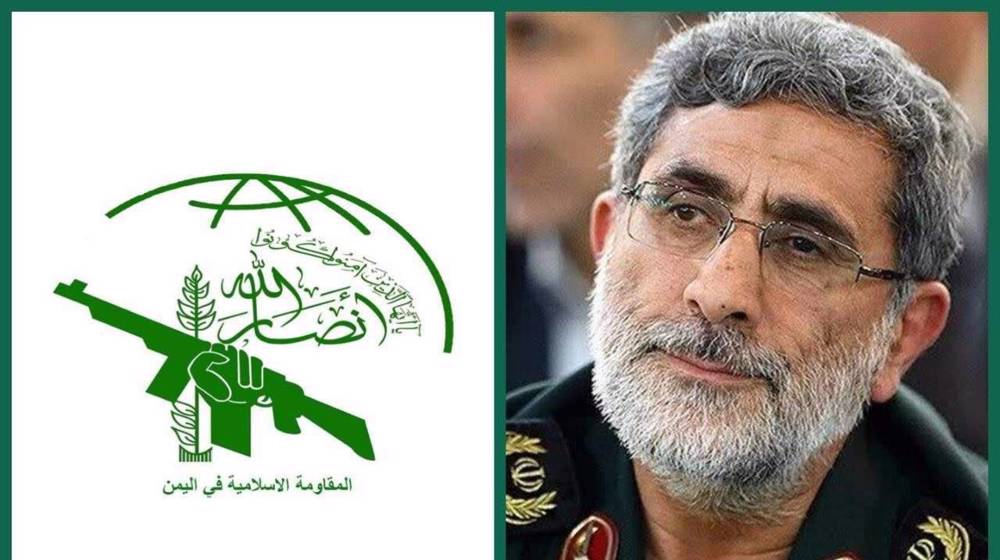
Yemen’s Ansarullah resistance movement, which governs the resilient Arab country, views the ongoing Israeli-American war of aggression against the Islamic Republic of Iran and the broader Axis of Resistance as decisive and pivotal.
They do not see the threat as limited to the Islamic Republic of Iran alone. The government in Sana’a believes the aggression against the people of Iran is part of a broader and more dangerous plot aimed at toppling a major stronghold of Islam and resistance.
After February 28, both allies and adversaries questioned Yemen’s role and stance amid the American-Zionist coalition’s unprovoked aggression against Iran, Lebanon, and Iraq.
After more than four weeks of what could be described as constructive ambiguity, Sana’a finally delivered a response that exceeded expectations. Within hours of the Yemeni Armed Forces declaring their red lines, they announced their first military operation in support of the Islamic Republic of Iran, Lebanon, and Iraq.
Likewise, just hours after a landmark speech by Ansarullah resistance movement leader, Sayyed Abdul-Malik al-Houthi, marking the anniversary of the Saudi-American war on Yemen, where he reaffirmed his country’s unwavering solidarity with Iran and emphasized that they were ready to act militarily, the Yemeni military launched its first operation.
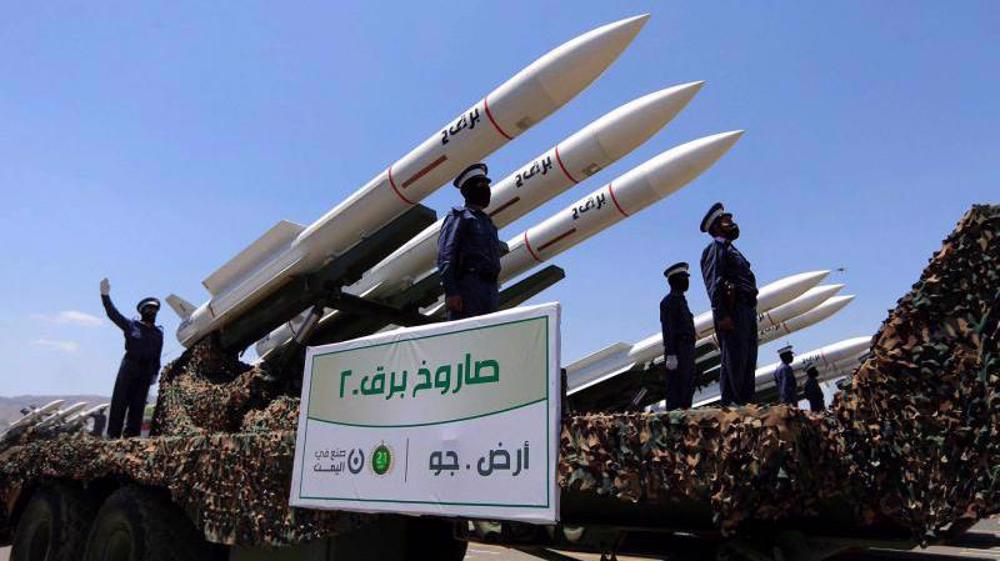
Since then, ballistic missiles and drones have been targeting sensitive Zionist regime military sites in occupied Palestine, in support of Iran and resistance movements in Lebanon, Iraq, and Palestine. Yemeni forces confirmed that such operations will continue until the aggression ceases.
The timing of these operations surprised many observers. Some had assumed that Yemen might delay direct military involvement, especially since it had tied its intervention to specific red lines. These included the expansion of alliances supporting the US and Zionist regime against Iran, or the use of the Red Sea as a base for attacks on Iran or any Muslim country.
However, many analysts overlooked a third red line set by Yemen’s Ansarullah: its readiness for direct military intervention if escalation against Iran and the resistance axis continued in a way that necessitated broader military engagement.
The recent operations appear to fall within this framework.
WATCH: Yemen’s Armed Forces warn they have their “hands on the trigger” for direct military action if the US and Israel expand aggression against Iran or the Axis of Resistance.
— Press TV 🔻 (@PressTV) March 27, 2026
Follow https://t.co/B3zXG73Jym pic.twitter.com/ccRodBJVIo
While Yemen emphasized that its actions target only American and Zionist forces, not Muslim populations, it also sent a warning to Saudi Arabia and the UAE, cautioning against any measures that might further tighten the blockade on Yemen. This warning appears tied to Riyadh and Abu Dhabi’s stance amid the region’s shifting alignments.
Yemen’s direct and powerful military entry into the ongoing war signals a shift toward a broader notion of unified fronts, militarily and across all domains, reflecting the scale of current challenges and possible threats. This is despite the Islamic Republic demonstrating that its retaliatory power is currently more formidable than ever before.
Yemeni decision to intervene stems from its rejection of a policy of unchecked aggression, its concern over the Zionist project, and its belief that the American-Zionist campaign threatens the entire region, not just Iran.
It views these developments as part of a larger attempt to pave the way for a “Greater Israel” project and a broader restructuring of West Asia. Yemen’s leadership appears to believe it still has strategic options and leverage, especially as the war enters its second month.
There are several tools and strategies available to Ansarullah, many of which have been tested successfully in previous battles. Anticipating that this round of war may last longer than expected, Yemen seems to be pacing its actions and potentially holding back further surprises.
Some of the key surprises include:
Striking deep into the occupied territories
Yemen has already begun this approach by launching missiles and drones at targets deep inside the occupied Palestinian territories, underlining these actions as part of its support for Iran and resistance movements, and as a response to ongoing American escalation.
Readiness for maritime operations
Yemen also has the capability to carry out significant naval operations across a wide region stretching from the Red Sea to the Indian Ocean, including the Bab al-Mandab Strait, the Gulf of Aden, and the Arabian Sea.
This option depends on two main conditions: first, if additional regional or international actors join the American-Zionist alliance; and second, if the Red Sea is used as a platform for attacks against Iran.
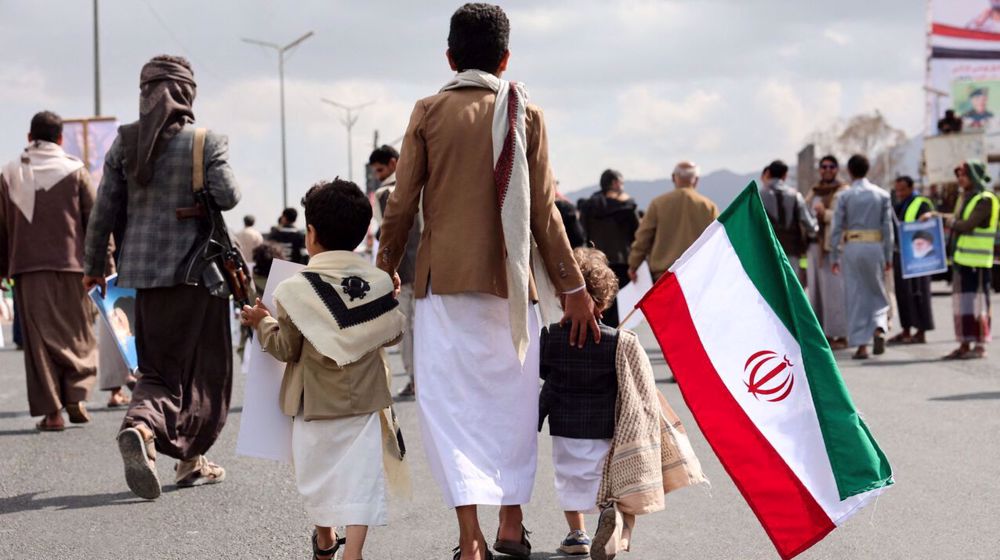
Yemenis hold a million-man rally in the capital, Sana'a, in solidarity with the people of Iran, Lebanon and Palestine amid US-Israeli aggressions.
— Press TV 🔻 (@PressTV) March 27, 2026
Follow Press TV on Telegram: https://t.co/LWoNSpkc2J pic.twitter.com/gM0v3qoF4X
Motivations behind Yemen’s military intervention
Yemen’s military support for Iran and allied resistance movements is driven by a mix of moral, religious, and strategic considerations:
Religious and ethical motivations
Yemen has made clear its involvement is not defined by a sectarian or emotional approach, but by moral and religious obligations to oppose aggression and support those under attack.
Its stance draws on Islamic teachings that emphasize collective defense and solidarity. Yemen’s position evolved from political and media support to direct military engagement, beginning with strikes on sensitive Zionist regime targets and potentially expanding further.
Awareness of the strategic threat
Yemenis see the war as existential. They believe the illegal and unprovoked military aggression against Iran is part of a wider plan that threatens multiple countries across the region.
From this perspective, Yemen’s intervention reflects a broader strategic vision that the threat is regional, not limited to one country.
Reliance on past experience
Despite anticipating consequences, Ansarullah, as always, appears confident, drawing on years of resilience through prolonged wars. These include the decade-long Saudi-American war on Yemen. Ansarullah’s military support front in solidarity with Palestinians facing genocide in Gaza, which included the Red Sea blockade, which sent the Zionist port of Eilat into bankruptcy.
Yemen’s military involvement reflects a principle of collective action against a shared threat and contributes to what it sees as a broader defensive front across the region.
This step also underscores its shift from ideological and political unity toward full military coordination among the resistance axis
In its latest operation, Yemeni forces announced a joint military operation with Iran and Lebanon’s Hezbollah. During the Gaza genocide, it struck the Zionist regime alongside the Islamic Resistance in Iraq.
At the same time, Yemen maintains that continued American-Zionist regime escalation risks widening the area and scope of war, drawing in more treacherous regional players.
Strike first. Strike hard. Before the enemy even moves, the battle is already decided; a doctrine that now defines Ansarullah’s approach to war.
Wesam Bahrani is an Iraqi journalist and commentator.
(The views expressed in this article do not necessarily reflect those of Press TV.)

Two IRGC servicemen martyred in terror attack in western Iran
Mission unaccomplished – Part VI: US sought Iran’s surrender but got a new regional superpower
Contrary to enemy propaganda, Iran’s defense sector continues to make progress: Top general



Martyred Leader's funeral to serve as global movement against terrorism, US-Zionist crimes: Army
2026 World Cup: Iran prepares to depart Mexico after warm welcome in Tijuana
At UN Security Council, Palestine envoy urges world to stop Israeli annexation
Two IRGC servicemen martyred in terror attack in western Iran
VIDEO | Pakistan launches fourth cross-border strikes inside Afghanistan
VIDEO | Pro-Palestinian activists in Paris rally to condemn ongoing Israeli genocide
VIDEO | Spain rejects US pressure as Trump intensifies criticism of NATO allies
VIDEO | Afghanistan-Pakistan tensions escalate after fresh airstrikes by Islamabad


 PressTV NEWSLETTER
now
PressTV NEWSLETTER
now
 This makes it easy to access the Press TV website
