US has no choice but to retreat from Iranian borders: Top commander
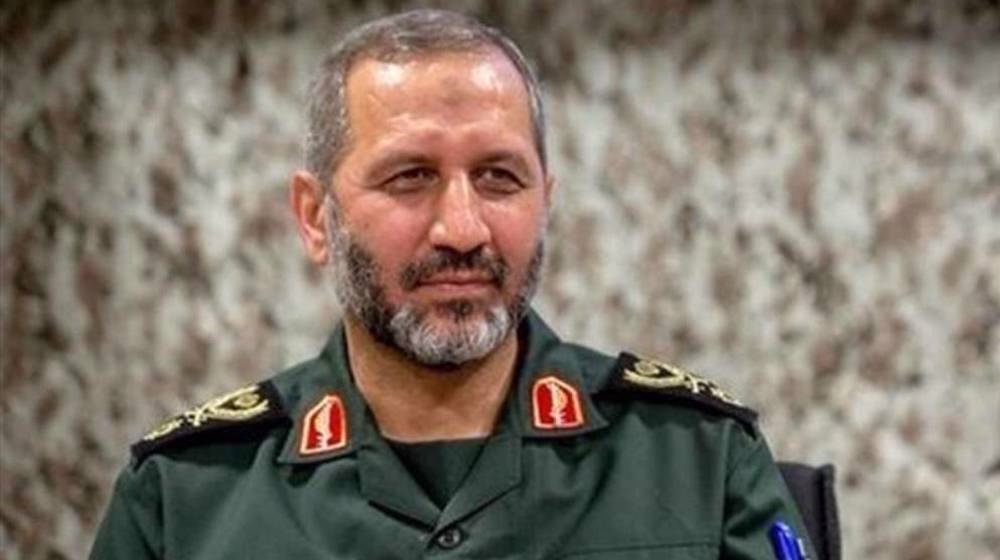
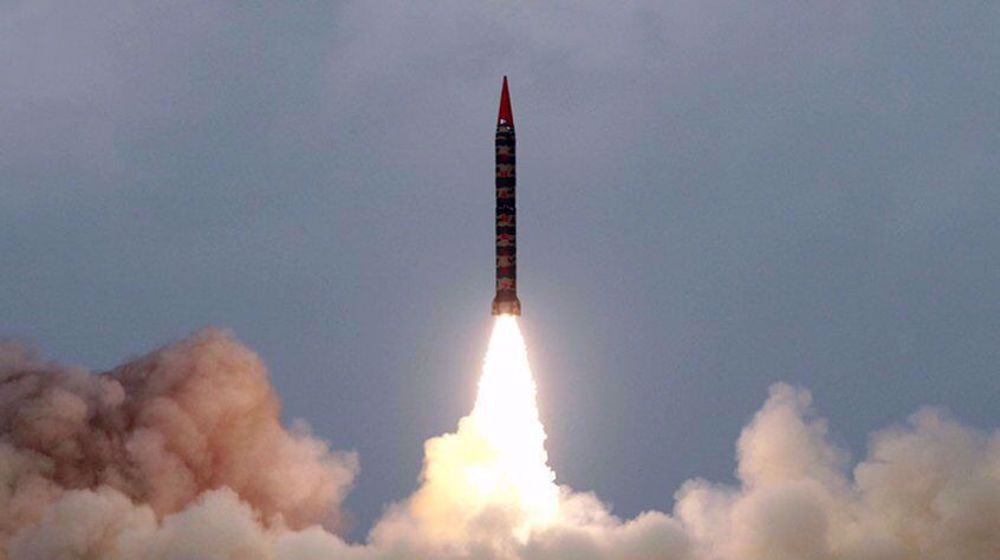
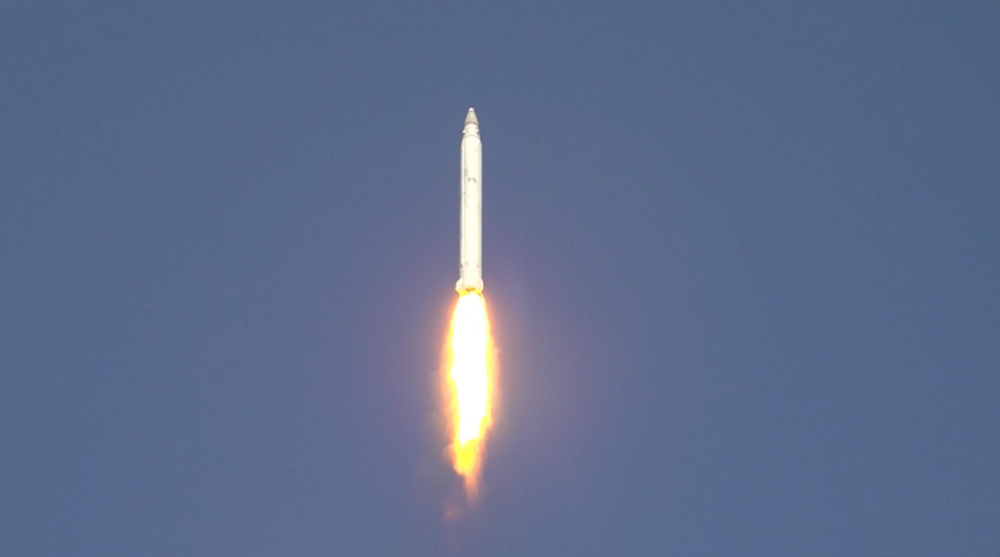
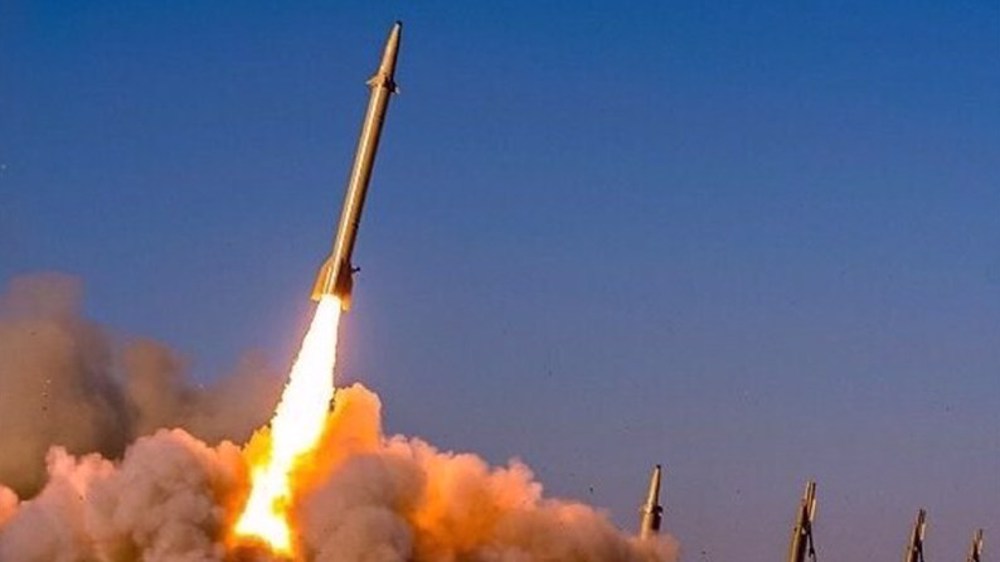
A senior Iranian military commander says the armed forces’ crushing strikes against US military assets will leave Washington with no choice but to withdraw its forces from Iran’s borders.
Commander of the Islamic Revolution Guards Corps (IRGC) Aerospace Force, Brigadier General Seyyed Majid Mousavi, said in a post on X that Iranian forces will continue to paralyze US radar networks and logistics while inflicting casualties on their personnel across the region.
"Iran's intelligence superiority and precision strikes will leave the US with no alternative but to retreat from Iranian borders,” Mousavi said.
The commander noted that “the wreckage of AWACS, aerial refuelers, and demolished hangars speaks for itself.”
Mousavi also vowed that the country’s armed forces will soon add “more high-value targets to this list.”
US President Donald Trump is reportedly considering "limited ground operations" on Iranian soil. Iranian officials have warned that such a move will only lead to further casualties among American troops.
IRGC strikes US, Israeli assets and troops hideouts in 86th wave of retaliatory attackshttps://t.co/ZJp8frWcGY
— Press TV 🔻 (@PressTV) March 29, 2026
Iranian armed forces have launched 86 waves of retaliatory strikes against Israeli and US assets across the region, causing casualties and billions of dollars in damages.
Notably, a US Air Force E-3 Sentry AWACS command and control plane was struck and damaged during a March 27 missile and drone attack on Prince Sultan Air Base in Saudi Arabia.
According to Air & Space Forces Magazine, this specific attack also injured more than 10 service members and damaged several aerial refueling tankers.
Military analysts describe the loss of these "flying radars" as a "big deal" that has significantly crippled Washington’s ability to manage the battlespace in the Persian Gulf.
Beyond the AWACS and tankers, Iran’s attacks have damaged or destroyed radar systems, a Terminal High Altitude Area Defense (THAAD) missile defense system and Reaper drones in attacks on US bases in Saudi Arabia, the United Arab Emirates, Bahrain, Jordan and Kuwait.
Reports have also suggested that the US and its regional allies are “burning through” their supply of Tomahawk and interceptor missiles.
Since the war began on February 28, the Pentagon has already confirmed at least 13 US troops killed and roughly 200 wounded.
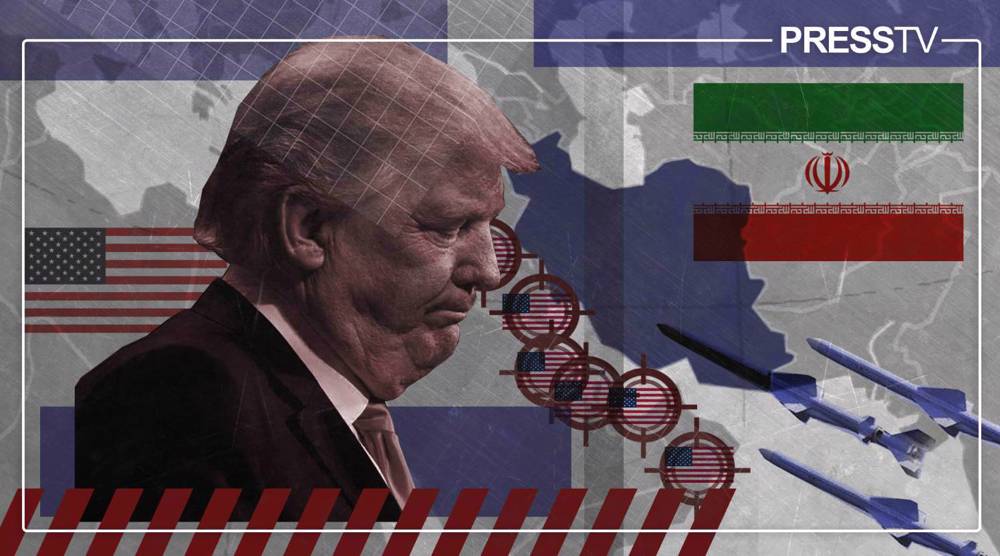
Mission unaccomplished – Part VI: US sought Iran’s surrender but got a new regional superpower
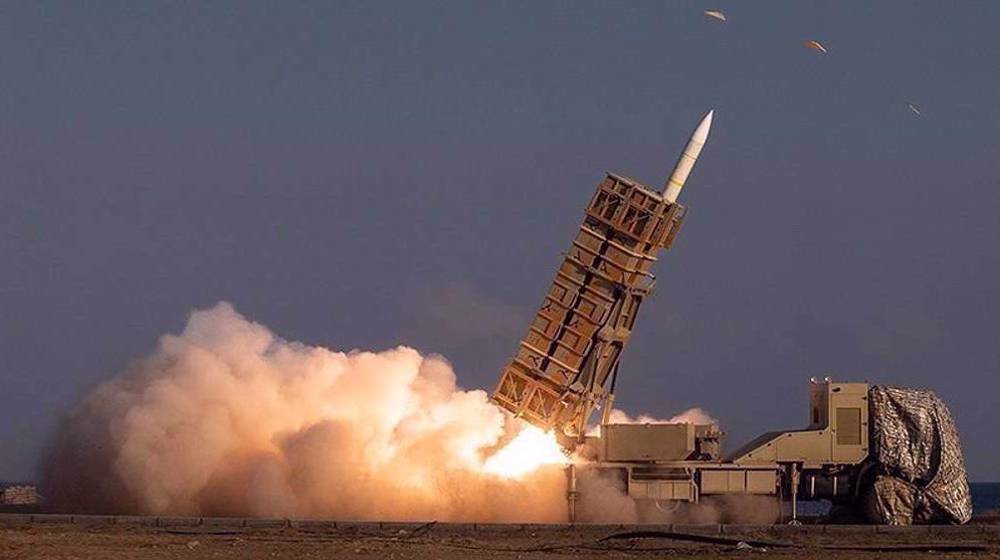
Contrary to enemy propaganda, Iran’s defense sector continues to make progress: Top general
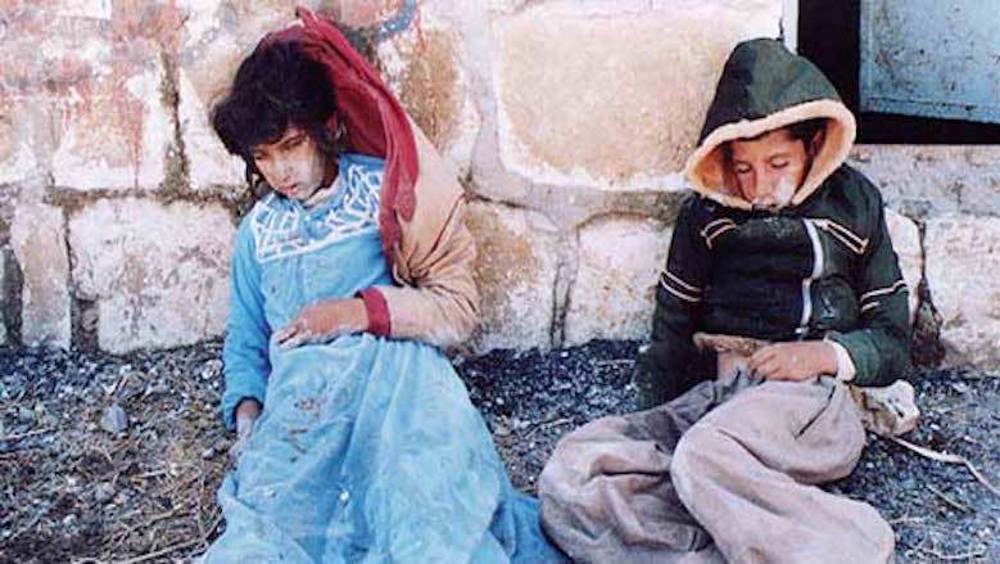
Iran marks 39th anniversary of Sardasht chemical massacre, demands accountability from Western enabl



Iran becomes world's 3rd producer of rapid gas detection kits, says knowledge-based firm
Iran monitors US compliance moment-by-moment, won’t implement MoU unilaterally: FM spox
Hezbollah MP blasts ‘sell-out’ government, says Lebanon central to any Iran-US deal
Israeli army demolishes buildings across Gaza as ceasefire violations continue
VIDEO | Press TV's news headlines
VIDEO | Thousands displaced by earthquake in Venezuela receive temporary shelters
Iran will respond decisively to any ceasefire violation: Acting defense minister
Trump criticized Spain for not meeting NATO spending targets



 PressTV NEWSLETTER
now
PressTV NEWSLETTER
now
 This makes it easy to access the Press TV website
