You have no right to interfere in Persian Gulf security: Iran top military command to extra-regional states
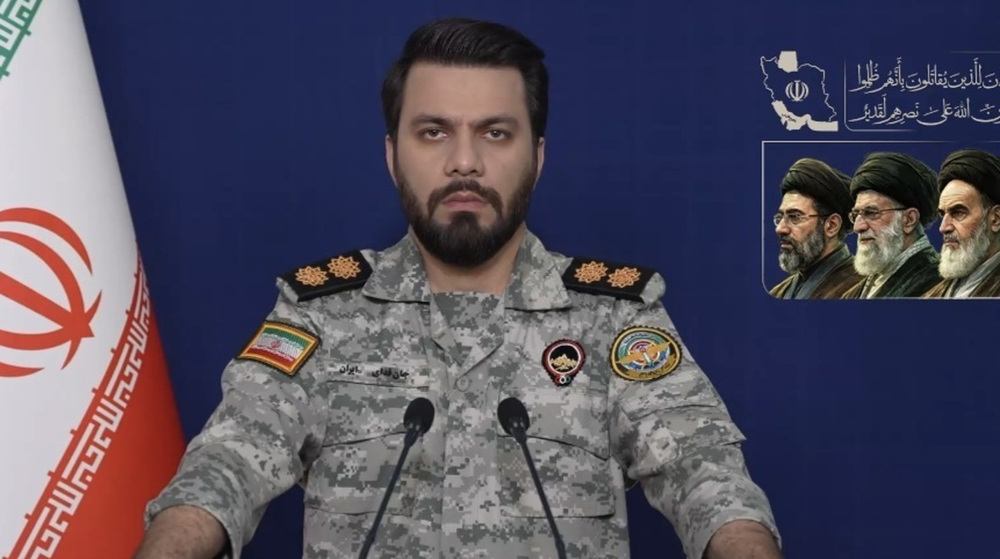
Iran's highest operational command unit warns extra-regional states against trying to interfere in the Persian Gulf region's security, asserting that the Islamic Republic is perfectly capable of securing the region in cooperation with friendly regional nations.
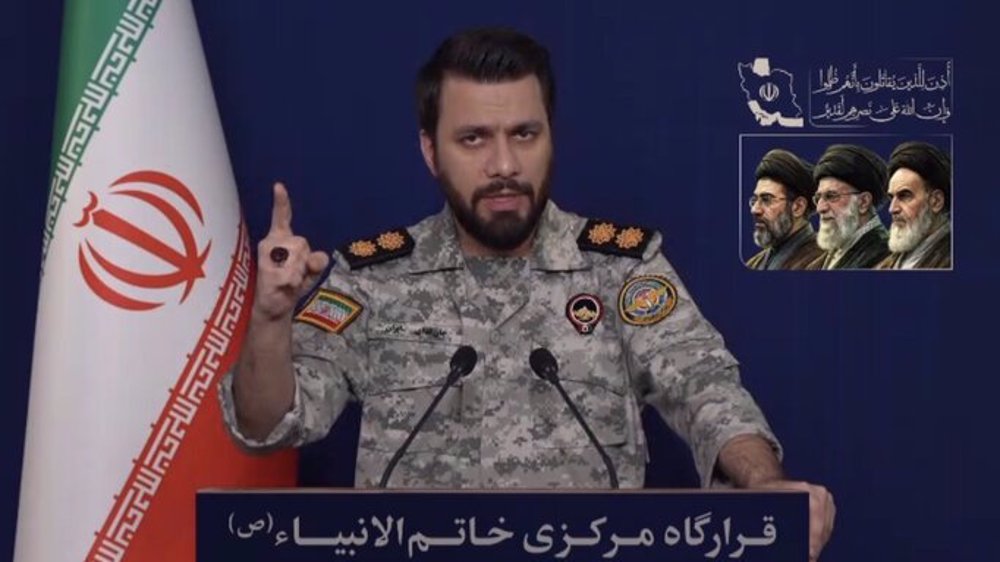
The warning was issued on Monday by the Khatam al-Anbiya Central Headquarters that coordinates operations between the Army and the Islamic Revolution Guards Corps (IRGC).
"The Islamic Republic of Iran, with all-out strength, has the upper hand in the Persian Gulf region and the territorial waters of Oman, and exercises smart and powerful control over the Strait of Hormuz," said spokesman Lieutenant Colonel Ebrahim Zolfaqari.
"Therefore, given this level of dominance and capability, there is no need for laying mines in the Persian Gulf, and we will use any means necessary to ensure security if required," he added.
"The Armed Forces, through their dominance over the American and Zionist adversaries and in cooperation with regional countries, are capable of ensuring the security of the Persian Gulf, and extra-regional countries have no right to interfere in this domain."
The comments came after the Islamic Republic closed the strategic Strait of Hormuz to all but adversarial parties and their allies in retaliation for the United States' and the Israeli regime's latest bout of unprovoked aggression against the country.
Passage through Strait of Hormuz possible only through coordination with Iran: Defense Councilhttps://t.co/akb1ciLAaE
— Press TV 🔻 (@PressTV) March 23, 2026
They also followed reports of alleged plans by the US to deploy troops to the southern Iranian island of Kharg to try to pressure Iran into opening up the strait.
Tehran has dismissed the threat, saying it even awaits such scenarios as it is sure of being capable of neutralizing them.
The Islamic Republic's decisions affecting the strait as well as its decisive retaliatory strikes against sensitive and strategic American and Israeli targets throughout the region have prompted widely reported worries emanating from soaring gasoline prices in the United States, a key factor linked to American presidents' political longevity.
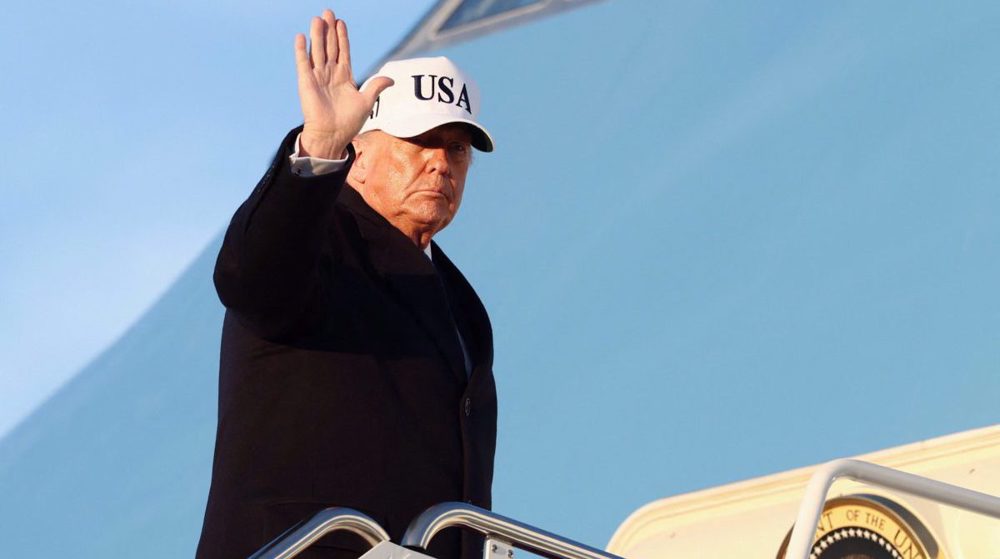
Earlier, US President Donald Trump said he had ordered a five-day pause in planned attacks on Iran's energy sites, claiming Washington and Tehran had resumed talks.
Trump backed down after Iran threatened to retaliate, no talks underway: Report https://t.co/O77h9luH2q
— Press TV 🔻 (@PressTV) March 23, 2026
The Islamic Republic has rejected partaking in any such negotiation, and the IRGC has attributed Trump's comments to his backing down in the face of Iran’s "heroic resistance and steadfastness."
The logic of victory: Iran’s principled terms for end to imposed war define a new strategic reality
From ‘peace president’ to illegal aggression: Israel’s grip on Trump
US veteran shames America at site of Minab school massacre



'Iranians shattered aggressors' illusions': FM spox invokes history amid prospect of MoU with US
US Secret Service says fatally shot 'armed individual' near White House
'Iran won the war': Former senior Israeli official
May 23: Progress in talks to end imposed war as IRGC continues to oversee Strait of Hormuz transits
Positive step in talks to end imposed war possible if other side shows commitment: Envoy
FIFA approves Iran base camp switch from US to Mexico: Federation head
Iran says Western states responsible for failure of NPT conference
Araghchi reaffirms Iran's unflinching support for Hezbollah in message to Sheikh Qassem


 PressTV NEWSLETTER
now
PressTV NEWSLETTER
now
 This makes it easy to access the Press TV website
