Iran’s Fattah 2 hypersonic missile nearly impossible to intercept: Report
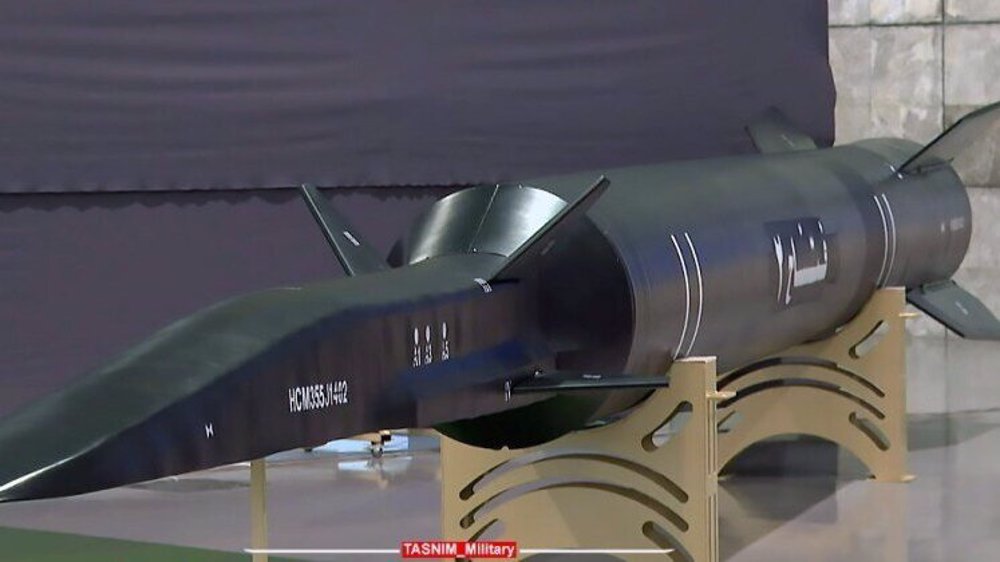
A report published by a prestigious military website shows that existing air defense systems in the world are practically unable to intercept Iranian-made Fattah 2 missiles.
The report published by Military Watch Magazine on Tuesday said Iran's Fattah 2 missile, a hypersonic glide vehicle which has been used against Israeli targets for the first time in the ongoing Israeli-US war against Iran, has created a real challenge for the Israeli regime and the US and their much-boasted anti-missile systems.
“Hypersonic glide vehicles can maneuver in both course and pitch, carrying out lateral maneuvers several thousand kilometers above the Armstrong Limit, which combined with their extreme speeds makes them nearly impossible for existing air defense systems to intercept,” it said.
The report cited footage from the Israeli regime indicating that at least three successful Fattah 2 strikes have been launched by Iran against high-value Israeli targets since March 1.
It said that US and Israeli anti-missile systems have already been under strain from strikes by older types of Iranian ballistic missiles, with the number of interceptors remaining highly limited.
The report pointed to a quote from the vice president of the leading Israeli missile system developer Rafael Advanced Defense Systems, Yuval Baseski, in August 2025, highlighting that the regime and its anti-missile systems are unable to intercept hypersonic missiles like Fattah 2.

“Hypersonic missiles open a new era in air defense… Every air defense system today is based on flying faster than the target.
But this principle does not apply to hypersonic missiles. To intercept an object moving at Mach 10, one would need a defense moving at Mach 30, which is impossible in the atmosphere due to friction,” Baseski said.
He suggested that a “zone defense” model, under which multiple interceptors cover defined areas and engage threats as they approach, could be effective against such missiles.
However, the Military Watch report said Israel has yet to show signs of being able to implement this approach, adding that even if financed, it would take several years and likely cost tens of billions of dollars.
“…it is likely that Iran's Fattah 2 arsenal will continue to be able to penetrate Israeli defenses with impunity,” the report said.
Iran warns of ‘harsh response’ as Israel violates ceasefire 84 times in Lebanon

With Israeli boots on the ground in Lebanon, Iran-US war-end deal remains fundamentally incomplete

Advanced arms production never halted during imposed war: Iran’s defense chief



Netanyahu-Trump relations reach breaking point: Israeli paper
UK Palestine Action proscription upheld
Top Yemeni official: Iranian armed forces inspiring model for Muslim world
Israeli media urges continued Lebanon strikes to disrupt Iran-US MoU
Bahraini regime forces attack mourning Shia Muslims near Manama
On Iran’s sanction-proof economy powered by scientists
VIDEO | US public welcomes end to their most unpopular war ever
VIDEO | Iran vs. New Zealand: A meeting beyond football



 PressTV NEWSLETTER
now
PressTV NEWSLETTER
now
 This makes it easy to access the Press TV website
