An uprising against oppression of Mohammad Reza Pahlavi
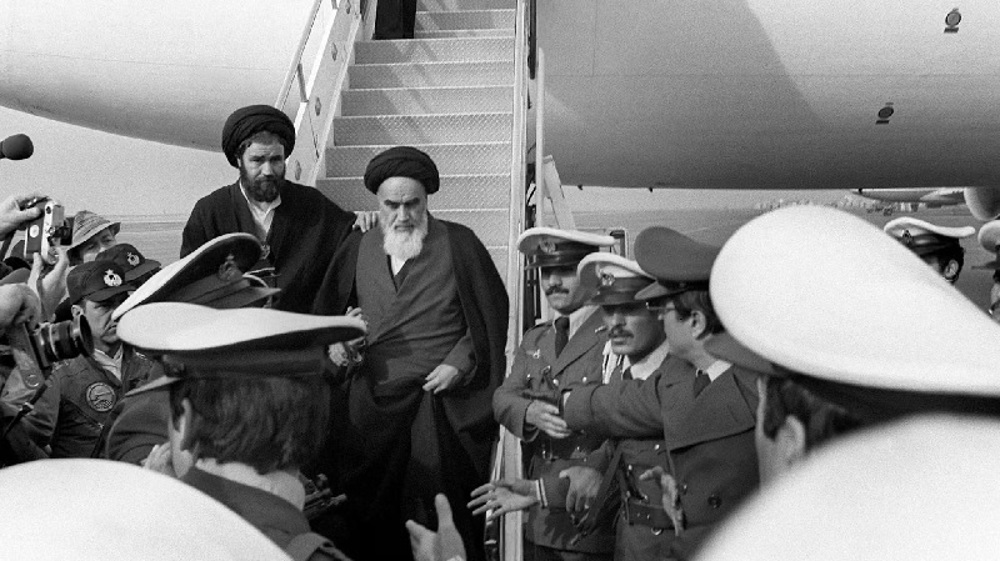
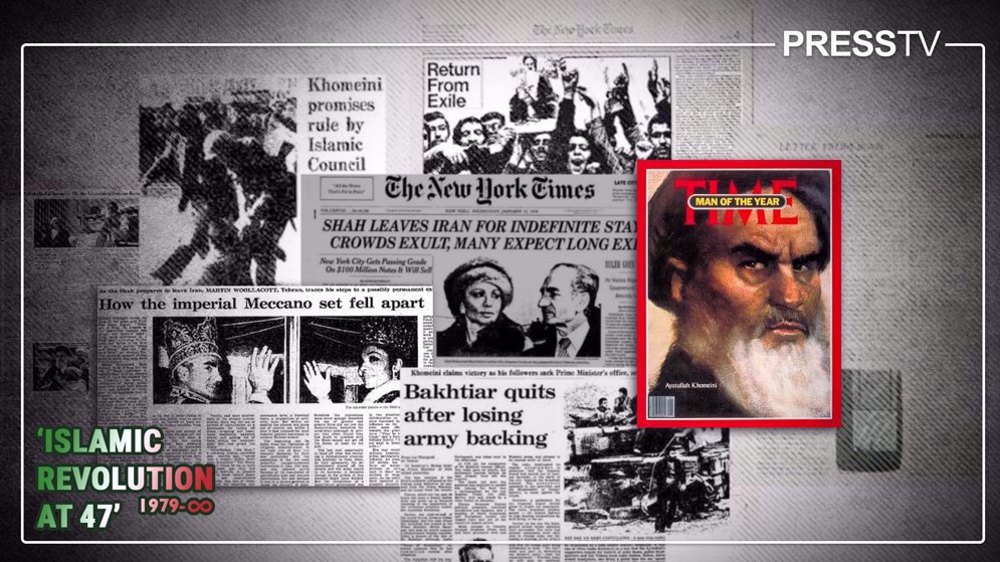
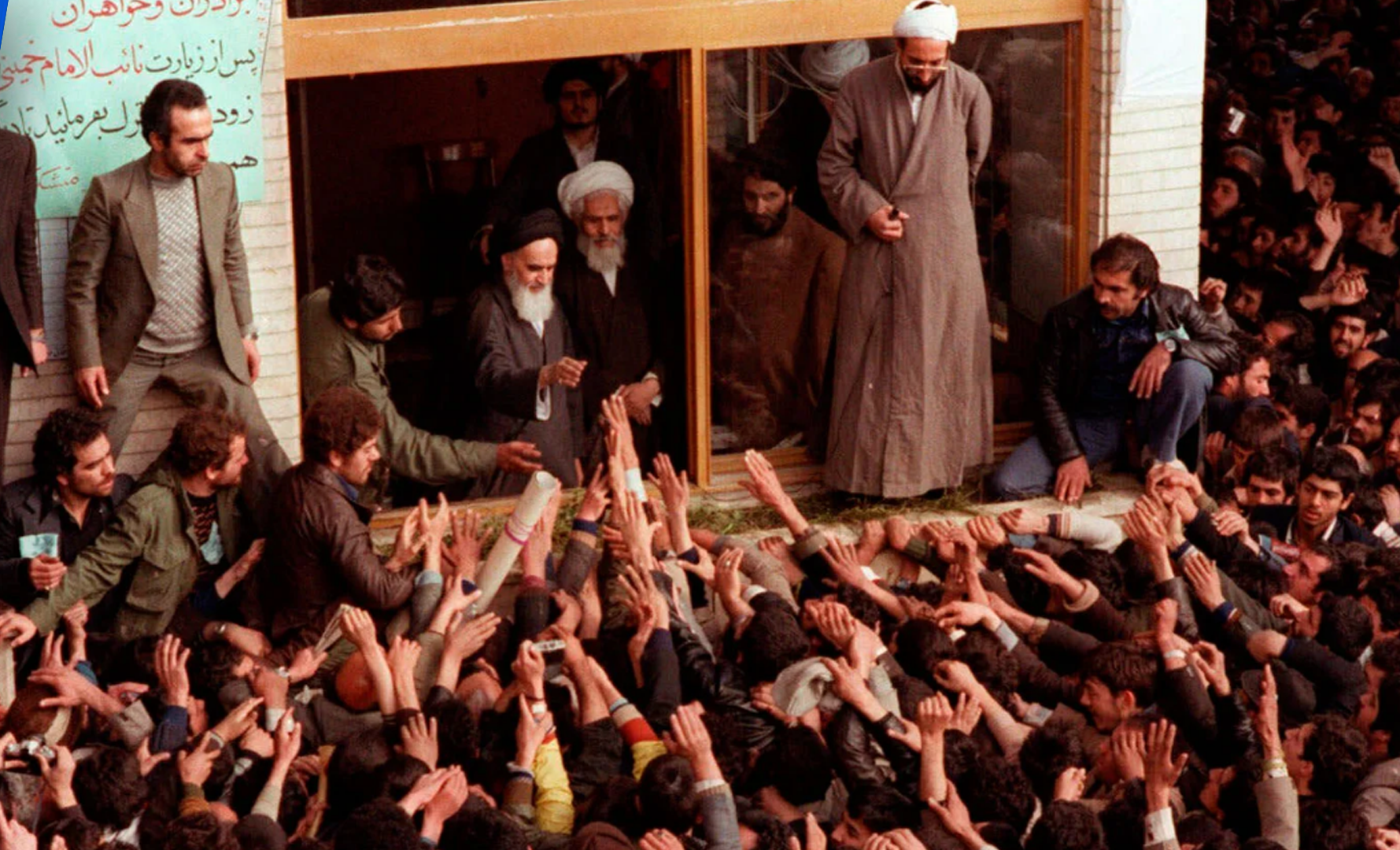
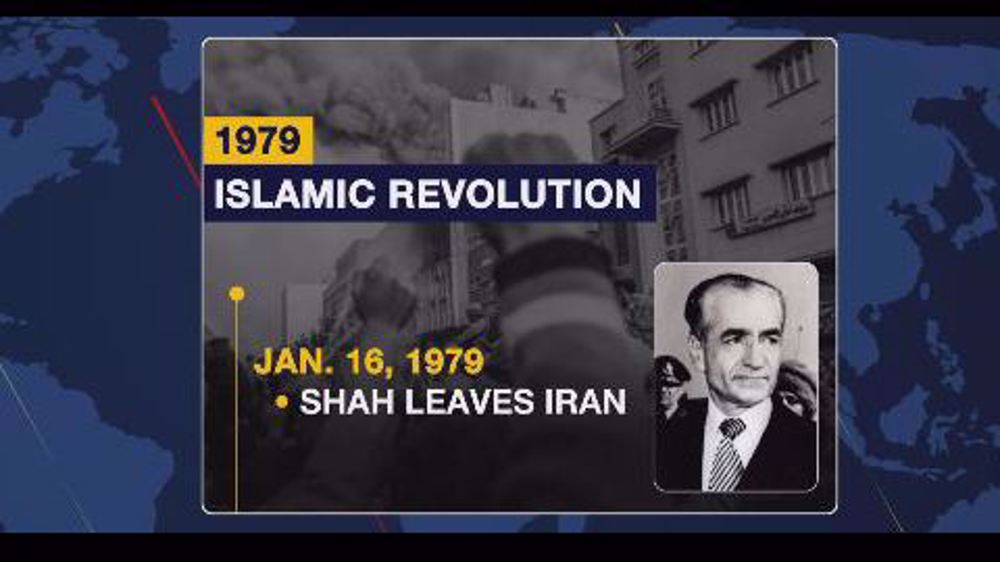
On February 1, 1979 after years of exile, Grand Ayatollah Seyyed Ruhollah Khomeini, returned to Iran.
He is the leader of a revolution that has been building for years, an uprising against the oppression of Mohammad Reza Shah, against a system marked by corruption and incompetence, a system that stripped the country of its independence and reduced the fate of its people to a plaything of foreign powers.
The young Ruhollah was among the very first students of the newly established Seminary in Qom. He was only 19 years old, yet he attended the classes of many teachers, mastered a wide range of disciplines, and advanced so rapidly that his instructors openly admired him.
Even then, people spoke of his future, they were certain he would one day become a great man. Years later, that prediction came true.
When Ayatollah Borujerdi, the greatest religious authority of the time arrived in Qom, Seyyed Ruhollah was already a recognized teacher, long engaged in teaching mysticism, ethics, jurisprudence and philosophy.
But scholarship alone did not explain his influence. More than any other cleric of his generation, he spoke openly about Iran's political and social realities.
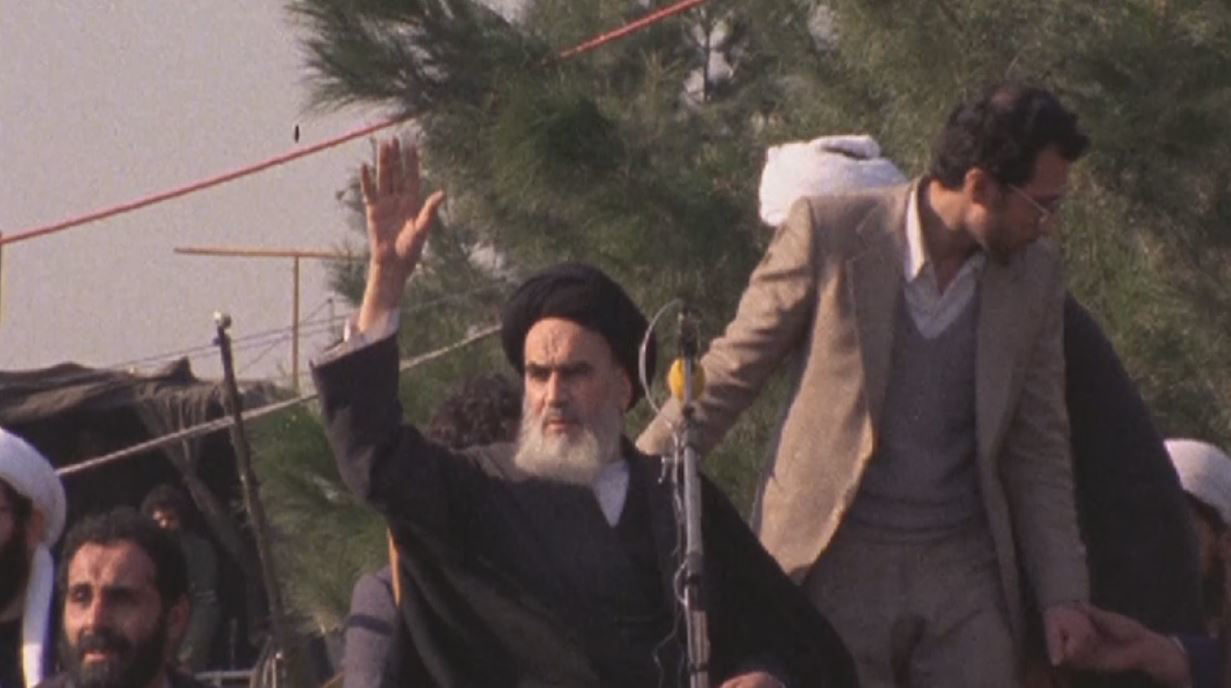
In the years after World War II, in a country newly freed from Soviet and British occupation, the presence of a figure like Haj Aqa Ruhollah drew dozens of young people searching for change.
For this reason, Ayatollah Borujerdi appointed him as his representative to meet the Shah. He entered the royal court without observing royal protocol. He showed no special deference to the young dictator before him, delivered Borujerdi's message and left.
This confrontation would be repeated years later, when Seyyed Ruhollah stood as the leader of the last revolution of the century and Mohammad Reza as the last Shah.
But the roots of that confrontation stretched back decades. At the time, more than 30,000 American advisors and employees worked across Iran's government institutions.
The turning point came in 1962 when the government proposed a new law whereby elected representatives would no longer be required to swear their oath on the Holy Qura'an when joining local councils.
Ayatollah Khomeini opposed it openly. He wrote letter after letter to officials and spoke tirelessly to the people. Public opinion shifted; faced with growing resistance, the government withdrew the law.
Almost immediately, with great fanfare, the Shah announced the so-called White Revolution; a referendum would be held to approve his economic reforms.
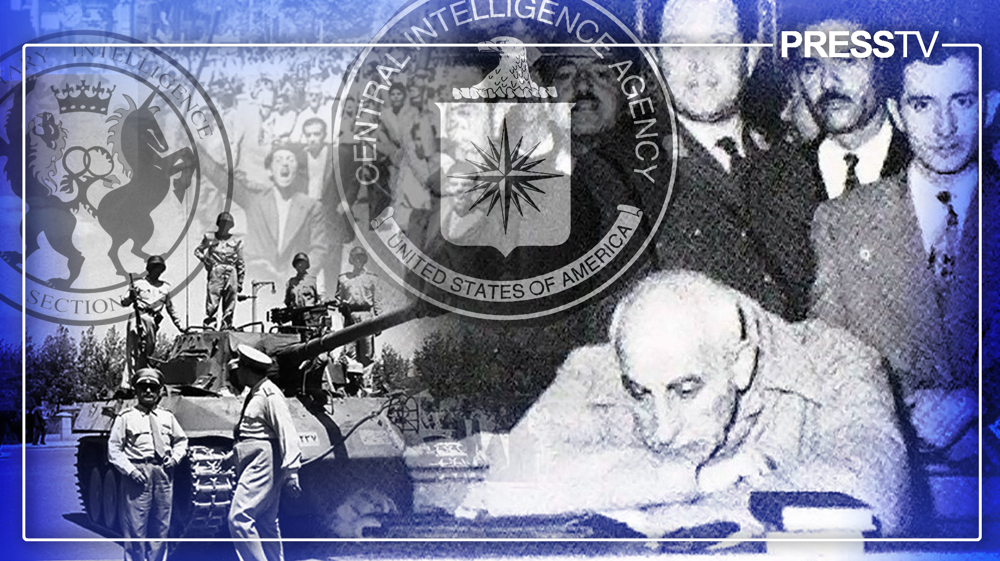
But who did not know that the Shah had come to power through a coup against Dr Mosaddeq? Who did not know that under his rule, the results of elections were decided in advance?
The Ayatollah called on the people to boycott a referendum organized by an illegitimate government. Many did. The Shah was furious. Days later, soldiers stormed the Feyziyeh seminary in Qom, killing and wounding seminarians.
Then on the day of Ashura, Seyyed Ruhollah mounted the pulpit and delivered his fiercest speech yet against the Shah. The same night, Royal Guards surrounded his home and arrested him.
The arrest of Ayatollah Khomeini came at a heavy cost for the Pahlavi regime.
Massive demonstrations erupted across the country. Dozens were killed or wounded, influential figures inside and outside Iran delivered speeches and sent letters demanding the release of this resistant, justice seeking cleric.
When public pressure finally forced his release months later, nothing had changed. Seyyed Ruhollah now spoke against the capitulation law, legislation granting foreign military personnel immunity from Iranian courts.
He declared that the Shah was selling Iran's independence to the Americans. He accused the country's rulers of being nothing more than American puppets.
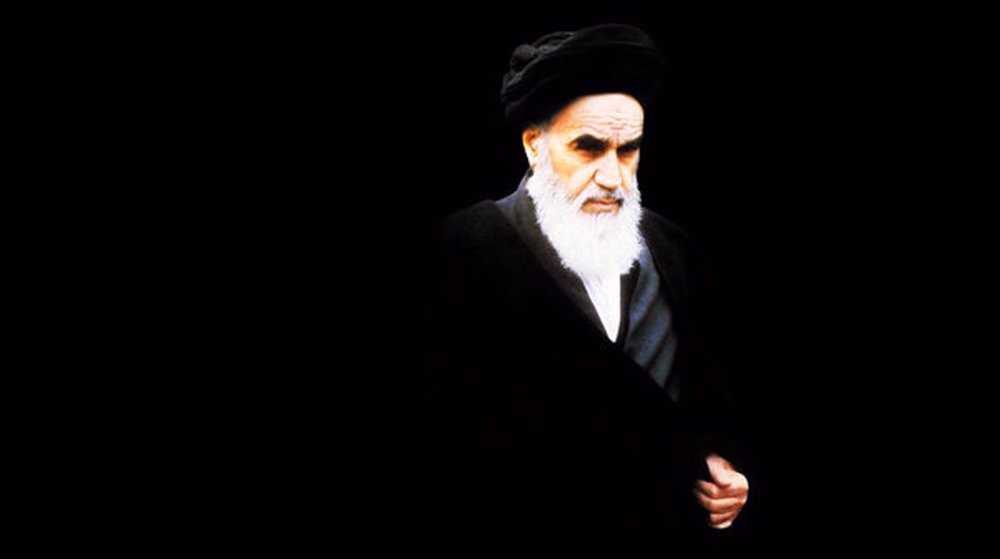
This time, the response was exile, after a brief period in Turkey where he was forbidden even from contacting his family, he was sent to Iraq.
For 12 years, Najaf became the center of his teachings. Students who avoided imprisonment traveled there to attend his classes. Those who could not, passed recordings, pamphlets and books from hand to hand, secretly listening to the words of the dictatorship's greatest opponent.
Ayatollah Khomeini stood alone against the policies of the Shah's regime, support for Israel, extravagant celebrations, the alteration of the national calendar, the forced enrollment of citizens into the Shah's political party, and, the deep economic corruption of the royal court.
Inside Iran, possession of a single cassette or leaflet bearing Khomeini's words was enough to warrant arrest by SAVAK and torture to the brink of death.
The regime sought to silence his voice, to ensure the people heard nothing from him, hoping time and distance would erase his memory; they were wrong.
The Ayatollah's voice carried, his courage worked its way through the silence.
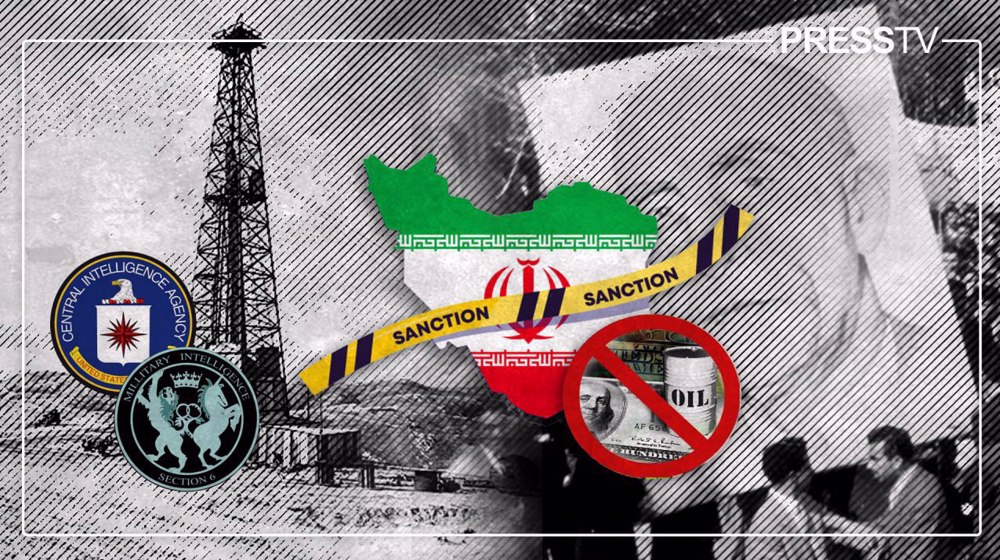
People living in the long darkness after the 1953 coup, orchestrated by the Americans and the British, searching for something to hold on to, placed their faith in his defiance.
They loved him so deeply that when a government newspaper insulted him, anger spilled into the streets. Protests followed, each one met with blood.
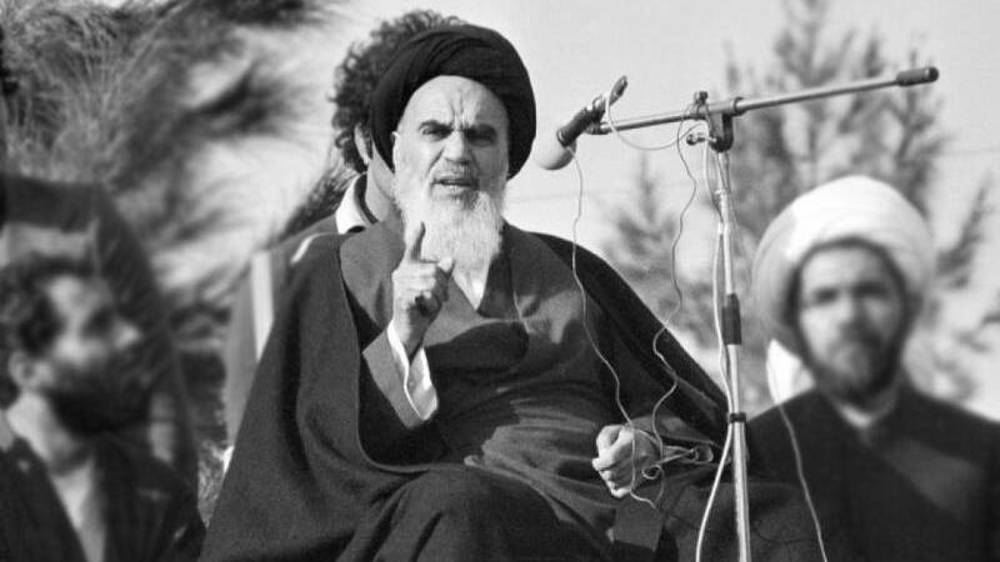
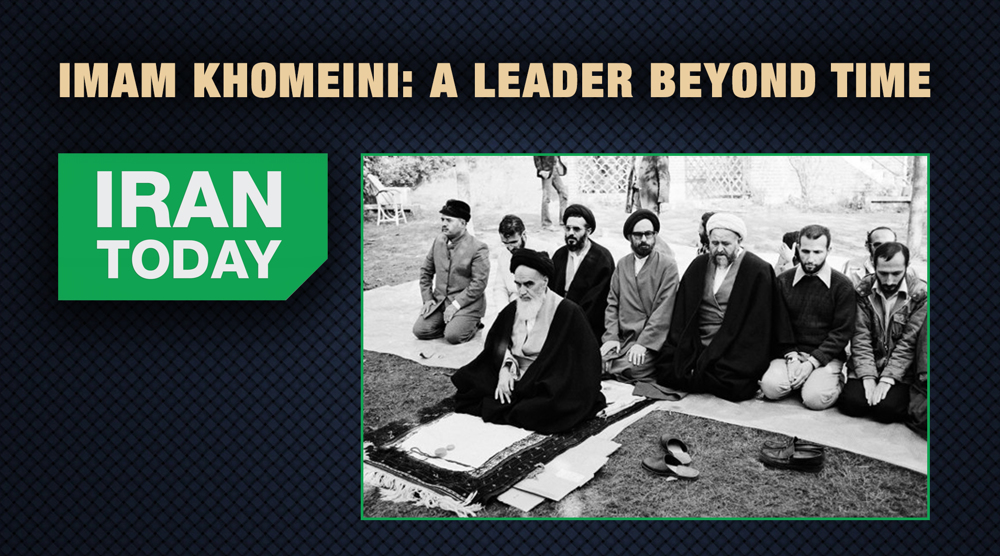
Seyyed Ruhollah was now the leader of a revolution, an old man thousands of kilometers from Iran, seated on a simple mat in Neauphle-le-Château, Paris, giving hope to a nation.
With a single message he could send millions onto the streets, defying martial law, facing soldiers' bullets.
Seyyed Ruhollah had become the voice of a nation exhausted by oppression and dependency.
The people followed him, striking, deserting military bases, protesting. He was what they had been waiting for.
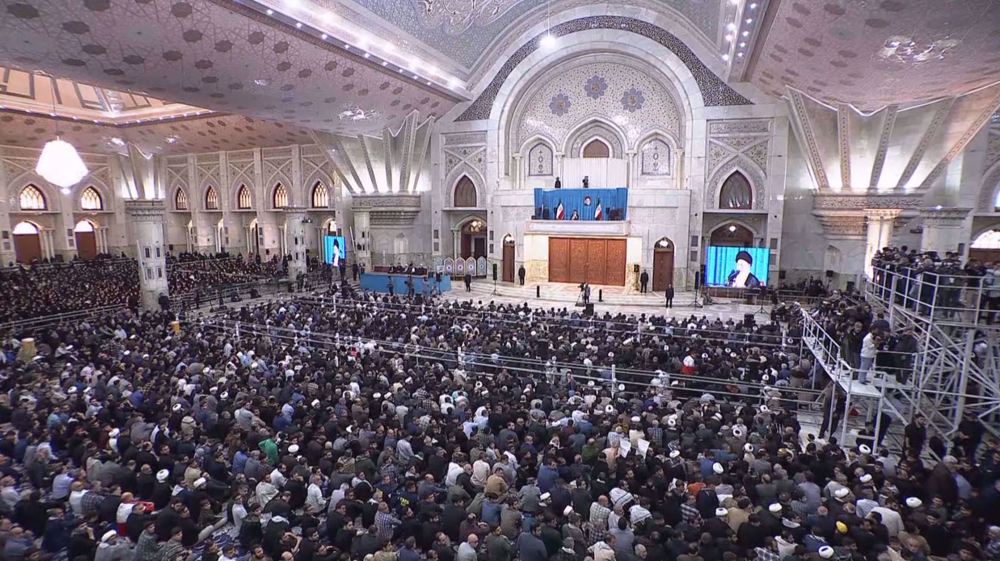
And so when the Islamic Revolution finally triumphed through the blood of the people, millions poured onto the streets to welcome him home.
They listened to his words. Streets and homes filled with his image, every day thousands lined up simply to see him.
Now he was called Imam Khomeini, the leader of a nation that had overthrown a dictator backed by the world's superpowers with empty hands.
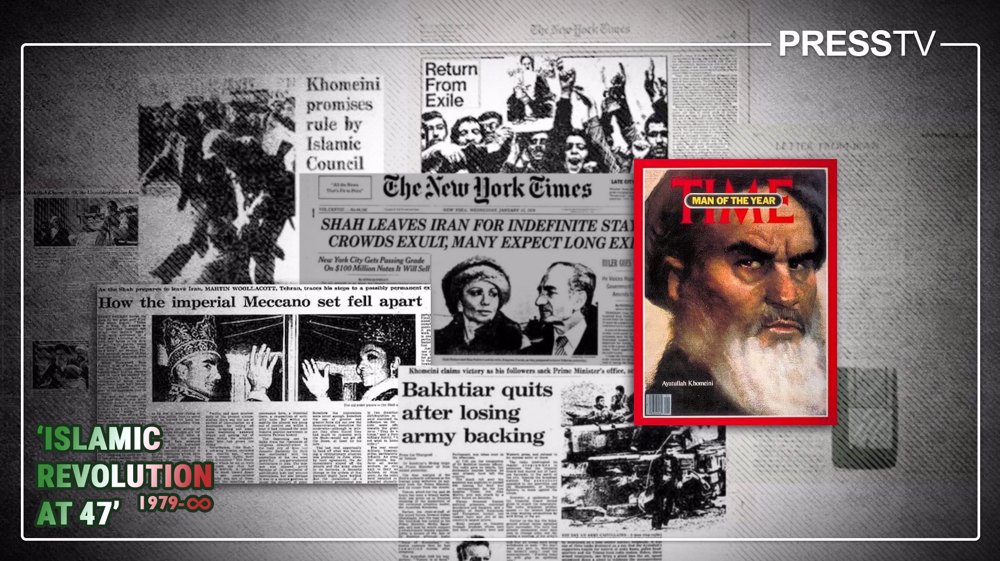
Global media spoke of his speeches, his austere life, his immense popular support, his poetry, his political skill, his leadership, but more than the media, it was the people who understood him.
They loved him so deeply that at the sight of him, they wept, empowered by the courage he had given them to achieve what once seemed impossible, the overthrow of a Shah supported by the entire Western bloc, including the United States.
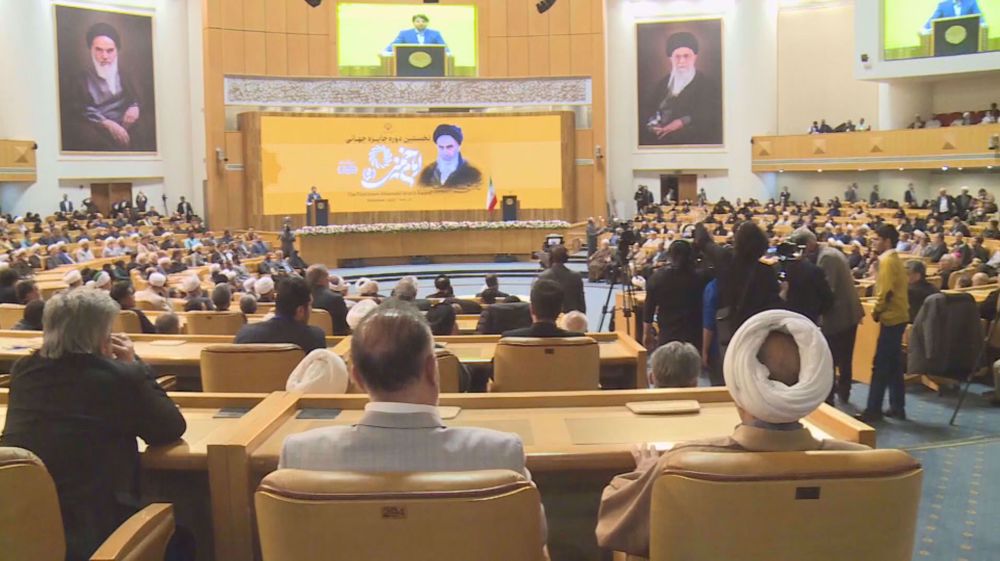
February 1, 1979 marks a new chapter in Iran's history under the leadership of Imam Khomeini.
Severe impact of war against Iran on EU economy
Starmer resigns as UK PM; another one bites the dust
‘Discrimination has no place in society’: Anti-racism rally in Paris



VIDEO | South African government on alert as Afrophobic tensions rise
VIDEO | Press TV's news headlines
VIDEO | France heatwave kills more than 1,000 people
VIDEO | Italian opposition parties demand clarification on Italy's involvement in US-Israeli war on Iran
Iran, Iraq preparing for 'historic' funeral for martyred Leader: FM
How mistreatment and bias against Iran at US-hosted 2026 World Cup became FIFA's indelible stain
Strait of Hormuz Iran's greatest source of leverage; no retreat on sovereign rights: Parl. speaker
Lebanese parliament speaker vows to block US-brokered agreement with Israel


 PressTV NEWSLETTER
now
PressTV NEWSLETTER
now
 This makes it easy to access the Press TV website
