Iranian pharmaceutical industry from licensee to exporter
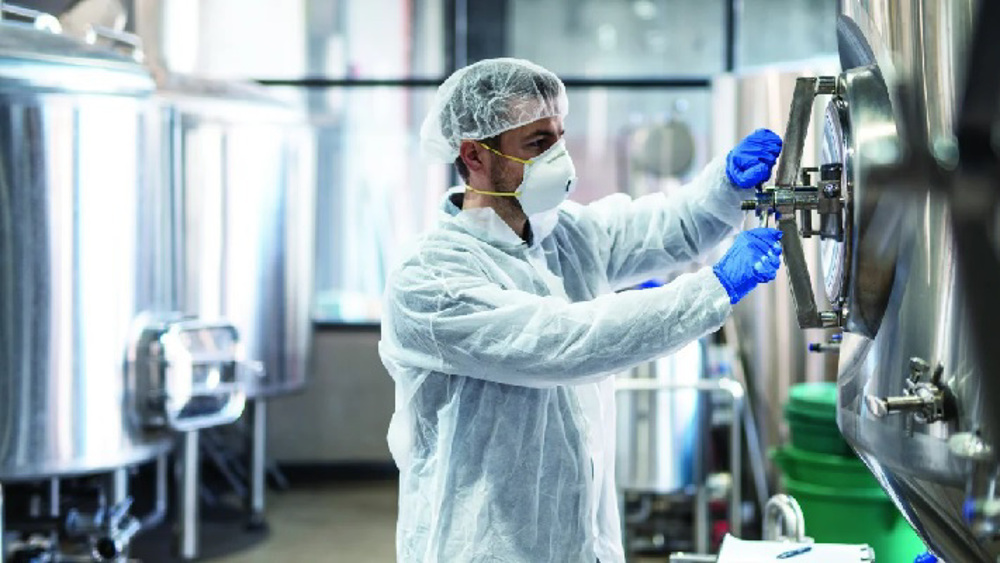
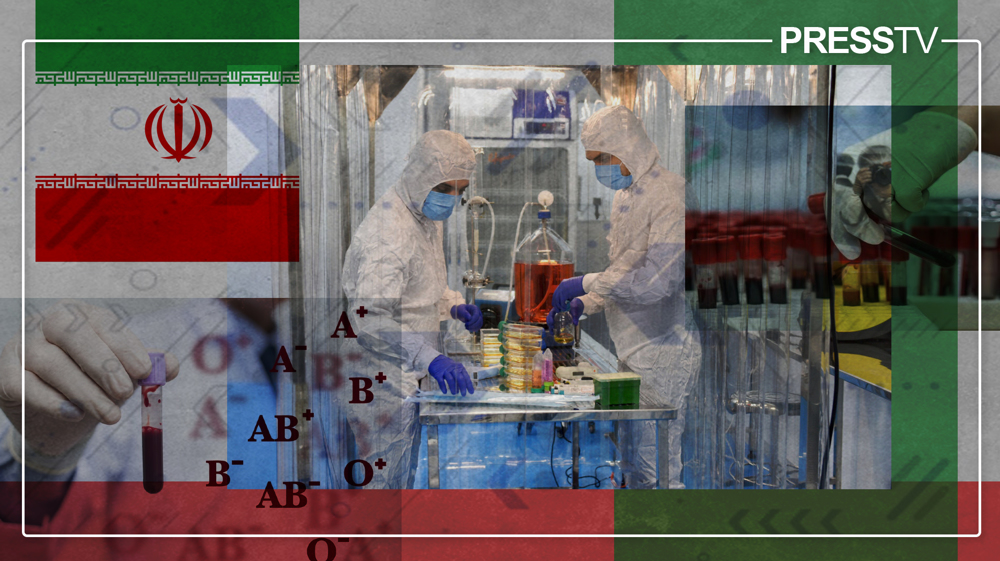
The pharmaceutical industry isn't just another business; it is the cornerstone of modern healthcare and a powerful engine of national strength.
It comprises companies that extend lives, improve daily health, and fuel some of the most advanced sciences on the planet.
Globally, pharmaceuticals sit at the intersection of medicine, innovation, and money, one of the most profitable and competitive industries in the world.
The so-called developed nations know this well, they invest heavily, not just to supply their own citizens, but to dominate global markets.
The result: relentless competition, rapid innovation, and cutting-edge technology, driving production forward.
And then there's Iran, under the burden of international sanctions, the stakes are even higher. Self-sufficiency isn't a slogan; it is a necessity.
Consequently, Iran has turned inward, tapping the scientific strength of its universities, the expertise of its specialists and the rise of knowledge based companies.

The payoff is tangible. Today, a large part of the medicines Iranian patients rely on are made at home.
Domestic production has eased the pressure of foreign restrictions and opened the door to something bigger: sustainable growth, innovation, and a homegrown pharmaceutical future.
Iran is no longer just keeping pace; it is emerging as a leader in pharmaceutical manufacturing.
We're here at the Pharmaceutical Technology Incubator Center affiliated with the Tehran University of Medical Sciences, one of Iran's most influential innovation hubs and a quiet powerhouse driving the country's pharmaceutical transformation.
Here, ideas take shape, receive support and are propelled toward the marketplace; from commercializing research to nurturing young scientists, from building knowledge-based companies to producing market-ready technologies, this center has become a launch pad for the future of medicine.
Can you please tell us more about this center and its role in the development and production of medicine inside the country?
Another key feature of this center is that it carries out the formulation work in house.
Only in very rare cases does it import part of the raw materials it needs.
That's why the medicines produced at this level are truly indigenous, and today, the center has more than 18 knowledge based companies working across different fields, developing and designing new formulations.
Dr Mahmoud Beiglar, Iran Pharmaceutical Incubation Center
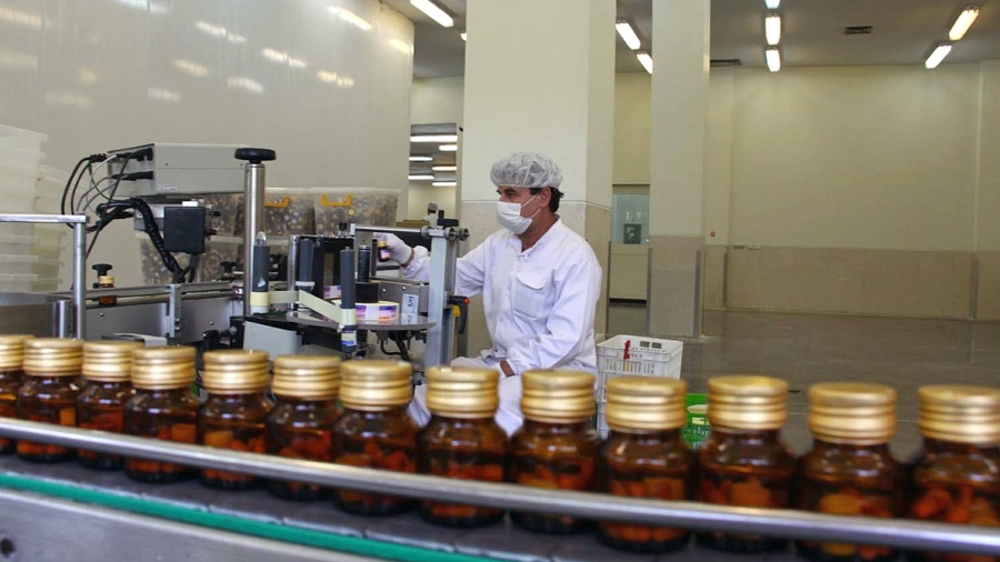
But it wasn't always this way. In 1980, just one year after the Islamic Revolution, Iran's pharmaceutical industry was limited and dependent.
Fewer than 500 drug items were available, and most were made under foreign licenses.
In reality, the medicines were imported, repackaged in Iran, and sold under international brand names. Local production existed mostly in name.
(Dr Abbas Kebriaeezadeh, head of the Iran Health Economy Federation, is a faculty member at Tehran University, and CEO of Toliddaru, a major Iranian pharmaceutical company.)
What capacity does Iran's pharmaceutical industry posses?
When we talk about a history of pharmacy in Iran, we can really look at it in two layers. One is the long historical legacy.
Iran has a several thousand year tradition in medicine and pharmacy and the name Jondishapur is familiar to many as a major center of medical knowledge exchange in its time.
But modern medicine and pharmacy in Iran go back roughly about 110 years, with Dar al-Fonun often considered the starting point, and the modern pharmaceutical industry, meaning the establishment of pharmaceutical factories, has a history of roughly 80 years.
Before the Islamic Revolution of Iran in 1979, the industry was largely built on copying international pharmaceutical companies.
After the revolution, however, because of sanctions and also the Iraq Iran war, access to many medicines through international channels became extremely difficult. That triggered a much stronger focus on this field and on pharmacy schools.
And as the pharmacy faculties expanded, the industry grew alongside them, so that today, Iran is among the countries with some of the most diverse pharmaceutical production lines.
Dr Abbas Kebriaeezadeh, Toliddaru Pharmaceuticals, CEO
Then came a turning point, the introduction of the generic drug scheme changed everything. Medicines were subsequently identified by their scientific names, not foreign brands, and the focus shifted decisively toward domestic manufacturing.
It was a policy move that reshaped an entire industry.
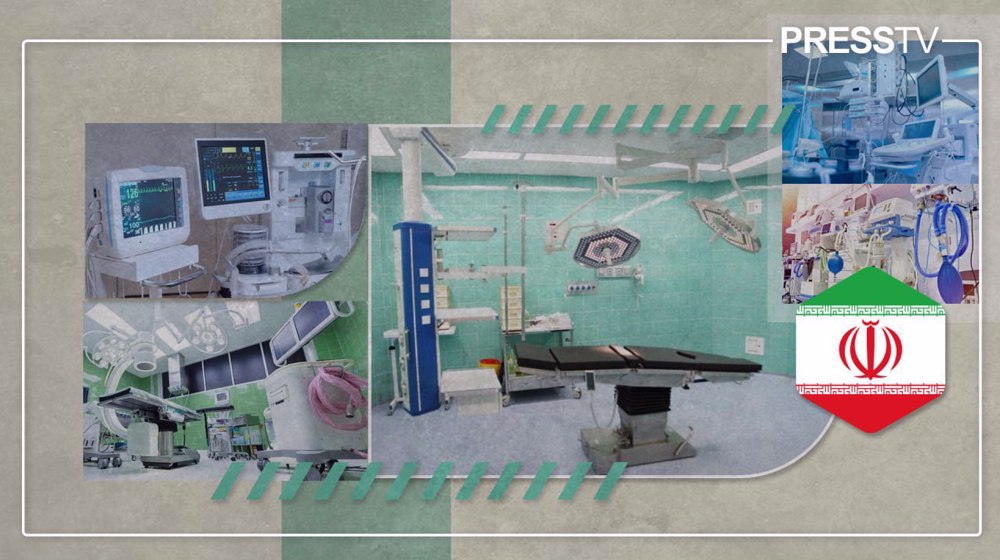
Fast forward four decades, Iran's pharmaceutical landscape is almost unrecognizable. The number of locally owned drug manufacturers has grown from just 35 foreign-affiliated firms to more than 200 Iranian companies.
On the global stage, Iran is now officially recognized as a drug-producing nation, and the numbers tell the story.
Today, Iran produces 97% of the medicines it needs at home.
In the early days after the victory of the Islamic Revolution, Iran's pharmaceutical system was facing a vacuum. Multinational drug companies had left. Supply was uncertain. The risk was real.
Into that gap stepped Iranian pharmacists, young, talented and determined, with limited resources and no safety net, they took charge, organizing production and building a domestic system from the ground up.
Then came war; sanctions and the imposed war hit at the same time, compounding the pressure, but even under fire, the pharmaceutical industry held the line.
Medicines continued to reach war veterans, the wounded and the public, while much of the economy struggled, drug production did not stop. In fact, it kept growing.
Back in the 1980s the country urgently needed certain specialized medicines, especially given the chemical attacks carried out by Iraq at that time, since this was part of the faculty's pharmaceutical unit, the professors stepped in and developed the formulations right there, then released them to the market so they could be used in treating victims of those attacks.
Then, in the 2000s, the center officially received its incubator license from the Ministry of Health so it could focus on high tech and technology dependent medicines. Working with faculty members, often through knowledge based companies; it aimed to address the national needs.
The work may have started in the early years with just four or five companies, but since then, the center has formulated and introduced more than 180 medicines to the market.
Some of these have been produced in the pharmaceutical industry for years now and are actively used in patient care.
Dr Mahmoud Beiglar, Iran Pharmaceutical Incubation Center
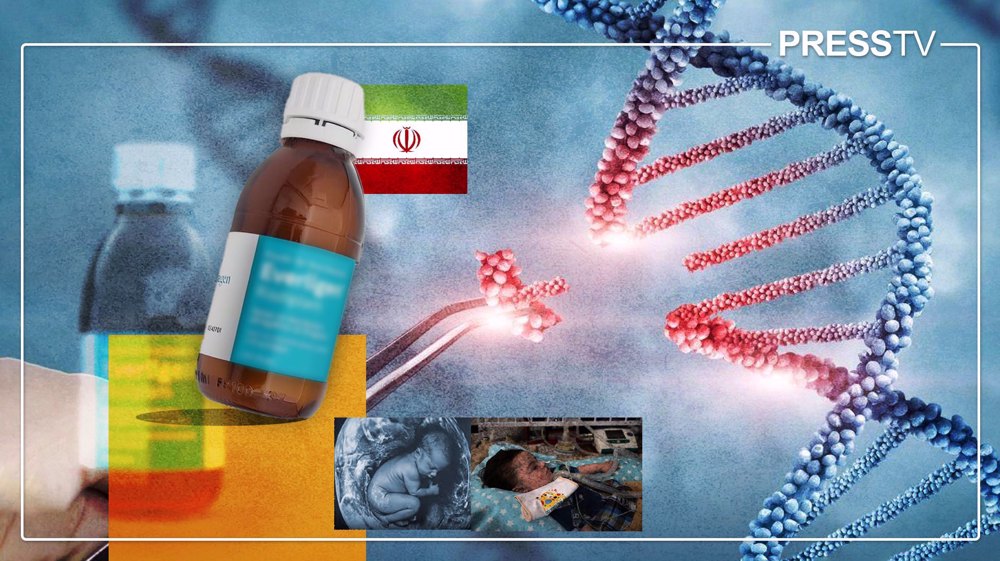
That pattern would repeat itself; during the COVID-19 pandemic pharmacists, on factory floors, in hospitals, and behind pharmacy counters, became first responders.
Shortages were anticipated and managed. Drugs introduced anywhere in the world for COVID-19 treatment were produced domestically post haste.
More recently, the 12-day war put the system to another test. From day one, manufacturers, distributors and professional associations were in constant coordination. The goal: no shortages. The result: not a single pharmaceutical factory shut down. Even plants near attack zones, some damaged, were repaired repeatedly to keep production running.
In your opinion, what has been the most significant and important achievement of Iran's pharmaceutical industry during the past couple of decades?
The biggest achievement, the core achievement, is the knowledge that has been built inside the country and the human capital behind it.
The most important outcome is the community of skilled, thoughtful scientists and specialists we now have, in my view, it's this workforce that helps the country get through every crisis, whether it be the imposed war, the sanctions, the COVID-19 period, the 12 day war, or even today, this is the capacity that allows us to move forward and overcome challenges.
Dr Mehdi Pirsalehi, Head, Iran Food and Drug Administration
This resilience matters. A study published in The Lancet reports that between 1972 and 2021, 172 countries were subjected to sanctions.
The impact was devastating, with an estimated 560,000 deaths each year due to shortages of medicines, equipment, and blocked financial channels.
More than half of those deaths were children under five, more than the toll of wars themselves.
Against that backdrop, Iran's pharmaceutical record stands out. Today, the country operates more than 220 manufacturing companies, 70 distribution firms, and 17,000 pharmacies and medicines are accessible nationwide.
Despite sanctions, political pressure and war, the pharmaceutical industry has not only survived, but it has also continued to innovate, adapt, and deliver, and it shows no sign of slowing down.
Please tell us more about your company and its activities in the pharmaceutical industry.
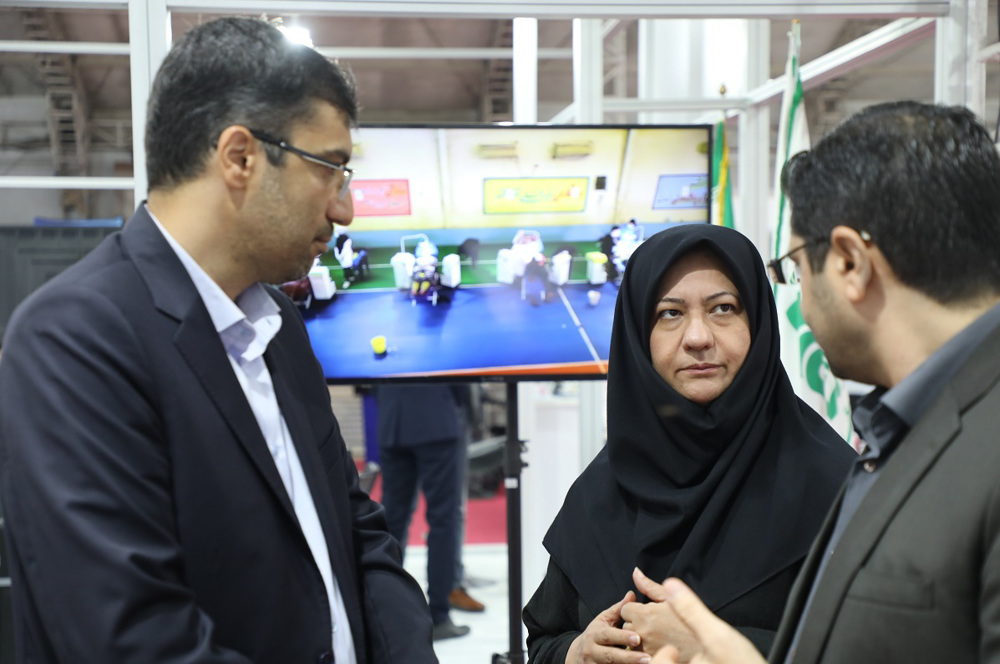
We officially started our work at this center in 2022, although we had already spent the previous two years doing research in the field of advanced pharmaceutical technologies.
This company was founded on the technical knowhow of modern drug formulations and the use of new technologies, especially molecular modeling and AI based systems.
While relying on domestic capabilities, we brought together young specialists in this field in an innovation friendly environment where effort and individual expertise could genuinely make a difference.
That's how we established the company to help develop new, next generation pharmaceutical products.
Dr Neda Fayazi, OGEN Pharma-Technologists Company, CEO
Iran's pharmaceutical industry is no longer focused on supplying its own population. Its ambitions and its reach now extend well beyond its national borders.
Export growth isn't just about prestige; it strengthens scientific credibility, boosts the economy and brings in critical foreign currency.
Today, more than 140,000 people work in this industry.
Dr Fayazi stated that her high-tech company relies heavily on domestic capabilities.
In terms of production, we set up the full space labs and formulation capabilities around the products in cardiovascular medicine, nephrology and diabetes, including both extended release and immediate release formulations.
Our goal was to design these formulations in a way that they could be manufactured inside the country using local capacity, while also making the most of the new technologies that have entered the global pharmaceutical industry and are gradually finding their way into Iran's production cycle as well.
Dr Neda Fayazi, OGEN Pharma-Technologists Company, CEO
Iran now ranks among the world's top 10 producers of biotechnological medicines.
In 2024 alone, pharmaceutical exports reached roughly $150 million, driven largely by biotech products and pharmaceutical raw materials.
Iranian medicines are now sold in more than 40 countries, including Oman, Iraq, Russia, Afghanistan, the United Arab Emirates, and Tajikistan.
Do you export your products to other countries?
Our products are currently being registered within the AEEU framework, and countries like Afghanistan and Iraq are already sourcing medicines from us. To date based on the shipments we've delivered, they have expressed satisfaction.
In fact, we've received genuinely positive quality feedback across the board, from our documentation and quality standards to physician and patient satisfaction, which fortunately, have been very encouraging.
Dr Neda Fayazi, OGEN Pharma-Technologists Company, CEO
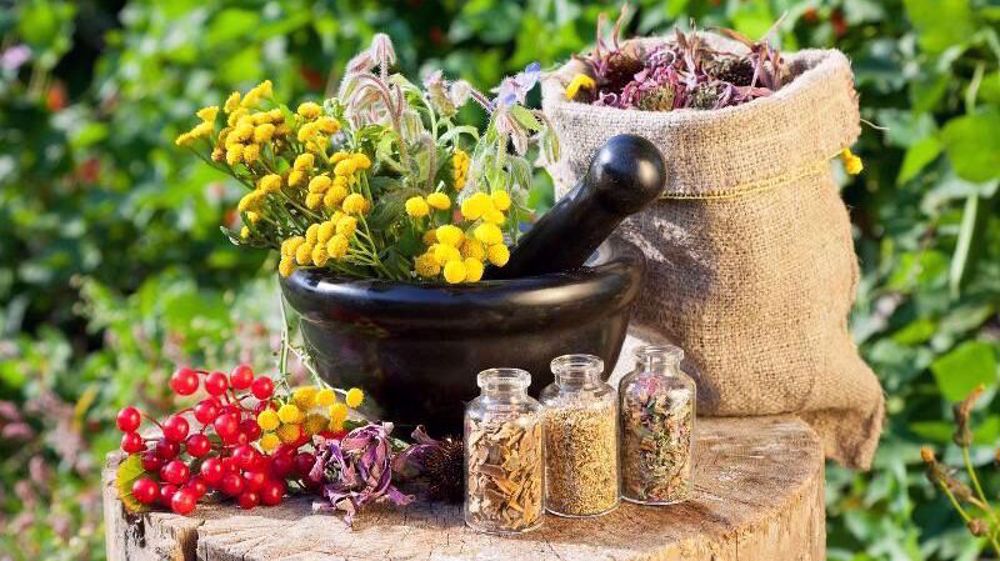
Another area of quite expansion has been herbal veterinary medicines. Through knowledge-based companies, Iran has developed and exported these products to 16 countries.
The impact is practical and measurable as reduced antibiotic use, lower production costs and higher productivity for livestock farmers.
What was once specialized knowledge controlled elsewhere is now an Iranian export. With its diverse climate, the country has untapped potential for the large-scale cultivation of medicinal plants.
What is your assessment of Iran's current position in pharmaceutical production?
In terms of the depth of knowledge, Iran is genuinely far ahead of many countries in the region.
A number of neighboring countries either do not have a pharmaceutical industry at all, or if they do, it's limited at best to basic formulation.
Having a biotechnology industry is at a completely different level, and Iran has that. In fact, we manufacture a considerable share of biotech related equipment domestically as well.
So in terms of scientific depth, our situation really is not comparable to much of the region.
Dr Abbas Kebriaeezadeh, Toliddaru Pharmaceuticals, CEO
In chemical pharmaceuticals, Iran offers a broad product portfolio. Presently, the country is one of the region's leaders in biotechnological medicine.
These products now account for more than 80% of the country's pharmaceutical exports.
To introduce a pharmaceutical product with truly unique features into the domestic market Iran has traditionally used different approaches.
Over the past decade, for example, some products would enter the product cycle as readymade granules for compression, often imported, especially when the formulation was complex.
In many cases, the idea was to import it in a way that would reduce the complexity of manufacturing inside the country and manage quality mainly through materials that required minimal manipulation.
But in our company, because quality is one of the areas we consider absolutely critical, and because innovation must be thoroughly validated, we decided to formulate our new drugs from start to finish ourselves.
We wanted to ensure that any formulation changes during production, both qualitative and quantitative, would be fully controlled and correctable. That's why we began the process with computer simulations.
Before using product facilities we carried out a complete initial design on computational systems for our formulations and use those assessments to improve and refine the product's clinical positioning from a quality perspective.
Dr Neda Fayazi, OGEN Pharma-Technologists Company, CEO
But this didn't happen overnight. Less than three decades ago, biotech production in Iran was little more than an aspiration. At present, it's a strategic reality.
In the past year alone, without domestic biotech companies, Iran would have needed to spend $5 billion on imports, money that simply wasn't available.
Overall for the country's entire pharmaceutical supply, both locally produced and imported, we have roughly two and a half billion dollars in annual foreign currency outflow, and if you compare that with countries in our region that have populations similar to ours, many of them spend several times more than that just to secure their medicine needs.
Dr Mehdi Pirsalehi, Head, Iran Food and Drug Administration
Out of 150 biotechnological pharmaceutical products produced worldwide, 40 are now made in Iran. That's the result of nearly three decades of sustained investment and a long-term bet that paid off.
Do you think that Iran has reached a level of self-sufficiency in the production of medicine?
Let me sum it up with one comparison.
In the 1970s the number of pharmaceutical companies in Iran that were involved in production was under 50, and most of them were merely repacking and copying formulations.
Today, we have more than 500 pharmaceutical factories with a mission built around new formulations. Their product portfolios include a wide range of formulations produced domestically.
The diversity of dosage forms we see in Iran today is simply not comparable to the past, and in my view, that's one of the biggest achievements.
Localizing this knowledge didn't just build capability; it also created real diversity across the pharmaceutical industry.
Dr Mahmoud Beiglar, Iran Pharmaceutical Incubation Center
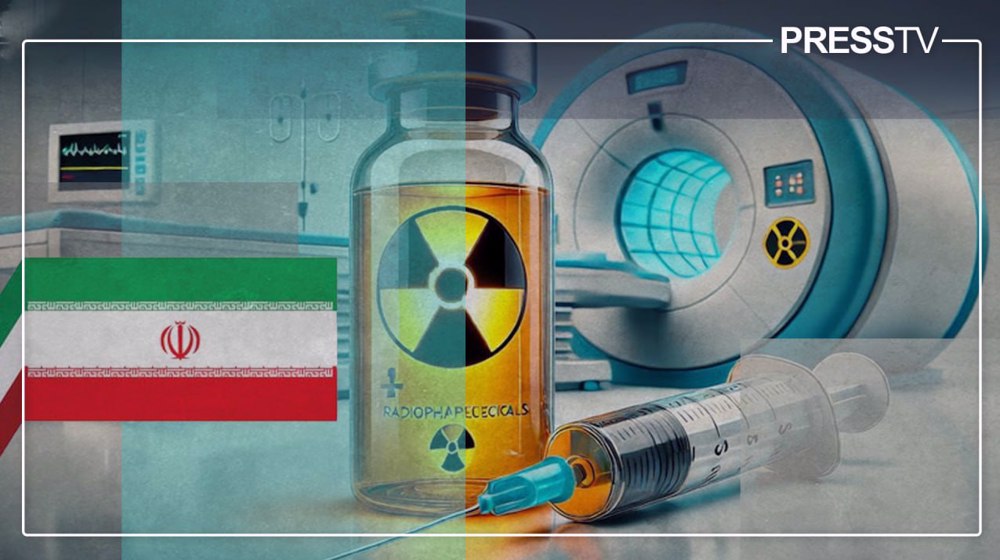
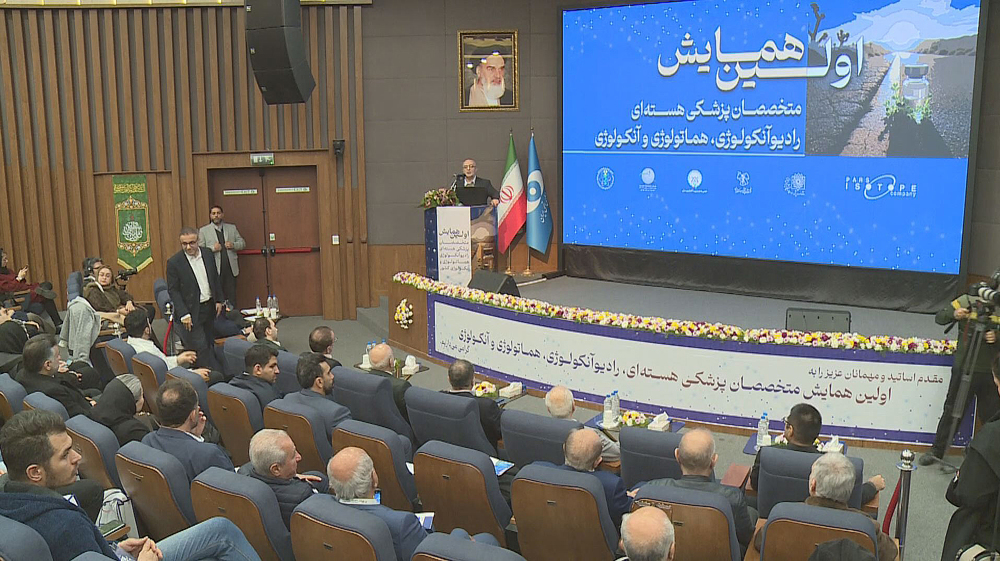
Radio pharmaceuticals are no longer a niche product; they are one of the cornerstones of modern medicine.
For the past two decades, Iran has invested strategically in nuclear technology and nuclear medicine, emerging as a regional and even a global leader.
The goal set in the 1980s was to build active immunity in every child against preventable diseases. Over the decades that program has grown, and today, Iran boasts vaccination coverage above 98%; coverage rates that many nations can only dream of.
The program began in 1984, targeting children under the age of one for protection against diphtheria, tetanus, pertussis (whooping cough), measles, polio and tuberculosis. Hepatitis B was added in 1993.
More recently, pneumococcal and rotavirus vaccines have strengthened the national schedule even further.
When compared to countries like Germany, Sweden, Norway, Canada, the United States and the United Kingdom, Iran's record is striking. For more than a decade, vaccination coverage has consistently hovered between 98% and 99%, which is well above the 95% ceiling in those nations.
Iran is not just administering vaccines, it's making them; the country ranks 10th worldwide in vaccine production.
Since 2001, the Razi Vaccine and Serum Research Institute alone has produced over 60 billion doses. That's a National Achievement of scale and ambition, a safeguard for generations of Iranian children.
Vaccination is the single most powerful tool in public health, a proven way to protect children and save lives.
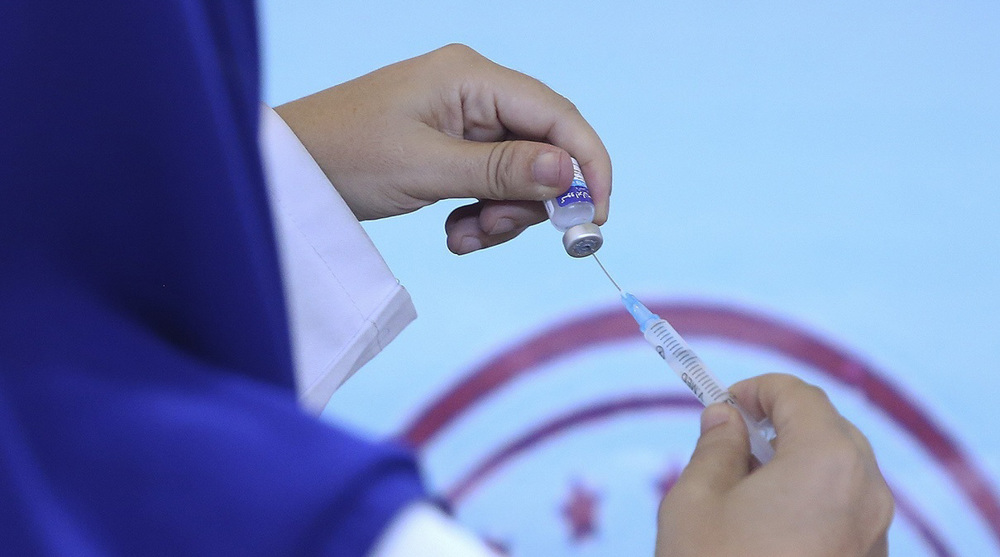
In Iran, after the victory of the Islamic Revolution, the country launched its expansive program on immunization alongside a nationwide Primary Health Care Network.
Drugs with remarkable precision, produced with radioactive isotopes, target diseased tissues and organs directly, offering sharp diagnostic images or localized treatment while sparing healthy tissues. For cancers and cardiovascular diseases, this precision can be life-saving.
Iranian scientists are making their mark. Research published in international journals, collaboration with leading global centers, and active participation in scientific congresses underscore the country's growing role in innovation.
The results speak for themselves. Iran produces 72 types of radio pharmaceuticals, supplying more than 6500 Nuclear Medicine Centers domestically and exporting to 15 countries, generating around $70 million in 2025 alone.
Today, nearly 400 centers across Iran treat patients with domestically developed radio pharmaceuticals.
Where does Iran stand with respect to the production of radio pharmaceuticals and specialized drugs?
And when it comes to radio pharmaceuticals, I honestly think we're unique in the region. We now produce more than 70 radio pharmaceutical products domestically, both diagnostic and therapeutic.
Essentially all the radio pharmaceuticals we need are provided inside the country. Their clinical studies are conducted here. They're being used, and there is clear satisfaction among physicians and patients.
And the reality is, if we hadn't reached this level of self sufficiency, we would have been in real trouble.
Since radiopharmaceuticals are highly specialized and have very short half lives, from just a few hours up to at most a week, under sanctions, with the difficulty of moving shipments in and out, we simply wouldn't have been able to rely on foreign supplies.
Dr Mehdi Pirsalehi, Head, Iran Food and Drug Administration
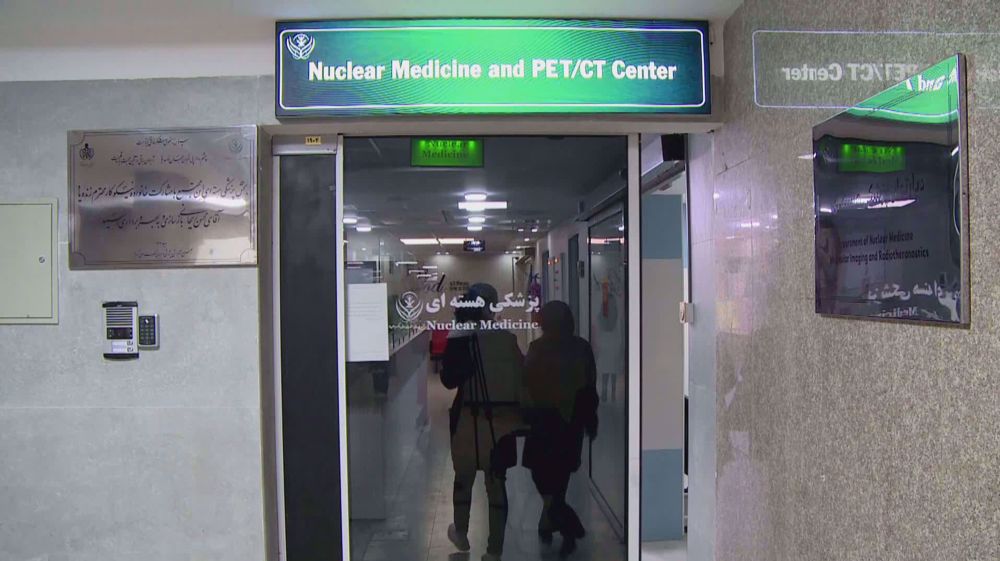
This isn't just about production, it’s a matter of impact.
Iran now ranks among the world's top 10 radio pharmaceutical producers. New medicines like gallium FAPI and lutetium can diagnose and treat up to 30 types of cancer, reaching some 1.5 million patients annually.
From a single nuclear medicine center in 1989 to nearly 250 centers nationwide today, the field has expanded 250-fold in just three decades.
How does the domestically produced medicine in Iran rank in terms of international standards and what is their competitive advantage with respect to similar foreign products?
Until a medicine meets the required standards, it won't receive a license from the Food and Drug Administration.
It has to demonstrate therapeutic performance on a par with medicines that were already available in Iran's market so it can justify approval, and for medicines being produced for the first time, the regulatory pathway is even more stringent.
The product has to be competitive in every sense, both safety and effectiveness. In fact, many cancer medicines being used today are no longer imported because Iranian versions have shown very strong therapeutic results in patients, making importation essentially unnecessary.
So in my view, the quality is at a level that meets patient needs, and if the right infrastructure is provided, these medicines can also be exported.
Dr Mahmoud Beiglar, Iran Pharmaceutical Incubation Center
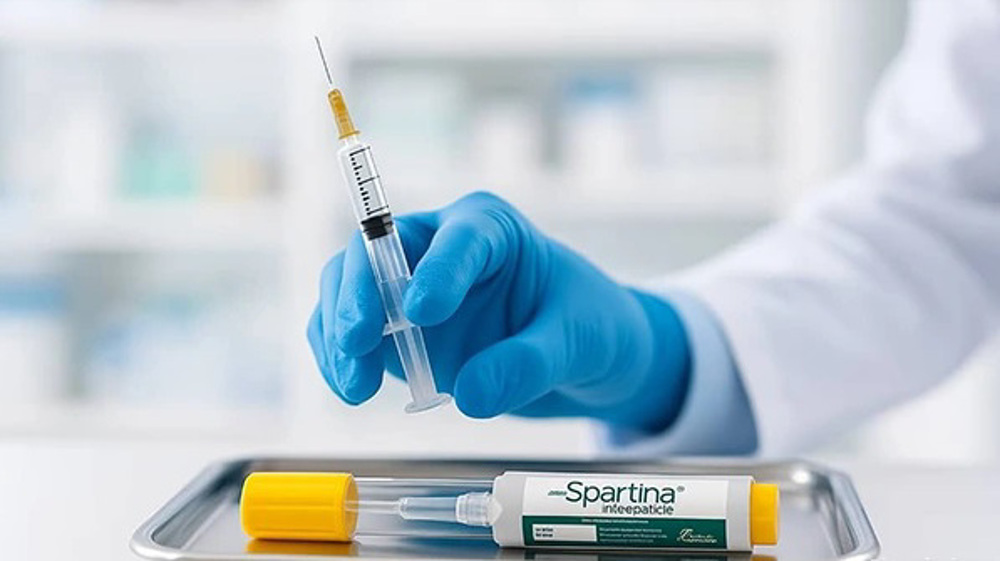
And there's a geopolitical twist; US sanctions once targeted radio pharmaceutical imports to Iran, domestic production rendered those restrictions irrelevant, transforming challenges into self-reliance.
Today, Iran not only meets its own needs but also exports its expertise, and in doing so, has carved out a place among the global leaders in nuclear medicine.
Severe impact of war against Iran on EU economy

Starmer resigns as UK PM; another one bites the dust
‘Discrimination has no place in society’: Anti-racism rally in Paris


Mission unaccomplished – Part VI: US sought Iran’s surrender but got a new regional superpower
Tensions flare in Washington as Vance, Rubio clash over Persian Gulf policy, 2028 ambitions: Report
Oman backs Iran’s plan to charge Strait of Hormuz ‘service fees’
Iran says talks with US contingent on implementation of key MoU provisions
Child among 3 killed after Israel bombs tent in central Gaza
Iran says only it can demine Strait of Hormuz under MoU with US
Advanced lymphoma treatment technology under development at Iran's Royan Institute
Iran FM meets Karbala, Najaf governors to discuss funeral plans for late Ayatollah Khamenei
 PressTV NEWSLETTER
now
PressTV NEWSLETTER
now
 This makes it easy to access the Press TV website
