CPJ condemns bin Salman's visit to US, his first since Khashoggi murder

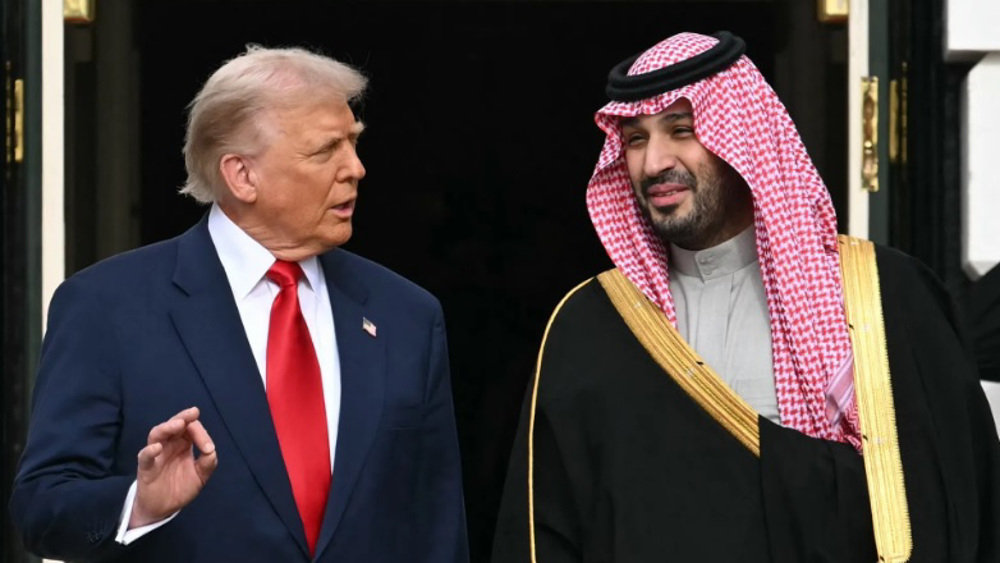
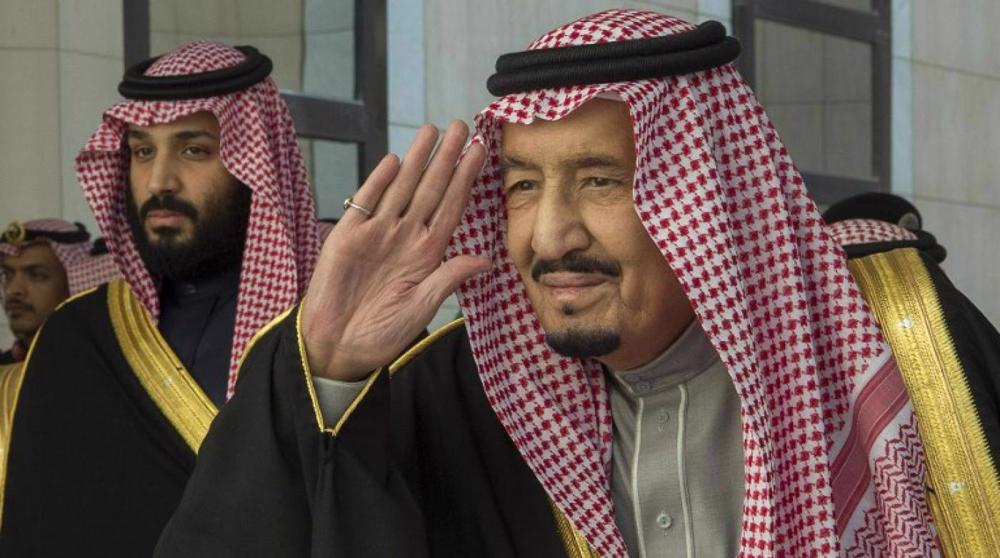
The Committee to Protect Journalists has strongly condemned the United States’ reception of Saudi Crown Prince Mohammed bin Salman, who arrived for a high-profile visit marking his first trip to Washington since the 2018 killing of journalist Jamal Khashoggi.
“The welcome Crown Prince Mohammed bin Salman receives in the US today, his first since journalist Jamal Khashoggi’s murder, shows how the world’s failure to deliver justice has only emboldened Saudi repression,” said CPJ MENA's Regional Director Sara Qudah in a post on X on Tuesday.
“Authorities must end executions, unconditionally release all detained journalists, halt transnational repression tactics against exiled journalists, and respect the right to a free press in the Kingdom,” she added.
#SaudiArabia: The welcome Crown Prince Mohammed bin Salman receives in the U.S. today, his first since journalist Jamal Khashoggi’s murder, shows how the world’s failure to deliver justice has only emboldened Saudi repression. Authorities must end executions, unconditionally… pic.twitter.com/5y5QyaRgvv
— CPJ MENA (@CPJMENA) November 18, 2025
She also pointed to the execution of Saudi journalist Turki Al-Jasser in June as “a stark reminder of this escalating repression,” calling for pressure on Riyadh “to uphold its international obligations to protect press freedom and ensure accountability for crimes against journalists.”
“Several Saudi and foreign journalists have been imprisoned for years,” Qudah added, noting that “freelance Yemeni journalist Mujahid Al-Haiqi was detained at Jeddah Airport last month without public legal justification.”
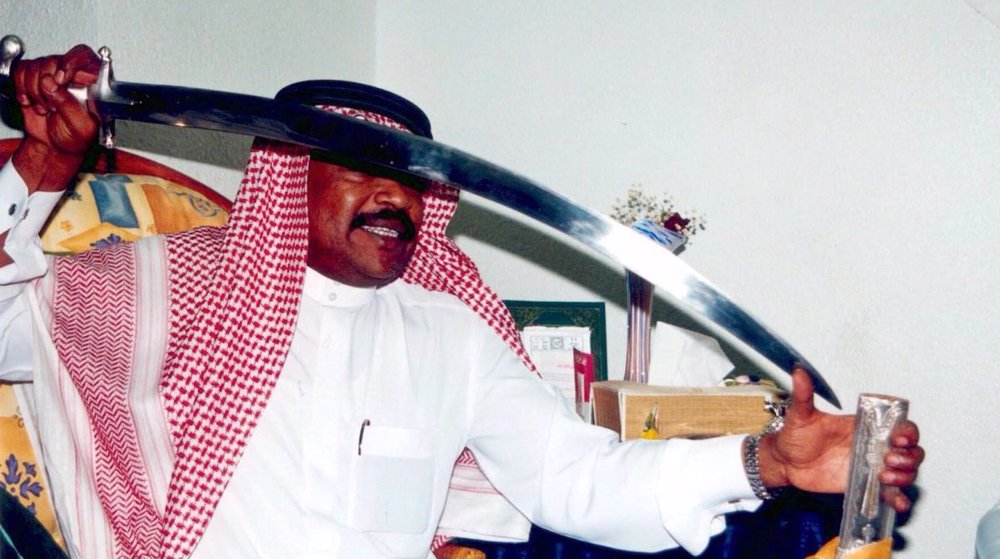
Despite global condemnation following the US intelligence's conclusion that the Crown Prince personally approved the 2018 killing of Khashoggi, executions in Saudi Arabia continue to surge.
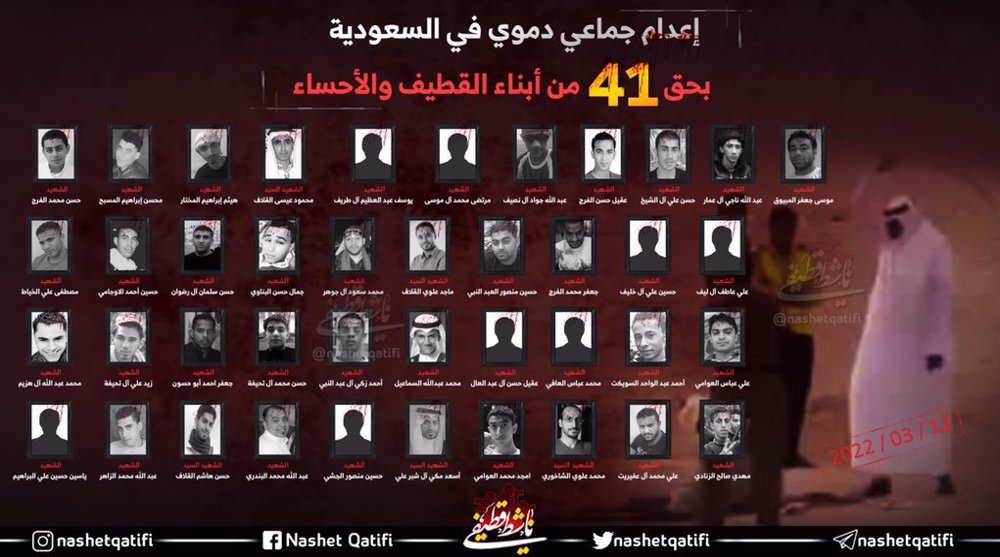
According to monitoring by Reprieve, the kingdom executed 345 people last year, the highest figure ever recorded, and it is projected to reach nearly 400 executions in 2025, representing a fivefold increase compared to pre-2015 levels.
Many of those executed were convicted of non-violent offenses, and there has been a reported sharp rise in death sentences imposed for acts allegedly committed by minors.
One of the most notable cases involves Youssef al-Manasif, who was arrested at the age of 15 for participating in protests. His death sentence, which was based on a confession obtained through torture, according to advocates, was initially overturned by the Supreme Court, but later reinstated following a retrial.
On August 19, the Court of Appeals upheld the sentence in a remote session that neither he nor his lawyer was permitted to attend. Manasif has now spent nearly a decade inside one of the region's most secretive prison systems.
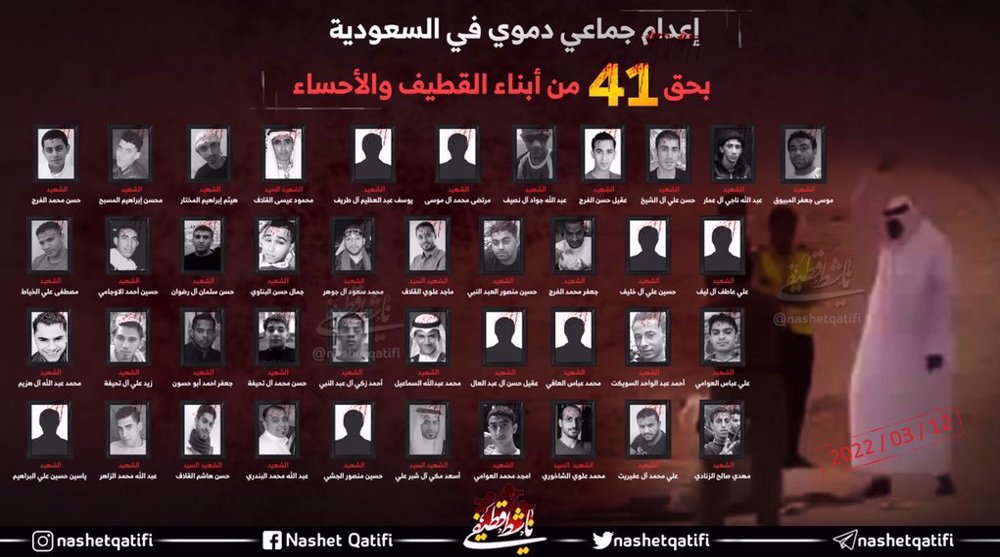
Foreign nationals, mainly Egyptians, Pakistanis, Somalis, and Ethiopians, have also faced a significant number of executions, with rights groups describing them as particularly susceptible to unfair trials, language barriers, and a lack of legal representation.
Observers note that Saudi authorities have transitioned from highly publicized mass executions to smaller, more frequent ones in an effort to avoid international headlines.
Advocates say the death penalty is being used as a political tool against peaceful activists, scholars, and journalists.
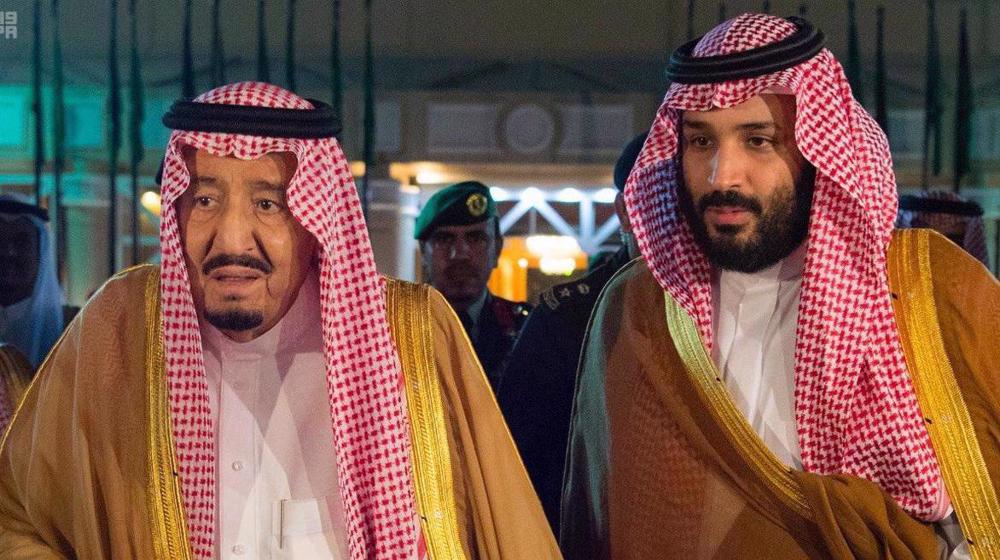
Critics argue that major world powers have prioritized strategic and economic relations over holding Saudi Arabia accountable for its actions, despite the temporary diplomatic isolation after the murder.
Saudi Arabia’s failed bid for a seat on the UN Human Rights Council in 2024, coming just one week after a spike in executions, underscored the tension between its international image campaign and its domestic policies.
Human rights activists caution that by embracing the Crown Prince during a highly orchestrated state visit to Washington, the United States’ government and other international partners risk complicity in the executions.
Western firms draw up contingency plans as Saudi-UAE rift deepens: Report
Trump endorsed Saudi crown prince’s decision to bomb Sana’a airport: Report

Yemen threatens to close Bab al-Mandeb Strait, warns of $200 a barrel oil


VIDEO | Press TV's news headlines
Pezeshkian praises southern Iran's resilience amid renewed US aggression
VIDEO | Navigating through genocide without sight: Story of a blind Palestinian from Gaza
US aggression against Iran closed diplomatic path opened by Islamabad MoU: Russian FM
Strait of Hormuz closure plan devised under martyred Leader's command: Top adviser
Ayatollah Khamenei thanks Iranians, Iraqis for massive turnout at martyred Leader’s funeral
Western firms draw up contingency plans as Saudi-UAE rift deepens: Report
Iranian lawmakers demand end to Islamabad MoU, vow revenge for martyred Leader


 PressTV NEWSLETTER
now
PressTV NEWSLETTER
now
 This makes it easy to access the Press TV website
