Iran’s quiet revolution of total rural electrification
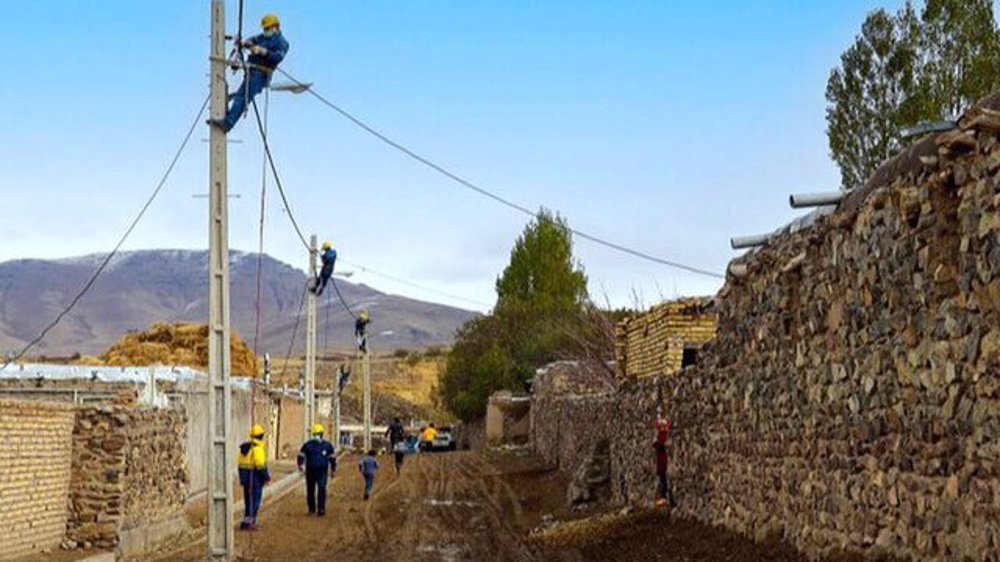
In a world grappling with the twin crises of climate change and economic disparity, few stories of infrastructure transformation shine as brightly as Iran’s quiet revolution in rural electrification.
Over the past four decades, amid sanctions, shifting geopolitical tides, and daunting topography, the Islamic Republic has executed a sweeping campaign to bring light, power, and opportunity to even its most remote and inhospitable corners.
What began as a bold vision in 1979 has today culminated in a staggering achievement, where nearly 99% of Iran’s rural villages are now electrified, up from less than 40% at the time of the Islamic Revolution.
With a rural population surpassing 20 million, electrification has become a key driver of economic development and social progress.
This accomplishment signals a profound shift in the prospects of rural Iran. Connecting over 60,000 villages from the rugged Zagros Mountains to the central plateau’s arid expanse has orchestrated one of the most expansive rural electrification programs in the developing world, largely through homegrown ingenuity and resourcefulness.
Looking ahead, Iran aims to modernize and decarbonize its power sector. Under the 2025–2035 National Energy Plan, the government has committed more than $30 billion to upgrading aging infrastructure, enhancing grid resilience, and integrating digital technologies.
Plans include replacing over 10,000 transformers and upgrading thousands of substations in a bold leap toward resilience and technological sovereignty.
Digitalization features prominently. By 2030, 40% of the distribution network is expected to be governed by smart technologies—advanced metering, automated fault detection, and remote load management—projected to halve technical losses from 13% to under 7%. This efficiency gain could translate into savings of roughly $1 billion annually.
Equally transformative is Iran’s push toward renewable energy. In a country long reliant on fossil fuels where natural gas and oil still dominate over 85% of installed capacity the pivot to renewables marks both a strategic and environmental awakening.
By 2030, Iran aims to lift the share of solar, wind, and hydro power to 20% of total capacity, a fourfold increase from current levels. Competitive tenders have already been launched for 5 gigawatts of clean energy, targeting sun-drenched provinces such as Yazd and Sistan-Baluchestan for solar deployment, while wind energy is being harnessed in the gusty highlands of East Azerbaijan.
Additionally, Iran is investing in off-grid solar mini-grids and portable solar kits to power remote nomadic communities that remain difficult to connect to the national grid.
The widespread availability of electricity in rural areas has transformed Iran’s economic landscape. According to the World Bank, agricultural productivity in rural Iran has risen by 15%, thanks to electrified irrigation systems and cold storage facilities that slash post-harvest losses by up to 30%.
Small-scale industries such as food processing, textiles, and crafts have expanded with improved access to reliable power, creating thousands of new jobs. Data from the Statistical Center of Iran show a 25% increase in rural entrepreneurship over the past decade, with electricity access cited as a key enabling factor.
Moreover, rural electrification is positively influencing education and gender equality. Electrified schools have extended study hours by an average of 3 hours per day, boosting student performance and literacy rates in rural provinces by 10% over the past 15 years.
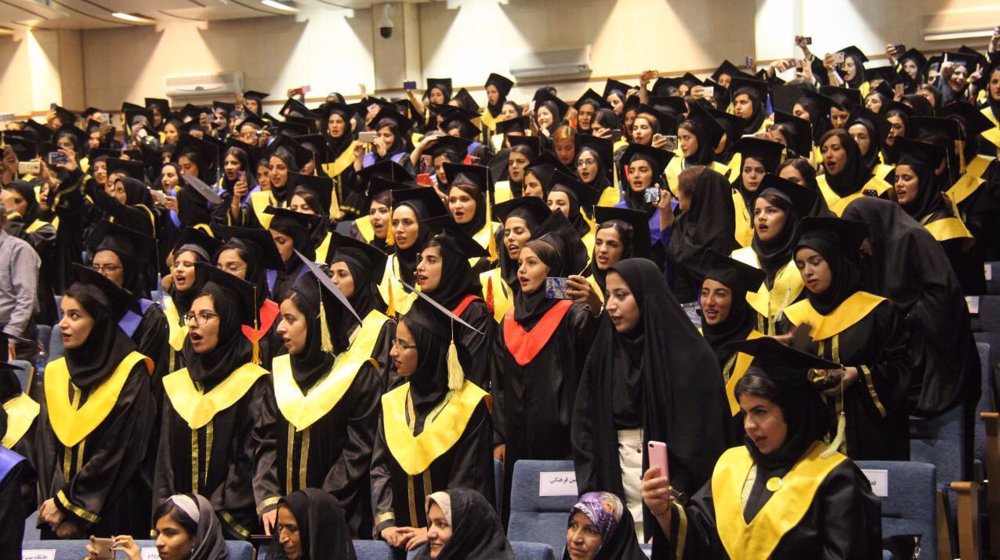
Electrification also supports women’s economic participation by enabling home-based businesses and evening classes, contributing to a 12% rise in rural female labor force participation since 2005.
In parallel, access to clean, modern energy has cut indoor air pollution dramatically, as households transition away from traditional biomass fuels. Between 2000 and 2020, rural biomass consumption fell by 40%, reducing respiratory ailments and curbing deforestation in ecologically sensitive regions such as Mazandaran and Gilan.
Iran’s progress in rural electrification and energy sector modernization has unfolded despite severe economic sanctions, which have restricted access to advanced technology and foreign financing.
Domestic firms and engineers have responded with innovative solutions, including locally produced smart meters and modular solar kits that reduce dependence on imports.
Government budget allocations for the energy sector increased from $3 billion annually in the early 2000s to nearly $7 billion in 2024, underscoring the strategic priority assigned to power infrastructure. This sustained funding, combined with domestic innovation, has ensured steady progress even amid economic turbulence.
Iran’s experience in achieving near-universal rural electrification offers a compelling example of how strategic planning, substantial investment, and technological adaptation can drive inclusive development under challenging circumstances.
By illuminating its villages, Iran has laid the groundwork for diversified rural economies, enhanced social services, and improved quality of life for millions.
As the country continues to modernize its grid and ramp up renewables, it aligns itself with global trends toward cleaner, smarter, and more resilient energy systems. These efforts not only safeguard Iran’s energy security but also position the nation to meet its economic and environmental goals in the coming decades.
For policymakers and development practitioners worldwide, Iran’s rural electrification journey underscores the transformative power of energy access as a catalyst for sustainable growth and social equity.

Eslami: Iran’s nuclear industry advances despite sanctions, strikes

Iran’s engineering feat beneath Persian Gulf for gas supply
Iran parliament probes missing $6.7bn in oil export revenues: MP



Russia delivers evidence to US of Ukrainian drone strike on Putin's residence
MSF slams Israeli actions, baseless allegations
Hamas slams Israel for pursuing 'Judaization' agenda in occupied West Bank
President: Iran will stand firm against threats, continue path of martyrs
VIDEO | Health concern grows as leptospirosis threatens displaced families in Gaza
VIDEO | Iran in 2025: From US and Israeli aggressions to diplomatic and scientific achievements
London mayor vows to stand up to Trump’s ‘bile’, bullying
VIDEO | Press TV's news headlines


 PressTV NEWSLETTER
now
PressTV NEWSLETTER
now

 This makes it easy to access the Press TV website
