Borrow books with trash: Indonesian librarian promotes reading in rural areas
For the last five years, librarian Raden Roro Hendarti has been driving a mobile library, bringing books to children who would otherwise have no access to them in Indonesia's Java island.
She's not only fostering a culture of reading among the youth, but she's also reducing neighborhood trash. Raden's "Trash Library" allows children to borrow books in exchange for plastic cups, bags and other waste that she collects and sells to buy more books.
"Let us build a culture of literacy from young age to mitigate the harm of digital world and we should take care of our waste in order to fight climate change and to save the earth from trash," is her motto.
The 48-year-old originally started her trash-for-books library in her hometown of Muntang in 2014. Response was good at first but a staff shortage and a tapering off of interest put the initiative in jeopardy after a year. Then the local government and library stepped in and gave her a three-wheel truck and also some more books so that she could take her project on the road. Raden ventures out every weekday, aiming to visit at least three different areas.
For as little as one plastic bottle or discarded sachet, people can access the collection of some 6,000 books and borrow as many as they want. Residents typically borrow books for up to a week.
She said she collects as much as 100 kg (221 pounds) of trash each week, which is then sorted by library staff and sent for recycling or sold. Raden says environmental awareness has gradually grown in the village and she reckons about 75 of the inhabitants now participate in the exchange. She says by expanding the library to other neighboring villages more people will be encouraged not to leave trash lying around.
Kevin Alamsyah, an 11-year-old avid reader, agrees.
"When there is too much trash, our environment will become dirty and it's not healthy. That's why I look for trash to borrow a book," he says.
Jiah Palupi, the head of the main public library in the area, said Raden's work complemented their efforts to combat online gaming addiction among the youth and promote reading.
The literacy rate for above-15-year-olds in Indonesia is around 96 percent, according to the World Bank, but a September report had highlighted that the pandemic may leave more than 80 percent of them below the minimum reading proficiency level identified by the Organization for Economic Cooperation and Development (OECD).
Tests by OECD's Programme for International Student Assessment (PISA) in 2018 showed at least 70 percent of the students could not reach the basic literacy benchmark, which put Indonesia in the bottom eight percent of 77 participating nations.
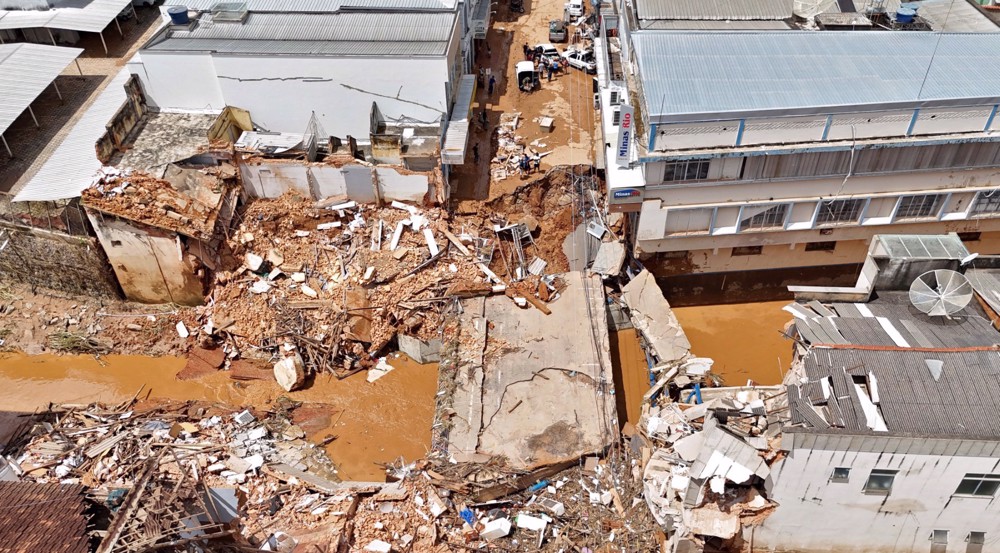
Brazil: Uba River floods destroy bridge and buildings, leave people missing
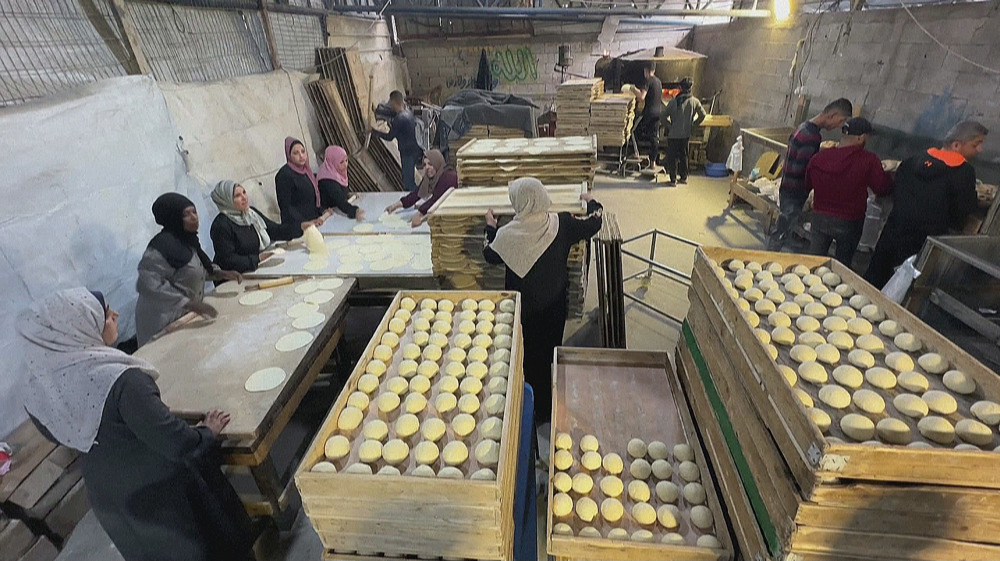
Gaza bakery supports displaced families ahead of Ramadan Iftar
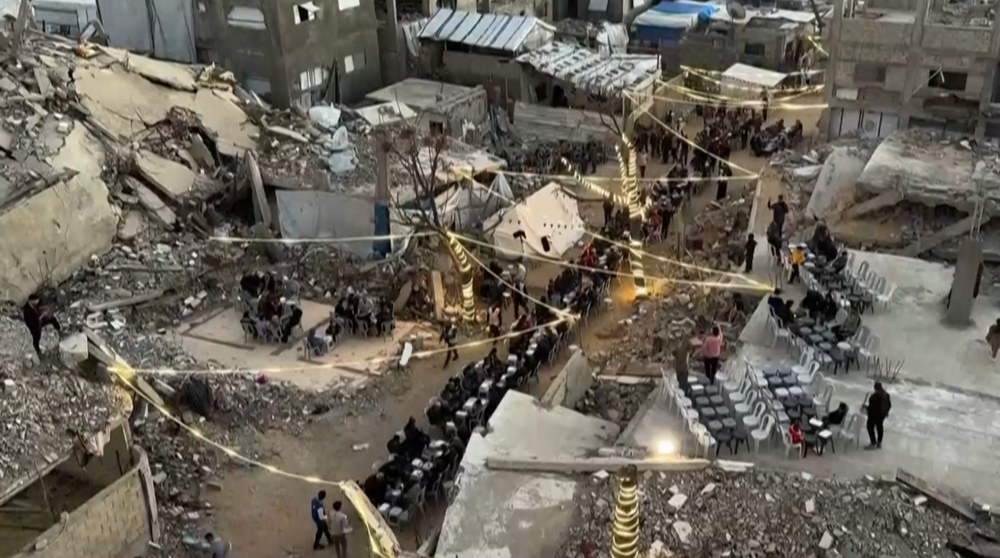
Gazans break Ramadan fast amid rubble of their destroyed homes



'Daesh-style war crime': Destroying bridges does not make aggressors great, Tehran says
Trump fires top lawyer amid Epstein scandal, Iran war fallout
IRGC shoots down intruding Israeli cruise missile
Pentagon hiding US casualties in war against Iran: Report
True Promise 4: Strategic US radar, naval assets destroyed in wave 92
Hegseth fired top general for warning Iran ground war would be logistical nightmare: Analyst
US war secretary fires two more generals amid failure of anti-Iran aggression
Pezeshkian urges intl. action on US-Israeli bombing of Iran’s health centers


 PressTV NEWSLETTER
now
PressTV NEWSLETTER
now

 This makes it easy to access the Press TV website
