Hospital hired fingerprint experts to unmask whistleblower
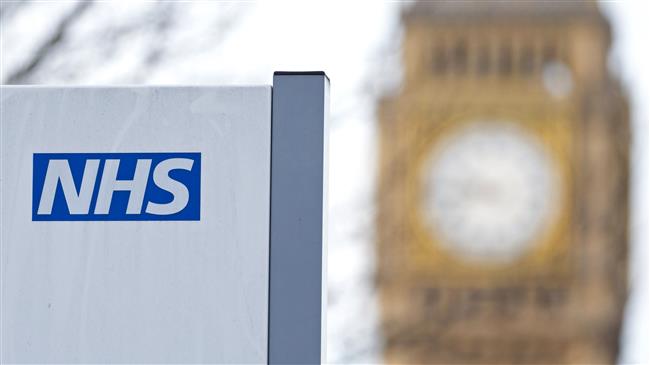
Whistleblowers revealed systematic threats and intimidation against Doctors at health secretary Matt Hancock’s local hospital which has, in part, led to the biggest rating downgrade by the NHS regulator.
According to the Care Quality Commission (CQC), an independent regulator of health and social care in England, the demand last month by the West Suffolk Hospital for fingerprints was “unprecedented and concerning”
When the CQC went in, after considering statements by 10 separate whistleblowers from the hospital, they found a damaging breakdown in relationships between the management and doctors of the hospital. They uncovered, in the words of one senior doctor, a ‘them and us’ situation with some staff saying they “feared reprisals if they raised concerns”. Concerns were also raised regarding widespread bullying which was having an adverse effect on the running of the hospital’s medical services.
When a member of staff was discovered to have anonymously tipped off a family about medical blunders that had occurred before a patient – 57-year-old Susan Warby – died, the staff received written demands for fingerprints which they felt was “quite threatening in nature with a focus for apportioning blame.”

The heavy-handed tactics “had far-reaching effects…impacting on [staff] health and wellbeing, culture and morale of those involved”. The management were more concerned with who had sent the letter than whether the hospital’s systems were strong enough to ensure patient safety.
The British Medical Association (BMA) said the CQC’s findings were “deeply worrying” and condemned the hospital’s “toxic culture [and] bullying”.
“Doctors should be able to raise genuine concerns, particularly where patient safety is at risk, without fear of retribution, said Dr Rob Harwood, chair of the BMA’s consultants committee. “It is totally unacceptable that some staff have reported feeling threatened or blamed in relation to internal investigations.”
This and a series of other patient safety failings has brought about the first ever relegation of a hospital from an “outstanding” status to “requires improvement” by CQC inspectors.
This situation is most disconcerting for Health Minister, Matt Hancock, who has championed NHS whistleblowers’ role in exposing lapses in care, is a keen admirer of Steve Dunn, the hospital’s chief executive, who in 2018 was honoured with a CBE for services to health and patient safety.

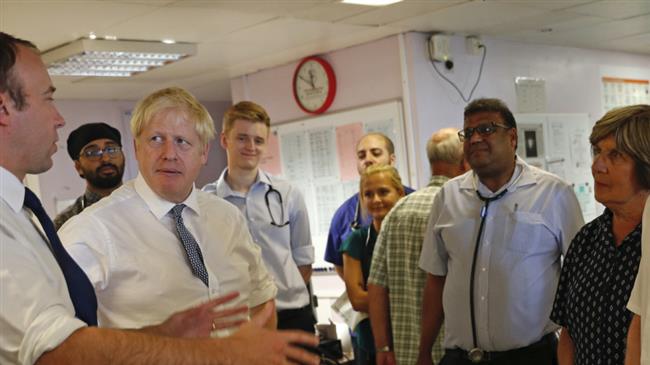
Hancock has recused himself from a separate independent “rapid review” of the hospital, ordered by his own department, after a series of revelations by the Guardian, because he is the MP for West Suffolk. Officials said his dual role meant he could not comment on the CQC’s findings.
The Doctors’ Association UK, which represents grassroots medics, said it feels the investigation and review which the NHS is undertaking should lead to changes in the hospitals leadership.
“We do feel that this should raise questions for the health secretary. Despite previously committing to work with doctors on a Learn Not Blame culture in the NHS, Hancock appears to have stuck his head in the sand when clinicians have tried to raise concerns with him directly regarding patient safety issues.
“His silence on this issue has been deafening, and will do little to reassure staff across the NHS that their concerns will be listened to.”
Sheila Childerhouse, the chair of the hospital’s board, said: “We will be reviewing our culture and openness to make sure there is an environment where everyone – including our patients, our staff and our commissioners – has an opportunity to contribute and play a full part in our improvement.”
Ann Radmore, NHS England’s regional director in the east of England, said: “It is right that West Suffolk NHS Foundation Trust now takes action as identified by the CQC.”
This is part of the same NHS which the health secretary boasted last week was ready, prepared, provisioned and fully able to deal with any and all outcomes of a possible coronavirus outbreak.
UK police threaten arrests over ‘intifada’ chants at pro-Palestine protests
Doctors in England begin 5-day strike over pay standoff amid flu surge

BritCard protest march converges on London


VIDEO | Press TV's news headlines
VIDEO | International Migrants Day: Protest in Paris against racism, state policies
Israeli violations against Syria pose ‘direct threat’ to regional security: Iran
VIDEO | Venezuela condemns Trump’s latest colonialist statements
VIDEO | Iran Young Scientist Festival highlights Iran's future innovators
Fearing risks in using Russian assets, EU agrees €90bn Ukraine war loan
VIDEO | Press TV's news headlines
ICC: US sanctions 'flagrant attack' on global justice


 PressTV NEWSLETTER
now
PressTV NEWSLETTER
now

 This makes it easy to access the Press TV website
