In address to Hindu supporters, India’s Modi says citizenship law ‘not anti-Muslim’

Indian Prime Minister Narendra Modi says the contentious citizenship law that has sparked angry anti-government protests across the country over the past two weeks is not discriminatory on the basis of religion and will not affect the Muslim population in India.
“The law does not impact 1.3 billions of Indians, and I must assure Muslim citizens of India that this law will not change anything for them,” Modi said in an address to a rally for his Hindu nationalist party in the capital, New Delhi, on Sunday, adding that his government introduced the reforms without any religious bias or discrimination.
The Indian premier accused his rivals of stoking fear among people and misleading Muslims over the citizenship law.
Modi said opponents were “spreading rumors that all Muslims will be sent to detention camps. There are no detention centers. All these stories about detention centers are lies, lies, and lies.”
The prime minister also called on Indians to show respect for the country’s parliament and lawmakers, who on December 11 passed the citizenship act, which critics say discriminates against Muslims and even undermines the country’s secular constitution by making religion a test for citizenship.
Under the Citizenship Amendment Bill (CAB), migrants from Bangladesh, Pakistan, and Afghanistan will be allowed to claim Indian citizenship — but not if they are Muslims.
Modi summoned his government ministers on Saturday to discuss the security situation in the country as anger boiled following the parliament’s approval of the legislation.

Death toll rises to 24
The Modi’s remarks came as the number of the people killed in India during anti-government protests against the controversial anti-Muslim law rose to at least 24 on Sunday.
Most of the deaths happened during clashes in India’s most populous state, Uttar Pradesh, where at least 15 people lost their lives, including an eight-year-old boy. They boy died in a “stampede-like situation” when 2,500 people, including children, joined a rally in the Hindu holy city of Varanasi, district police chief Prabhakar Chaudhary told AFP.
Indian authorities have imposed emergency laws, blocked internet access, and closed down shops in sensitive areas across the country.
More than 7,000 people have so far been arrested.

New data reveals India’s exports slide sharply over US tariffs

Putin, Modi sign landmark deals to cement strategic partnership
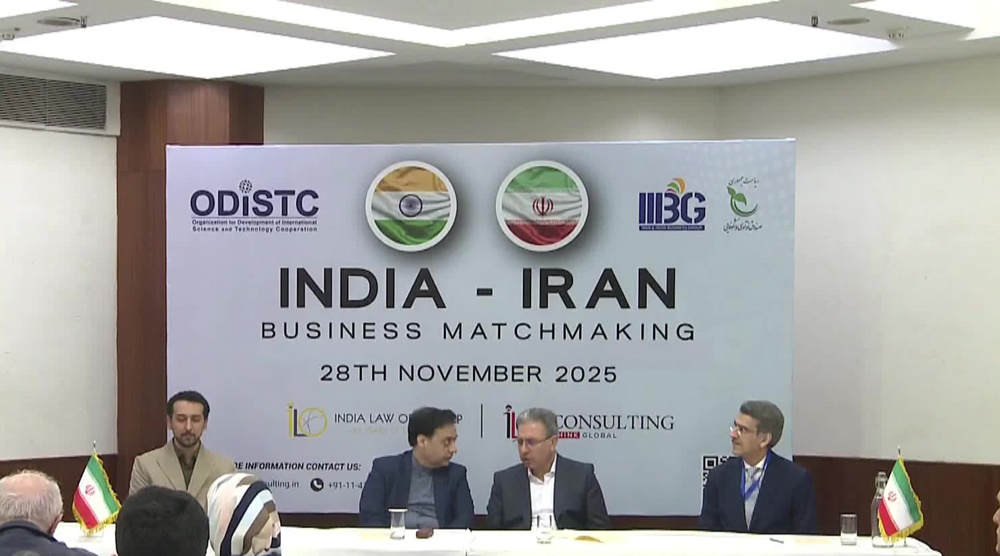
Iran looks East, expands biotech and herbal industry ties with India


UAE exposed as secret buyer in huge arms deal with Israel: Report
Trump, Netanyahu planned war on Iran since February: Report
Iran condemns US hypocrisy, citing aggression, sanctions, restrictions
VIDEO | Pakistan, Russia explore potential oil cooperation amid global sanctions
VIDEO | Bethlehem’s Christmas returns: A message of peace from the birthplace of Christianity
VIDEO | Press TV's news headlines
VIDEO | Protestors call for release of British hunger strikers
VIDEO | Trump’s Nvidia reversal a little...


 PressTV NEWSLETTER
now
PressTV NEWSLETTER
now

 This makes it easy to access the Press TV website
