Iran, Oman crafting new transit mechanism for Strait of Hormuz: Foreign Ministry
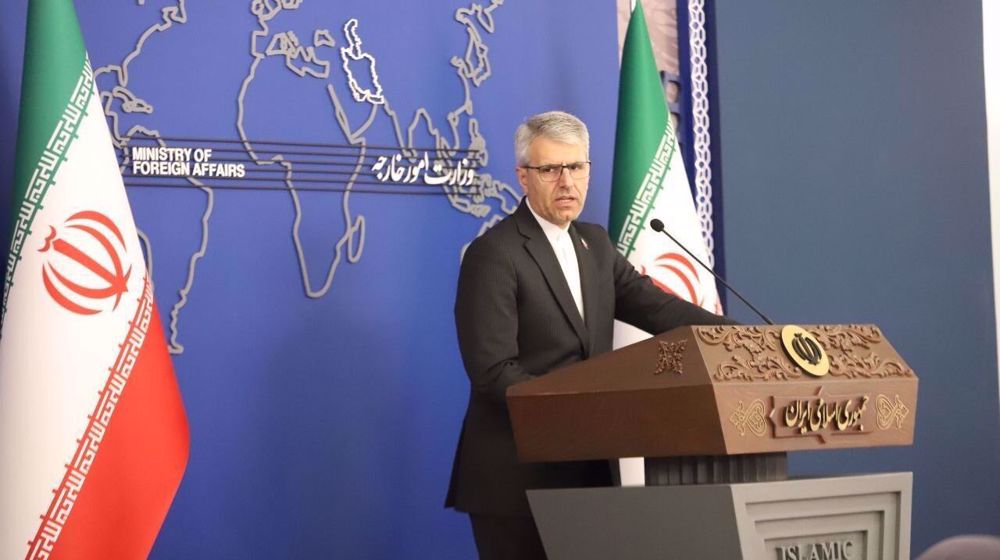
The spokesman for Iran’s Foreign Ministry says the country is engaged in continuous consultations with Oman to design a new mechanism governing transit through the Strait of Hormuz.
Esmaeil Baghaei made the comment during his weekly press conference on Monday as he described the US-Israel war of aggression against the Islamic Republic a blatant violation of international law that forced Tehran to take a defensive action.
He said the Strait of Hormuz is a “vital” maritime passage whose importance extends far beyond Iran, Oman, and the regional countries to the entire world.
“The Islamic Republic of Iran has always made tremendous efforts to safeguard safe and secure transit through this route and continues to insist that passage through the Strait of Hormuz must take place in the best possible manner with complete safety,” he added.
He emphasized that both Iran and Oman consider themselves duty-bound to take necessary measures to ensure secure transit through the Strait of Hormuz, as it is located within the territorial waters of the two coastal states.
“The attack on the Islamic Republic of Iran, as a coastal state, prompted Tehran to adopt a series of measures under international law to defend its national sovereignty, territorial integrity, and national security. These actions are permitted under international law and Iran's domestic rules and are fully consistent with the country's legal obligations,” Baghaei pointed out.
The Iranian spokesperson confirmed that this process continues, adding, "We are currently in constant contact with Oman and other relevant parties to devise a mechanism that realizes this goal."
He noted that a meeting was held between Iranian and Omani experts in Muscat last week, adding that contacts and consultations between the two countries on this matter continue without interruption.
Baghaei’s comments come amid heightened tensions in the Strait of Hormuz, a critical maritime corridor through which a significant share of the world’s energy trade passes.
Iran shut down the strait to its enemies and their allies after the unprovoked US-Israeli aggression. Iranian authorities began enforcing much stricter controls last month following US President Donald Trump’s announcement of a blockade targeting Iranian vessels and ports.
Tehran says the measures violate the terms of a Pakistan-brokered ceasefire that took effect on April 8 and was later extended unilaterally by Washington.
Despite the blockade, shipping activity linked to Iranian crude appears to be continuing.
Kuwait's attack on Iranian border patrol vessel contravenes good neighborliness
Baghaei further slammed Kuwait’s “unacceptable and completely inappropriate” move in attacking an Iranian boat and detaining four Iranian citizens on board near a Persian Gulf island, saying it contravenes principles of good neighborliness.
He said Iran rejected the media hype surrounding the incident as unacceptable, saying relations between the two neighboring countries demand that any issue be reflected through diplomatic channels and in a conventional manner for review.
"The fact that they attacked an Iranian border vessel and then raised certain accusations about it is in no way compatible with the principle of good neighborliness," he emphasized.
He noted that Iran expects Kuwait to prepare the ground for the swift release of its citizens, warning the Arab country against falling for “stereotypes that have been promoted, especially over the past two to three months, by certain parties who place no value on security and good relations among neighboring countries.”
South Korea vessel attack might have been 'false flag' operation
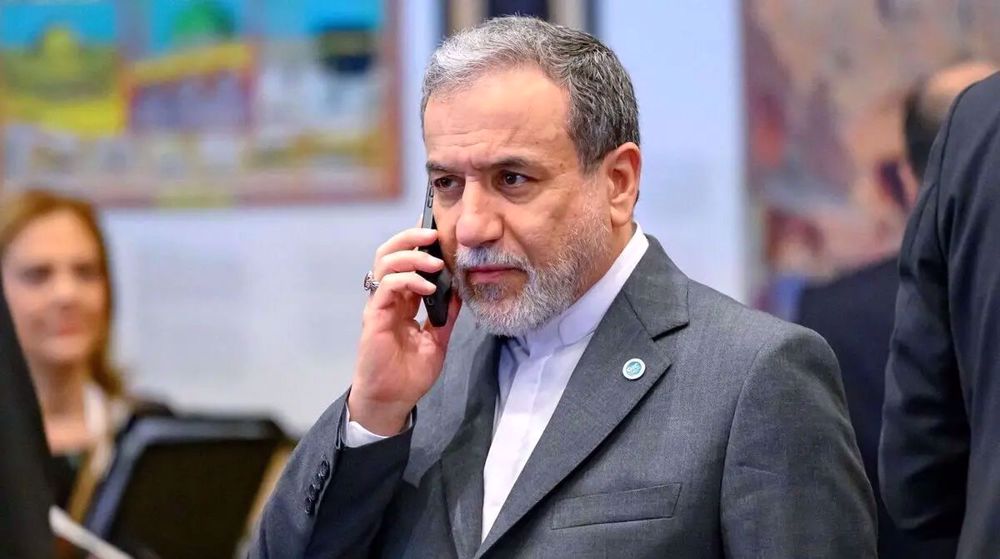
In response to a question about a recent phone conversation between Iranian Foreign Minister Abbas Araghchi and his South Korean counterpart following an incident involving a South Korean vessel in the Strait of Hormuz, Baghaei said it was the third or fourth phone call between the two top diplomats over the past two months.
According to the spokesman, Iran maintains good relations with South Korea, which has its own concerns about maritime security.
Regarding the incident, he noted, Iran is also wondering as to which player in the region has carried out the attack.
"Iran has emphasized that it will investigate the issue like any other incident occurring in the region,” the spokesman explained.
He urged all countries to be cautious about attempts by certain parties in the region “who spare no effort to escalate insecurity.”
"However, false flag operations should not be underestimated and one should not think that this is a theoretical or merely speculative matter. This is something that has happened many times,” Baghaei emphasized.
The South Korean government has said it is still conducting further investigations into the attack on the HMM Namu, which was struck near the Strait of Hormuz earlier this month.
Iran has rejected any role in an explosion that targeted the South Korean-linked Panama-flagged cargo ship — HMM Maru — in the Strait of Hormuz earlier this month.
Iran’s appointment of special envoy to China shows importance of ties
The spokesman said the appointment of Mohammad-Baqer Qalibaf as Iran's special representative for China affairs shows the importance that Tehran attaches to mutual relations with Beijing.
“We believe that ties with China, especially given international developments, are so important that decisions need to be made with a broad perspective and the country's interests will be pursued more seriously on this basis,” he added.

Iran determined to ‘heal wounds’ with Arab states in region
Asked whether Iran has devised a plan to improve relations with Arab countries following the recent developments in the region, Baghaei noted that the Iranian foreign minister made his first visit after the US-Israel imposed war to Oman.
He said Iran remains in constant contact with regional countries, including Saudi Arabia and Qatar, and is “determined to continue its relations based on the principle of good neighborliness and mutual respect for each other’s national sovereignty.”
The spokesperson acknowledged that due to the actions by the US and Israel, as well as the improper conduct of certain regional countries in cooperating with the aggressor parties, Iran's relations with regional states have suffered wounds.
"These wounds must be healed because we are forever neighbors, and because we know that any division or discord among regional countries only weakens the entire region and allows other parties, including the Zionist regime (Israel), to exploit the situation," Baghaei pointed out.
Press TV’s website can also be accessed at the following alternate addresses:
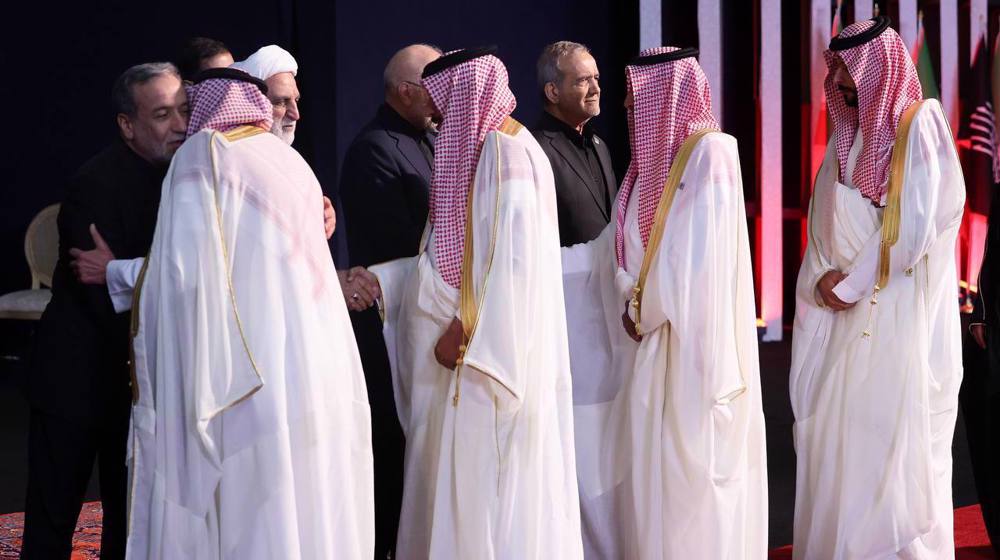
Iran hails participation of representatives from over 70 countries in martyred Leader’s funeral

Ayatollah Khamenei’s martyrdom inspired Muslims in pursuit of unity: Pezeshkian
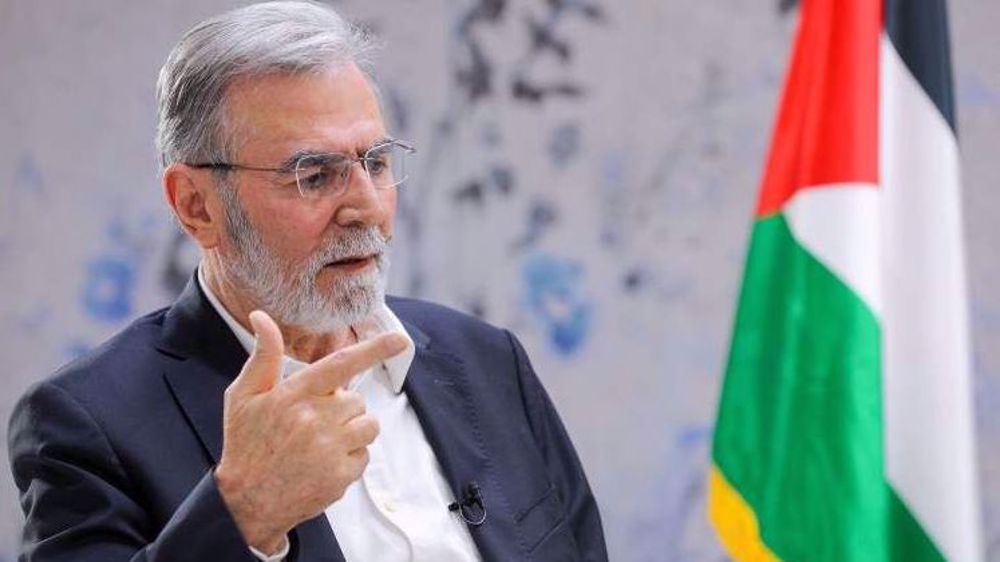
Martyr Ayatollah Khamenei was pillar of support for Palestine: Islamic Jihad



 This makes it easy to access the Press TV website