Iran’s parliament hails triple satellite launch as major milestone in space program
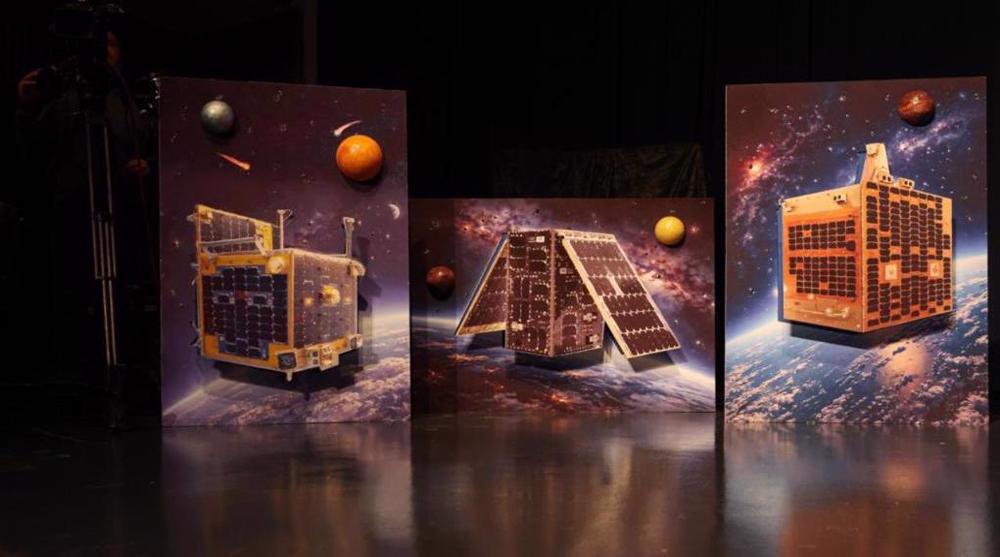
Iran’s Parliament has hailed the simultaneous launch of three domestically-built satellites as a landmark achievement in the Islamic Republic’s indigenous space program.
At the open session of Parliament on Wednesday, 190 lawmakers signed a statement praising the Ministry of Information and Communications Technology and Iran’s space scientists for the simultaneous launch of three domestically-manufactured satellites.
They called the achievement a historic milestone for indigenous space technology that underscores Iran’s growing technological self-reliance and expands presence in the global space arena.
“Today’s joyful and pride-inspiring news regarding the simultaneous and triple launch of the satellites ‘Sanjesh’, ‘Tolou-3,’ (also known as Paya), ‘Zafar-2,’ and ‘Kowsar 1 and 5’ has stirred a wave of hope and pride among the representatives of the noble people of Iran in the parliament.
"This strategic and valuable move is not only a major technical success, but also it constitutes a turning point in the history of the country’s indigenous space technology,” read the statement, addressed to Minister of Information and Communications Technology (ICT) Sattar Hashemi.
“The simultaneous launch of three completely Iranian satellites reflects the gradual maturation of self-confidence and the capabilities of the country’s specialists and young scientists, demonstrating that the national space program, with firm resolve and a forward-looking vision, is powerfully pursuing the path toward the development of satellite systems and the consolidation of the Islamic Republic of Iran’s position in the global space club,” it added.
The signatories also stressed that a key point of strength of the national project is the ministry’s smart approach to mobilizing existing capacities and engaging the private sector, adding that the successful public-private partnership offers a promising model for advancing the knowledge-based economy and achieving the country’s long-term national goals.
While congratulating the Iranian Space Agency, scientists, elites, and cooperating private companies on this great achievement on behalf of all Iranians, the lawmakers also stressed that they “believe the development of scientific and technological applications of space technology in vital, economic, and environmental fields, including water resource management and addressing natural and managerial crises, will play a key role in the progress and prosperity of the Islamic Iran.”
The legislators also voiced their readiness to provide comprehensive legal support and backing for the continuation and acceleration of the country’s strategic space programs.
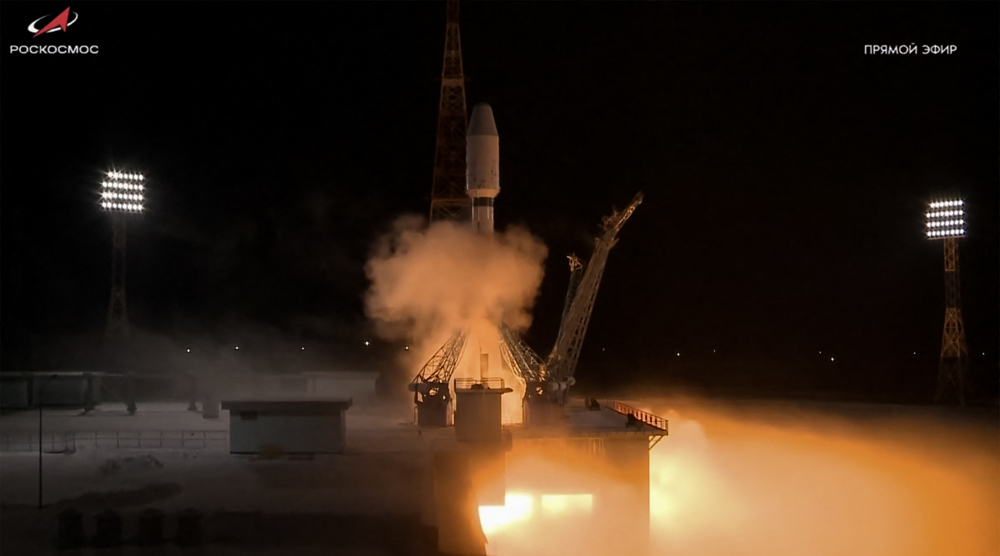
Three Iranian satellites - namely “Zafar-2,” “Paya,” and “Kowsar 1.5” - were launched into space at 16:48 local time on Sunday, in the presence of Hashemi and a number of lawmakers, aboard a Soyuz-2.1b rocket from Russia’s Vostochny Spaceport.
Paya (Tolou‑3), weighing about 150 kilograms, is Iran’s heaviest satellite to date. It delivers imagery with a resolution of about five meters in black and white and 10 meters in color.
Zafar‑2, developed by the Iran University of Science and Technology, is designed to monitor natural resources, assess environmental conditions, and provide data for disaster response and mapping.
Kowsar‑1.5, an upgraded version of earlier Kowsar and Hodhod satellites, integrates Internet of Things (IoT) capability, enabling real‑time data transmission for smart monitoring systems.
Iran first entered the space arena in 2009 with the launch of the Omid (Hope) satellite. Despite Western sanctions, Tehran has steadily expanded its civilian space program.
Press TV’s website can also be accessed at the following alternate addresses:

Iran calls for regional action to preserve Yemen’s unity, territorial integrity
Iran appoints new central bank governor after currency fluctuations

‘Mythomania’: Iran blasts Netanyahu’s decades of lies over its nuclear program



 This makes it easy to access the Press TV website