UK government spent over half a million on social media influencers
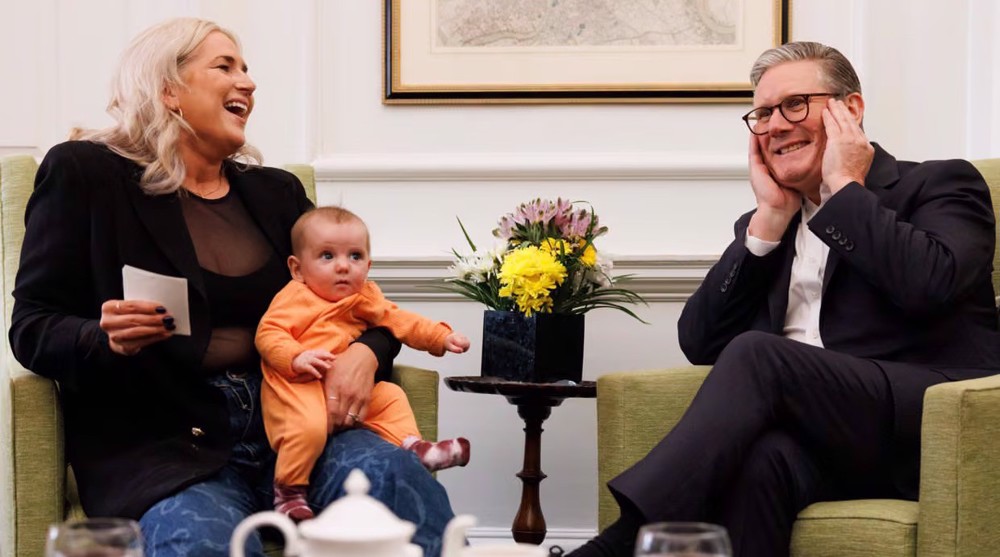
The British government has invested over half a million pounds in social media influencers to promote various campaigns and engage young audiences over the past two years, according to new data.
That significant spending came from the Home Office, Ministry of Justice, Ministry of Defence, and the Department for Work and Pensions, The Guardian reported on Thursday, citing figures obtained through Freedom of Information (FoI) requests by public relations firm Tangerine.
Since the beginning of 2024, expenditure on social media influencers has surpassed £500,000, with Whitehall departments hiring more than 200 content creators to promote their initiatives.
In total, 215 influencers were engaged during this period, with numbers increasing from 89 in 2024 to 126 this year. The Department for Education accounted for the largest expenditure, spending £350,000 since 2024 and utilizing 53 influencers this year, compared to 26 last year.
The Ministry of Justice has employed 12 social media influencers since 2024 to support recruitment campaigns for prison officers, probation officers, and magistrates.
This strategy aims to connect with younger demographics through platforms like TikTok.
Notable examples include scientist Simon Clark sharing his video call with Prime Minister Keir Starmer to 73,000 Instagram followers, and campaigner Anna Whitehouse discussing childcare issues with Bridget Phillipson, reaching 444,000 followers in July.
Keir Starmer has received moderate praise for his “borderline competent” TikToks since launching his account last week.
Ministers are increasingly engaging personalities popular with younger audiences, as figures from the FoI request indicate a rise in the use of social media influencers for campaign presentations.
Downing Street views the influencer landscape as a valuable tool for reaching audiences that typically avoid traditional news media.
However, critics argue that this approach allows the government to evade serious scrutiny of controversial policies in favour of softer questions from interviewers who may lack a deep understanding of complex issues.
The British government has faced backlash from journalists following significant changes to Downing Street’s press lobby system.
Earlier this month, Tim Allan, Downing Street’s executive director of communications, announced that the number of daily lobby briefings would be halved in the new year, eliminating the afternoon lobby briefing where journalists could pose unlimited questions.
The morning meetings will occasionally be replaced by press conferences open to specialist journalists and social media content creators, raising concerns among lobby journalists about restricted access and scrutiny.
Sam Fisk, associate director at Tangerine, said, “The public are craving authentic voices and increasingly turning off from watching ministers trumpet out pre-rehearsed political soundbites.
The government shouldn't be criticized for utilizing influencers; it's a strategic move in light of declining TV viewership. However, the challenge remains to deliver genuinely high-quality content that captures Gen Z’s attention.”
This trend follows a series of reports revealing that the United States, the United Kingdom, and other Western nations have recently paid social media influencers to promote pro-Israel narratives amidst genocide in Gaza.
In October, Israel contracted three US public relations firms to help improve its image and regain support among young right-wing and Evangelical voters, which polls indicate is waning due to the ongoing genocide in Gaza.
Press TV’s website can also be accessed at the following alternate addresses:

Pro-Palestine prisoners pause hunger strike, but vow to resume fight

Two Palestine Action hunger strikers hospitalized amid rising health concerns

British protestors arrested for chanting ‘globalize the Intifada’



 This makes it easy to access the Press TV website