Iran, Pakistan discuss strategic cooperation as Pezeshkian meets Munir and Zardari in Islamabad
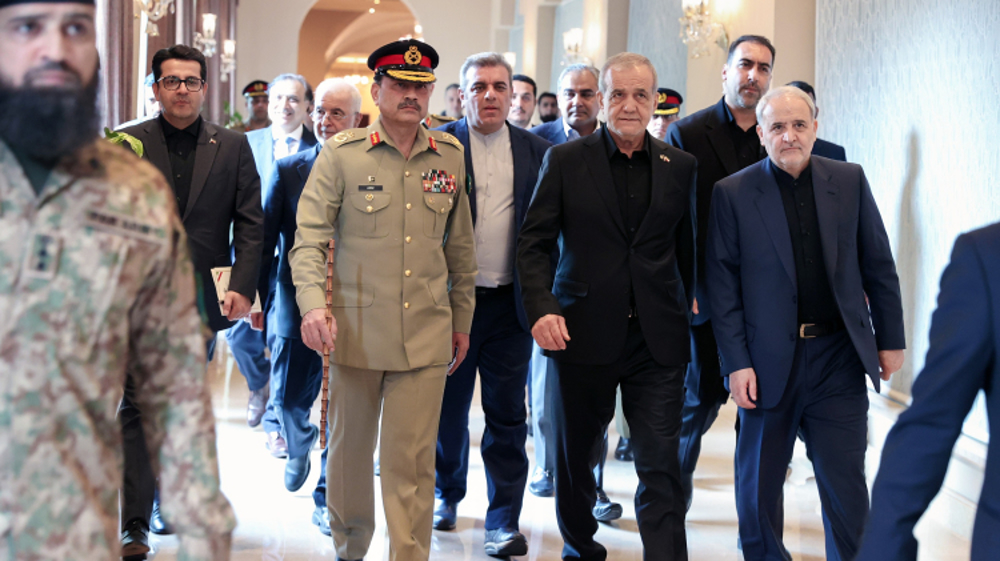
Iranian President Masoud Pezeshkian held separate talks with Pakistan’s Army Chief Field Marshal Asim Munir and President Asif Ali Zardari in Islamabad on Tuesday, with the two sides discussing ways to expand strategic cooperation and strengthen bilateral ties.
During the meeting on Tuesday, Pezeshkian and Munir discussed the latest regional developments, bilateral relations and ways to expand strategic cooperation between Tehran and Islamabad.
They also reviewed ongoing political, security and defense cooperation and underlined the importance of closer coordination on security-related issues.
Pezeshkian once again expressed appreciation for the efforts and support of the Pakistani government, people, prime minister, and army chief in facilitating mediation and promoting peace in the region.
He highlighted the importance of unity in the Islamic world, saying Pakistan’s engagement reflected a commitment to strengthening solidarity among Muslim nations.
Pezeshkian called for the formation of a strong Islamic bloc as a step toward greater solidarity, saying that Muslim-majority countries could establish a powerful bloc against shared adversaries.
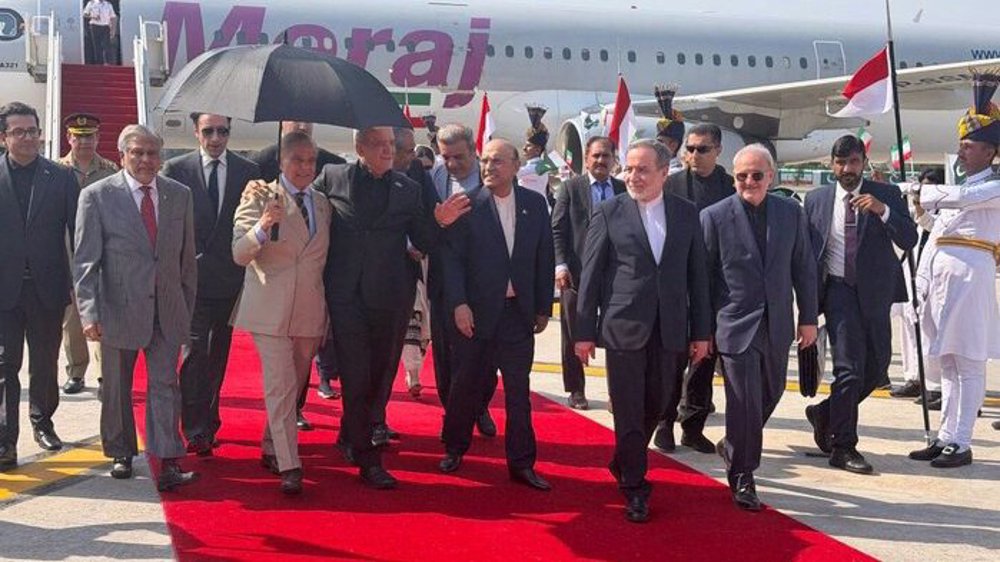
He described expanding Iran-Pakistan relations as a “necessity” and said ties between the two Muslim countries were expected to enter a “fundamental transformation” across all fields.
For his part, Pakistan’s army chief briefed the Iranian delegation on recent diplomatic efforts and the signing of the interim agreement between Tehran and Washington, and thanked Iranian officials, particularly the president, for their support throughout the process.
In a meeting with Pakistani President Asif Ali Zardari, Pezeshkian also discussed bilateral relations, regional peace and security, economic cooperation, and other issues of mutual interest.
According to a statement issued by Pakistan’s Presidency, the meeting highlighted Tehran and Islamabad’s determination to enter a new chapter of strategic cooperation.
Pezeshkian once again praised Pakistan’s constructive role in supporting peace and diplomacy and thanked Islamabad for its support during the crisis that followed the joint US-Israeli aggression against Iran.
For his part, Zardari welcomed his Iranian counterpart, saying that the visit underscored the longstanding brotherly ties between the two countries and their commitment to standing together in difficult times.
The Pakistani president congratulated Pezeshkian on the signing of the Islamabad Memorandum of Understanding (MoU) and expressed hope that ongoing technical talks would pave the way for lasting peace in the region.
The Pakistani president praised the remarkable resilience of the Iranian nation, saying, “This grand victory is a matter of pride for the Islamic world and Muslim countries.”
Zardari also reiterated Pakistan’s support for peace, stability, national sovereignty and the territorial integrity of the Islamic Republic of Iran.
He added that Pakistan is committed to preserving the unity of the Muslim world while maintaining strong brotherly relations with the Persian Gulf countries.
Zardari once again offered condolences over the martyrdom of the Leader of the Islamic Revolution, Ayatollah Seyyed Ali Khamenei.
He said that Pakistani officials will participate in the funeral ceremonies, which are set to be held on July 4–5.
Ayatollah Khamenei was assassinated during the first day of the US-Israeli war on Iran on February 28.
Pezeshkian, who arrived in Islamabad on Tuesday at the head of a high-ranking delegation that includes Foreign Minister Abbas Araghchi, said earlier that the visit aims to pursue the continued implementation of all MoU clauses within the framework of international law and the rights of the Iranian people.
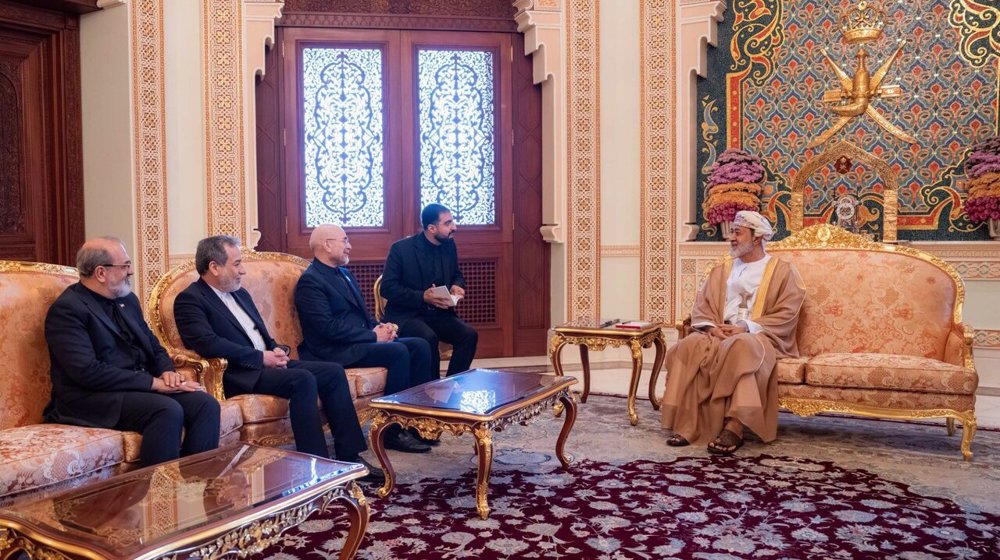
Iran, Oman agree to form joint committee on future administration of Hormuz Strait

Russian veterans honor Iran’s resistance against US-Israeli aggression
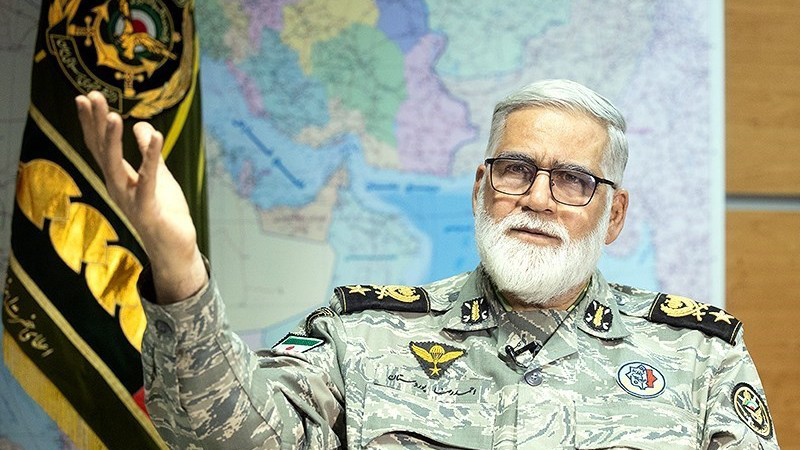
Iran's military yet to deploy full capabilities: Senior Army commander



US Senate approves resolution challenging Trump's authority to wage war on Iran
Iran, Pakistan forge blueprint for Islamic economic integration
Palestine decries vandalization of Ibrahimi Mosque by Israel
Ex-PM admits Israel smuggled Starlinks to Iran during January riots
Hezbollah says Israeli project 'broken,' urges full withdrawal from Lebanon
Iran's defense capabilities 'non-negotiable,' President Pezeshkian says
Israel’s deliberate targeting of Gaza children part of genocide: UN
Lebanon launches 5th round of talks with Israel as ceasefire violations persist



 PressTV NEWSLETTER now
  This makes it easy to access the Press TV website