Restraining Israel, regional stability key to ensuring Iran-US MoU: Ex-Trump aide

A former top US counterterrorism official says the survival of the newly signed memorandum of understanding between the United States and Iran hinges heavily on reining in Israeli actions.
Joe Kent, who stepped down as director of the US National Counterterrorism Center in March over objections to the unprovoked US-Israel aggression against Iran, took to social media to commend the official signing of the MoU while sounding an urgent warning that its long-term success remains fragile.
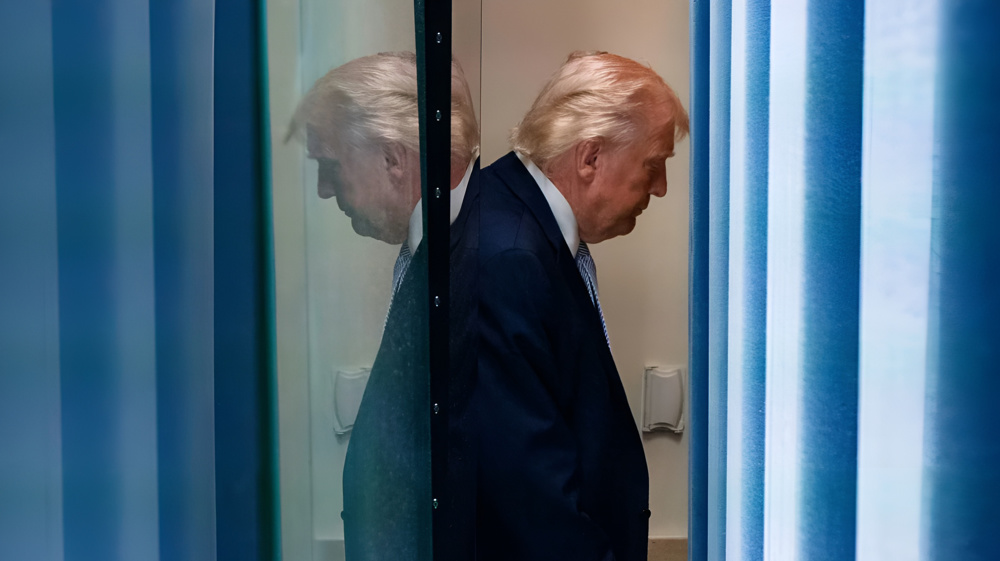
In a post on X, Kent said it was “very good” that President Donald Trump was ending hostilities.
He, however, tempered his approval with a note of apprehension, saying, "I pray the peace holds."
He emphasized that “restraining Israel & focusing on stability in the region will be critical to ensure it lasts.”
Kent, a persistent critic of the war, had previously said in his resignation letter that Israeli prime minister Benjamin Netanyahu had “deceived” Trump into launching attacks on Iran.
The memorandum of understanding between Iran and the United States was formally signed by the presidents of both countries on Thursday, with the text finalized and the agreement officially in effect. It was finalized on Sunday, following months of intensive negotiations mediated by Pakistan, with support from other regional countries.
Under the MoU, the war on all fronts, including in Lebanon, has ended immediately, and the US naval blockade against Iran has been lifted.
The MoU also provides for the reopening of the Strait of Hormuz to commercial shipping.
A 60‑day verification and negotiation period will follow, during which the parties will address outstanding issues, including the lifting of all sanctions, the nuclear issue, reconstruction and economic development, and a monitoring mechanism for implementation.
Iran has emphasized that the MoU was built on "active distrust" of the United States and that Tehran will monitor US compliance closely.
Kent's warning comes as the Israeli regime continues to launch attacks in southern Lebanon while continuing its occupation.

Pakistan expresses 'profound respect, appreciation' to Iran's Leader, pres. as war-ending MoU signed
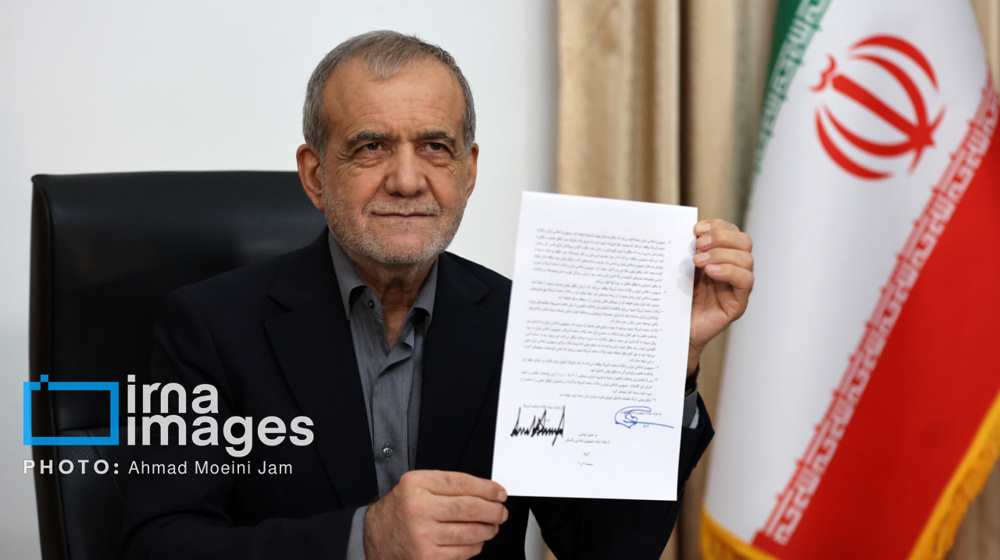
Iran, US presidents sign Islamabad MoU digitally as war-ending deal finalized: FM spox
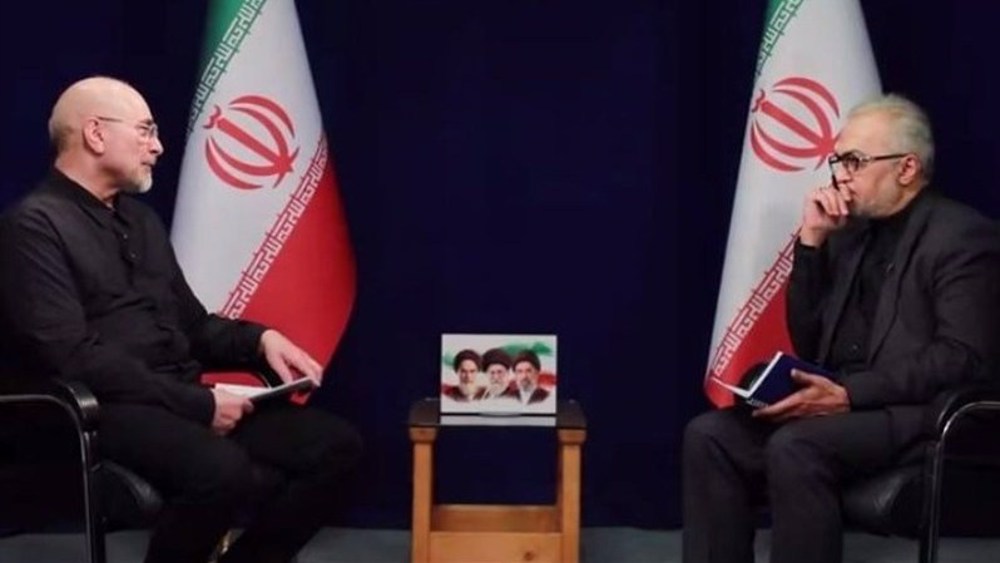
The banner of battlefield victory today underpins Iran’s diplomacy of strength: Qalibaf


Pezeshkian, Sharif vow to deepen ties in first post-deal call
Iran urges global action against US-Israeli attacks on universities
'A new beginning for Iran's great leap': VP Aref congratulates Leader on MoU
Iran rolls out new agricultural trade phase after US-Israeli war
Pezeshkian hails MoU with US as testament to ‘a powerful Iran’
Iran-US MoU codifies Tehran's strategic leverage, cementing its status as regional superpower
'US imperialist hubris damaged': Netizens weigh in on Iran-US war-ending MoU
US announces review of forces in Europe amid rift with NATO over military spending


 PressTV NEWSLETTER now
  This makes it easy to access the Press TV website