Hezbollah announces 41 retaliatory strikes in 24 hours as Lebanese MP demands full Israeli withdrawal

Hezbollah carried out 41 military operations against Israeli forces within 24 hours, as a Lebanese parliamentarian warned that no unilateral ceasefire would hold and called for a complete Israeli withdrawal from Lebanese territory.
Hassan Fadlallah, a member of the Loyalty to the Resistance bloc in the Lebanese parliament, said Beirut's position now centers on a comprehensive ceasefire covering "land, air, and sea" — one that must precede the withdrawal of Israeli forces and the return of displaced residents to their homes.
He stressed that any agreement must include a "clear and explicit" commitment from the Israeli side, along with a halt to the demolition of homes in southern Lebanon.
"The resistance group will not accept a unilateral commitment to a ceasefire," Fadlallah said, adding that Hezbollah would honor any deal only once Israel formally commits to it.
His remarks followed US President Donald Trump's claim that both sides had agreed, through mediators, to halt attacks.
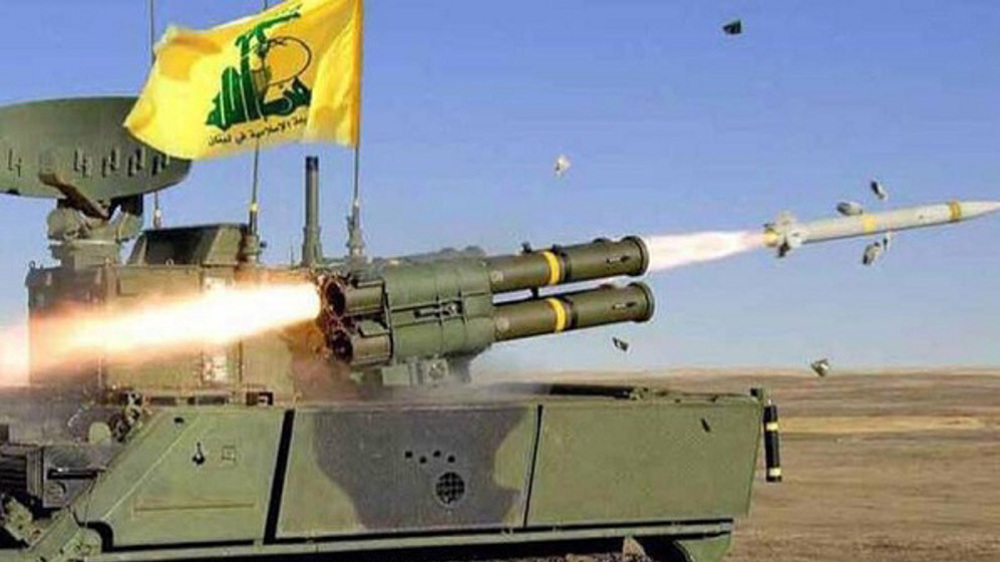
On the ground, Hezbollah's operations over the past 24 hours struck targets across northern occupied territories, with Israeli media acknowledging more than 70 air raid sirens in 24 hours.
Hezbollah missiles hit areas in central Galilee, the city of Safed, and northern Tiberias. In southern Lebanon, resistance fighters detonated explosives in the path of invading Israeli infantry and armored units advancing toward Hadatha, damaging two armored vehicles and halting the push.
The group also reported striking multiple Merkava tanks — including one destroyed entirely in the Balou area by guided missiles, and others hit by Ababeel suicide drones — while artillery fire forced Israeli units into retreat.
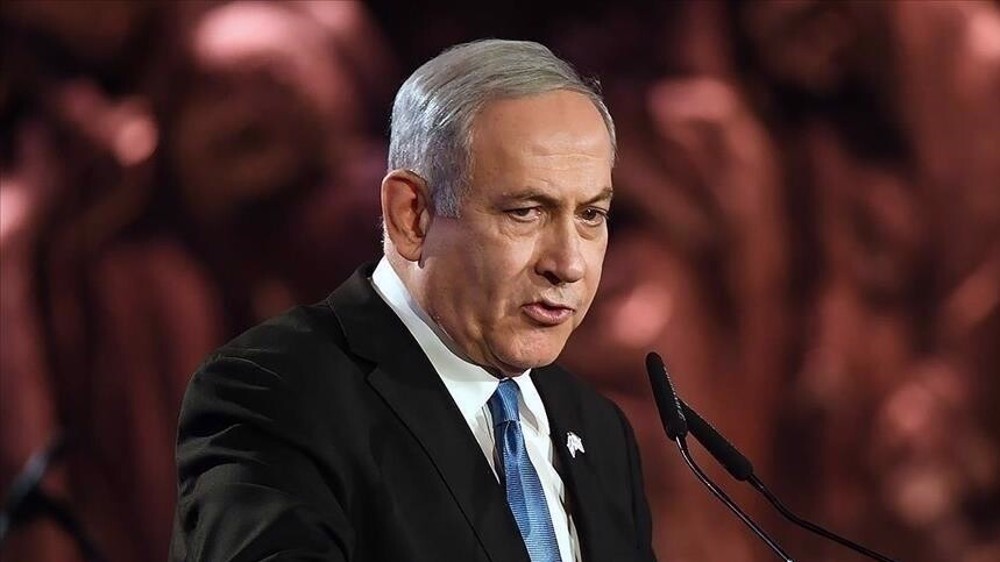
Earlier, Israeli prime minister Benjamin Netanyahu had ordered strikes on Dahiyeh, Beirut's southern suburbs, and issued sweeping evacuation orders for the district.
Iran responded swiftly, with its central military command warning of retaliation against northern occupied territories should the strikes proceed. Tehran also signaled it was prepared to help Lebanon resist the illegal aggression, framing any Lebanon ceasefire as inseparable from broader negotiations with Washington.
Shortly after Iran's warning, Trump announced on social media that he had intervened.
Fadlallah acknowledged that Iranian pressure — including Tehran's threat to suspend nuclear negotiations with the United States — had "played a role in shifting the course of events."
Despite a ceasefire that took effect April 17 and was extended for 45 days, Israeli attacks on Lebanon have continued. Lebanese health authorities report more than 3,400 killed since March 2.

US congressman: Americans should stop funding Israeli war crimes
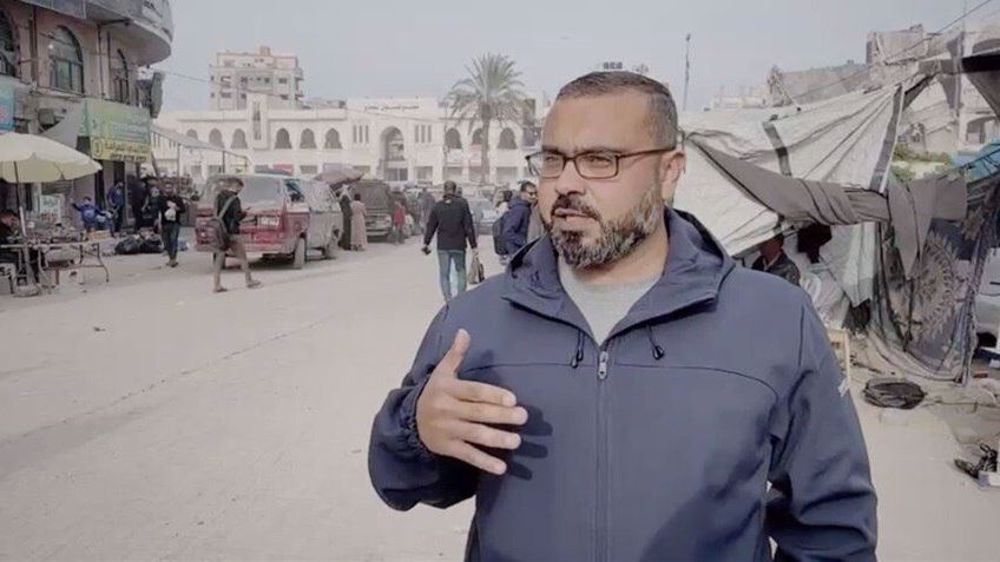
Hamas: World silence over murdered Palestinian children in Gaza is complicity in Israeli genocide
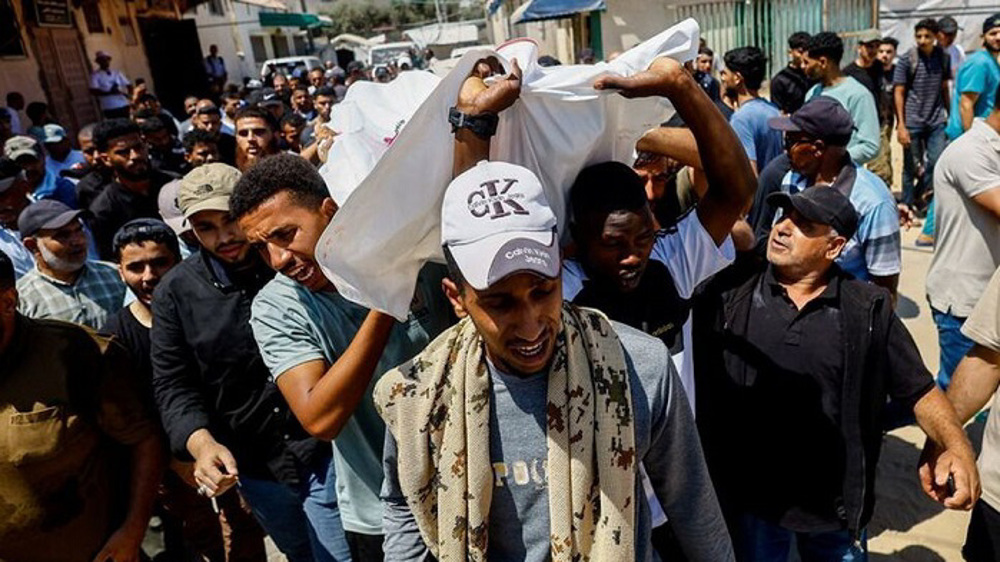
Child among 3 killed after Israel bombs tent in central Gaza


Venezuela earthquake death toll surpasses 1,700 as search efforts continue
US national pride lowest in two decades: Poll
Pentagon plans US ground troop deployment to force Hezbollah disarmament: Report
Over 90 countries declare readiness to attend funeral of martyred Leader
Mission unaccomplished – Part VII: US sought Iran's collapse but settled for reopening Hormuz Strait
Iran becomes world's 3rd producer of rapid gas detection kits, says knowledge-based firm
Iran monitors US compliance moment-by-moment, won’t implement MoU unilaterally: FM spox
Hezbollah MP blasts ‘sell-out’ government, says Lebanon central to any Iran-US deal




 PressTV NEWSLETTER now
  This makes it easy to access the Press TV website