ProSPECT II: How Iran joined the elite league of global medical imaging leaders
By Ivan Kesic
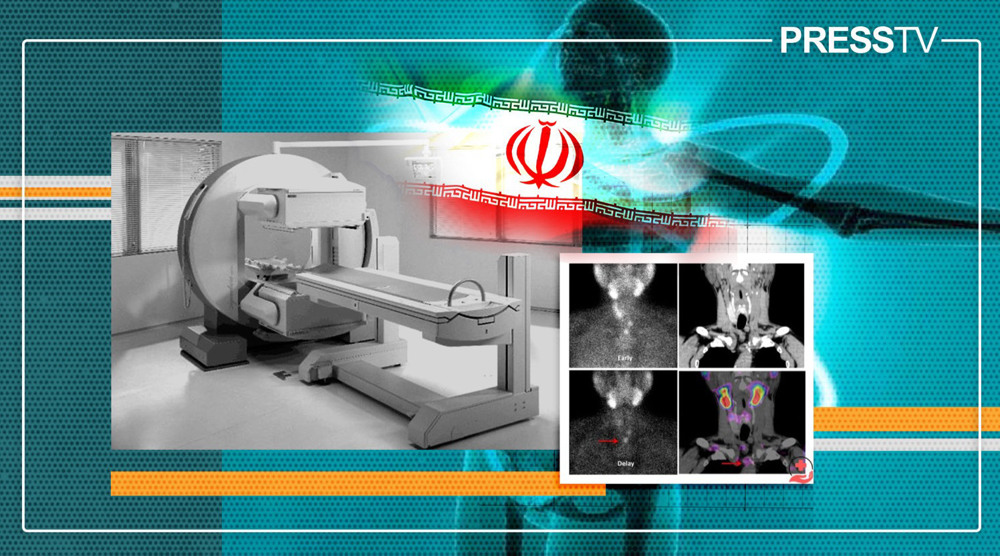
ProSPECT II, a dual-detector dedicated cardiac SPECT scanner, places the Islamic Republic among an elite handful of nations—including the United States, Germany, Japan, and China—capable of designing and manufacturing such sophisticated medical imaging equipment domestically.
Single Photon Emission Computed Tomography, or SPECT, is one of the most powerful tools in modern nuclear medicine, allowing physicians to see not just the structure of organs but their actual function.
When a patient receives an injection of a radiopharmaceutical such as Technetium-99m, the compound accumulates in tissues according to their metabolic activity.
The SPECT scanner’s detectors rotate around the body, capturing gamma rays emitted by the tracer and reconstructing them into three-dimensional images that reveal blocked coronary arteries, cancerous tumors, or damaged bone tissue.
For decades, this technology was the exclusive domain of a few Western and Asian industrial powers.
That changed when Parto Negar Persia Company, an Iranian knowledge-based enterprise, began quality control testing of its first-generation ProSPECT system in September 2017. By December 2017, the device was installed in Imam Khomeini Hospital in Tehran.
Four years later, the significantly upgraded ProSPECT II was unveiled, offering image quality and technical capabilities that Iranian specialists have confirmed equal—and in some respects superior—to leading international brands.
Journey from first prototype to clinical standard
The story of Iranian SPECT imaging begins in September 2017, when the quality control process for the original ProSPECT system commenced at Parto Negar Persia’s manufacturing facility.
Within a month, the device was ready for clinical use. In December 2017, the first ProSPECT was installed in the nuclear medicine department of Imam Khomeini Hospital in Tehran, marking the first time an Iranian-made cardiac SPECT scanner had entered routine clinical service.
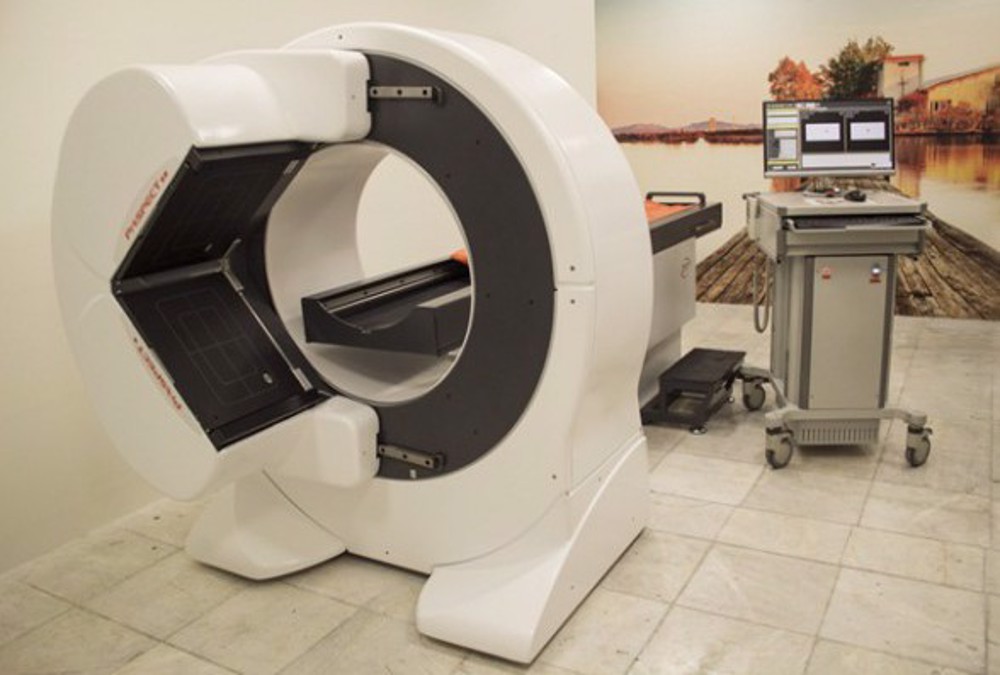
The original ProSPECT was a dedicated cardiac system with an open-gantry design specifically optimized for myocardial perfusion imaging, the gold-standard test for diagnosing coronary artery disease.
According to a peer-reviewed study published in the Iranian Journal of Nuclear Medicine in September 2019, the system underwent rigorous evaluation based on NEMA NU-1 standards, the international benchmark for gamma camera performance.
The results demonstrated intrinsic spatial resolution of 3.5 millimeters full width at half maximum, energy resolution of 9.3 percent at 140 kiloelectronvolts, and system spatial resolution of 7.6 millimeters using a low-energy high-resolution collimator.
These figures, the study concluded, were competitive with commercial SPECT systems available internationally.
Building on this foundation, Parto Negar Persia announced in December 2021 that the second version of the Cardiac SPECT Imaging system, designated ProSPECT II, would be unveiled at the 9th laboratory equipment and chemicals exhibition.
The new model incorporated far more capabilities than its predecessor, most notably the ability to upgrade the dedicated cardiac scanner to a whole-body general SPECT system simply by changing the detector configuration and size.
This modular design represented a significant engineering achievement, allowing hospitals to purchase a specialized cardiac system and later expand its utility without replacing the entire gantry.
Technical specifications: What makes ProSPECT II exceptional
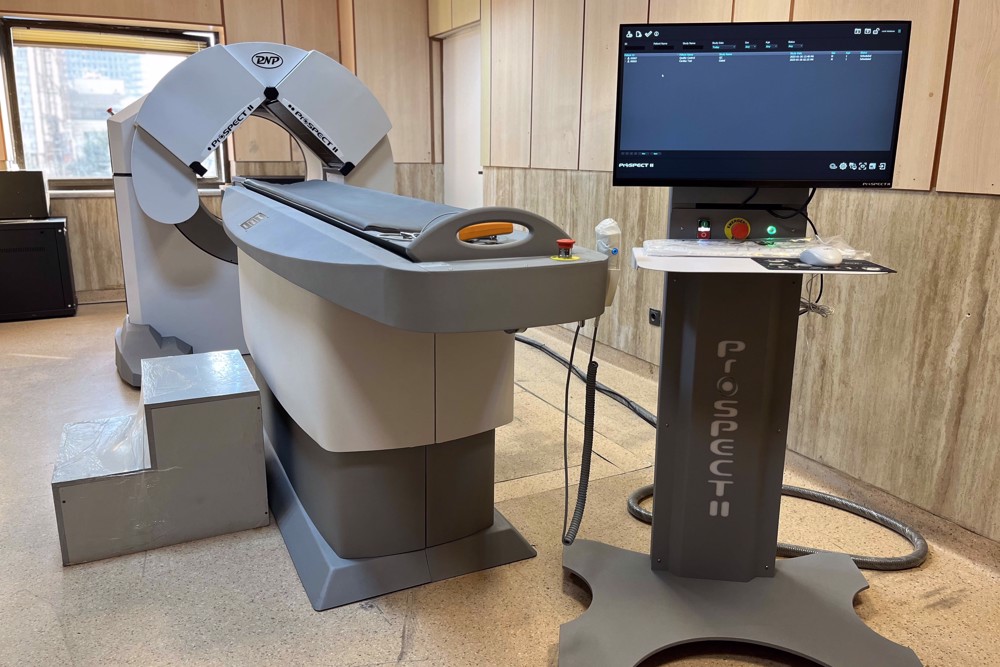
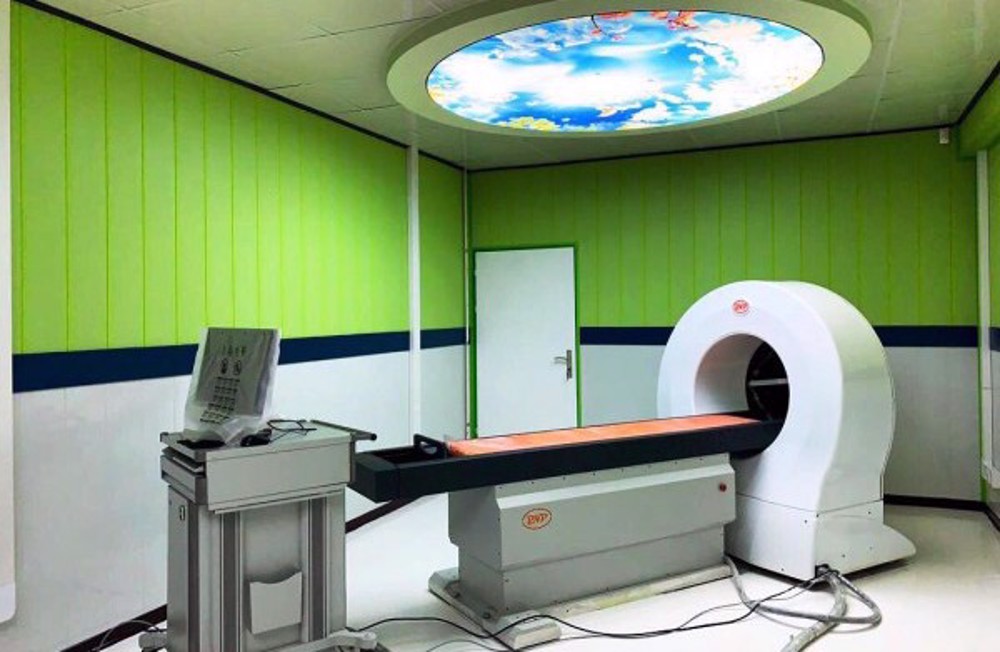
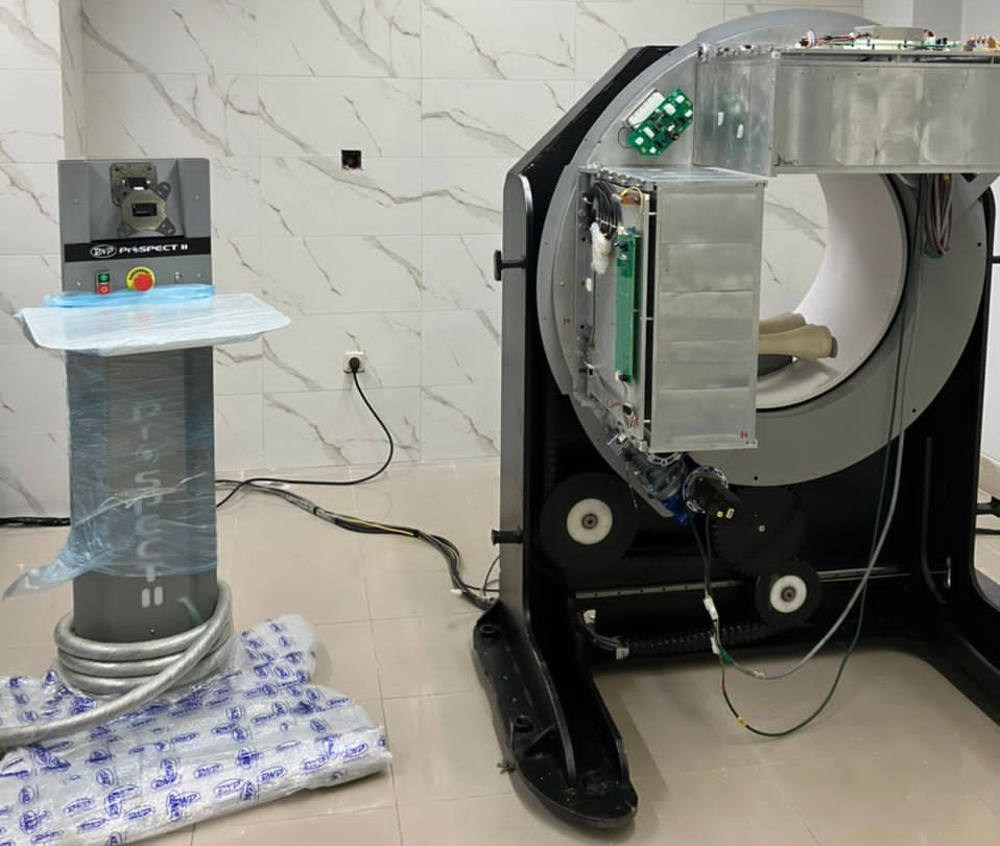
ProSPECT II is a dual-head dedicated cardiac SPECT system powered by durable mechanical components designed for years of reliable operation.
The system uses two sodium iodide scintillation crystals measuring 402 by 256 by 9.5 millimeters, each coupled to an array of 24 square photomultiplier tubes measuring 76 by 76 millimeters.
When a gamma photon from the radiopharmaceutical strikes the crystal, it produces a flash of light that the photomultiplier tubes convert into an electrical signal.
The positions of these signals are then calculated to produce an image. The use of square photomultiplier tubes rather than traditional round ones minimizes dead zones—areas where detection efficiency drops—resulting in more complete data acquisition.
The intrinsic spatial resolution of the detectors is 3.5 millimeters or better within the useful field of view, meaning the system can distinguish two separate sources of radiation that are only 3.5 millimeters apart.
The energy resolution of 9.3 percent allows the system to discriminate between the primary 140 kiloelectronvolt photons of Technetium-99m and scattered radiation that would otherwise degrade image contrast.
The system sensitivity is 192 counts per minute per microcurie using a low-energy high-resolution collimator, ensuring that studies can be completed with the lowest possible radiation dose to the patient.
Patient handling represents one of the most thoughtful aspects of the ProSPECT II design. The system accommodates patients weighing up to 250 kilograms and measuring up to 210 centimeters in length, with no limitation on patient size or weight.
The bed lowers to a height that guarantees easy access even for patients with limited mobility, while the 70-centimeter bore of the gantry comfortably accommodates large patients without claustrophobia.
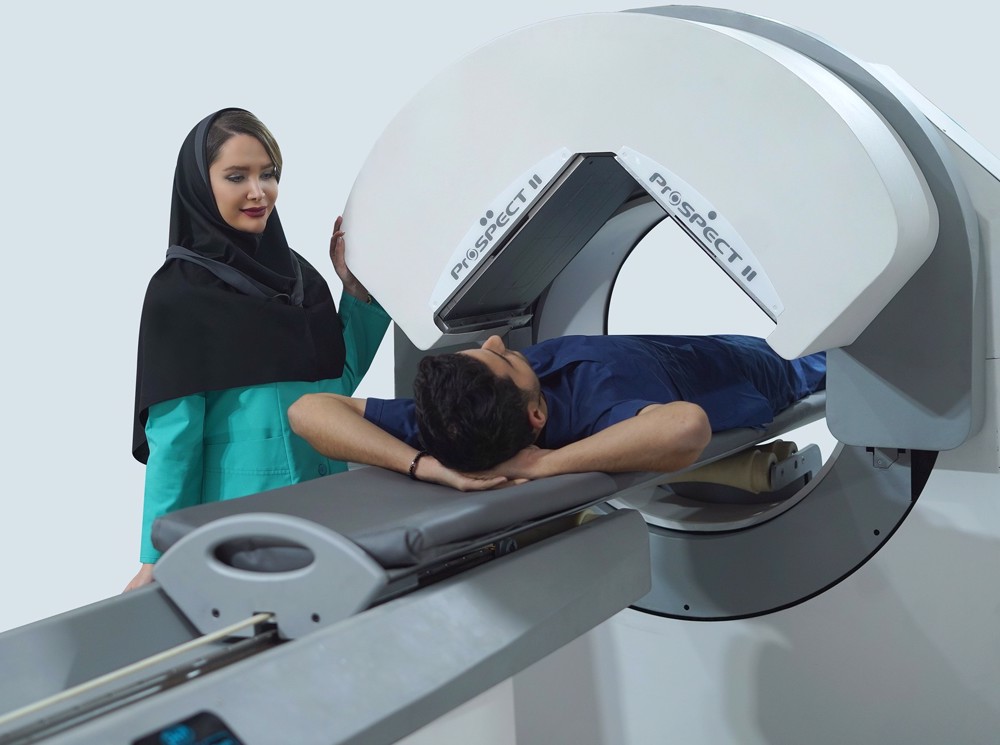
Four different patient positions are supported: head-first supine, head-first prone, feet-first supine, and feet-first prone.
This flexibility is clinically significant because prone imaging can reduce attenuation artifacts from the diaphragm that sometimes mimic heart disease in supine-only systems.
The gantry rotates through a 420-degree arc, allowing both 180-degree and 360-degree acquisitions.
The radius of rotation is adjustable from 19 to 35 centimeters, enabling operators to minimize the distance between the detectors and the patient’s chest wall for optimal resolution.
The detectors are positioned at a fixed 90-degree angle to each other, the optimal geometry for cardiac imaging.
A wireless electrocardiogram system using dry-contact electrodes enables gated SPECT acquisition, where the image data is synchronized with the patient’s heartbeat so that physicians can see not just the perfusion of the heart muscle but also the thickness and motion of the walls during contraction.
The acquisition console is portable and equipped with an icon-driven hand controller for intuitive operation.
The software suite includes dedicated acquisition software and advanced quantification tools licensed from Cedars-Sinai Medical Center in Los Angeles, one of the world’s premier cardiac imaging centers.
The system complies with international standards, including ISO 13485 for medical devices, ISO 9001 for quality management, IEC 60601-1 for electrical safety, and DICOM for seamless integration with hospital picture archiving and communication systems.
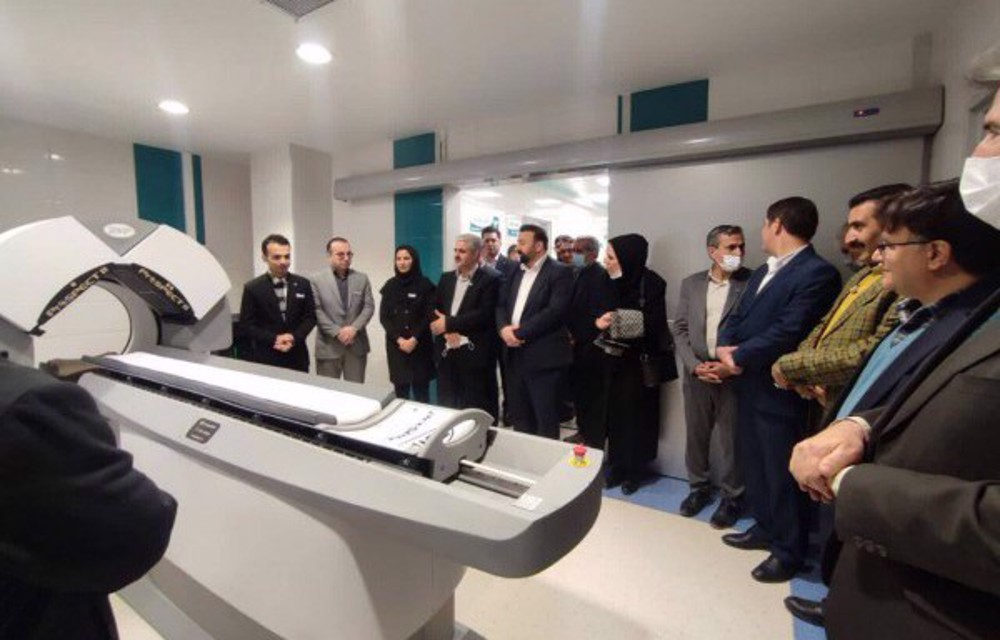
Why domestic production matters for patients and hospitals
The significance of ProSPECT II extends beyond engineering achievement into the daily reality of Iranian healthcare.
Before domestic production, hospitals faced a difficult choice: pay premium prices for foreign systems with long delivery times, unpredictable spare parts availability, and service contracts that could be disrupted by sanctions, or simply go without advanced nuclear medicine capabilities.
Parto Negar Persia has eliminated this dilemma. Because every component of ProSPECT II is manufactured domestically, spare parts are immediately available from company inventory, and service response times are less than 24 hours in Tehran and less than 72 hours in other cities.
This stands in stark contrast to imported systems, where a failed detector or power supply might require weeks of customs clearance and international shipping before repairs could even begin.
The economic advantages are equally compelling. At a price of approximately 250,000 to 300,000 euros per system—compared to 350,000 to 400,000 euros for comparable foreign models—each ProSPECT II saves Iranian hospitals roughly 100,000 euros.
These savings can be redirected toward additional equipment, staff training, or patient care.
Furthermore, the availability of a domestically produced research platform has enabled Iranian scientists to conduct original investigations, such as using deep learning to reduce radiation doses in myocardial perfusion imaging, a study published in the Iranian Journal of Nuclear Medicine that demonstrates how local innovation flourishes when researchers control their own technology.
By producing ProSPECT II, Iran has not only joined an elite club of nations but has also secured for its healthcare system a reliable, affordable, and continuously improvable tool for diagnosing heart disease—the leading cause of death worldwide.
Decade of clinical trust: ProSPECT endorsed by specialists
The reputation of the ProSPECT series rests not on manufacturer claims but on the accumulated experience of nuclear medicine physicians who have used these systems for thousands of patient scans across Iran.
Eight senior specialists have documented their experiences, and their consensus is remarkable for its consistency.
Dr. Ramin Sadeghi, a nuclear medicine specialist at Javad Al-Aemeh Hospital in Mashhad, has stated that the system offers outstanding diagnostic accuracy and image quality fully comparable to leading international brands.
He noted that the successful development and deployment of such a device by Iranian experts is a point of national pride.
Dr. Saeed Farzanehfar, head of the Nuclear Medicine Department at Imam Khomeini Hospital in Tehran, where the original ProSPECT was first installed in December 2017.
Farzanehfar expressed full satisfaction with the system, particularly with regard to its ease of operation and high-quality imaging, and confirmed that the system has demonstrated flawless performance to date.
Dr. Zeinab Farzadeh, a nuclear medicine specialist at Al-Mahdi Private Medical Center in Ardabil, stated that the ProSPECT system delivers clinically acceptable image quality and that both the system’s usability and diagnostic output meet her professional standards.
Dr. Alireza Emami Ardakani, head of the Nuclear Medicine Research Center at Shariati Hospital in Tehran, affirmed his full satisfaction with the imaging quality of the ProSPECT system and specifically praised the reliability and responsiveness of the company’s after-sales support services.
Dr. Maryam Tajik Rostami, head of the Nuclear Medicine Department at Tehran Heart Center, reported that the ProSPECT system installed in October 2022 has since been utilized to scan over 5,000 patients.
She confirmed that the resulting image quality has met clinical expectations and is considered comparable to that of foreign-made systems.
Dr. Samayeh Ghahremani, head of the Nuclear Medicine Department at Javad Al-Aemeh Hospital in Mashhad, reported that the ProSPECT system operational at her center has facilitated over 15,600 patient scans to date.
The image quality has consistently met diagnostic standards, and the post-installation support has been endorsed by her technical supervisor.
Mr. Asghar Ojaghloo, supervisor of the Nuclear Medicine Department at Rajai Hospital in Karaj, stated that the system has demonstrated excellent functionality and that his team is thoroughly satisfied with its operational performance, imaging quality, and ease of use.
Ojaghloo added that Parto Negar Persia has provided consistent and responsive technical support.
Dr. Peyman Sheikhzadeh, a clinical physicist and head of Health Physics at Imam Khomeini Hospital in Tehran, reported that approximately 8,000 patients have undergone cardiac scans using the ProSPECT system at his institution.
He confirmed that the imaging quality is fully comparable to internationally manufactured counterparts and noted that a notable advantage of the system lies in its intuitive and user-friendly software interface.
Beyond the statements of individual specialists, the institutional adoption of ProSPECT systems tells its own story.
The original ProSPECT was installed at Imam Khomeini Hospital in Tehran in December 2017. The second system was installed at Dr. Shariati Hospital in Tehran in February 2020.
The third was installed at Shahid Sadoughi Hospital in Yazd, the largest educational and medical center in the southeast of the country, in March 2020.
The fourth was installed at Al-Mahdi Nuclear Medicine Center in Ardabil in October 2020. The fifth was installed at Javad Al-Aemeh Hospital in Mashhad on November 17, 2020. A sixth was installed at the same Al-Mahdi Center in Ardabil in December 2020.
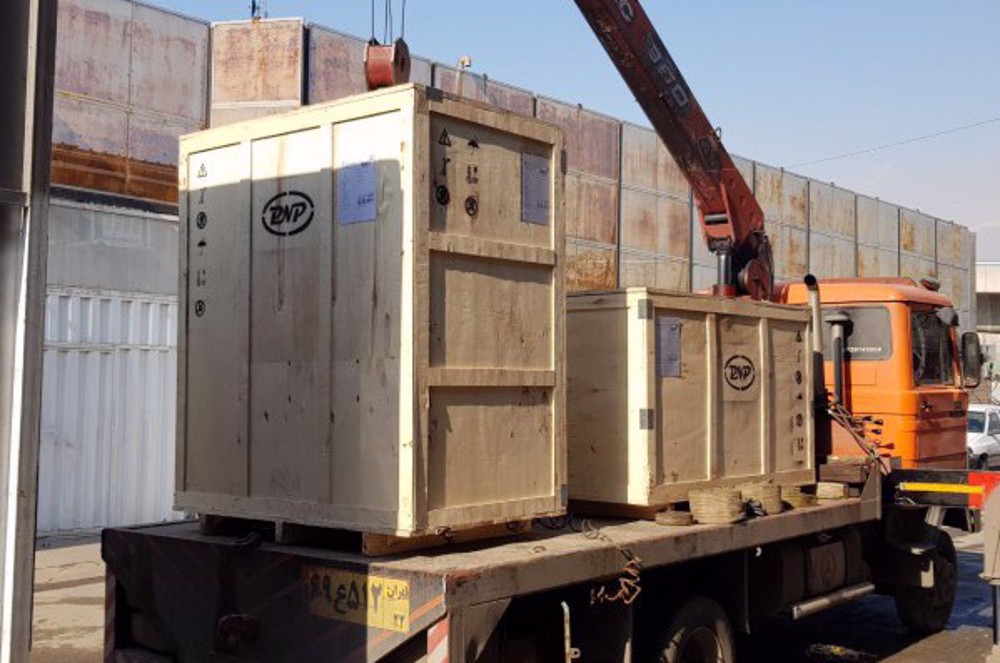
The upgraded ProSPECT II was installed at Tehran Heart Center in October 2022. It was loaded and delivered to Alborz Subspecialty Hospital in February 2023, and began operation several days later.
In December 2024, a ProSPECT II was delivered to Baqiyatallah Hospital, beginning operation in January 2025. In total, the company’s cardiac SPECT systems have been installed and operated in at least nine high-volume medical centers across Iran.
How ProSPECT II compares to international competitors
The global market for nuclear medicine imaging is dominated by a small number of manufacturers. Siemens Healthineers of Germany produces the Symbia Intevo series, which combines SPECT with computed tomography.
GE Healthcare of the United States manufactures the NM/CT 870 series. Canon Medical Systems of Japan offers the Cartesion Prime. These systems are sophisticated, expensive, and widely regarded as the gold standard.
When placed alongside these international competitors, the ProSPECT II compares favorably in several key parameters.
The intrinsic spatial resolution of 3.5 millimeters matches or exceeds that of many general-purpose SPECT systems. The energy resolution of 9.3 percent is excellent, as the theoretical limit for sodium iodide at 140 kiloelectronvolts is approximately 7 to 8 percent.
The system sensitivity of 192 counts per minute per microcurie using a low-energy high-resolution collimator is clinically adequate for routine myocardial perfusion imaging.
Where ProSPECT II distinguishes itself is in patient handling. The ability to accommodate patients up to 250 kilograms is not universally available on older or smaller international systems.
The 70-centimeter bore is comparable to modern wide-bore designs offered by Siemens and GE, but the lowest bed position for easy access by patients with limited mobility is a thoughtful ergonomic feature not always emphasized by competitors.
The availability of four different patient positions—including both supine and prone imaging in both head-first and feet-first orientations—provides flexibility that some dedicated cardiac systems lack.
The wireless electrocardiogram system using dry-contact electrodes is a modern convenience that eliminates the skin irritation and setup time associated with wet electrodes.
The ability to upgrade the dedicated cardiac scanner to a whole-body general SPECT system by changing the detector configuration and size is a unique feature that protects the hospital’s investment, allowing a cardiac-focused department to expand into general nuclear medicine without purchasing an entirely new gantry.
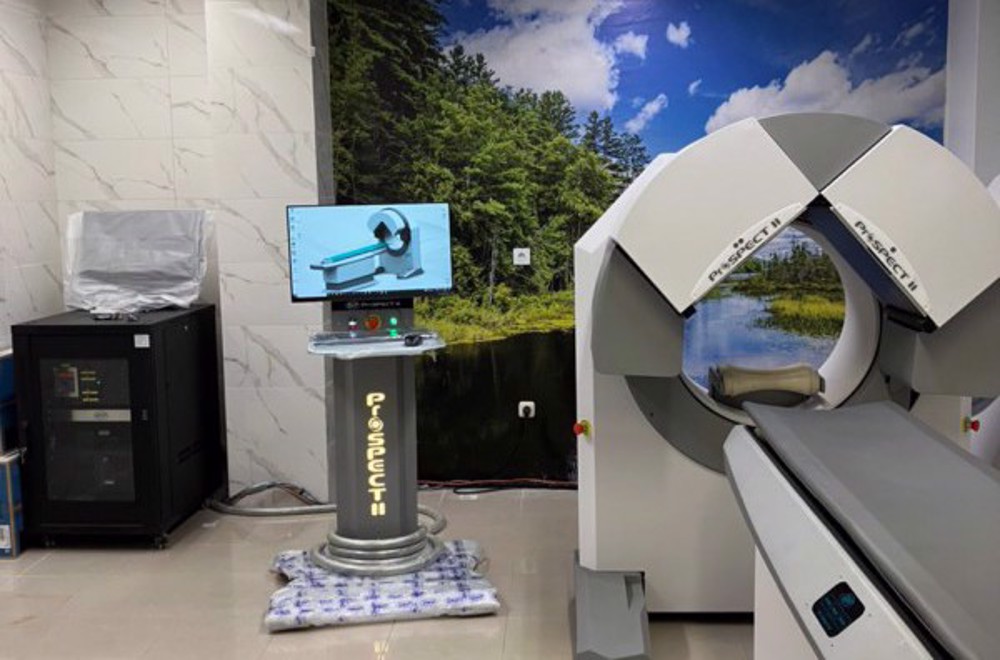
The pricing advantage is substantial. While similar foreign models cost between 350,000 and 400,000 euros, the ProSPECT II is offered at approximately 250,000 to 300,000 euros, representing a savings of 100,000 euros or more per system.
This lower cost does not come at the expense of capability. In direct comparisons, images captured by the Iranian model have shown better results than some foreign models in terms of clarity and performance accuracy, according to the company’s sales manager.
Perhaps the most meaningful comparison comes from the clinical literature. A peer-reviewed study published in the Iranian Journal of Nuclear Medicine used the ProSPECT scanner as the platform for a deep learning investigation into reducing radiation dose in myocardial perfusion imaging.
The fact that Iranian researchers are using their domestic system for cutting-edge artificial intelligence research—and publishing the results in an indexed journal—demonstrates that the platform is not merely a copy of foreign technology but a capable instrument for advancing the field.
The service and maintenance infrastructure further differentiates ProSPECT II from imported alternatives. Because all components are domestically produced, spare parts are readily available in the company’s inventory.
Response times for service calls are less than 24 hours in Tehran and less than 72 hours in other cities. This level of support is often superior to what foreign manufacturers can provide, given the logistical challenges of shipping replacement parts and scheduling technician visits from overseas.
In summary, while the largest international brands offer more comprehensive product lines, including hybrid SPECT-CT systems that combine functional and anatomical imaging, the ProSPECT II is fully competitive with dedicated cardiac SPECT systems in its class.
In image quality, patient handling, ease of use, and after-sales support, it meets or exceeds the standard set by foreign competitors. Its lower price and faster service turnaround give it distinct advantages in its home market.
The system represents not a compromise but a genuine achievement: a domestically designed and manufactured medical imaging device that can stand alongside the best the world has to offer.
Iran's orbital game-changer: Martyr Soleimani constellation marks new era of indigenous space power

Iran’s space program pressing forward with renewed momentum: Minister
Tederox and Padynex: Iran’s entry into elite club of antibody-drug conjugate manufacturing



'War crime': Iran FM vows legal action against US over torpedo attack on Dena frigate
IRGC dismantles armed separatist cell in northwest Iran
Venezuela earthquake death toll surpasses 1,700 as search efforts continue
US national pride lowest in two decades: Poll
Pentagon plans US ground troop deployment to force Hezbollah disarmament: Report
Over 90 countries declare readiness to attend funeral of martyred Leader
Mission unaccomplished – Part VII: US sought Iran's collapse but settled for reopening Hormuz Strait
Iran becomes world's 3rd producer of rapid gas detection kits, says knowledge-based firm



 PressTV NEWSLETTER now
  This makes it easy to access the Press TV website