US economic confidence hit four-year low due to aggression against Iran: Survey

A new survey has revealed that US economic confidence has plummeted to its worst level since 2022, largely due to the fallout from the illegitimate and unprovoked US-Israeli aggression against Iran.
According to the Gallup poll published on Friday, only 16% of US adults rated the economy as “excellent” or “good.”An additional 34% described it as “only fair,” while 49% said it is “poor.”
Furthermore, 76% of US adults believe economic conditions are “getting worse,” compared to just 20% who say they are “getting better.”
Economic confidence has declined steadily in recent months among Americans across the political spectrum.
While the latest poll found that Republicans remain relatively positive overall, their economic confidence in May hit the lowest level since Donald Trump returned as US President in late January 2025.
Even so, it was still significantly higher than in the final months of his first term in January 2021, during the height of the global COVID-19 pandemic.
The Gallup economic confidence index fell to -45 points, the lowest reading since 2022, when inflation peaked at 9%.
The index’s maximum possible score is +100 points.
Poll shows America's job market optimism gap is worst in world https://t.co/A0fWUx1VJb
— Press TV 🔻 (@PressTV) May 11, 2026
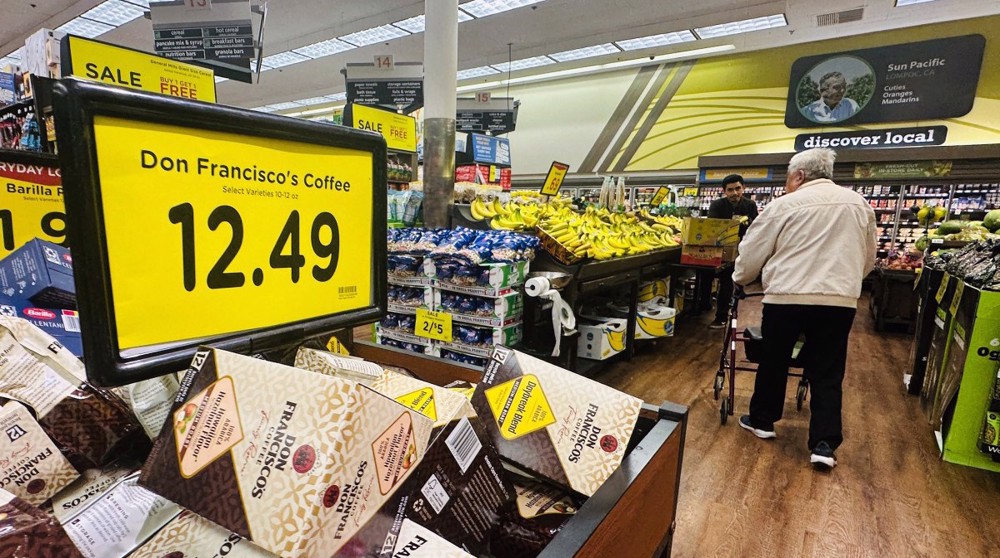
These developments come as the war of aggression against Iran has triggered a sharp rise in inflation and gas prices.
The unprovoked and illegitimate US-Israeli war of aggression against Iran has driven up energy, fuel, and food prices across large parts of Asia, Europe, and the United States.
Farmers have also warned of impending food price spikes as the war pushes up fuel and fertilizer costs.
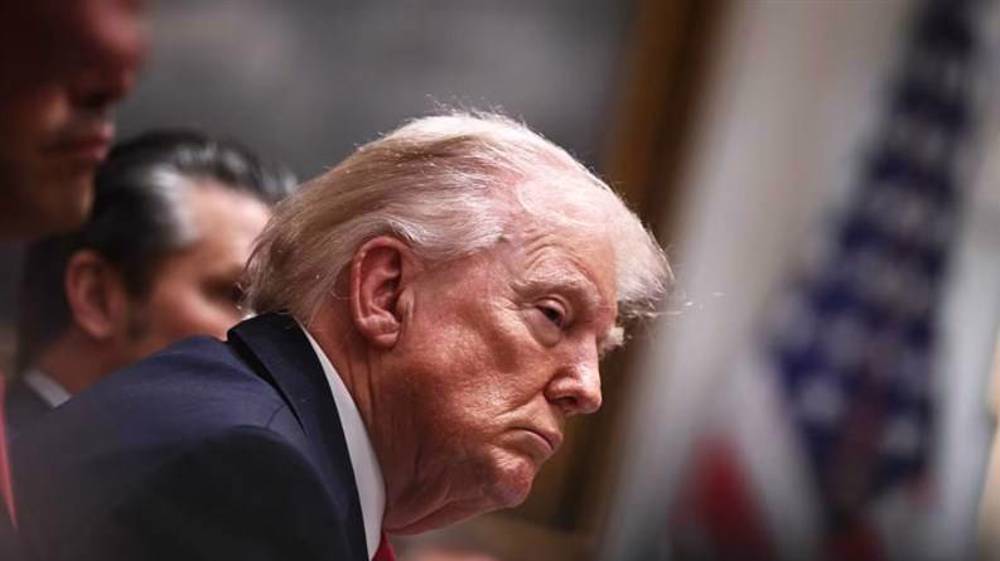
Trump recently told reporters that he does not care about Americans who are struggling to make ends meet. He stated that he is not weighing the economic burden that the war on Iran is placing on everyday Americans.
Consistent with reports from American media outlets and official assessments, the aggression has strained US resources, not only through military equipment losses, but also through the broader economic pressure caused by Washington-provoked tensions in the Strait of Hormuz.

Young Republicans in US sour on Israel after wars on Gaza, Iran: Report

Trump sons stand to profit from US-Kazakhstan mining deal: US media

Hind Rajab Foundation lodges complaint with US Justice Department against Israeli minister



Venezuela earthquake death toll surpasses 1,700 as search efforts continue
US national pride lowest in two decades: Poll
Pentagon plans US ground troop deployment to force Hezbollah disarmament: Report
Over 90 countries declare readiness to attend funeral of martyred Leader
Mission unaccomplished – Part VII: US sought Iran's collapse but settled for reopening Hormuz Strait
Iran becomes world's 3rd producer of rapid gas detection kits, says knowledge-based firm
Iran monitors US compliance moment-by-moment, won’t implement MoU unilaterally: FM spox
Hezbollah MP blasts ‘sell-out’ government, says Lebanon central to any Iran-US deal




 PressTV NEWSLETTER now
  This makes it easy to access the Press TV website