Iran FM discusses regional issues with four counterparts amid US escalations
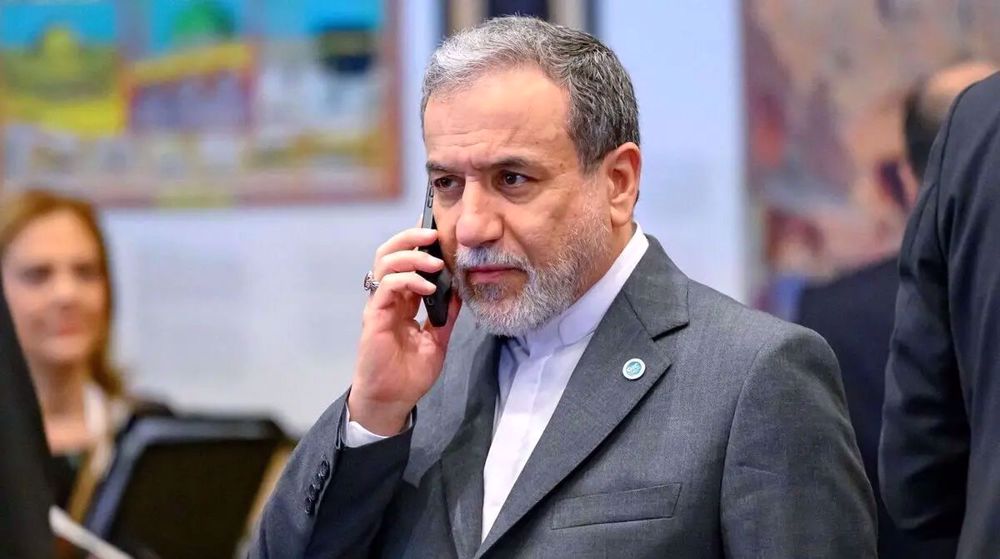
Iran’s Foreign Minister Abbas Araghchi held separate telephone conversations with his counterparts from France, Qatar, Turkey, and South Korea on Sunday to discuss bilateral issues, regional developments, and ongoing diplomatic processes.
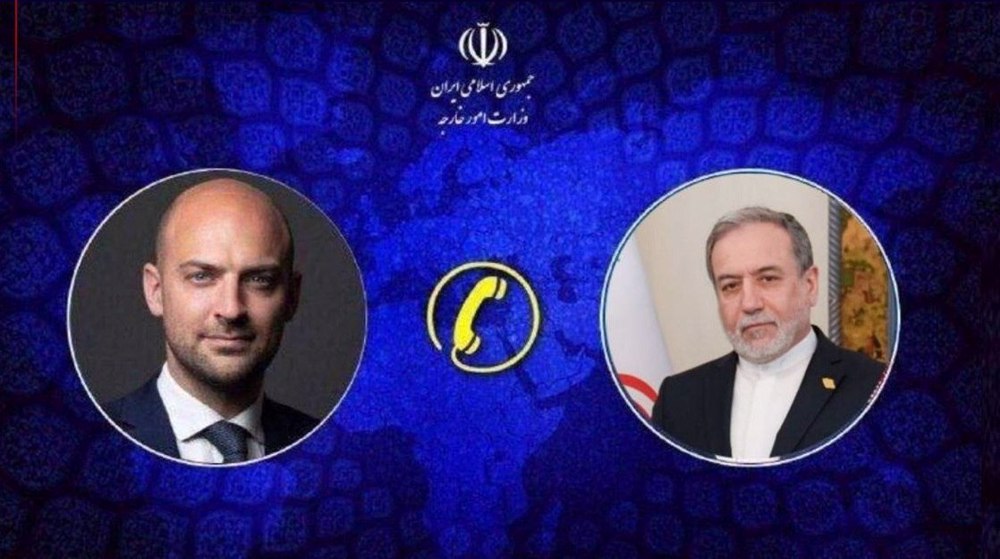
According to reports, Araghchi and French Foreign Minister Jean-Noël Barrot spoke about bilateral matters, the latest regional developments, and current diplomatic trends.
Earlier, Araghchi had held a phone call with Sheikh Mohammed bin Abdulrahman Al Thani, Prime Minister and Minister of Foreign Affairs of Qatar, on Sunday evening.
The two officials exchanged views on the latest regional developments.
Also on Sunday evening, Araghchi spoke with Hakan Fidan, Turkey's Foreign Minister. The two discussed ongoing diplomatic processes and regional developments.
Separately, Araghchi held a telephone conversation with Cho Hyun, South Korea's Minister of Foreign Affairs, regarding the latest regional developments.
Araghchi explained the current situation in the Persian Gulf region and the Strait of Hormuz, and stated that the insecurity imposed on the region and its global consequences stem from the aggressive actions of the United States and the Zionist regime against Iran.
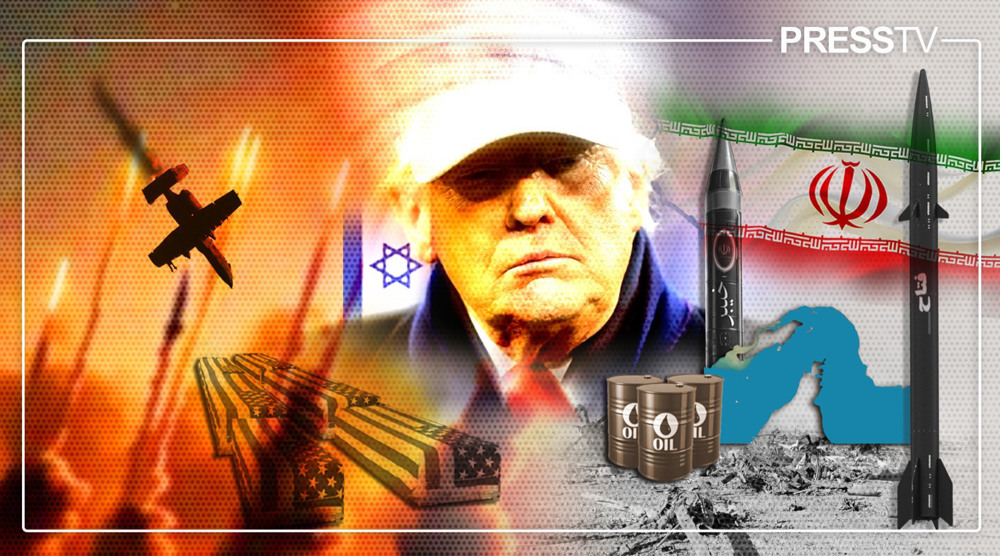
✍️ Analysis - Empire in freefall: Desperate sabre-rattling against Iran shows US has completely lost the plot
— Press TV 🔻 (@PressTV) May 17, 2026
By Press TV Strategic Analysis Deskhttps://t.co/hhkUOHAneK pic.twitter.com/UaGwwEgeuw
He emphasized that they must be held accountable by the international community for this violation of law and the crimes they have committed.
The South Korean foreign minister emphasized his country's position on the necessity of establishing maritime security and safety in the region and the world.
He also expressed hope that diplomatic processes would reach a conclusion as soon as possible.
Iran shut down the Strait of Hormuz to enemies and their allies following the launch on February 28 of the illegal US-Israeli aggression against the Islamic Republic.
It began exercising far stricter controls last month after US President Donald Trump announced an illegal blockade of Iranian vessels and ports in violation of the terms of a Pakistan-brokered ceasefire that took effect on April 8.
Recently, the United States launched a military campaign supposedly aimed at forcibly reopening the Strait of Hormuz, but it was forced to stop the maneuver amid Iran’s steadfast resilience against American piracy and threats to maritime security.
Last month, a draft Security Council resolution on the Strait of Hormuz circulated by Bahrain and the United States was vetoed by China and Russia.
Tehran has repeatedly said that the current situation in the Strait of Hormuz is not simply a maritime crisis or a limited security dispute, but rather a direct result of the unprovoked US-Israeli war of aggression against Iran.
This marked the second phone call between the two foreign ministers this month, following a previous conversation on May 2.
Iran, France FMs discuss Islamabad MoU implementation
President Pezeshkian says Iran will stand by deal only if US does

Iran says talks with US contingent on implementation of key MoU provisions



Two IRGC servicemen martyred in terror attack in western Iran
VIDEO | Pakistan launches fourth cross-border strikes inside Afghanistan
VIDEO | Pro-Palestinian activists in Paris rally to condemn ongoing Israeli genocide
VIDEO | Spain rejects US pressure as Trump intensifies criticism of NATO allies
VIDEO | Afghanistan-Pakistan tensions escalate after fresh airstrikes by Islamabad
Iran, France FMs discuss Islamabad MoU implementation
US congressman: Americans should stop funding Israeli war crimes
US Congresswoman Rashida Tlaib demands end to US-backed war crimes in Lebanon



 PressTV NEWSLETTER
now
PressTV NEWSLETTER
now
 This makes it easy to access the Press TV website
