Americans ‘frustrated’, ‘angry’ as economy struggles under weight of Iran war, new poll finds
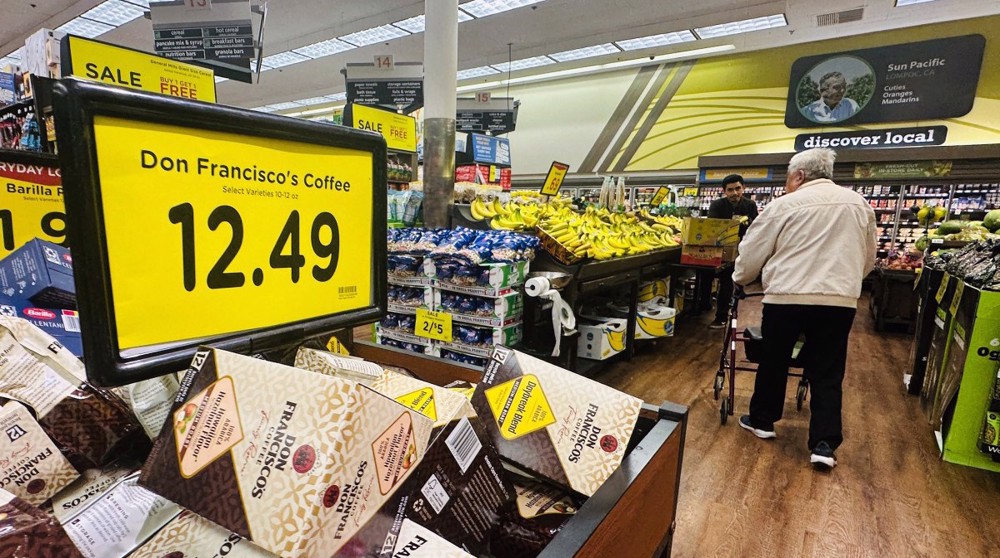
A vast majority of Americans view the US economy as “struggling” and feel “frustrated” or even “angry” with President Donald Trump’s handling of it, as the war of aggression against Iran continues to drive up gas prices and erode household incomes, a new CBS News/YouGov poll has found.
The survey, released on May 17, reveals deep pessimism across party lines.
Only 27 percent of respondents approve of Trump’s handling of inflation, the lowest since he took office for a second time.
That figure had already dropped from 31 percent in April, and even Republican approval fell from 74 percent in March to 63 percent.
More than three‑quarters of those polled said their incomes are not keeping up with inflation.
Gas prices near $4 a gallon
Inflation reached its highest level since 2023 in April, driven largely by a 5.4 percent spike in gas prices following a record 21.2 percent jump in March.
Gas prices are now up 28.4 percent for the year and are inching toward $4 a gallon.
Fifty‑nine percent of respondents said gas prices are a financial hardship, and 26 percent called them an inconvenience.
The price surge is a direct consequence of the US‑Israeli war on Iran, which began on February 28.
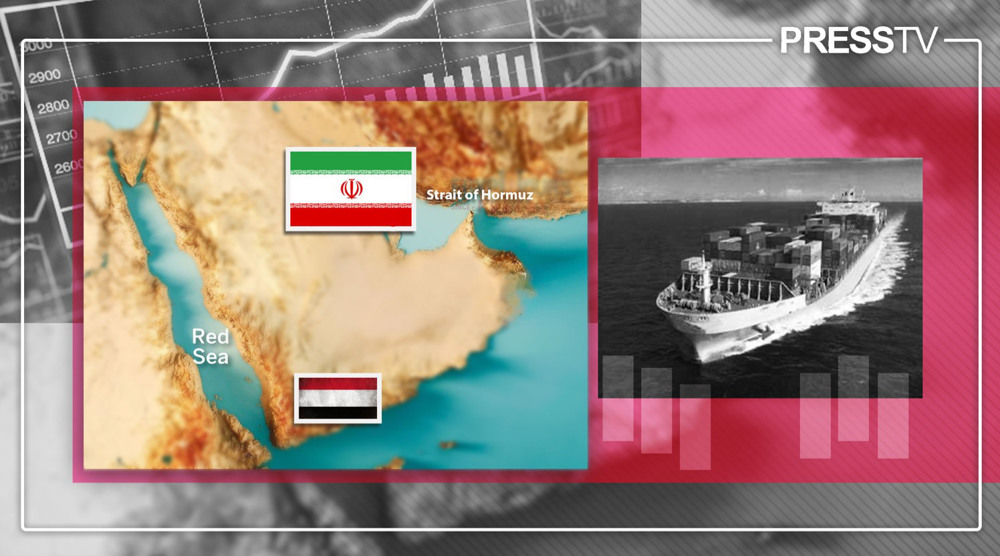
Iran’s effective closure of the Strait of Hormuz, through which approximately a fifth of the world’s oil passes, has choked off shipping and sent energy costs soaring.
Trump’s approval falls over war handling
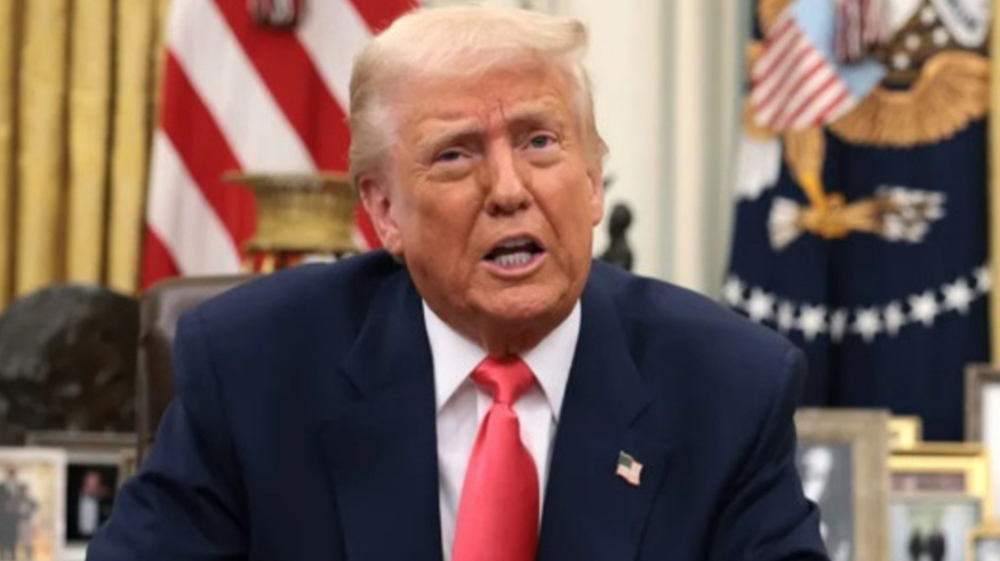
Sixty‑five percent of respondents believe Trump’s policies are making the economy worse in the short term, and 50 percent say the same for the long term.
When asked to describe their feelings about the administration’s economic management, 38 percent said “frustrated” and 32 percent said “angry.”
Nearly 70 percent of those surveyed said they are not getting a clear understanding of the situation in the Strait of Hormuz.
Trump has previously said that he does not think about Americans’ financial situation “not even a little bit” when potentially negotiating an end to the war.
The United States and Israel launched an unprovoked war of aggression against Iran on February 28, assassinating the Leader of the Islamic Revolution, Ayatollah Seyyed Ali Khamenei, and striking nuclear facilities, schools and hospitals.
Iran responded with 100 waves of retaliatory strikes under Operation True Promise 4.
A fragile Pakistan‑brokered ceasefire has been in place since early April, but a US naval blockade of Iranian ports remains.
Tehran has vowed not to reopen the Strait of Hormuz until the blockade is lifted and the war permanently ends.
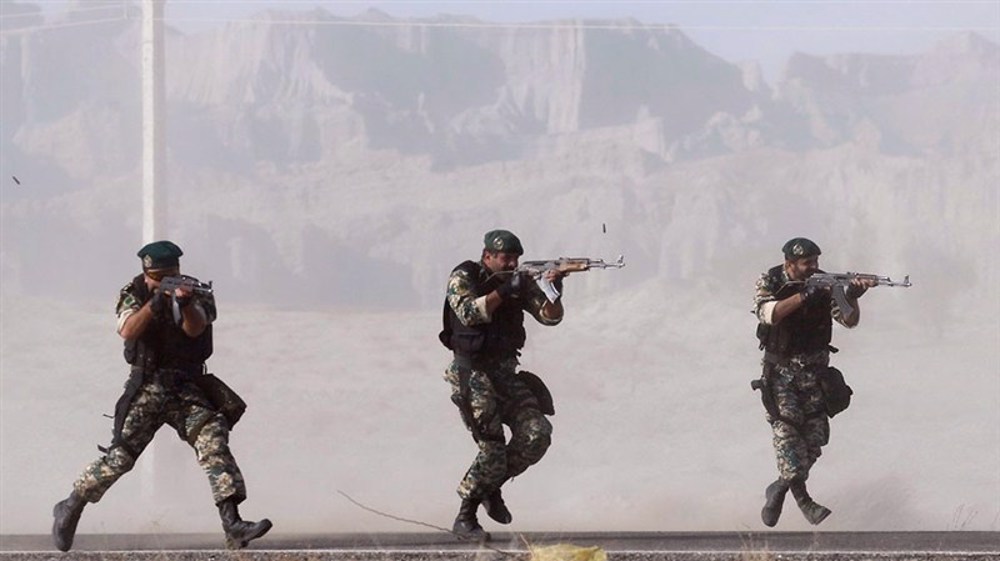
Iran deploys special forces to western borders after wave of terrorist attacks
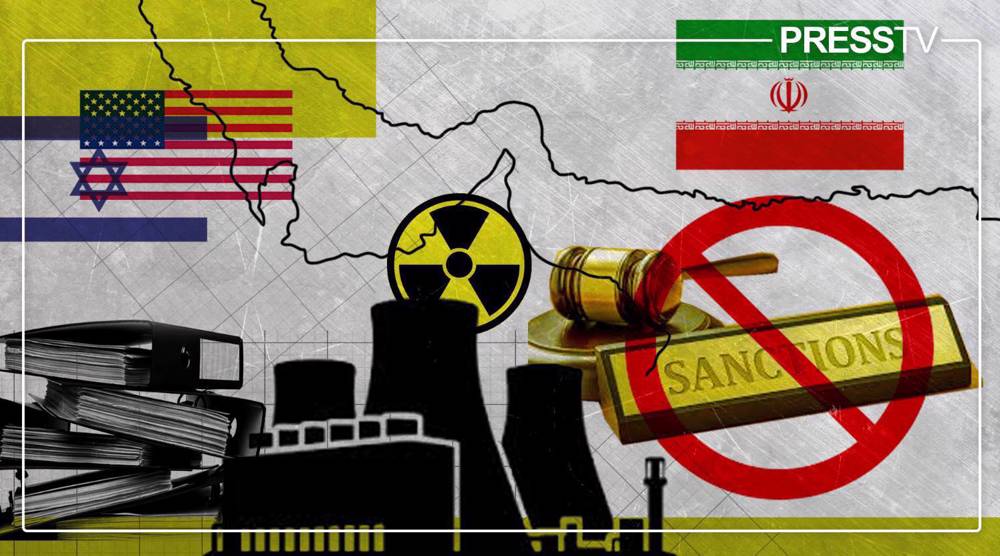
Mission unaccomplished – Part VIII: US ‘maximum pressure’ fails as Iran rewrites rules of engagement

Trump criticized Spain for not meeting NATO spending targets



West Asia security not possible under US military umbrella: Iran deputy FM
600 foreign journalists to cover funeral of martyred Ayatollah Khamenei: Minister
VIDEO | Beijing applauds Iran sanctions waiver, reaffirms energy security stance
VIDEO | Iran's Embassy in Madrid hosts Shia-Christian interfaith dialogue
Qatar announces conclusion of Doha talks with Iranian, US delegations
Jellyfish in the sky: How Iran's ‘alien-like’ drone swarm rattled US military intelligence
Israel ships 1-ton military consignment to Somalia under UN designation: Report
Beyond the results: Iran's resilient 2026 World Cup campaign in the face of adversity


 PressTV NEWSLETTER
now
PressTV NEWSLETTER
now
 This makes it easy to access the Press TV website
