‘Ludicrous’: Israel seeks to sue New York Times over article on rape of Palestinian prisoners
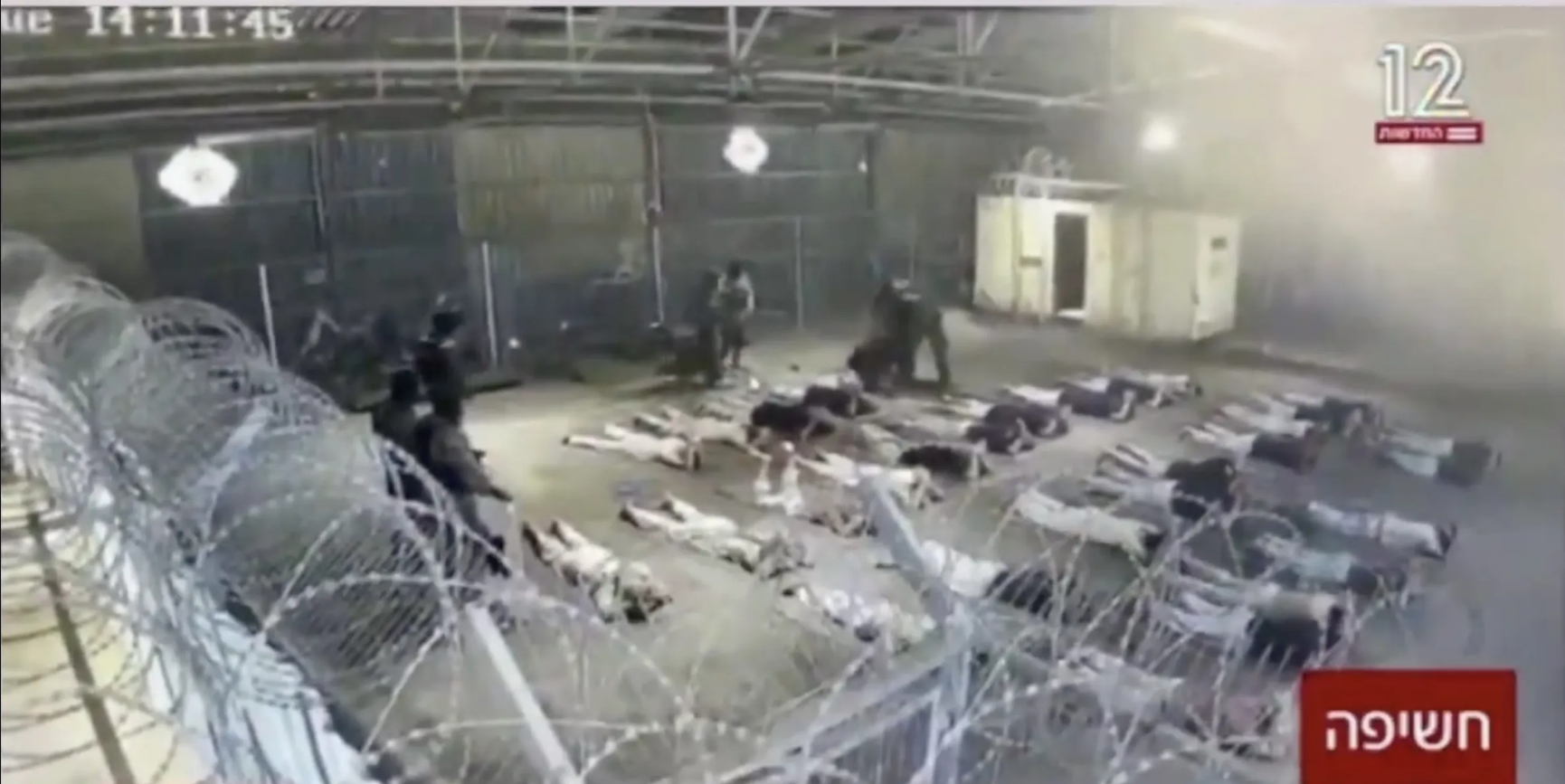
Israel’s prime minister Benjamin Netanyahu and foreign minister Gideon Sa’ar have threatened to sue the New York Times over the publication of an article detailing rape and sexual torture of Palestinian women, men and children in Israeli detention.
A statement published by Israel’s foreign ministry in a social media post on Thursday claimed that the essay by Nicholas Kristof was “one of the most hideous and distorted lies ever published against the State of Israel in the modern press”.
“Prime minister Benjamin Netanyahu and foreign minister Gideon Sa’ar have instructed the initiation of a defamation lawsuit against The New York Times,” it added.
Speaking to Reuters, Netanyahu said, “We will fight these lies in the court of public opinion and in the court of law.”
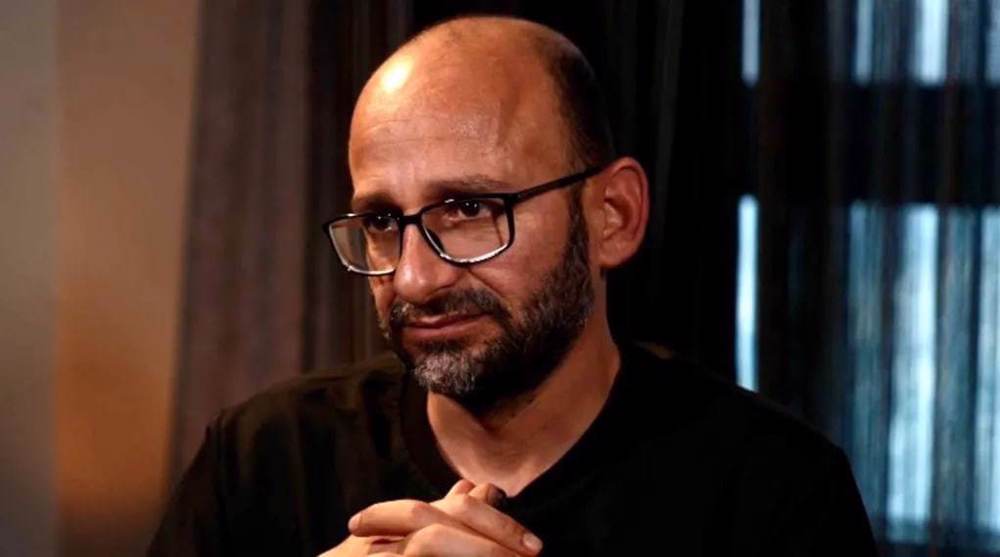
The brazen threats sparked a cacophony of denunciation, with Danielle Rhoades Ha, a New York Times spokesperson, saying in a statement that “Any such legal claim would be without merit.”
“This threat, similar to one made last year, is part of a well-worn political playbook that aims to undermine independent reporting and stifle journalism that does not fit a specific narrative,” she said in a statement on Thursday.
“Nick has covered sexual violence for decades, and is widely regarded as one of the world’s best on-the-ground journalists in documenting and bearing witness to sexual abuse experienced by women and men in war and conflict zones,” the statement added.
The newspaper has repeatedly defended Kristof’s reporting over the last few days.
Kristof’s interviews with 14 men and women “were corroborated with other witnesses, whenever possible, and with people the victims confided in – that includes family members and lawyers”, said Charlie Stadtlander, a spokesperson for the Times, in a statement.
“Details were extensively fact-checked, with accounts further cross-referenced with news reporting, independent research from human-rights groups, surveys and in one case, with UN testimony. Independent experts were consulted on the assertions in the piece throughout reporting and fact-checking.”
It is not clear which jurisdiction Israeli officials would choose to file the lawsuit in or whether defamation claims could even be filed by a government.
“There is no chance a US court would countenance such a case,” The Guardian cited David A Logan, a professor emeritus at the Roger Williams School of Law and media law expert, as saying.
He added that there is a legal consensus that the first amendment bars lawsuits or prosecutions of critics of government brought by the government.
Mark Stephens, an expert in international media law, also decried the idea of Israel suing the Times as “ludicrous”.
“Libel is about hurt feelings, being shunned and avoided and isolated as a human (sentient) being,” he said in an email. “This is as much about politics as it is about law – and courts are alert to the difference.”
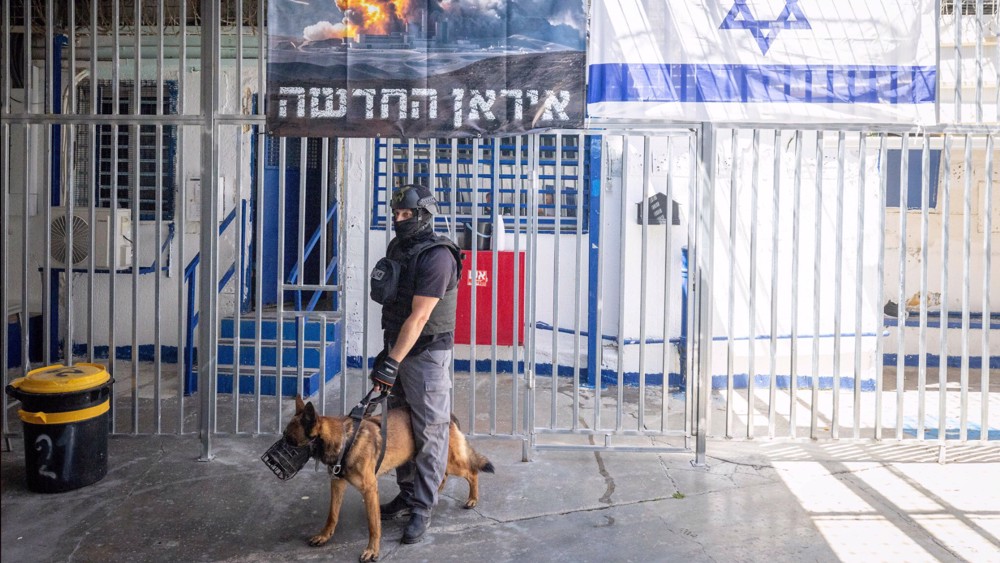
Kristof’s piece, which was published in the Times’ opinion section on Monday, included accounts of sexual abuse, including rape, at the hands of Israeli prison guards, soldiers, settlers and interrogators, and sometimes involving dogs.
According to the article, Kristof found the victims he interviewed by asking around among lawyers, human rights groups, aid workers and “ordinary Palestinians”.
Accounts of sexual assault of Palestinians in Israeli detention have also been documented by Israeli and international human rights groups such as B’Tselem and Save the Children, among others.
The Guardian has also published accounts of sexual abuse of Palestinians in Israeli custody, and recently reported that Israeli soldiers and settlers were using sexual assault as a tool to force Palestinians out of their homes in the occupied West Bank
It is not the first time Israel has threatened to sue media. Last year, Netanyahu told Fox News that the Times “should be sued” over its coverage of starvation caused by Israel’s “total blockade” announced after the start of the occupying regime’s genocidal war against Gaza. However, the regime did not follow through on that threat.
Israel arrests US citizen on suspicion of contact with Iranian intelligence

Israel kills 8 Palestinians as Gaza death toll tops 73,000
Israeli army demolishes buildings across Gaza as ceasefire violations continue



Ex-Israeli official: Over 80 arrested on suspicion of gathering military intelligence
Defense minister: Iran's missile, drone capabilities will continue to expand
Iran vows to avenge Martyr Leader's 'pure blood at the right time'
Iran's Christian minorities call for magnificent funeral for Martyr Leader
Iran's envoy calls for justice over West's role in Sardasht chemical bombing
Germany’s Bayer linked to Israel's chemical weapons use in Lebanon
Iran deploys special forces to western borders after wave of terrorist attacks
VIDEO | New system, new architecture evolved in West Asia region: Analyst


 PressTV NEWSLETTER
now
PressTV NEWSLETTER
now
 This makes it easy to access the Press TV website
