US procures 10,000 cheap cruise missiles as war on Iran strains stock: Report
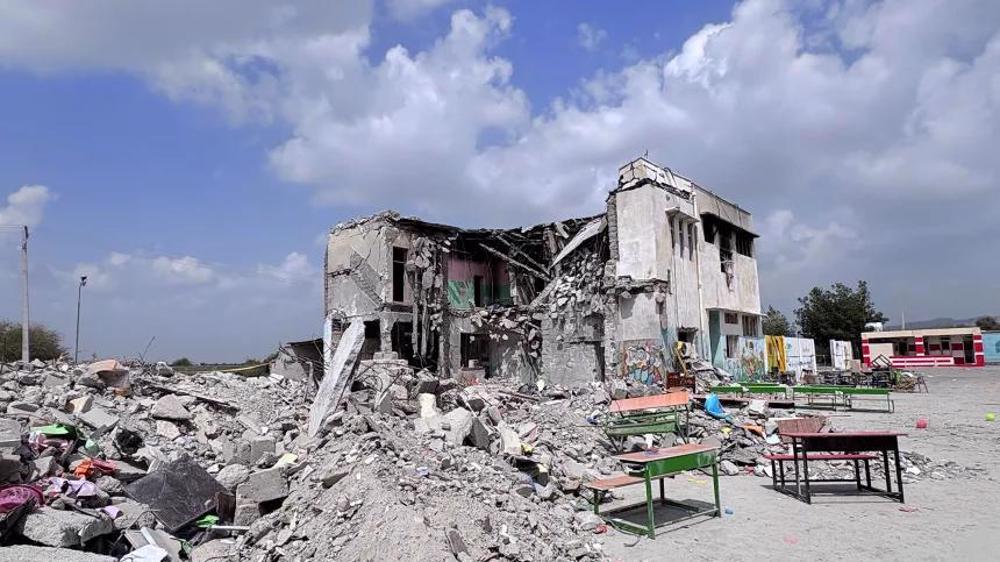
Facing rapidly shrinking missile stockpiles after heavy weapons use in the war against Iran, the Pentagon is rushing to procure more than 10,000 low-cost cruise missiles over the next three years, a report says.
The US Department of War announced framework agreements with military firms, including Anduril Industries, CoAspire, Leidos and Zone 5 Technologies under its new Low-Cost Containerised Munitions (LCCM) initiative, The Wall Street Journal (WSJ) reported on Wednesday.
“Today’s announcement is the latest sign that our Acquisition Transformation Strategy is delivering on its promise to rebuild the Arsenal of Freedom,” Michael Duffey, the undersecretary of defence for acquisition and sustainment, said on Wednesday.
The program aims to mass-produce cheaper cruise missiles that can be launched rapidly from mobile systems as Washington struggles to replenish expensive weapons consumed during operations linked to the military aggression against Iran.
According to the report, the Pentagon plans to procure more than 10,000 low-cost missiles beginning in 2027, while test purchases from the four companies are scheduled to begin in June 2026.
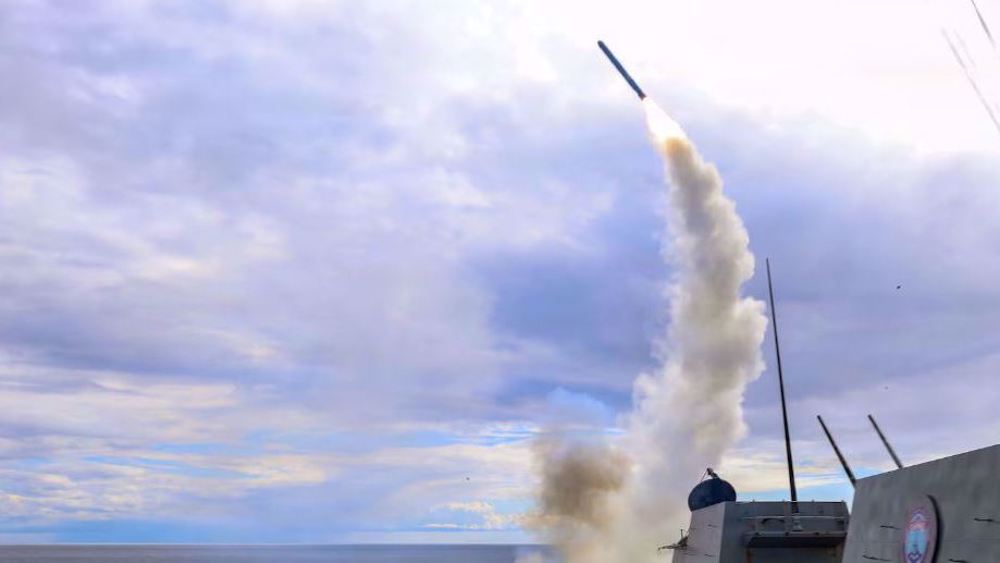
The new missiles are expected to cost only a few hundred thousand dollars each, far below the price of advanced systems such as Tomahawk missiles.
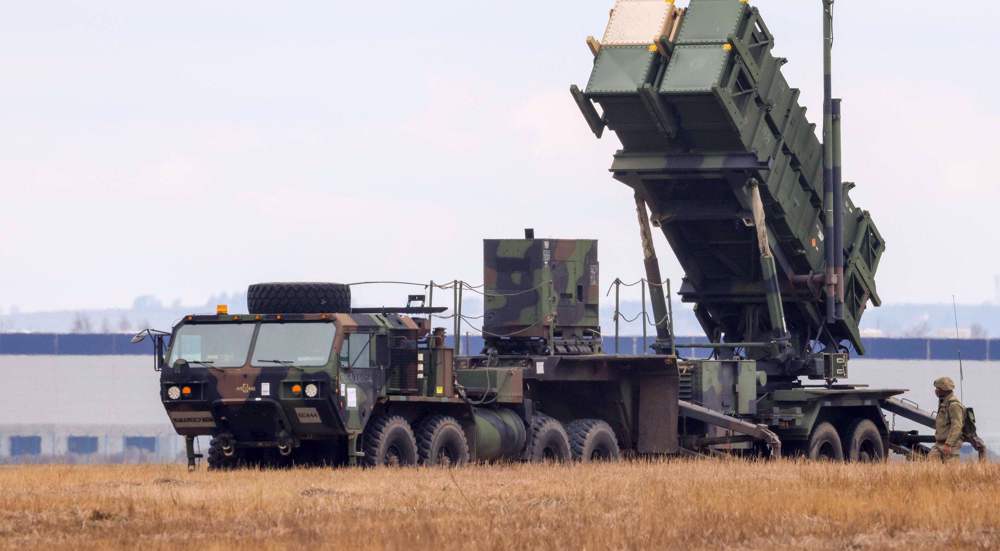
According to CNN, over the last seven weeks of war on Iran, the US military has expended at least 45% of its stockpile of Precision Strike Missiles; at least half of its inventory of THAAD missiles; and nearly 50% of its stockpile of Patriot air defense interceptor missiles. pic.twitter.com/CJFUhYvnxn
— Press TV 🔻 (@PressTV) April 22, 2026
A separate agreement with Castelion is focused on scaling up production of the company’s Blackbeard hypersonic missile.
The Pentagon said it hopes to eventually purchase more than 12,000 Blackbeard missiles over five years, including at least 500 annually once testing is completed.
The Pentagon’s emergency procurement drive follows reports that US forces fired massive numbers of missiles during the war on Iran.
In late April, the WSJ revealed that the US had exhausted more than 1,000 long-range Tomahawk missiles during the war against Iran, in addition to firing roughly 1,500 to 2,000 vital interceptor missiles from air-defence systems such as THAAD and Patriot, warning that restoring the heavily depleted arsenals could require as long as six years.
A Centre for Strategic and International Studies assessment published in April also said that the US launched more than 850 Tomahawk missiles in the first month of the war alone, while later estimates placed the figure above 1,000.
The intense missile consumption has fueled concerns about whether the US Navy can rapidly replace weapons depleted during strikes and defensive operations in West Asia, particularly after carrier strike groups reportedly exhausted large missile inventories.
Jack Reed, a Democrat on the Senate Armed Services Committee, said the war with Iran had caused shortages of precision-guided munitions for the US military across all regions of the world.
Last month, the WSJ reported that senior US defence officials held talks with top executives of major automakers, including General Motors (GM.N), and Ford Motor (F.N), to produce weapons and other military supplies as arsenals of the US are running out of weapons.
The Pentagon also talked with top executives of GE Aerospace (GE.N) and vehicle and machinery maker Oshkosh (OSK.N) for the same reason, the newspaper added at the time.
The high burn rate was driven by sustained Iranian retaliatory attacks that averaged 33 ballistic missiles and approximately 94 drones daily during the forty days of the unprovoked war of aggression waged by a US-Israeli military coalition against the Islamic Republic on February 28.
North Korea says Japan turning into 'war nation', slams joint war game with US

US CENTCOM reports renewing aggression against Iran
Mission unaccomplished – IV: Iran’s missile arsenal the US could neither destroy nor negotiate away



VIDEO | Beijing applauds Iran sanctions waiver, reaffirms energy security stance
VIDEO | Iran's Embassy in Madrid hosts Shia-Christian interfaith dialogue
Qatar announces conclusion of Doha talks with Iranian, US delegations
Jellyfish in the sky: How Iran's ‘alien-like’ drone swarm rattled US military intelligence
Israel ships 1-ton military consignment to Somalia under UN designation: Report
Beyond the results: Iran's resilient 2026 World Cup campaign in the face of adversity
VIDEO | Iranian scholars reveal reality behind American human rights claims
VIDEO | Ceremony in Gaza honors children for memorizing Holy Qur’an



 PressTV NEWSLETTER
now
PressTV NEWSLETTER
now
 This makes it easy to access the Press TV website
