Iran peace plan demands war compensation, recognition of sovereignty over Hormuz
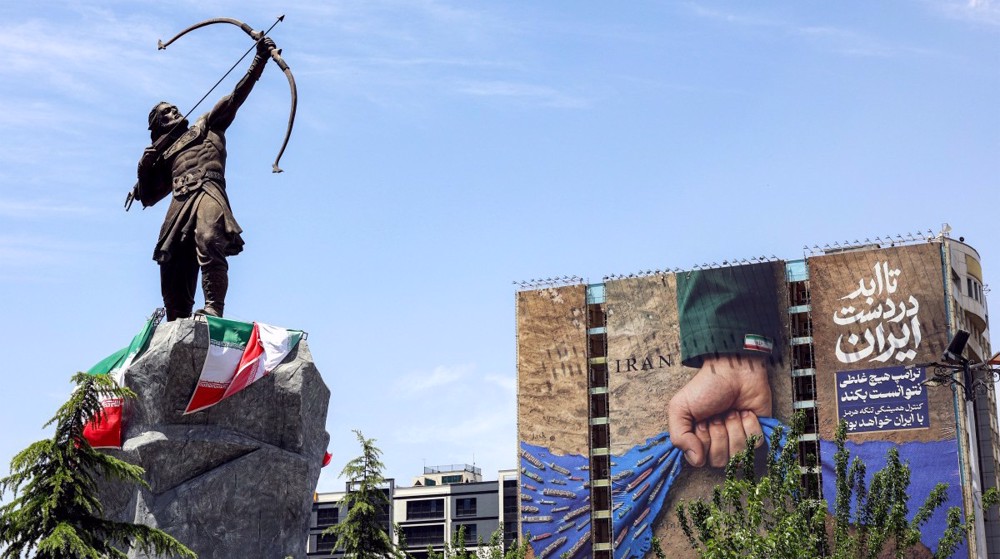
Iran has submitted a comprehensive plan to end the US-Israeli war of aggression, insisting on full compensation for war damages and the lifting of all sanctions, according to an IRIB report.
The report said that the plan also demands the release of frozen Iranian assets and the recognition of Iran’s sovereignty over the Strait of Hormuz
The Iranian counterproposal, delivered through Pakistani mediators, was passed to Washington on Sunday.
Soon after, Trump posted on his Truth Social platform: “I have just read the response from Iran’s so-called ‘Representatives.’ I don’t like it, TOTALLY UNACCEPTABLE!”
An informed source told Tasnim News Agency that Iran’s response “emphasizes the fundamental rights of the Iranian nation” and rejects Washington’s earlier plan, which Tehran viewed as an attempt to force capitulation to Trump’s excessive demands.
“Nobody in Iran writes a plan to please Trump. The negotiating team writes only for the rights of the Iranian nation. If Trump is unhappy with it, that is actually better,” the source said. “Trump simply does not like reality; that is why he keeps losing to Iran.”
Pezeshkian: Dialogue is not surrender
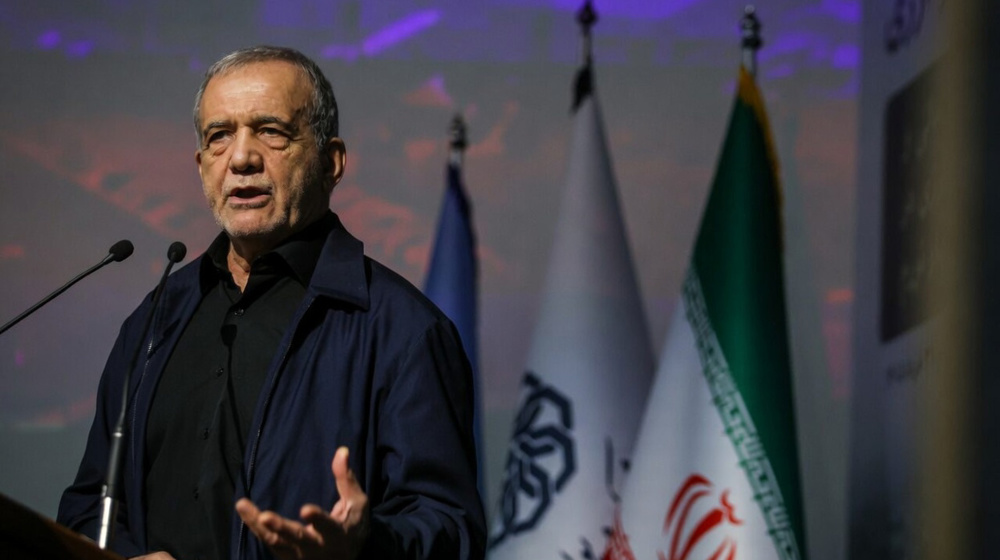
Iranian President Masoud Pezeshkian reiterated on Sunday that any negotiation does not mean retreat.
“We will never bow down to the enemy, and if there is talk of dialogue or negotiation, it does not mean surrender or retreat,” he said on X.
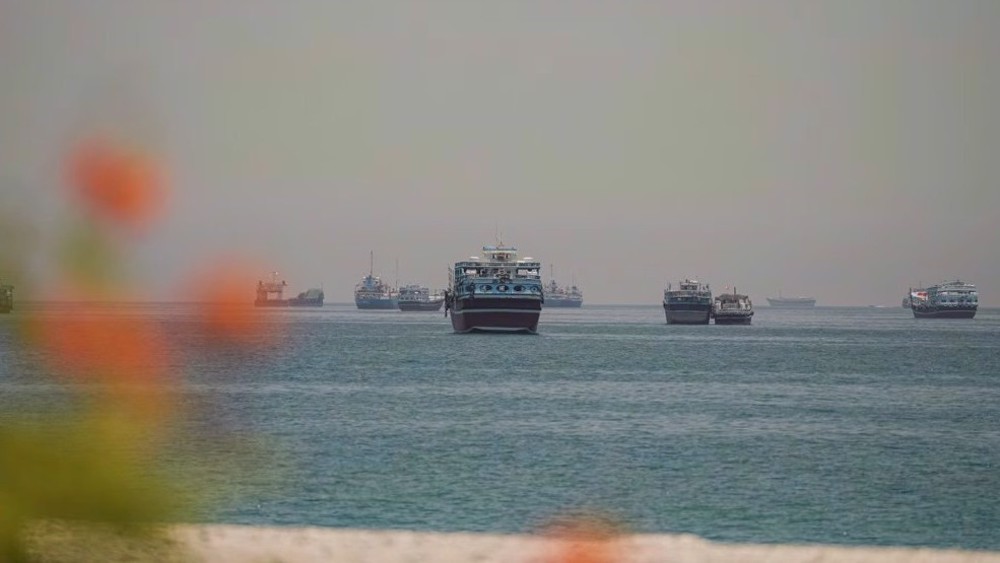
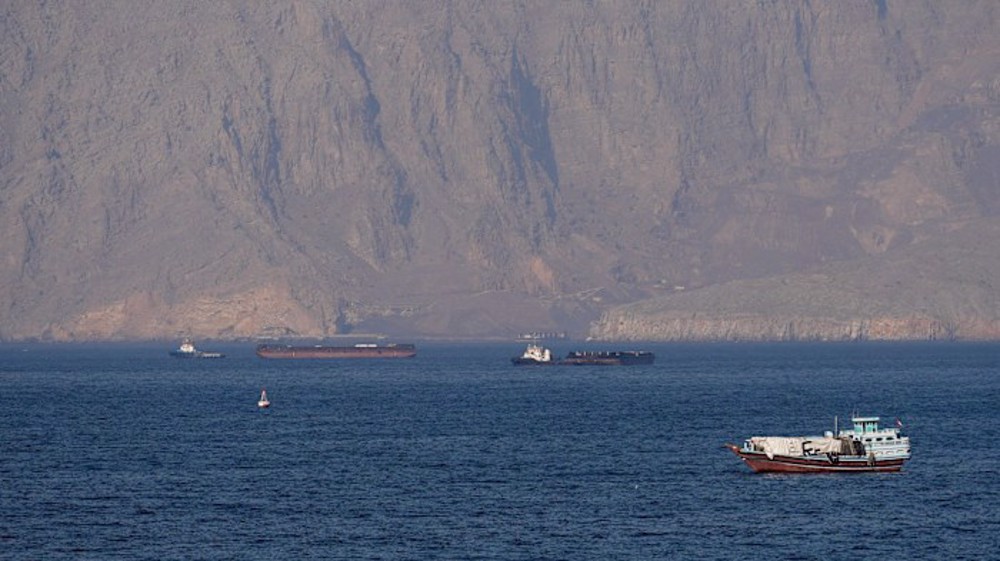
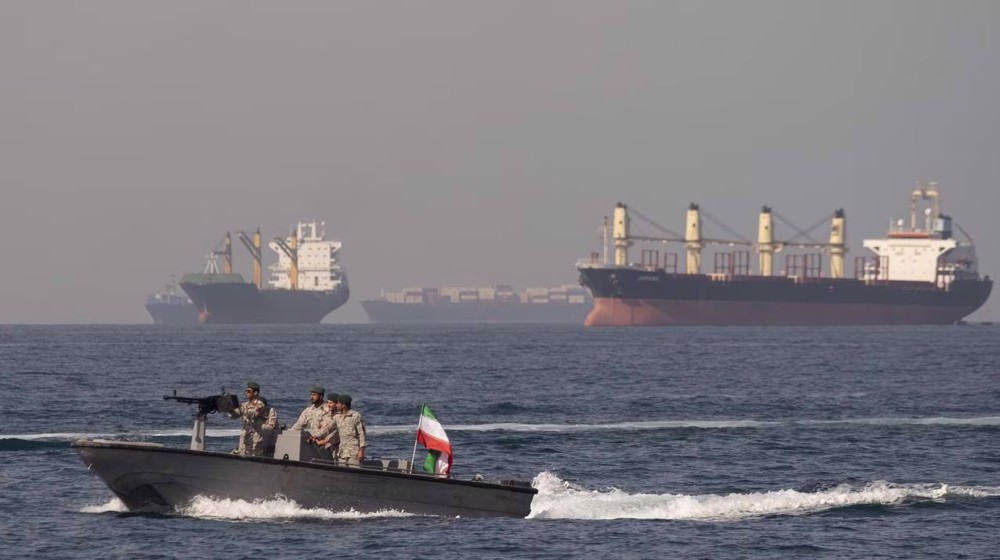
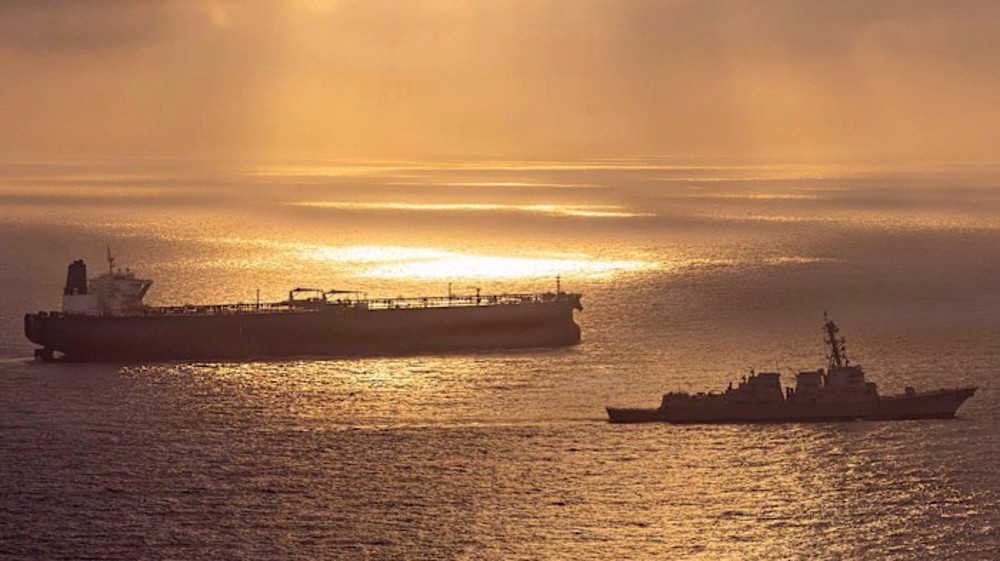
Iran imposed restrictions on the Strait of Hormuz, a waterway for about a fifth of the world’s oil, early in the war.
Tehran has since established a mechanism to collect tolls from ships transiting the strait, asserting its sovereign rights as a coastal state.
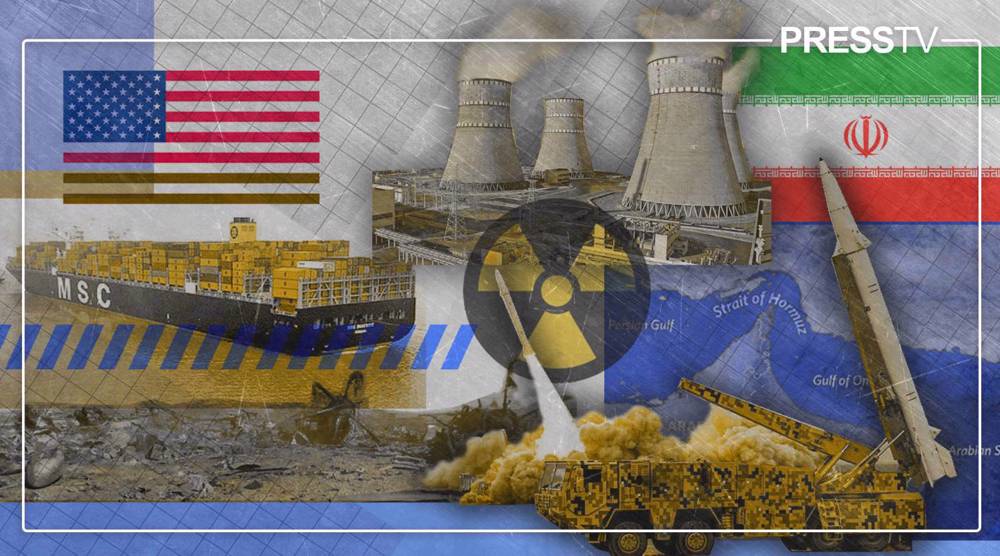
US officials have dismissed any such control as “unacceptable,” but Iran insists the strait’s security is a regional matter.
The war began on February 28 when the United States and Israel launched an unprovoked war of aggression against Iran, assassinating the late leader of the Islamic Revolution Ayatollah Seyyed Ali Khamenei and striking nuclear sites, schools, hospitals and civilian infrastructure.
Iran’s armed forces have since carried out 100 waves of retaliatory strikes under Operation True Promise 4, and Tehran is demanding full compensation for the massive destruction caused by US-Israeli bombings.
Tehran has not yet announced whether a new round of talks will take place, but Iranian officials have made clear that any future negotiations must be based on respect for Iran’s rights, not on dictates or coercion.
President Pezeshkian says Iran will stand by deal only if US does

Iran says talks with US contingent on implementation of key MoU provisions
Iran says only it can demine Strait of Hormuz under MoU with US



Iran becomes world's 3rd producer of rapid gas detection kits, says knowledge-based firm
Iran monitors US compliance moment-by-moment, won’t implement MoU unilaterally: FM spox
Hezbollah MP blasts ‘sell-out’ government, says Lebanon central to any Iran-US deal
Israeli army demolishes buildings across Gaza as ceasefire violations continue
VIDEO | Press TV's news headlines
VIDEO | Thousands displaced by earthquake in Venezuela receive temporary shelters
Iran will respond decisively to any ceasefire violation: Acting defense minister
Trump criticized Spain for not meeting NATO spending targets


 PressTV NEWSLETTER
now
PressTV NEWSLETTER
now
 This makes it easy to access the Press TV website
