Iran’s retaliatory attacks hit far more US military assets than acknowledged: Report
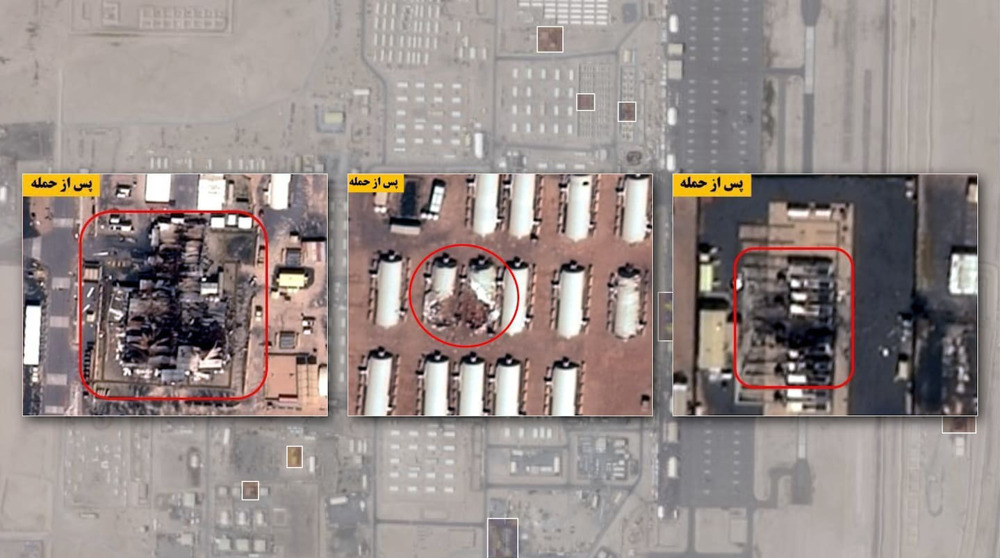
Satellite imagery reveals Iran’s retaliatory airstrikes inflicted significantly greater damage on US military assets across the region than acknowledged by the Trump administration.
Since the US and Israel launched their unprovoked war against Iran in late February, the country’s missile and drone strikes have damaged or destroyed at least 228 structures or pieces of equipment at US military sites across West Asia, the Washington Post reported.
Among the targets identified through satellite imagery analysis were hangars, barracks, fuel depots, aircraft, and critical radar, communications, and air defense systems.
Citing US officials, the report said that Iran’s air strikes rendered some of the US bases in the region too dangerous to US forces at normal levels, and commanders moved most of the personnel from these sites.
Meanwhile, the US has pressed major satellite firms Vantor and Planet to impose restrictions on imagery of the war zone — including delaying or withholding its release — making it difficult, if not impossible, to independently assess the impact of Iran’s counterstrikes.
The restrictions were imposed less than two weeks into the war, the report said.
Iranian news agencies, however, have regularly published high-resolution satellite images on social media since the start of the war.
For its investigation, the Post reviewed more than 100 of these images. It verified 109 of them by comparing them with lower-resolution data from the European Union’s Copernicus satellite system, as well as high-resolution images from Planet when available.
The Post said it found no evidence that any of the Iranian images had been manipulated.
In total, the Post found 217 structures and 11 pieces of equipment damaged or destroyed at 15 US military sites across the region.
Experts who reviewed the findings said the damage suggests the US military underestimated Iran’s targeting capabilities.
They also said the US has not fully adapted to modern drone warfare and left some bases insufficiently protected.
IRGC pounded 25+ US-Israeli targets in 100th wave of Operation True Promise 4https://t.co/LldzHmTiJF
— Press TV 🔻 (@PressTV) April 8, 2026
“The Iranian attacks were precise. There are no random craters indicating misses,” said Mark Cancian, a senior adviser with the Center for Strategic and International Studies and a retired Marine Corps colonel, who reviewed the Iranian images at The Post’s request.
In late April, NBC News reported that an Iranian jet bombed a US base in Kuwait, the first time in years that a fighter plane has hit a US base.
It also said that 100 targets had been struck by Iran across 11 bases. And CNN reported last week that Iran’s strikes damaged 16 US installations.
According to the Washington Post analysis, Iran’s missiles and drone strikes hit a satellite communications site at al-Udeid Air Base in Qatar.
They also hit Patriot missile defense systems at bases in Bahrain and Kuwait. A satellite dish at the US Navy’s 5th Fleet headquarters in Bahrain was damaged as well.
The attacks also struck a power plant at Camp Buehring in Kuwait and fuel storage sites across multiple bases.
Iranian-released imagery showed additional damage, though. This included radomes at bases in Kuwait and at the 5th Fleet headquarters.
It also showed damage to THAAD missile defense systems in Jordan and the United Arab Emirates.
Other targets included a second satellite site in Qatar, as well as an E-3 Sentry aircraft and a refueling tanker in Saudi Arabia.
The Post, however, noted that its findings are only a partial assessment based on available satellite imagery.
It said that Iran’s retaliatory operations have forced US military planners to rethink their strategy, including pulling troops back to safer locations.
The Post cited two US officials saying that US forces may never return to regional bases in large numbers, though no final decision has been made.
Mission unaccomplished – Part VI: US sought Iran’s surrender but got a new regional superpower
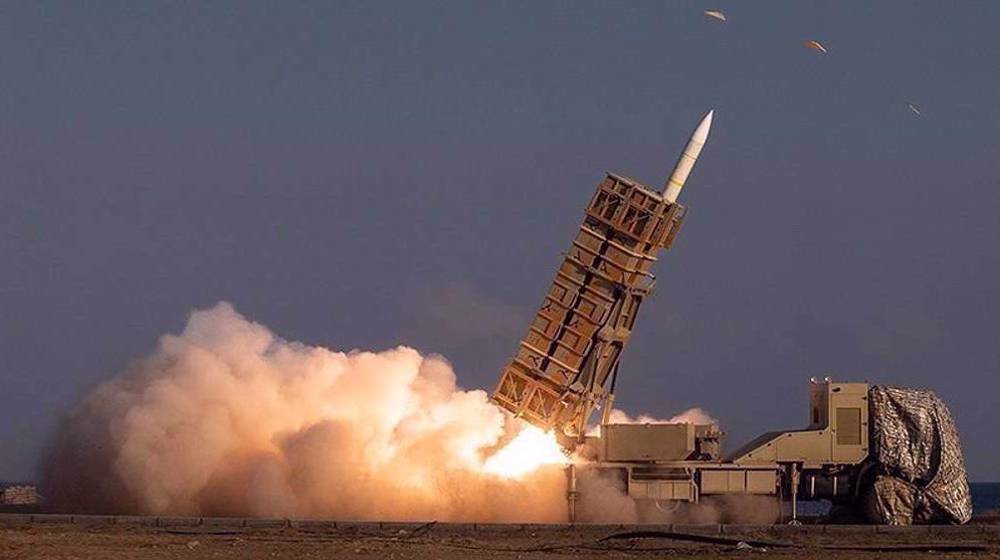
Contrary to enemy propaganda, Iran’s defense sector continues to make progress: Top general
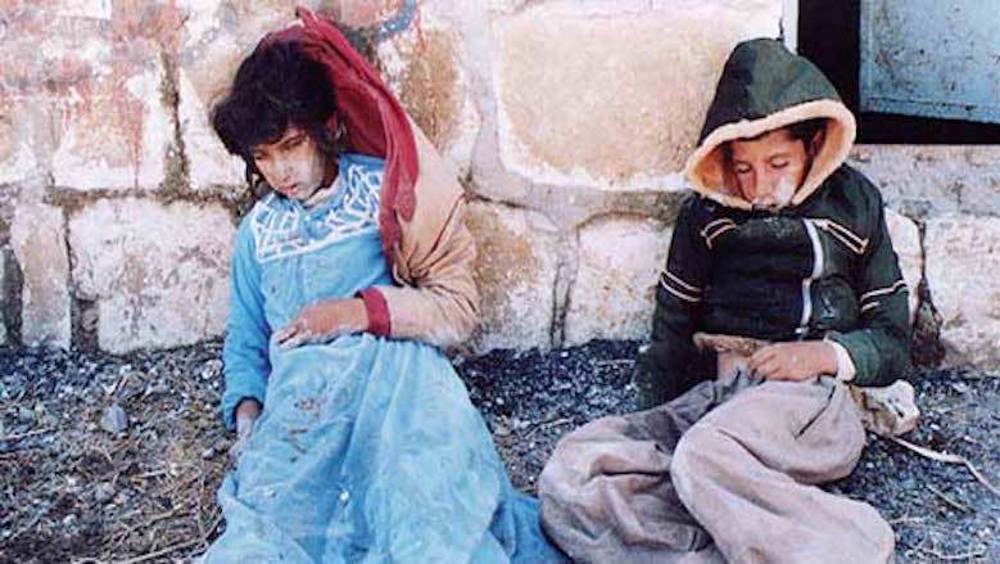
Iran marks 39th anniversary of Sardasht chemical massacre, demands accountability from Western enabl



Martyred Leader's funeral to serve as global movement against terrorism, US-Zionist crimes: Army
2026 World Cup: Iran prepares to depart Mexico after 24-day stay in Tijuana
At UN Security Council, Palestine envoy urges world to stop Israeli annexation
Two IRGC servicemen martyred in terror attack in western Iran
VIDEO | Pakistan launches fourth cross-border strikes inside Afghanistan
VIDEO | Pro-Palestinian activists in Paris rally to condemn ongoing Israeli genocide
VIDEO | Spain rejects US pressure as Trump intensifies criticism of NATO allies
VIDEO | Afghanistan-Pakistan tensions escalate after fresh airstrikes by Islamabad


 PressTV NEWSLETTER
now
PressTV NEWSLETTER
now
 This makes it easy to access the Press TV website
