Strait of Hormuz disruption to have major economic and geopolitical consequences: Economist
By Alireza Kamandi
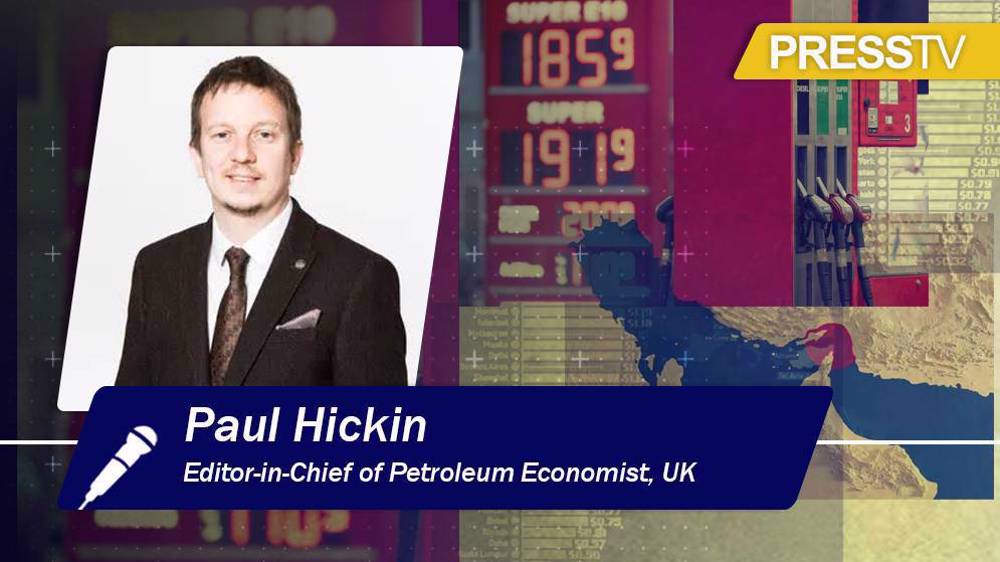
The Strait of Hormuz is a critical chokepoint for global energy markets, and any significant disruption or closure would have major economic and geopolitical consequences, says a UK-based economist.
In an interview with the Press TV website, Paul Hickin, a chief economist and editor-in-chief at Petroleum Economist, said the ongoing tensions surrounding the Strait of Hormuz in the wake of US-Israeli aggression against the Islamic Republic of Iran represent one of the most significant threats to global market stability in decades.
With approximately 20% of the world's oil and a substantial portion of liquefied natural gas (LNG) flowing through this narrow corridor daily, the stakes could not be higher.
He said the disruption at the Strait of Hormuz is already sending shockwaves through global markets. Elevated oil and gas prices are driving inflationary pressures, particularly straining energy-importing economies across Europe and Asia. These higher costs cascade through entire production and transportation chains.
“Metals, fertilizers, and agricultural goods—all highly energy-intensive commodities—are experiencing significant price volatility,” he said, adding that this is reducing output, increasing food insecurity, and undermining supply reliability worldwide.
Maritime insurance premiums and freight rates have also risen sharply amid the strategic waterway’s closure, further constraining trade flows and market liquidity.
As for the imposition of a maritime blockade on Iranian ports by the US, Hickin said it represents a significant escalation with far-reaching consequences, adding that, directly, Iran exports between 1 and 1.5 million barrels of oil daily, much of it destined for Asian markets. Removing this volume from global supply tightens already fragile oil balances and increases price volatility.
“However, the indirect effects could prove even more damaging. The blockade raises fears of retaliation, particularly threats to shipping in or near the Strait of Hormuz. This prompts higher insurance costs, rerouting of vessels, and temporary withdrawal of tankers—disruptions that constrain vessel traffic far beyond Iran alone, affecting LNG, refined fuels, and petrochemical feedstocks”, he told the Press TV website.
When asked about the consequences of a new round of US aggression against Iran, the UK-based economist said the immediate consequences would be severe.
✍️ Analysis - High costs, slow scaling, structural limits: Why US shale can't offset Strait of Hormuz disruption
— Press TV 🔻 (@PressTV) May 3, 2026
By Mohammad Molaeihttps://t.co/cii7OvWyUO pic.twitter.com/mEdN5Ol3OP
Energy markets would react instantaneously, with the removal of Iranian production simultaneously disrupting US-linked facilities in the Persian Gulf, potentially eliminating several million barrels per day from supply over the long term.
Oil and LNG prices would surge sharply, driving global inflation and increasing recession risk, particularly for energy-importing economies in Europe and Asia.
“Financial markets would experience heightened volatility as risk premiums spike and currencies of vulnerable economies weaken. The conflict would undermine long-term energy security, delaying climate goals in the short run while accelerating strategic diversification, renewables investment, and geopolitical realignment over time,” he noted.
“The repercussions for geopolitical and economic alignment remain uncertain, but the poorest economies would bear the brunt. China may feel compelled to become diplomatically involved, and the Middle East could take a long time to recover—if ever. A new normal would eventually emerge, but its shape remains unknown.”
For Iran, leveraging the Strait of Hormuz creates a window for potential negotiations of better terms in the medium term. However, compromise and common ground still appear distant, he remarked, adding that the stakes have been raised, and relations are being fundamentally rethought.
Regarding the global energy shortage, Hickin said that looking toward 2027, strain intensifies significantly. Prolonged shortages or price spikes would erode industrial competitiveness, raise inflation to difficult levels, and pressure public finances.
Emerging Asian economies with limited reserves or fiscal space face the greatest risk of power shortages and social unrest.
“A brief disruption remains manageable, but if the crisis persists into 2027, the shock would likely force severe demand destruction, accelerate energy transition efforts, and fundamentally reshape global trade patterns”, he noted.
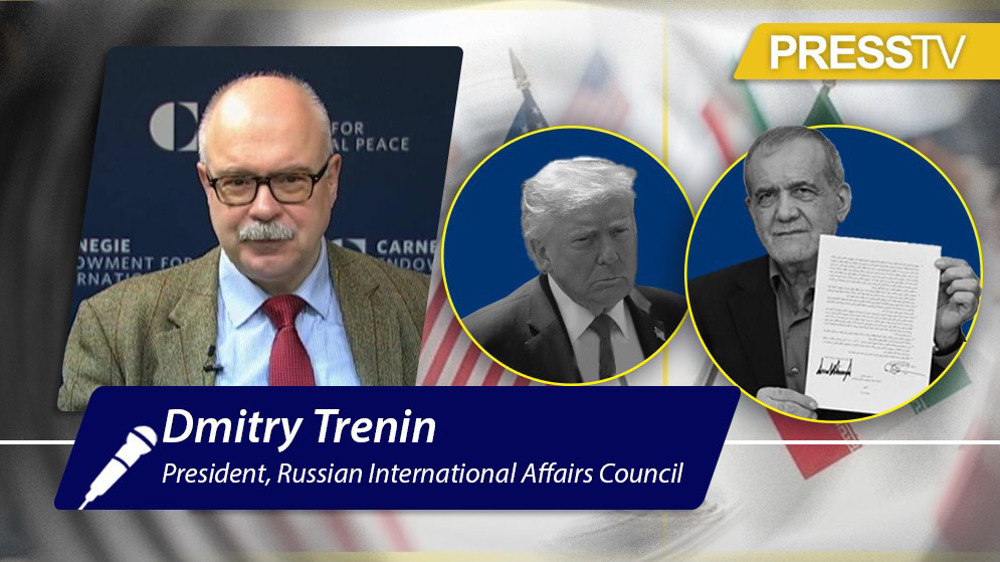
Iran stopped Trump's 'march to reassert US global dominance': Analyst
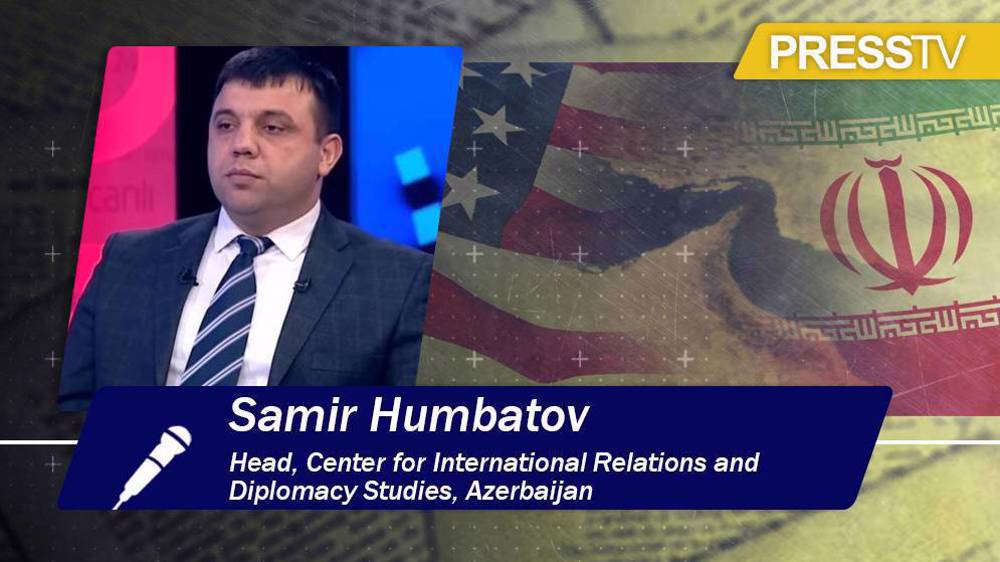
Iran-US MoU to end war a welcome development for regional security, stability: Analyst
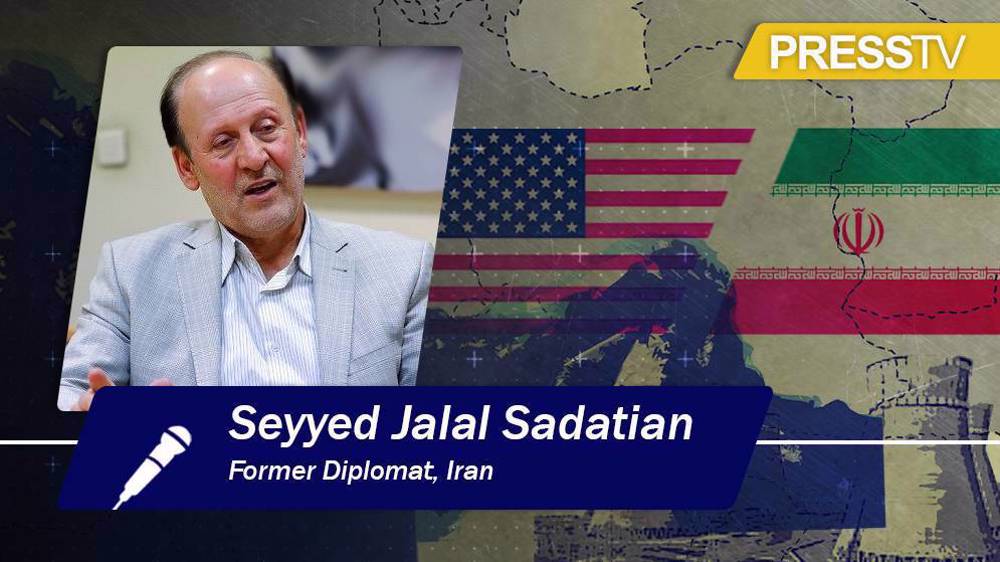
Iran-US MoU ‘great victory’ for Tehran as US failed to achieve war objectives: Former diplomat



Attacks on Lebanon 'red line'; Iran to respond to Israeli violations: Senior diplomat
US Senate approves resolution challenging Trump's authority to wage war on Iran
Iran, Pakistan forge blueprint for Islamic economic integration
Palestine decries vandalization of Ibrahimi Mosque by Israel
Ex-PM admits Israel smuggled Starlinks to Iran during January riots
Hezbollah says Israeli project 'broken,' urges full withdrawal from Lebanon
Iran's defense capabilities 'non-negotiable,' President Pezeshkian says
Israel’s deliberate targeting of Gaza children part of genocide: UN




 PressTV NEWSLETTER now
  This makes it easy to access the Press TV website